Zohran Mamdani invited to Manhattan Columbus Day Parade sparks fierce backlash from Italian-American leaders and community figures

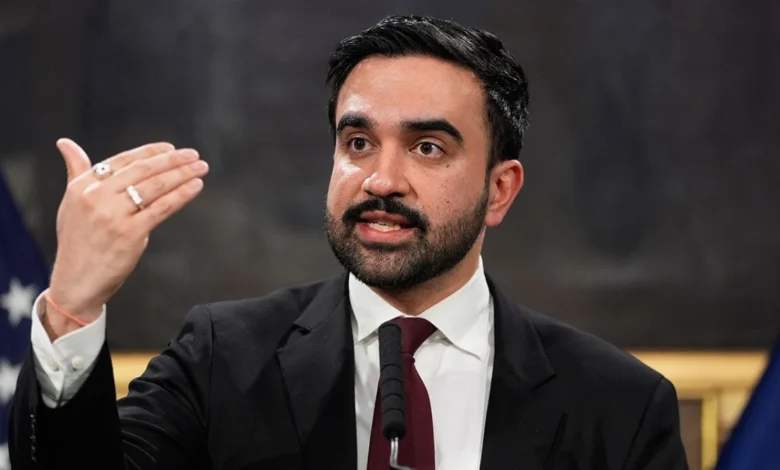
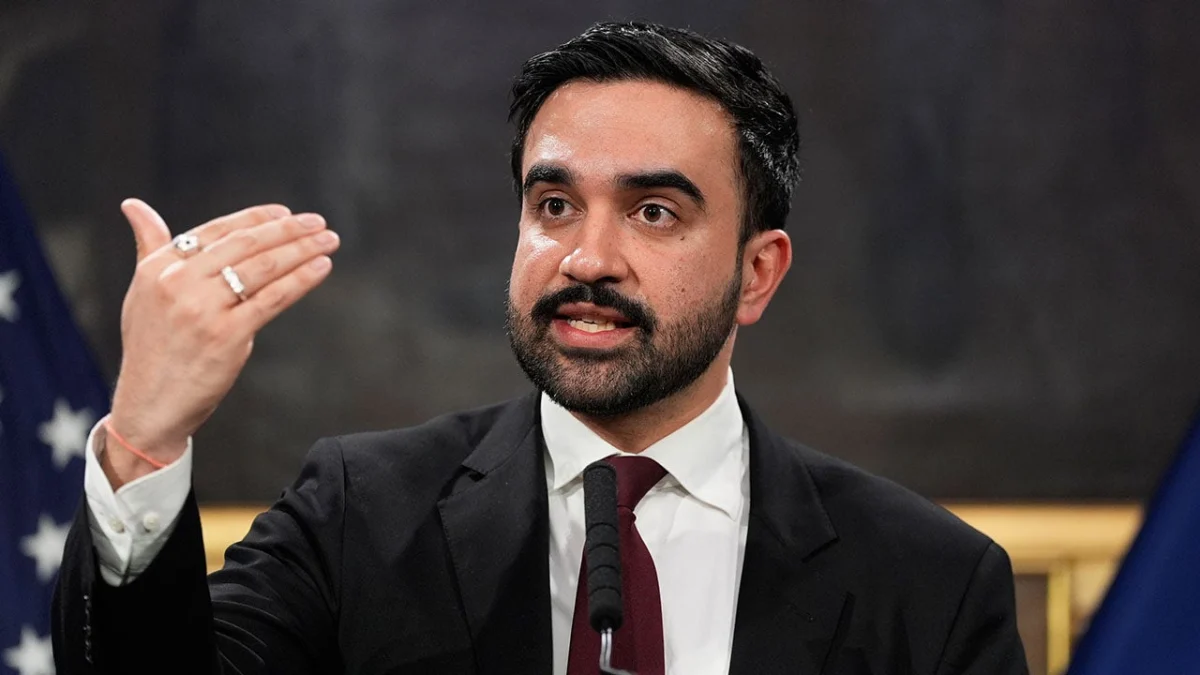
The decision by the Columbus Citizens Foundation to extend an invitation to New York City Mayor Zohran Mamdani for Manhattan’s upcoming annual Columbus Day Parade has ignited a fierce political controversy across the five boroughs. While event organizers defended the gesture as a good-faith attempt to bridge a widening gap between City Hall and the city’s prominent Italian-American community, critics have decried the invitation as inappropriate, insensitive, and out of touch with the sentiments of heritage groups throughout the region. The friction surrounding the parade invitation highlights a broader, ongoing strain in Mayor Mamdani’s relationships with several of New York City’s historic ethnic and cultural constituencies, adding to a growing list of public appearances that have drawn vocal opposition since he assumed office.
Background and Context of the Columbus Day Parade Controversy
The Columbus Day Parade, traditionally held on the second Monday of October, is one of Manhattan’s most high-profile cultural celebrations, drawing hundreds of thousands of spectators and prominent political figures to Fifth Avenue. For the Italian-American community, Christopher Columbus serves as a powerful historical symbol linking their ancestral heritage to the fabric of American history.
However, Mayor Mamdani’s historical stance regarding the 15th-century explorer has made him a lightning rod for criticism. In 2020, Mamdani shared a social media post featuring a photograph of himself making an obscene gesture toward a statue of Christopher Columbus accompanied by the caption "take it down." This previous act of defiance, combined with more recent administrative missteps—such as the initial omission of Manhattan’s historic Little Italy neighborhood from an official city map of immigrant enclaves—has left many community leaders feeling deeply disrespected.
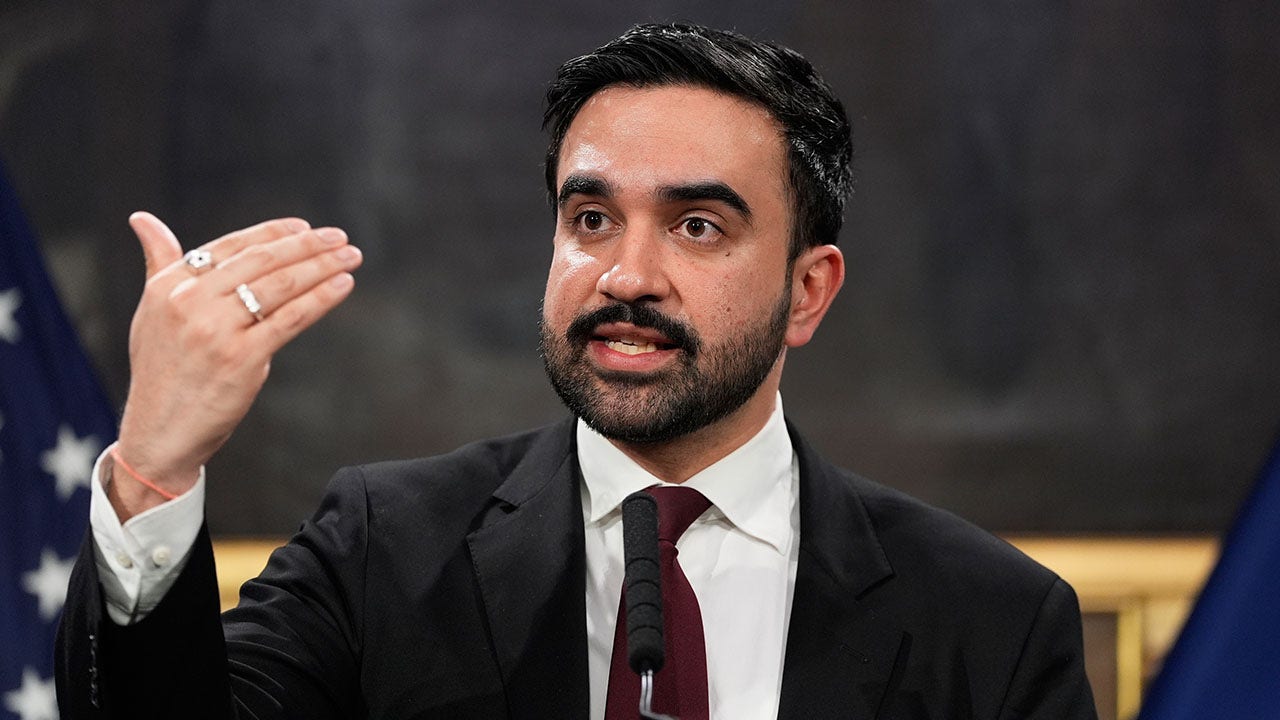
Despite these tensions, Columbus Citizens Foundation President Christopher Loiacono defended the decision to invite the mayor, emphasizing that outreach and dialogue remain the most constructive paths forward. Speaking to local media outlets, Loiacono stated that the foundation hopes to foster a collaborative working relationship with the mayor’s office and encourage greater administrative consideration for Italian-American heritage. As of this reporting, the Mayor’s office has not officially confirmed whether Mamdani plans to accept the invitation to march in the October 12 procession.
Outrage Among Italian-American Leaders and Public Figures
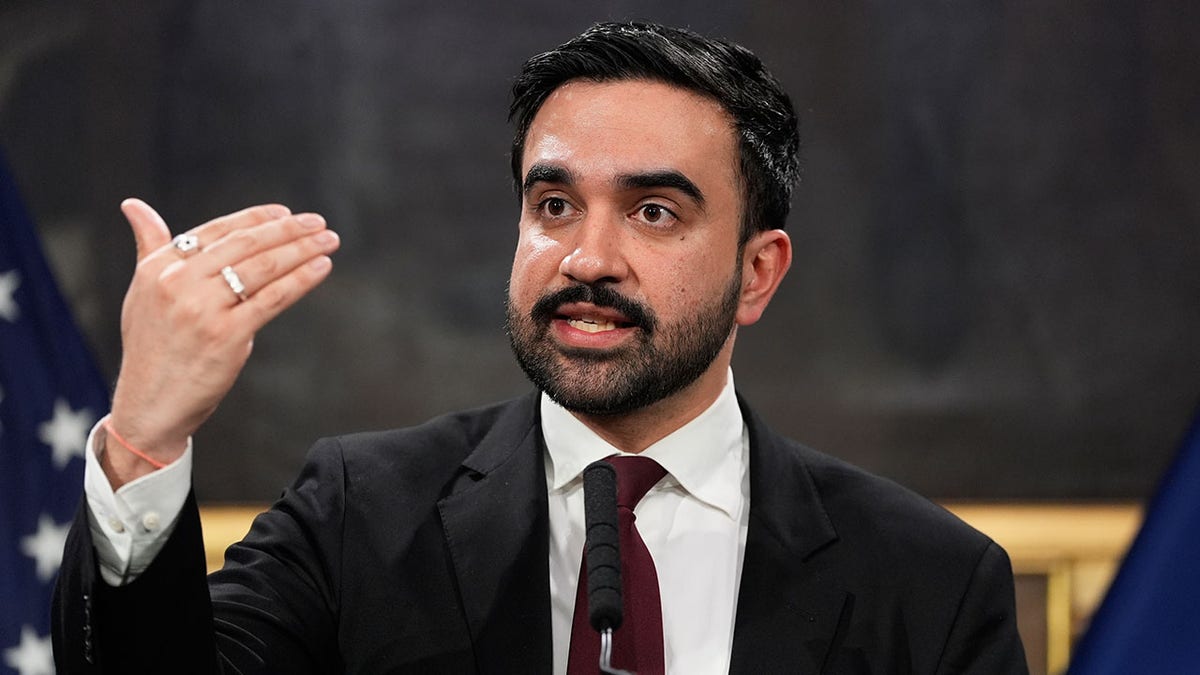
The invitation has met with swift and severe condemnation from prominent Italian-American advocates, political figures, and media personalities. Mike Crispi, president of the Italian American Civil Rights League, took to social media to excoriate the foundation’s decision, calling it a weak and feckless move that disregards the dignity of the community. Crispi argued that Mamdani has consistently shown contempt for Italian-Americans and threatened to organize a competing, independent Columbus Day parade next year if the invitation is not formally rescinded.
Elected officials have echoed these frustrations. New York City Councilwoman Joann Ariola, a Republican representing Queens, publicly questioned the rationale behind inviting a mayor who has openly opposed monuments honoring Columbus and failed to include Little Italy on the city’s ethnic enclave mapping project. Ariola remarked that the mayor’s participation would serve little purpose other than a superficial photo opportunity, advising him to decline the invitation altogether.
The controversy has also drawn sharp rebukes from high-profile cultural commentators. Radio host Sid Rosenberg voiced strong objections to the inclusion of the mayor, referencing both the statue incident and the map omission. Similarly, conservative political operative Roger Stone drew parallels between the current backlash and earlier controversies surrounding the mayor’s public schedule, asserting that the Italian-American community shares the same reservations expressed by other groups regarding Mamdani’s attendance at high-profile civic events.
A Pattern of Public Friction and Community Backlash
The mounting resistance to Mayor Mamdani’s participation in cultural and historical events is not an isolated incident. Throughout his tenure, the mayor’s public appearances have frequently intersected with community tensions, resulting in organized pushback and petitions demanding his absence from sensitive commemorations.
Most notably, Mamdani’s decision to attend the annual September 11 memorial service at Ground Zero drew intense scrutiny. A petition organized by victims’ families gathered upwards of 110,000 signatures urging the mayor to stay away from the solemn anniversary, citing deep ideological and political disagreements. Critics argued that his presence detracted from the solemnity of a day dedicated solely to honoring the victims of the 2001 terrorist attacks.
Furthermore, the mayor faced criticism earlier in the year regarding his handling of administrative maps detailing New York City’s ethnic neighborhoods. The initial publication of an immigrant enclave map omitted Little Italy—a cornerstone of Italian-American history in Manhattan. Although the map was originally drafted during a prior administration, the Mamdani administration’s release of the updated 2026 version without the historic neighborhood drew immediate ire. While the mayor’s office subsequently moved to correct the oversight by updating the map to include Little Italy, the episode left lingering doubts regarding the administration’s awareness of and sensitivity to historical cultural enclaves.
Broader Implications for City Hall and Intergroup Relations
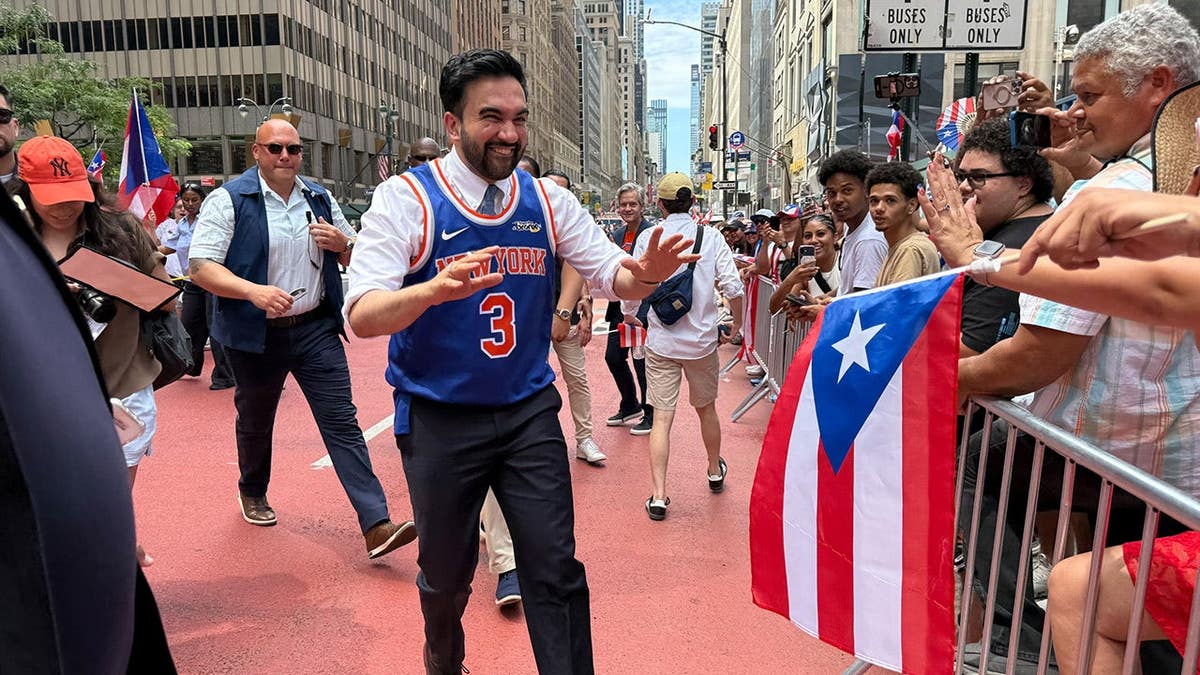
The ongoing friction between the Mamdani administration and various cultural constituencies underscores the complex political landscape of New York City. Mayors have historically used cultural parades, religious observances, and civic memorials as essential platforms to build consensus, demonstrate inclusivity, and mend political divides. When these public platforms become sites of protest and alienation, the governing capacity of the administration can be substantially impeded.
Political analysts note that the alienation of major ethnic voting blocs poses significant challenges for an administration attempting to implement ambitious legislative and fiscal agendas. Initiatives such as proposed free childcare plans and broader municipal spending measures require broad-based public trust and legislative cooperation. When community leaders feel culturally marginalized or disrespected by the city’s executive branch, legislative negotiations and public mobilization efforts face heightened hurdles.
Moreover, threats of counter-events, such as alternative parades or organized boycotts by prominent community figures, signal a splintering of civic unity in Manhattan. If the Columbus Citizens Foundation maintains its invitation and the mayor chooses to march, security and public relations challenges are anticipated along the Fifth Avenue route. Conversely, a decision by the mayor to decline or by the foundation to revoke the invitation would cement a public schism between City Hall and one of the city’s foundational immigrant populations.
As the date of the Columbus Day Parade approaches, pressure continues to mount on both the Columbus Citizens Foundation and the Mayor’s office to address the concerns raised by community stakeholders. Representatives for the foundation and City Hall have declined to issue immediate statements regarding the evolving controversy, leaving the ultimate trajectory of the event and its political fallout uncertain.