The modern travel landscape has evolved into a complex ecosystem of tight connections, shifting baggage regulations, and prolonged transit hours. Whether a passenger is boarding an early morning regional flight, embarking on a multi-week cruise, or navigating a cross-country rail journey, the difference between a chaotic transit day and a seamless voyage often hinges on preparation. Veteran travel editors and seasoned globetrotters have long recognized that investing in smart, durable, and multifunctional gear is no longer a luxury—it is an operational necessity. After analyzing years of firsthand transit data, consumer testing, and global movement trends, industry experts have compiled a definitive index of foolproof travel accessories designed to protect personal belongings, optimize packing space, and maintain physiological well-being at 30,000 feet.
To understand the current reliance on specialized travel gear, one must examine the shifting dynamics of global mobility over the past decade. With airlines tightening carry-on restrictions and checking luggage becoming an increasingly risky endeavor due to transit delays and misplaced bags, passengers are forced to maximize every square inch of storage space. Industry data from aviation authorities indicates that lost and mishandled baggage rates fluctuate during peak travel seasons, prompting a surge in demand for real-time tracking devices, compression packing systems, and robust organizational accessories. The modern traveler is no longer simply packing a bag; they are managing a portable mobile office and wardrobe that must withstand the rigors of multi-modal transportation.
Organizational Mastery: Totes, Toiletry Kits, and Compression Systems
At the foundation of any efficient journey is the organization of personal items. The personal item carried onto an aircraft or train must balance internal capacity with pliable structural integrity, allowing it to squeeze beneath cramped passenger seating without compromising legroom. Premium tote bags featuring dedicated trolley sleeves, secure magnetic or zipper closures, and structured internal compartments have become industry staples. Options such as the MZ Wallace Metro Tote, Cuyana System Tote, L.L.Bean Boat and Tote, and Calpak Luka Expandable Tote dominate editor recommendations due to their ergonomic weight distribution and heavy-duty materials designed to endure daily friction.

Beyond the cabin tote, maintaining order in hotel bathrooms and temporary accommodations requires specialized toiletry storage. Traditional cosmetic pouches often lead to counter clutter and accidental leaks. The market has shifted toward hanging toiletry bags, such as those produced by Bagsmart and Peak Design, which allow users to suspend their skincare and grooming products from doors or fixtures, keeping surfaces pristine. Similarly, safeguarding valuables such as rings, necklaces, and time-sensitive medications has driven a market demand for compact, hard-shell jewelry cases from brands like Mark & Graham and Benevolence, ensuring that irreplaceable items never find their way into checked luggage where the risk of loss is exponentially higher.
Fluid management has also undergone a design revolution. Rather than purchasing single-use plastic travel bottles that contribute to environmental waste and frequent spills, frequent flyers increasingly rely on leakproof silicone containers and modular capsules, such as those from Cadence. These systems allow users to transport exact quantities of skincare, vitamins, and toiletries safely through security checkpoints while adhering strictly to international liquid regulations.
In-Flight Comfort and Physiological Well-Being
Long-haul aviation presents unique ergonomic challenges, including reduced cabin humidity, restricted movement, and disrupted circadian rhythms. To mitigate the physical toll of extended transit, physiological support accessories have transitioned from optional comforts to essential wellness tools.
Deep vein thrombosis (DVT) and lower extremity edema caused by prolonged seated inactivity have made medical-grade and everyday compression socks a critical packing item. Brands like Bombas and Comrad utilize graduated compression technology paired with breathable, thermoregulating fabrics such as Merino wool to maintain healthy blood circulation and reduce post-flight swelling.

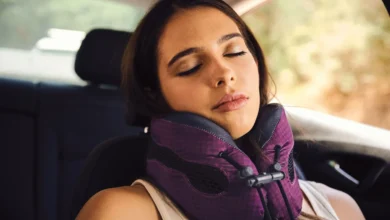
Simultaneously, sleep deprivation remains a primary obstacle for red-eye travelers. Achieving restorative rest in a shared cabin environment requires targeted sensory deprivation. Contoured, blackout sleep masks from brands like Zimasilk and MZoo block ambient cabin illumination while relieving pressure on the eyes. Paired with ergonomic, high-density memory foam neck pillows from Cabeau or Ostrichpillow, travelers can achieve spinal alignment and prevent the chronic neck strain traditionally associated with upright sleeping positions.
For temperature regulation, lightweight, packable travel blankets from EverSnug and Pavilia provide crucial insulation against aggressive cabin air conditioning. Furthermore, hygiene-conscious passengers frequently utilize specialized additions such as washable airplane tray table covers, which create a physical barrier against residual surface bacteria while offering built-in utility pockets to prevent misplaced phones, passports, and tablets.
Security, Tracking, and Power Management
As digital boarding passes, electronic itineraries, and contactless payments dominate modern transit, maintaining device power and asset security is paramount. The anxiety of misplaced checked luggage has been largely neutralized by the widespread adoption of Bluetooth tracking beacons, such as Apple AirTags, which allow passengers to monitor the exact geographical coordinates of their bags in real time via smartphone networks.
Concurrently, power management accessories ensure that connectivity remains uninterrupted throughout multi-leg journeys. Ultra-compact portable chargers, such as the lipstick-sized units from iWalk, provide rapid emergency power without the burden of heavy battery bricks. For international voyages, universal power adapters equipped with multi-region prongs and simultaneous multi-device USB charging capabilities eliminate compatibility roadblocks in foreign airports and hotels.

To bridge the gap between legacy in-flight entertainment systems and modern wireless audio devices, Bluetooth transmitters like the Twelve South AirFly have become indispensable. By plugging directly into standard audio jacks, these transmitters allow users to stream cabin movie audio directly to their personal noise-canceling headphones, such as the industry-leading Bose QuietComfort series.
Apparel Protection and Environmental Adaptability
Protecting clothing from wrinkles, moisture, and stains during transit is a logistical challenge solved by advanced packing architecture. Compression packing cubes, manufactured by brands like Bagsmart and Amazon Essentials, utilize heavy-duty zippers to expel excess air from garments, effectively doubling suitcase capacity while separating outfits by category. Paired with dedicated, ultra-lightweight laundry bags for soiled clothing, travelers can maintain absolute separation between clean and worn items throughout their trip.
For unexpected wardrobe mishaps, portable stain removal solutions—ranging from precision Tide To-Go pens to heavy-duty Shout Wipe & Go packets—provide immediate emergency intervention for formalwear and business attire. When environmental conditions turn inclement, lightweight, wind-resistant travel umbrellas from Weatherman and Repel offer high-durability protection without adding undue weight to personal carry-ons.
Implications and Future Outlook

The continuous innovation within the travel accessory market reflects broader shifts in consumer expectations regarding mobility, efficiency, and wellness. As transportation networks face persistent congestion and variable operational reliability, the burden of ensuring a comfortable and secure journey has shifted increasingly onto the individual traveler. The adoption of modular packing systems, real-time tracking hardware, and ergonomic wellness gear demonstrates a mature approach to modern mobility—one where thoughtful preparation directly correlates with reduced travel-related stress and enhanced overall trip satisfaction. Industry analysts project sustained growth in the functional travel goods sector, driven by consumer demand for lightweight, multi-use products that withstand the increasing demands of frequent global transit.