The Unprecedented Surge of the 2026 Super El Niño and the Global Climate Crisis

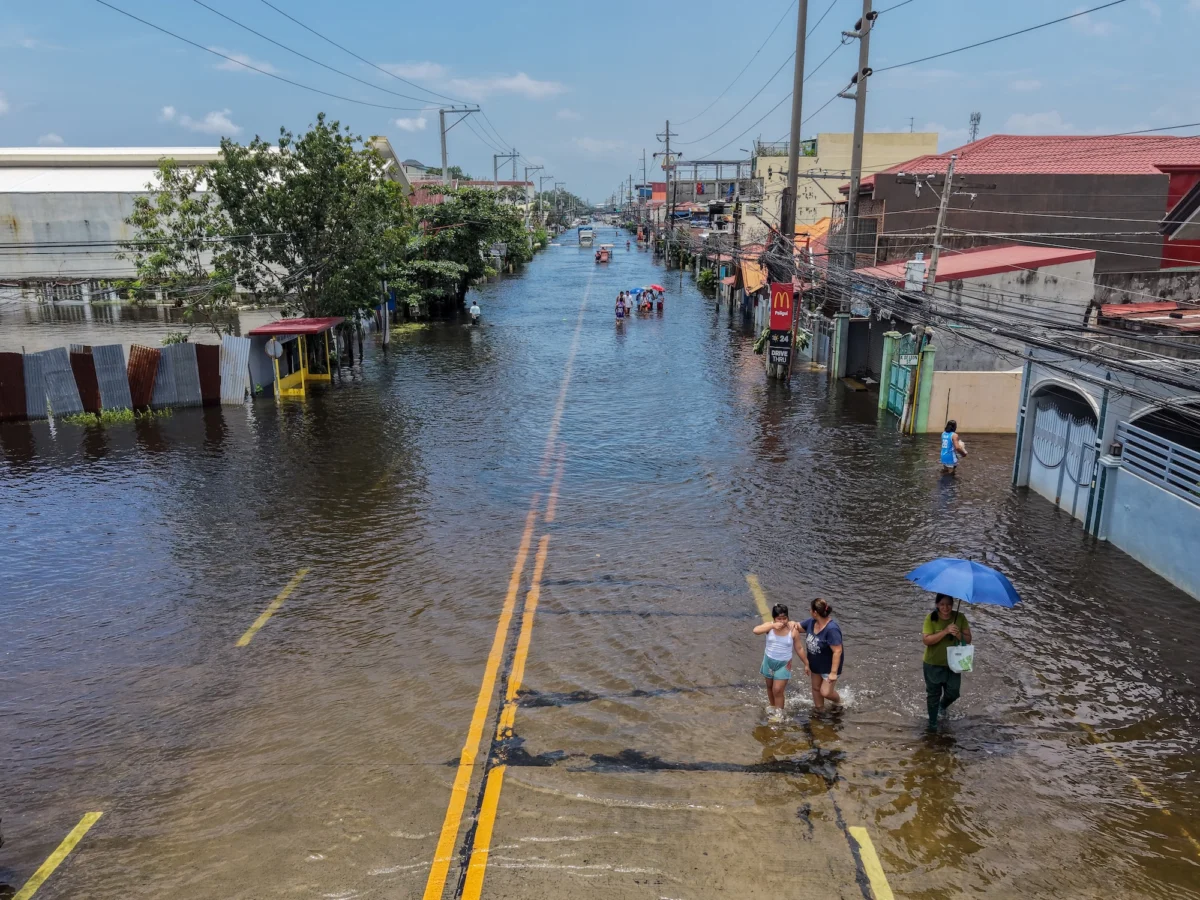
The 2026 El Niño weather phenomenon has officially transcended the bounds of typical meteorological expectations, reaching a magnitude that climate scientists are describing as both jaw-dropping and historically significant. As Pacific Ocean trade winds continue to falter and shift, the resulting sea surface temperature anomalies have triggered a cascade of extreme weather events across the globe. With California declaring a formal state of emergency to bolster preparedness and international health organizations bracing for a potential surge in heat-related mortality, this year’s climate event is serving as a sobering preview of a planet grappling with the consequences of long-term, human-induced global warming.
The Mechanics of a Super El Niño
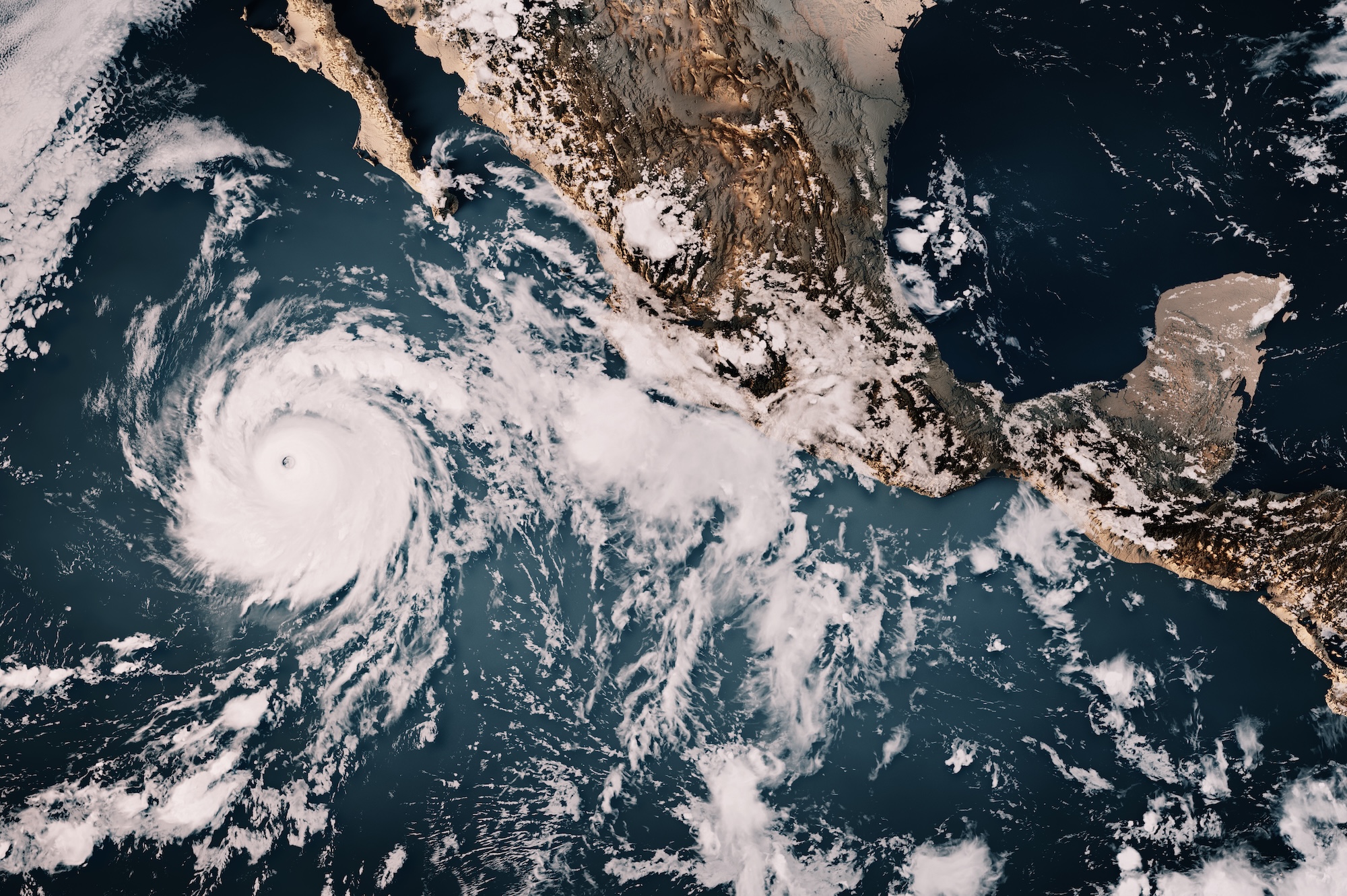
El Niño is a naturally occurring climate pattern associated with the warming of the ocean surface temperatures in the central and eastern tropical Pacific Ocean. Under normal conditions, trade winds blow east to west across the Pacific, pushing warm surface water toward Asia and Australia while allowing cooler, nutrient-rich water to rise to the surface along the coast of the Americas. During an El Niño phase, these trade winds weaken, allowing the warm pool of water to slosh back toward the central and eastern Pacific.
What distinguishes the 2026 event is the sheer intensity of this warming. Scientists rely on the Niño 3.4 anomaly index to measure these shifts. While a rise of 0.5 degrees Celsius above the historical average is sufficient to trigger an official El Niño designation, current readings have shattered previous thresholds. Recent data analysis indicates that warming in the Niño 3.4 region has reached 3.11 degrees Celsius, a figure that dwarfs the previous record set during the powerful 2015-2016 event. This sustained, high-intensity heat is not occurring in a vacuum; it is unfolding against the backdrop of a warming world where greenhouse gas concentrations are at their highest in human history.
A Chronology of Escalation
The emergence of this "super" event did not happen overnight. The signs began to manifest in early 2026, as ocean heat content in the Pacific began a steady, aggressive climb. By mid-year, meteorological agencies worldwide began to notice that standard predictive models were consistently underestimating the speed and intensity of the warming trend.
- June–August 2026: Sea surface temperatures across the equatorial Pacific were recorded as the warmest in modern history. Forecast models began showing a 90 percent probability of the event maintaining "very strong" status through the end of the year.
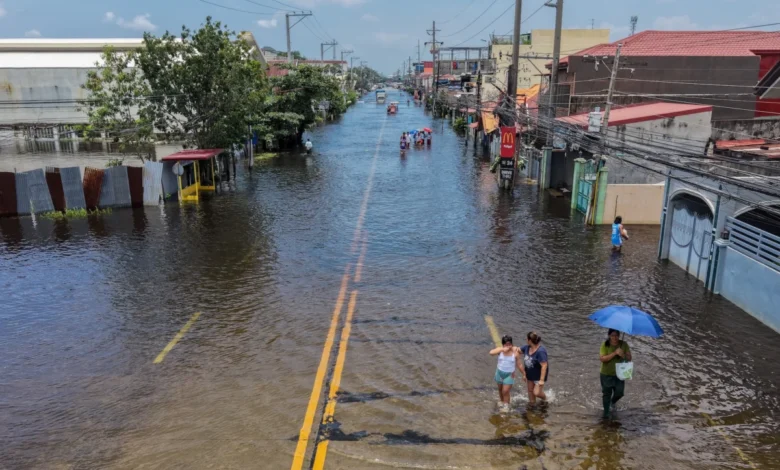
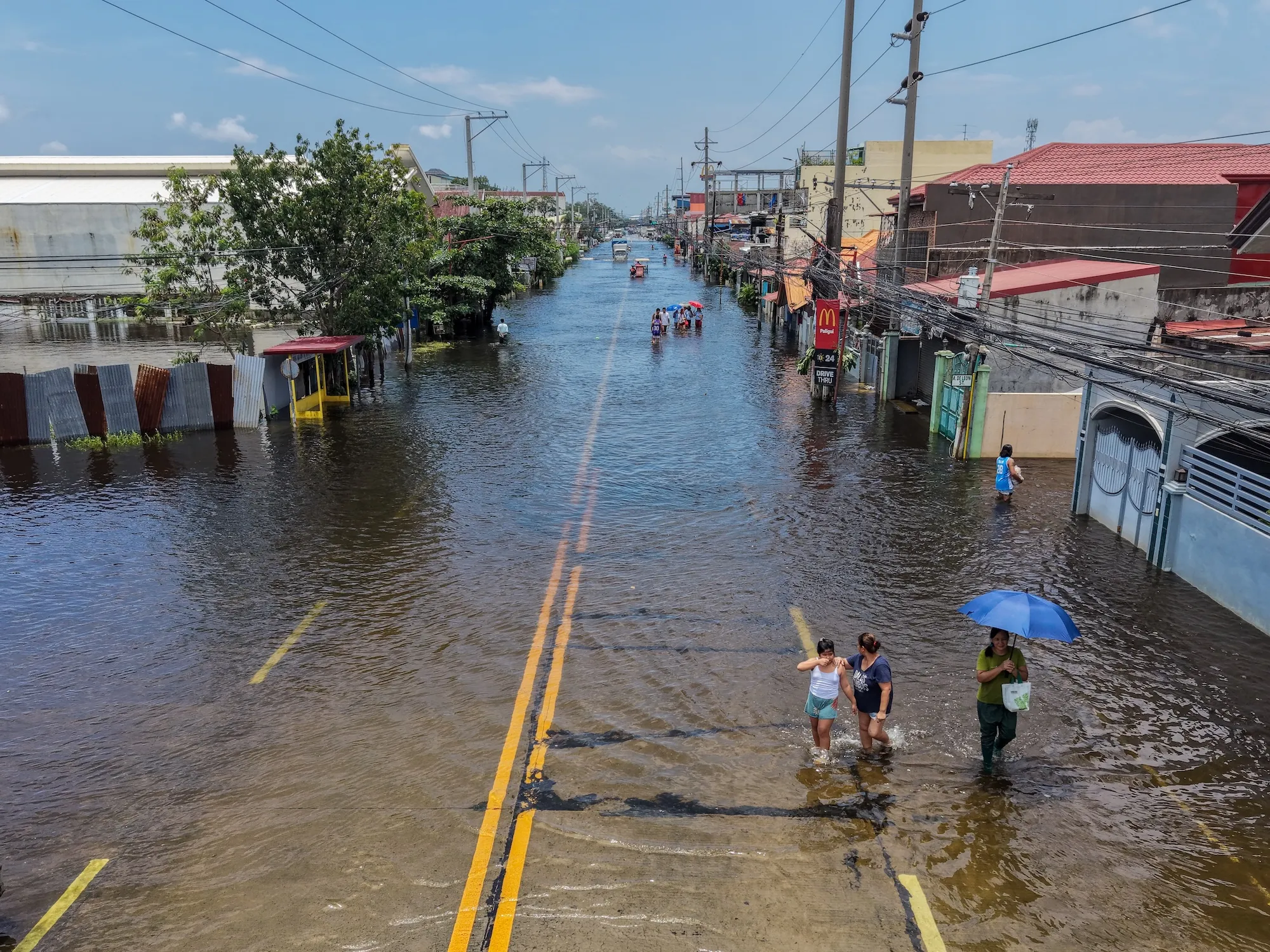
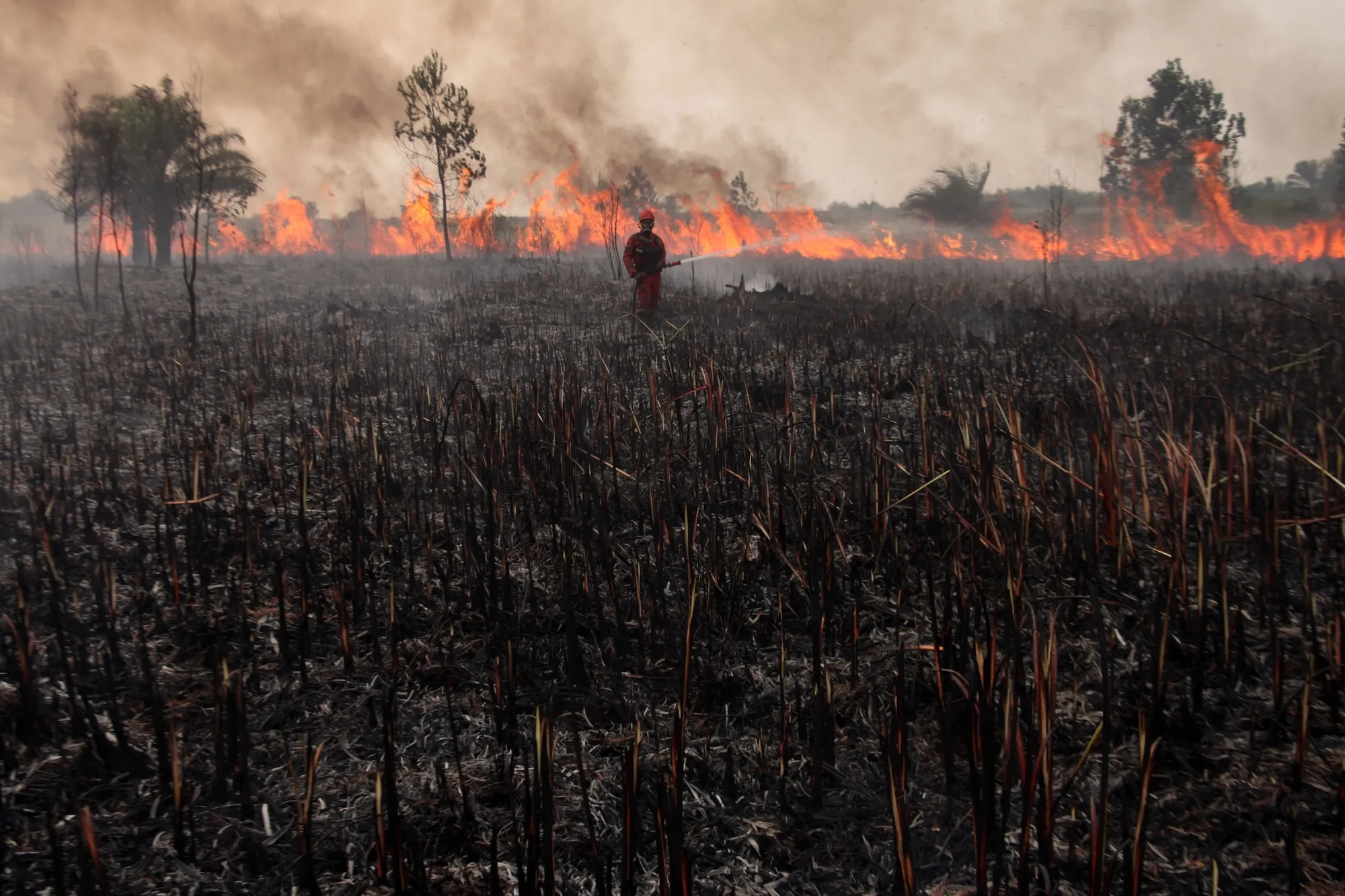
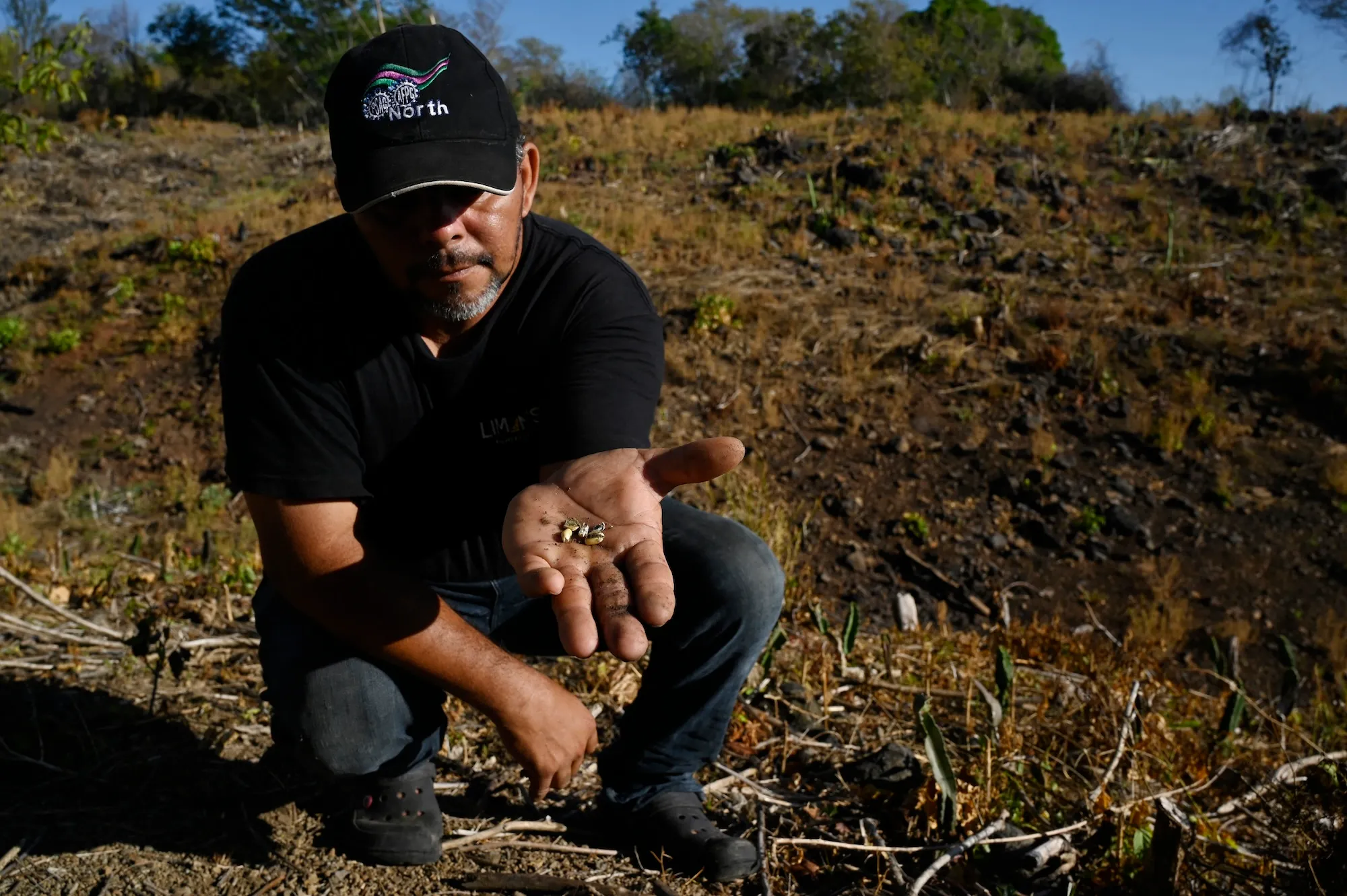
- September 2026: The intensity of the phenomenon prompted a shift in global discourse. In the Philippines, monsoon rains caused widespread flooding, while simultaneously, in Sri Lanka and Honduras, farmers reported catastrophic agricultural failures as drought conditions desiccated vital water sources.
- Late September 2026: California Governor Gavin Newsom issued a state of emergency, citing the need for immediate, proactive measures to protect infrastructure, including coastal defenses and emergency response systems, from the expected onslaught of severe storms and atmospheric rivers typically associated with strong El Niño cycles.
Quantifying the Human and Economic Toll
The implications of this climate event extend far beyond scientific metrics. Projections from international research bodies suggest that the ripple effects of this super El Niño could lead to as many as 451,000 heat-related deaths worldwide by February 2027. This mortality estimate accounts for both direct heat stress and the secondary effects of the phenomenon, such as the disruption of food security, the spread of waterborne diseases in flooded regions, and the collapse of local healthcare infrastructures in areas hit by extreme drought.
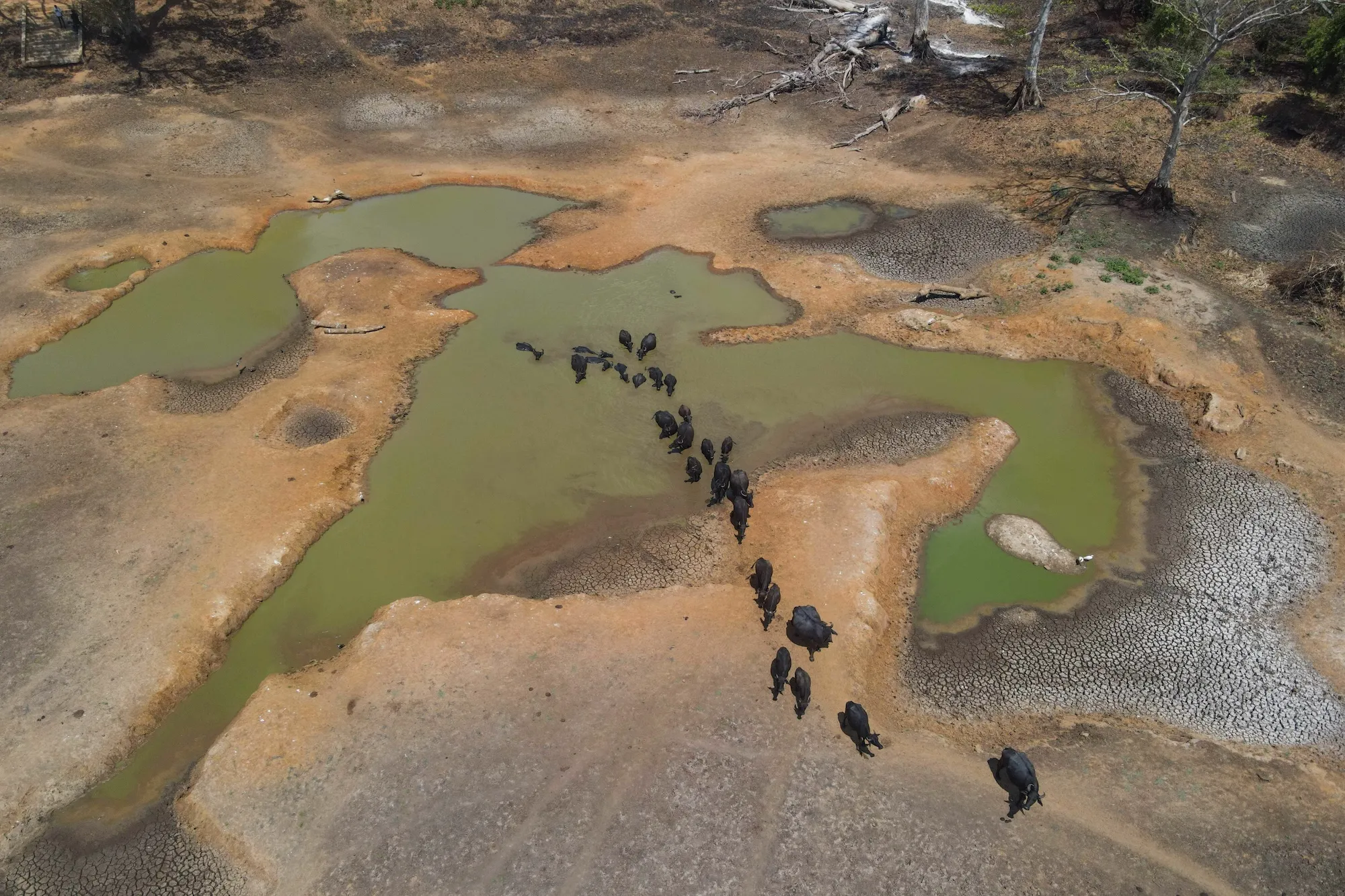
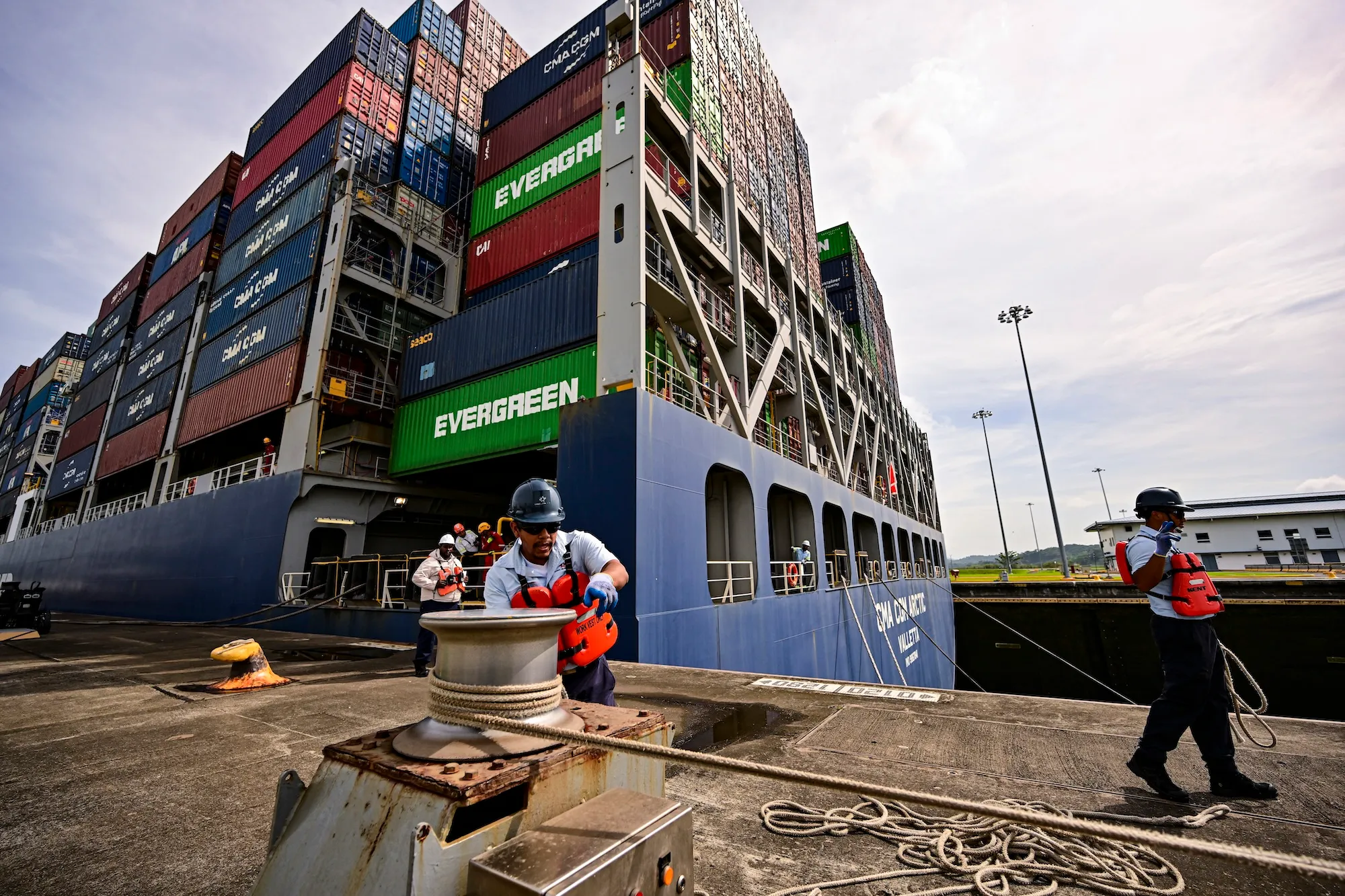
Economically, the "super" label is reflected in the volatility of global commodity markets. In regions where agriculture is the primary economic driver, such as parts of Central America and Southeast Asia, the combination of extreme drought and unexpected, torrential rainfall is threatening staple crop yields. For instance, in Honduras, corn harvests have already shown significant failure rates, leading to concerns regarding long-term food price stability. Furthermore, maritime logistics have been disrupted; the Panama Canal has already implemented reduced transit measures to conserve water, illustrating how climate-driven hydrologic changes can stifle international trade.
Scientific Perspectives on Labeling and Communication
The term "super El Niño" has sparked a debate within the scientific community regarding the efficacy of language in climate communication. While the label is not officially recognized by the National Oceanic and Atmospheric Administration (NOAA) or the World Meteorological Organization (WMO), its widespread adoption reflects a desperate need for the public to grasp the severity of the situation.
Dr. Jeffrey Shaman, a climatologist at the Columbia Climate School, notes that while the phrase is colloquial, it serves a functional purpose. "It is a way of communicating the sheer significance of this year’s likely unprecedented event to a general public that is increasingly fatigued by technical jargon," Shaman explained.
However, the use of such "amped-up" language carries risks. Jovana Vurdelja, an ecolinguistics researcher, warns that finding the right balance is difficult. If the language is too soft, it minimizes the threat; if it is too hyperbolic, it may induce a sense of fatalism or desensitization. Vurdelja suggests that "super" remains appropriate for now because it accurately conveys the magnitude of the event, but she cautions that if these events become the new normal, society will require an entirely new lexicon to describe the accelerating pace of climate instability.
Implications for the Future: A Decade Fast-Forwarded
Perhaps the most alarming aspect of the 2026 super El Niño is what it signifies for the future. Many climate scientists are viewing this event as a "fast-forward" button for the planet’s climate. High-end estimates suggest that the temperature spikes observed this year could mirror the average warming levels expected by the mid-2040s.
"It is going to be a very, very strong event occurring against a backdrop of very rapid global warming," says Christopher Callahan, a climate scientist at Indiana University. "I think we are going to, unfortunately, learn a lot this year."
The dual pressure of a naturally occurring super-event and the relentless rise of global mean temperatures due to fossil fuel emissions creates an environment where previous climate models are becoming increasingly obsolete. The question for policymakers is no longer whether they can prevent the effects of this specific El Niño, but how they can adapt to a reality where the baseline for "extreme" has been permanently shifted upward.
Preparing for the Unknown
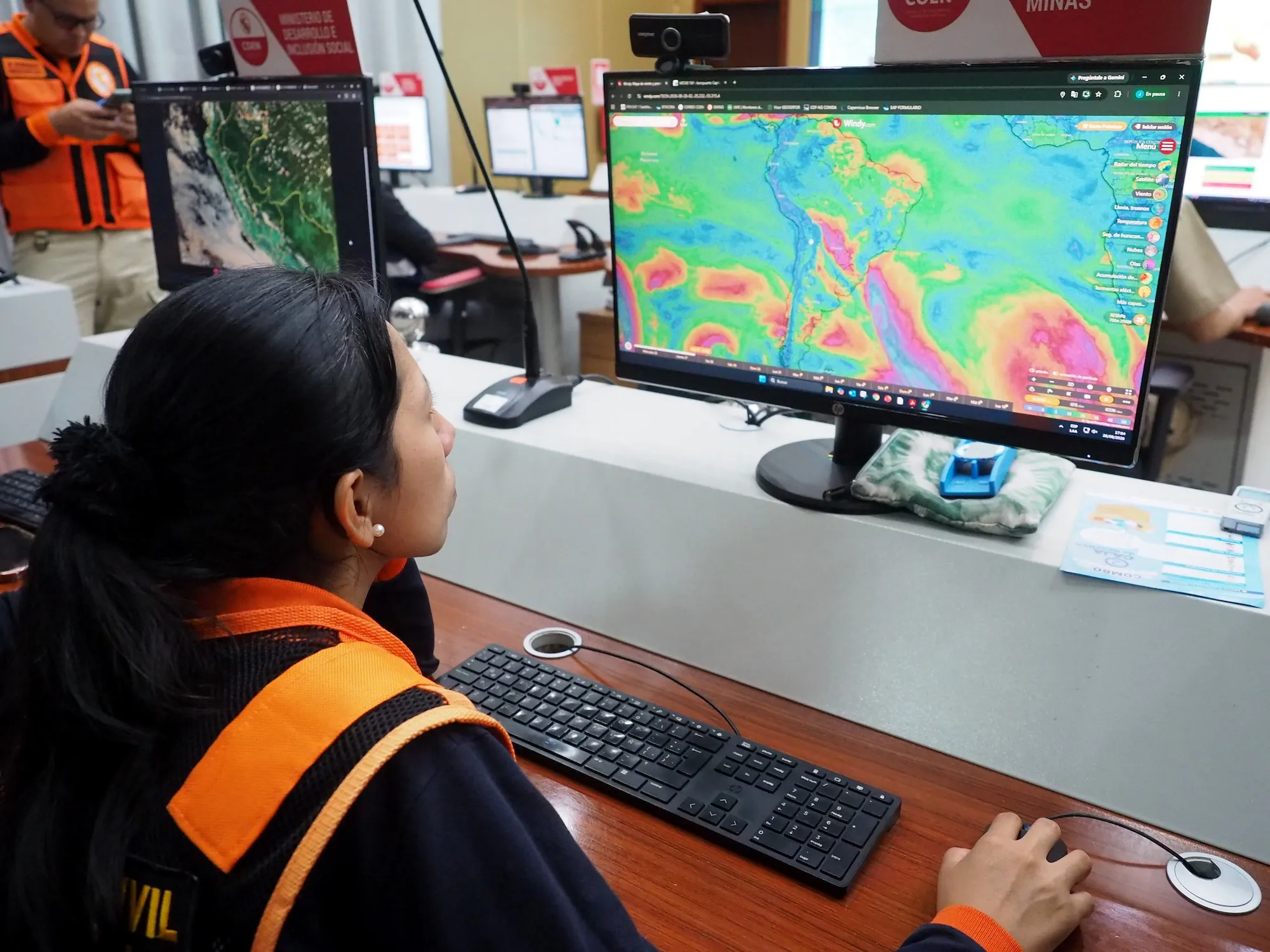
As the world heads into the peak months of the current cycle, the focus has shifted to resilience and adaptation. The declaration of states of emergency in the United States and the mobilization of disaster response drills in countries like Peru underscore the necessity of proactive governance.
Public health systems are being urged to prepare for heat waves and the potential for disease vectors to expand into new territories. Energy sectors, particularly those reliant on hydropower, are facing the reality of volatile water supplies. The 2026 super El Niño is not merely a weather event to be tracked; it is a stress test for the global community. Whether this leads to a meaningful, systemic pivot in how the world addresses climate change or remains a temporary catalyst for localized disaster management remains the central uncertainty of the coming year. As scientists continue to monitor the Pacific, the consensus remains that the world is entering a new, more volatile era of climate history, and the language used to describe it—from "super" to "Godzilla"—is only the beginning of a conversation about how to survive it.