Unprecedented March Heat Wave Shatters Records Across the American West Raising Alarms Over Ecosystem Resilience and Climate Acceleration

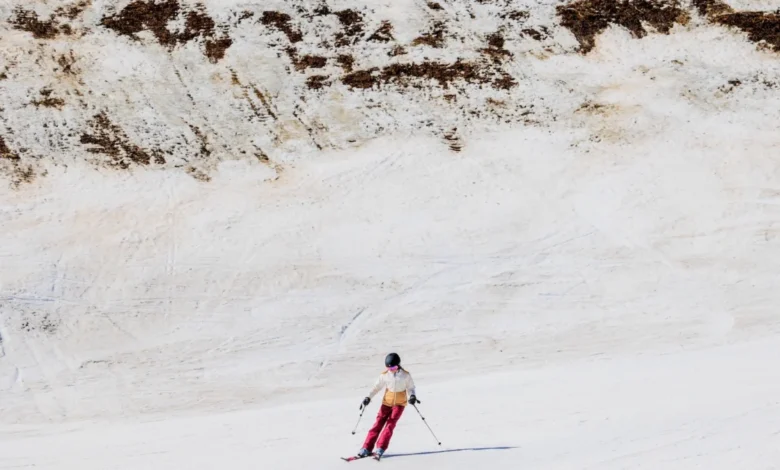
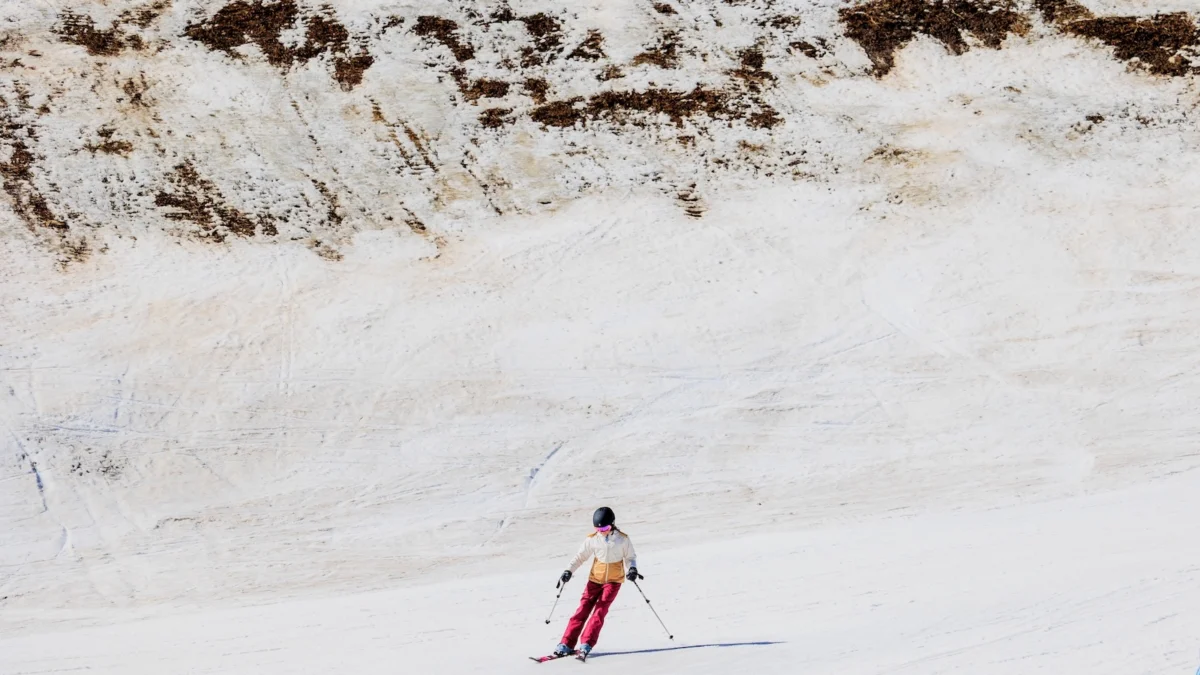
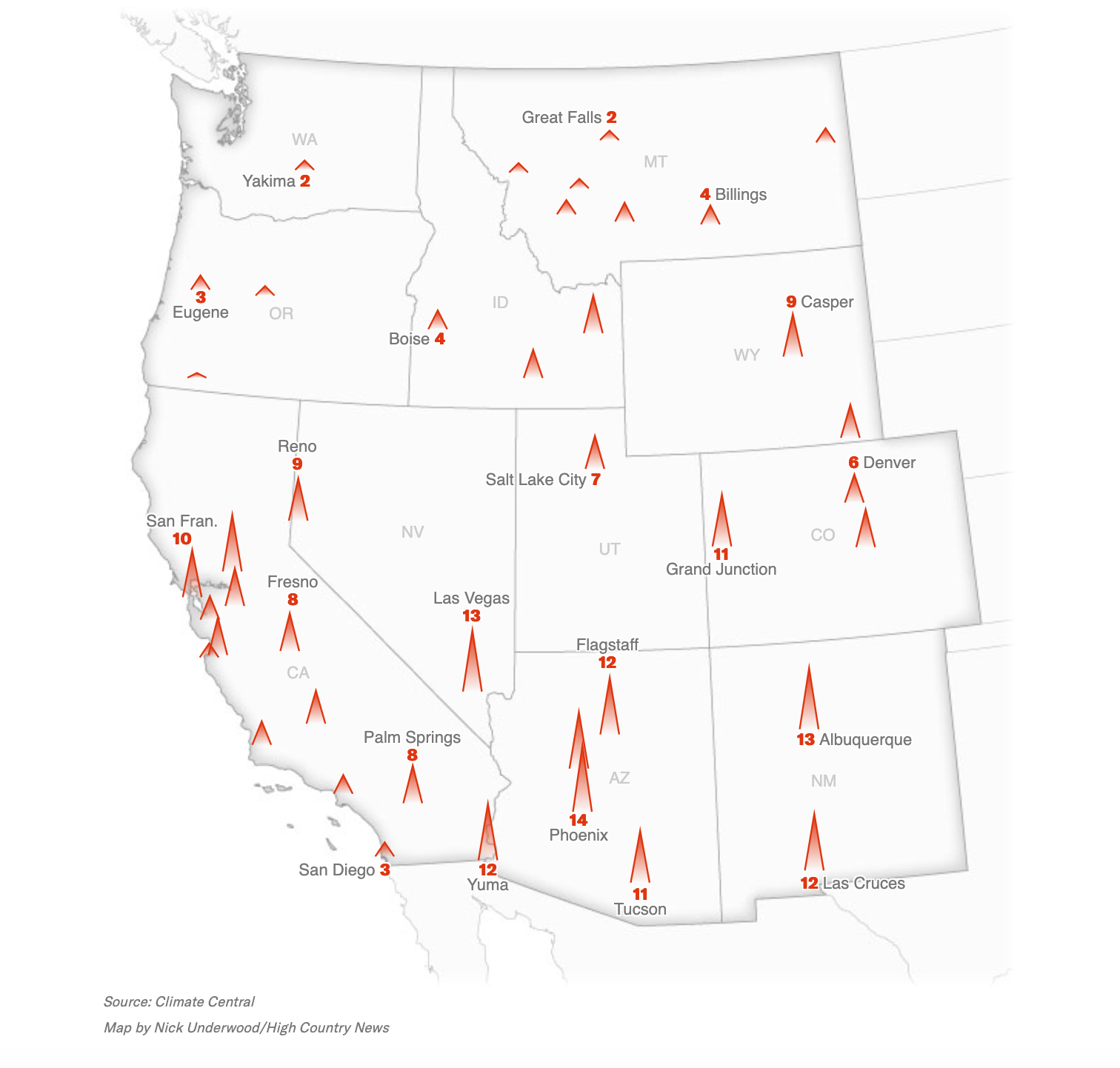
The American West is currently grappling with the aftermath of a meteorological event that has defied historical precedents and challenged the current understanding of seasonal transitions. In March 2026, a month traditionally characterized by the accumulation of mountain snowpacks and the lingering chill of winter, an intense and persistent heat wave settled over a vast corridor of the United States. From the arid deserts of Tucson, Arizona, to the high plains of Casper, Wyoming, temperature records were not merely broken but decimated. This unseasonable surge in temperature has prompted climate scientists to issue urgent warnings regarding the long-term stability of Western ecosystems, which are already reeling from a decade of aridification and rising baseline temperatures.
The sheer intensity of this event, coupled with its early arrival in the calendar year, has sent shockwaves through the scientific community. Climatologists note that the Earth’s atmospheric systems typically require a specific set of high-energy conditions to produce such extreme heat—conditions that are rarely present in early spring. Daniel Swain, a prominent climatologist with the University of California Agriculture and Natural Resources, observed that the atmospheric mechanics required to generate these temperatures so early in the season are exceptionally rare, suggesting a fundamental shift in the regional climate profile. The event has transitioned from a statistical outlier to a harbinger of a "new normal" where the boundaries between seasons are increasingly blurred.
A Chronology of the March 2026 Heat Event
The heat wave began to manifest in early March, as a high-pressure ridge—often referred to as a "heat dome"—became stationary over the Southwest. By mid-month, the system had expanded northward and eastward, encompassing the Great Basin and the Rocky Mountain regions. For nearly two weeks, temperatures remained stalled at levels more characteristic of late May or early June.
In Tucson, Arizona, the mercury climbed into territory usually reserved for the approach of summer, while in Casper, Wyoming, residents experienced a thermal environment that bypassed the typical spring thaw entirely. According to Zachary Labe, a climate scientist at Climate Central, the duration of the event was as significant as its peak intensity. The persistence of the high-pressure system prevented the usual influx of cooler Pacific air, creating a feedback loop of warming soil and rising ambient air temperatures.
By the time the system finally dissipated in late March, dozens of cities had recorded their hottest March days in history. More alarmingly, many locations saw temperatures that exceeded their all-time records for the month of May, effectively skipping two months of the ecological calendar. This rapid transition from winter to summer-like conditions has left flora and fauna with little time to adapt, creating a "phenological mismatch" that could have cascading effects throughout the food chain.
Supporting Data: The Climate Change Connection
While heat waves are a natural component of the Earth’s weather patterns, researchers at Climate Central and other institutions have concluded that an event of this magnitude and timing would have been virtually impossible without the influence of anthropogenic climate change. The "Climate Shift Index," a tool used to quantify the influence of global warming on daily weather, indicated that the March heat wave was made at least five times more likely due to the accumulated greenhouse gases in the atmosphere.
Data from the 2026 event shows a disturbing trend in the frequency of "compound extremes"—events where heat waves coincide with existing drought conditions. The West had already experienced a record-breaking hot and dry winter, with snowpack levels in the Sierra Nevada and the Rockies falling to some of their lowest levels in a century. The March heat wave acted as a "thermal exclamation point" on an already catastrophic season, accelerating the sublimation of what little snow remained and depriving watersheds of the gradual spring melt necessary for reservoir replenishment and river health.
Lessons from the 2021 Pacific Northwest Heat Dome
To understand the potential fallout of the 2026 event, scientists are looking back at the 2021 Pacific Northwest heat dome. During that event, temperatures in parts of British Columbia, Washington, and Oregon reached a staggering 121 degrees Fahrenheit. The immediate ecological toll was grim: tens of thousands of trees perished, and millions of marine invertebrates, such as mussels and barnacles, were essentially cooked alive in their shells along the rocky intertidal zones.
Julia Baum, a professor at the University of Victoria, has spent years documenting the long-term recovery—or lack thereof—following the 2021 disaster. Her research indicates that more than 75 percent of the species surveyed in the impact zone suffered significant harm, ranging from immediate mortality to long-term reproductive failure. The most vulnerable were "sessile" organisms—those unable to move to find shade or cooler water.
The 2026 March heat wave, while perhaps not reaching the 120-degree peaks of the 2021 event, presents a different kind of threat: timing. Because the heat arrived while many species were in delicate stages of their life cycles, the biological "insult" may be more profound. In 2021, the heat struck in June, when many plants had already undergone some degree of "heat hardening." In March 2026, however, many species were caught in a state of winter dormancy or early spring vulnerability.
Impact on Forestry and Botanical Resilience
The forestry sector is particularly concerned about the lack of "heat hardening" in Western timberlands. Christopher Still, a forest ecology professor at Oregon State University, explains that young leaves and needles possess fatty membranes that can melt when subjected to extreme, unseasonable heat. Furthermore, plants develop specialized proteins to stabilize their cellular structures as the summer progresses. When a heat wave strikes in March, these protective mechanisms are absent.
In the wake of previous heat events, researchers like Adam Sibley have observed "orange snow" in the coastal forests—a phenomenon where billions of desiccated needles turn brittle and fall simultaneously, carpeting the forest floor. While mature Douglas firs are often resilient enough to survive a single lost growing season, more moisture-dependent species like the Sitka spruce and the Western red cedar are facing an existential crisis. These species are increasingly unable to cope with the "vapor pressure deficit"—a measure of how dry the air is and how much moisture it sucks out of the vegetation.
In the Southwest, the impact on desert flora has been somewhat mitigated by the unique evolutionary strategies of succulents and cacti. Osvaldo Sala of Arizona State University’s Global Drylands Center notes that many desert plants tie their growth cycles to rainfall rather than temperature. Because the winter was so dry, many plants remained dormant during the March heat wave, effectively "sleeping" through the thermal spike. However, this offers little comfort for the broader region, as the heat has forced other plants, such as cherry trees in the mountain West, into premature blooms. These early blossoms are now highly susceptible to "false springs"—subsequent frosts that can kill the fruit crop for the entire year.
Wildlife Behavioral Shifts and Mortality
The animal kingdom has also shown signs of distress. During the 2021 event, baby birds were observed leaping from nests in a desperate attempt to escape the heat, often falling to their deaths. In 2026, biologists are monitoring similar behavioral shifts. Predators such as the ferruginous hawk have been observed drastically reducing their flight time to avoid overheating, while wolves and other large mammals have been forced to alter their hunting patterns, seeking out the deepest shade and moving only during the coolest parts of the night.
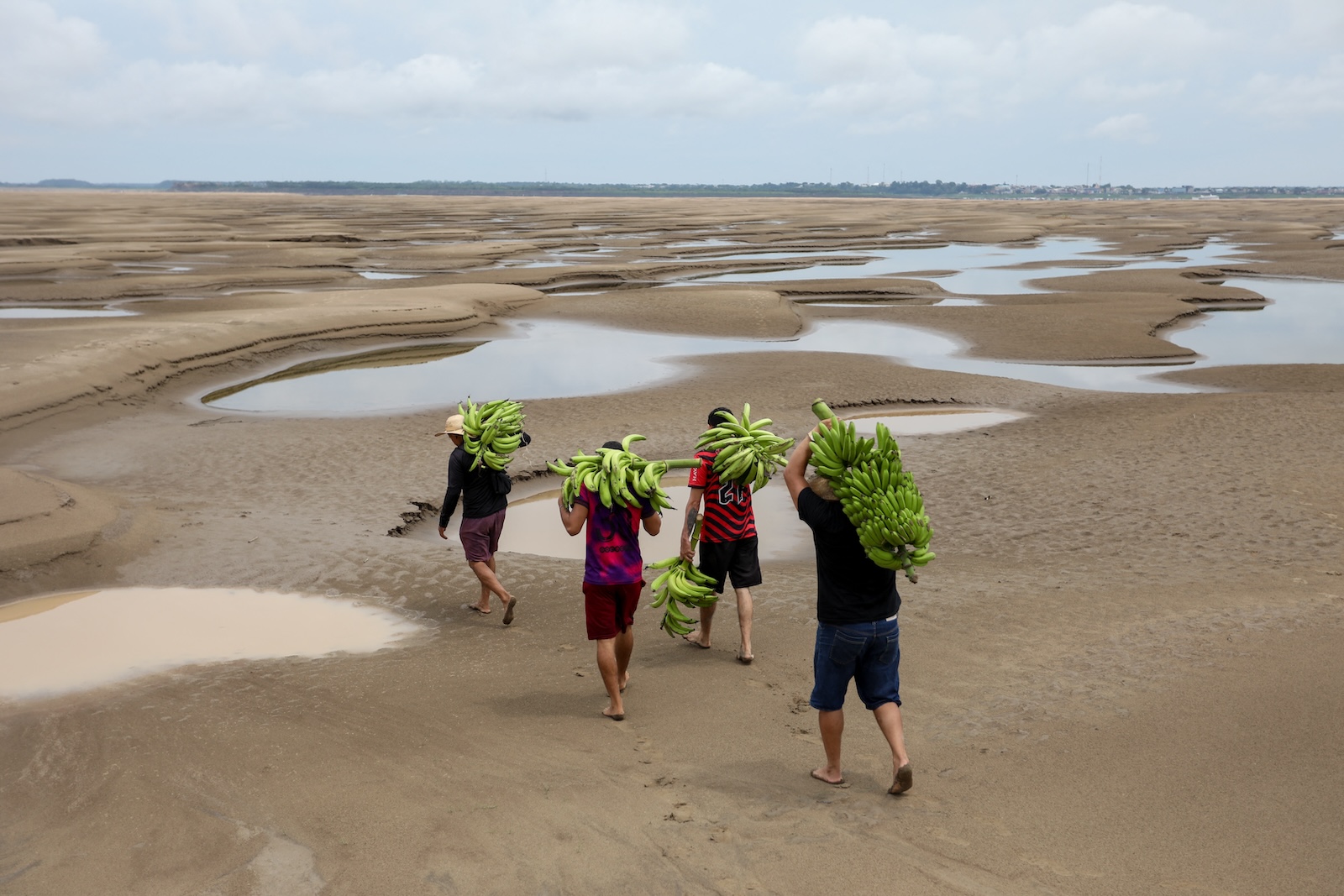
Aquatic ecosystems are perhaps the most at risk. Salmon and trout, which require cold, oxygen-rich water to survive, face "thermal barriers" when river temperatures spike. Even a brief period of extreme heat can cause mass die-offs in small streams, particularly when water levels are already low due to the lack of snowpack.
Broader Implications and the Path Forward
The ramifications of the March 2026 heat wave extend far beyond ecology. The rapid drying of grasses and fine fuels so early in the year has set the stage for an elongated and potentially more explosive wildfire season. When the "fuel moisture" in forests and grasslands drops to critical levels in the spring, the window for traditional prescribed burning closes, and the risk of lightning-ignited megafires increases.
Furthermore, the "snow drought" exacerbated by this heat wave poses a direct threat to the water security of millions of Americans. The Colorado River and other vital arteries of the West rely on the slow release of mountain snow. When that snow is replaced by early-season heat, the water either evaporates or runs off too quickly to be captured effectively by the existing infrastructure.
As scientists continue to analyze the data from this record-shattering March, the consensus is clear: the ecological buffers that once protected the West from seasonal extremes are thinning. The 2026 heat wave is a stark reminder that climate change is not a future threat but a current reality that is actively reshaping the biological and physical landscape of the continent. Understanding these ramifications is no longer just an academic exercise; it is a requirement for the survival of the West’s most iconic species and the human communities that depend on them.