Abbey Road Studios Announces Winners of the Fifth Annual Music Photography Awards in London

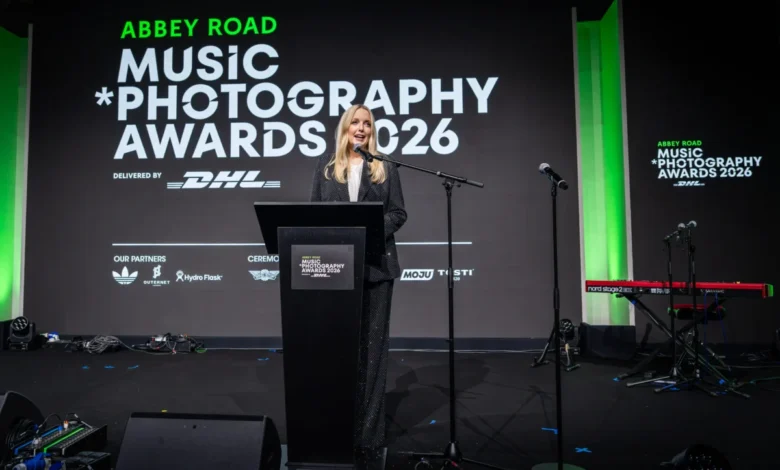
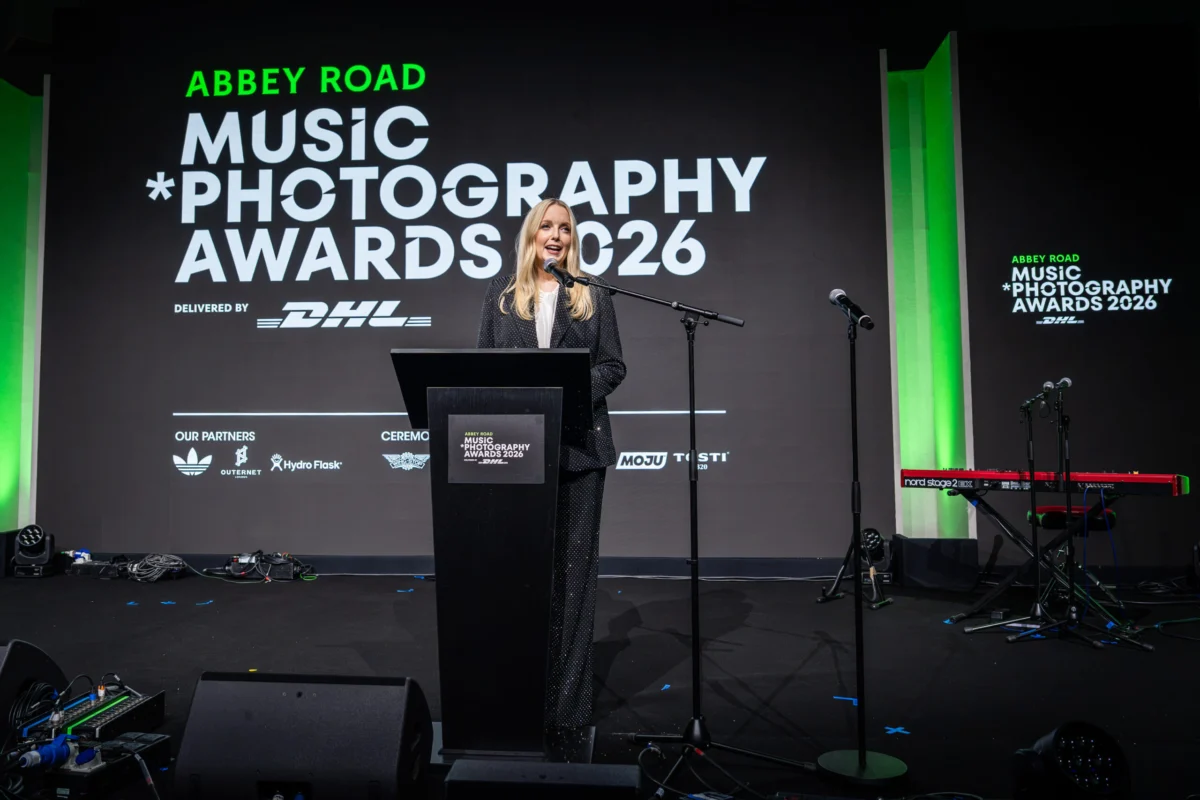
The prestigious Abbey Road Music Photography Awards (MPAs) reached a significant milestone last night, hosting its fifth annual ceremony in London to honor the photographers who transform fleeting musical performances into enduring cultural artifacts. As the global music industry continues to lean heavily on visual storytelling, the 2026 MPAs underscored the evolving intersection between sound and image, announcing a diverse roster of winners who captured everything from the resurgence of iconic rock legends to the raw intensity of underground dance scenes.
The ceremony, which has firmly established itself as the preeminent global event for music photography since its inception in 2022, saw a record-breaking surge in participation. Organizers confirmed that this year’s competition drew over 24,500 submissions from 40 different countries, reflecting a 25 percent increase in volume compared to the previous year. This growth highlights the rising accessibility of professional-grade imaging technology and the continued significance of the live music experience in a post-pandemic world.
A Night of Recognition and Legacy
The evening was headlined by the presentation of the Lifetime Achievement Award to the legendary Japanese photographer Masayoshi Sukita. A pioneer of the industry, Sukita is perhaps best known for his four-decade-long creative partnership with David Bowie. His lens famously captured the cover art for the 1977 album Heroes, an image that remains one of the most recognizable portraits in music history. Beyond his work with Bowie, Sukita’s portfolio is a definitive catalog of late 20th-century music, featuring seminal figures such as Iggy Pop, Marc Bolan, Joe Strummer, and the Yellow Magic Orchestra. Due to his inability to attend, the award was accepted on his behalf by legendary producer and musician Nile Rodgers.
Complementing the Lifetime Achievement honor was the presentation of the ICON award to American photographer Roberta Bayley. A central figure in the documentation of the 1970s punk explosion, Bayley’s work is synonymous with the grit and rebellion of the CBGB era. Her photographs of the Ramones, Debbie Harry, The Clash, and the Sex Pistols provided a visual identity for a genre that was often ignored by mainstream media at the time. The award was accepted by world-renowned photographer Platon, who paid tribute to Bayley’s ability to find humanity within the chaotic energy of the punk scene.

Celebrating the Contemporary Lens
While the awards honored historical titans, the core of the ceremony focused on the photographers actively shaping the visual language of today’s music landscape. The most anticipated category, Music Moment of the Year, was awarded to Joshua Halling. His winning entry captured a visceral, high-energy scene of Oasis fans during the band’s 2025 reunion tour in Buenos Aires. The image serves as a potent reminder of the power of music to mobilize global audiences, acting as a visual testament to the cultural weight of the Oasis comeback.
The category winners represented a wide breadth of technical skill and artistic vision:
- Behind the Scenes: Gabrielle Ravet
- Live Music: Tom Pallant
- Portrait: Frances Carter
- Underground Scenes: AF Cortés
- Festivals: Giulia Spadafora
- Emerging Photographer of the Year: Dara Petrova, recognized for her atmospheric and haunting documentation of the Laboratorium techno rave in Ukraine.
The Judges’ Choice award, which often reflects the artistic sentiment of the panel, was bestowed upon Angus Jenner for his candid shot of Oasis taken during the opening night of their high-profile reunion tour. Additionally, Wayne Large was recognized in the 50 Years of Punk category for a historical archival piece capturing punk musicians in Leicester’s Castle Gardens Park in 1979, providing a bridge between the genre’s origins and its modern legacy.
The Judging Process and Institutional Standards
The selection process for the 2026 awards was overseen by a panel of industry veterans and creative leaders. Led by the celebrated British photographer and filmmaker Rankin, the jury included luminaries such as Nile Rodgers, Raye, Damiano David, Platon, Dean Chalkley, Dennis Morris, Kid Harpoon, Lily Fontaine, Jackie Lee Young, Hikaru Utada, and Simon Wheatley.
The involvement of such a diverse panel ensures that the awards remain relevant across different genres, from pop and electronic to punk and rock. Sacha Lecca, Rolling Stone’s own Chief Shortlister and Global Ambassador for the awards, was himself a nominee in the Judges’ Choice category for his documentation of FKA twigs at the 2025 Ladyland Festival. His dual role as both a nominee and an administrator underscores the interconnected nature of the professional music photography community.

Institutional Perspective: Abbey Road Studios
The event was hosted by broadcaster Lauren Laverne and featured live performances from Kuleeangee and Tom A. Smith, emphasizing the symbiotic relationship between the sound recorded within the studio’s walls and the imagery captured at the venue.
Sally Davies, managing director of Abbey Road Studios, issued a formal statement reflecting on the significance of the event. "Last night’s Abbey Road Music Photography Awards was a wonderful celebration of the extraordinary talent, creativity, and craft of music photography," Davies said. "The standard of work was exceptional, and it was inspiring to see such a rich mix of perspectives and voices from photographers across the globe."
Davies further articulated the studio’s mission, noting that the MPAs were designed to bridge the gap between the music industry’s commercial requirements and the artistic expression of independent photographers. "Abbey Road has always been a place where music, creativity, and culture come together, so it feels very special to have created a platform that celebrates the photographers who capture that world through their own unique lens. The greatest music photography does so much more than document a moment—it captures something of the artist, the audience, and the time we’re living in. These are the images that become part of our shared cultural memory."
Broader Impact and Industry Implications
The success of the 2026 MPAs points to a broader trend in the music industry: the increasing reliance on high-quality, authentic visual content to maintain artist engagement in an era of social media saturation. As streaming services and platforms like TikTok prioritize visual assets, the role of the music photographer has shifted from a niche occupation to a critical component of an artist’s branding strategy.
The shift toward documenting "Underground Scenes" and "Emerging" talent—as seen in the success of Dara Petrova—indicates that the industry is also placing a higher value on grassroots and subcultural documentation. This is a departure from the traditional focus on superstar portraiture, suggesting a more democratic approach to music history. By incentivizing photographers to cover smaller, regional, or niche scenes, Abbey Road Studios is effectively preserving the cultural history of movements that might otherwise disappear without a digital footprint.

Furthermore, the surge in entries from 40 countries demonstrates that music photography has become a truly global endeavor. The ability to document a techno rave in Ukraine or a massive stadium show in Argentina indicates that the language of music photography is universal, transcending geographical and political boundaries.
Conclusion
As the Abbey Road Music Photography Awards concludes its fifth year, it has cemented itself as an essential institution for the music industry. By honoring the past with lifetime achievements and securing the future with emerging talent awards, the MPAs provide a comprehensive overview of how we view the music that defines our lives. For the winners, the recognition offers a platform for global exposure; for the industry, it provides a curated look at the individuals who continue to turn the ephemeral nature of a live concert into the permanent, iconic imagery of our collective cultural history. With submission numbers continuing to climb, the next installment of the MPAs in 2027 is poised to be an even more significant barometer for the state of visual artistry within the music world.
Related posts: