The Super El Nino of 2026 and the Cascading Crisis of Global Climate Instability

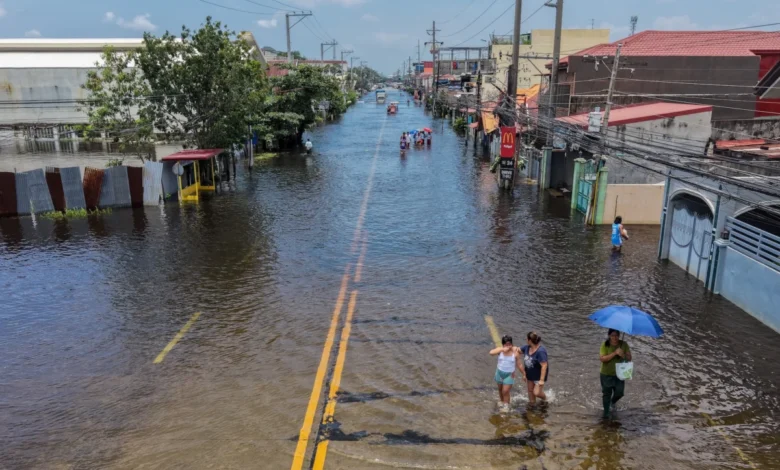
The current iteration of the El Niño-Southern Oscillation (ENSO) has shattered historical precedents, ushering in a period of climatic volatility that scientists describe as both unprecedented and deeply concerning. As global surface temperatures climb to record-breaking levels, this meteorological event has transcended traditional classification, earning the colloquial yet widely accepted moniker of a "super" El Niño. With California declaring a formal state of emergency to bolster infrastructure against impending flood risks and international health organizations projecting hundreds of thousands of heat-related fatalities, the global community faces a critical juncture in environmental management and climate adaptation.
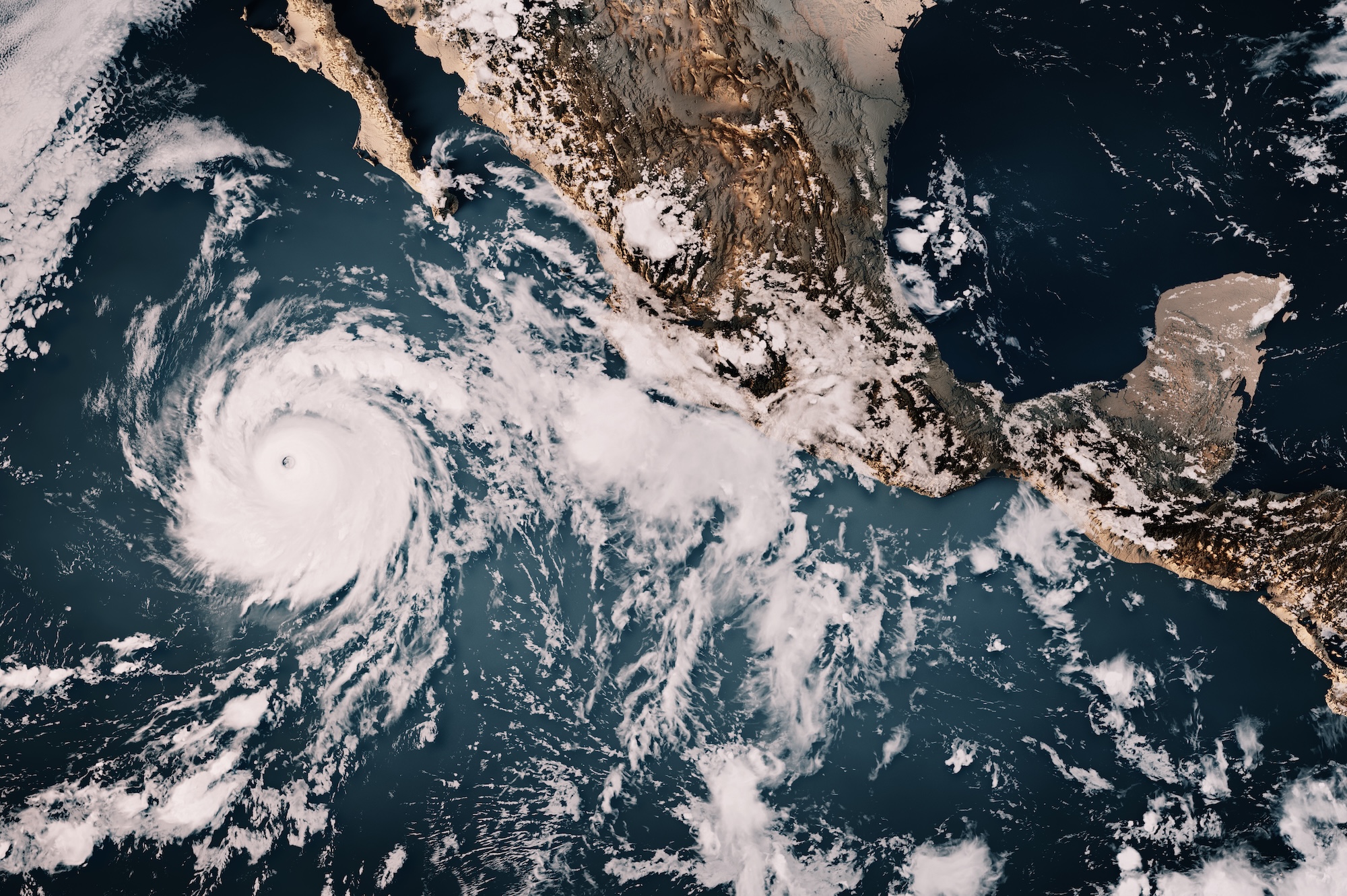
The phenomenon, characterized by a significant warming of sea surface temperatures in the central and eastern Pacific, is not merely a regional weather anomaly. It represents a fundamental disruption of global trade winds, triggering a domino effect that alters precipitation patterns, ocean currents, and temperature gradients across every continent. As of late September 2026, data from the National Oceanic and Atmospheric Administration (NOAA) and independent climate monitoring groups like Carbon Brief indicate that sea surface temperature anomalies in the key Niño 3.4 region have surged to 3.11 degrees Celsius above the historical average, eclipsing the previous peak set during the historic 2015 event.
A Chronology of Escalation
The development of the 2026 El Niño did not occur in a vacuum; it followed a sequence of oceanic warming that began early in the year. By the second quarter of 2026, atmospheric scientists noted a weakening of the Walker Circulation—the east-to-west tropical wind pattern that typically pulls warm water toward Indonesia and Australia. As these trade winds slackened and occasionally reversed, the warm surface pool of the Pacific migrated toward the Americas.
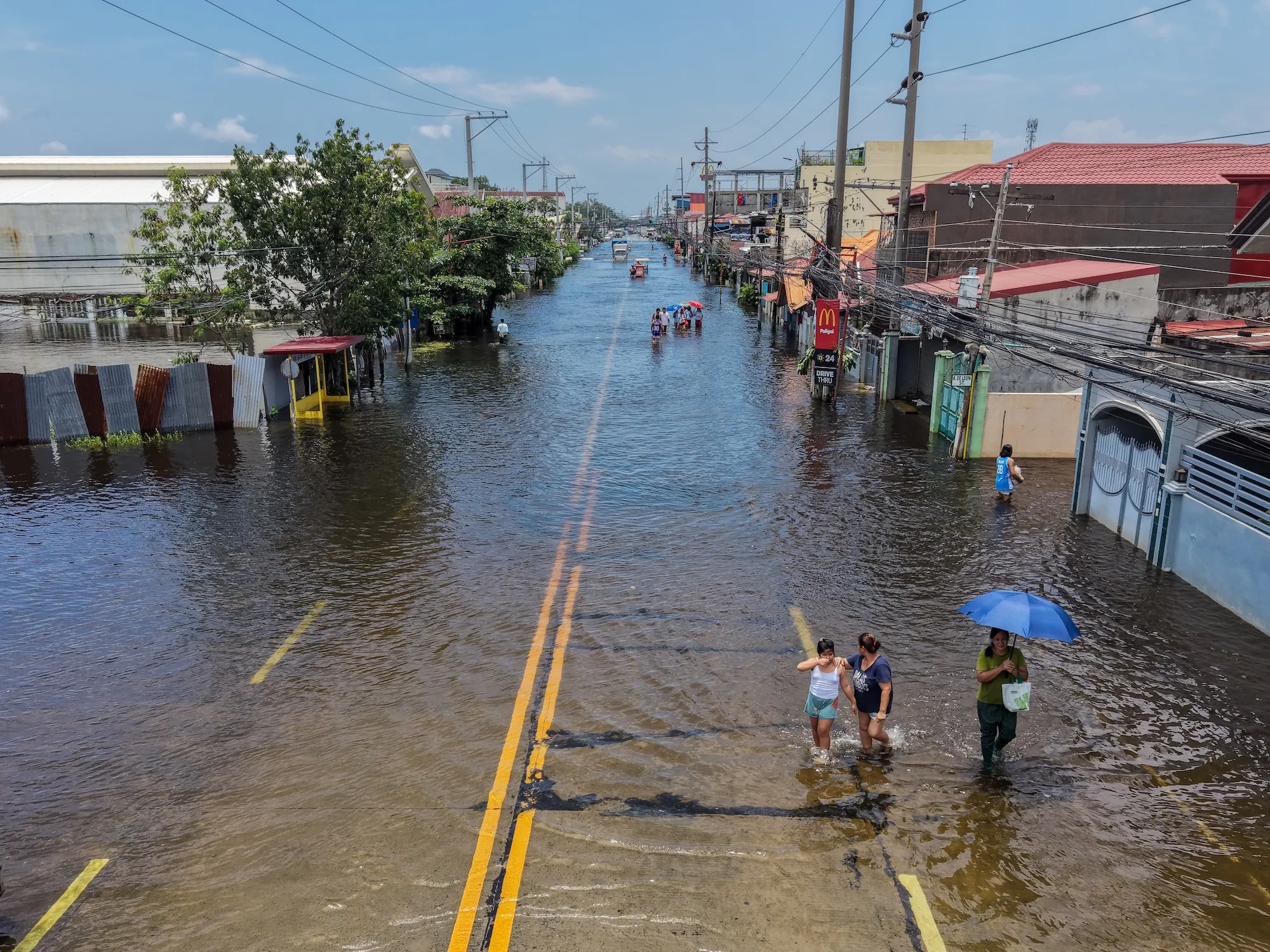
By June, the warming trend surpassed the threshold for a "very strong" event. By mid-August, climate models were consistently showing that the warming would not follow the typical seasonal cooling pattern. Instead, persistent marine heatwaves intensified throughout July and August, creating a feedback loop that locked the Pacific into a state of extreme thermal anomaly. On September 21, 2026, the Governor of California, Gavin Newsom, signed an emergency proclamation, citing the high probability of catastrophic atmospheric river events, severe coastal erosion, and infrastructure failure, marking the first time a major U.S. state has pre-emptively mobilized on such a scale specifically for an El Niño event.
Scientific Classification and the Language of Crisis
In the scientific community, the term "super El Niño" remains an informal descriptor. Officially, organizations like the World Meteorological Organization (WMO) categorize events based on the Niño 3.4 index, where an anomaly of 0.5 degrees Celsius constitutes an El Niño, 1.0 is moderate, 1.5 is strong, and 2.0 is classified as very strong. The 2026 event’s deviation of over 3 degrees represents a statistical outlier that challenges existing nomenclature.
The evolution of this terminology reflects the growing difficulty in communicating extreme climate data to the public. Ecolinguistics researchers have noted that as the frequency of "once-in-a-generation" events increases, the vocabulary used to describe them undergoes a process of inflation. Where researchers once spoke of "strong" events, they are now forced to adopt terms like "super," "monster," or even "Godzilla" to convey the severity of the threat. This linguistic shift is not merely for headlines; it is a desperate attempt to bridge the gap between abstract climate data and the tangible, life-threatening reality of modern climate change.
Implications for Global Public Health and Agriculture
The human cost of this event is projected to be staggering. Epidemiological studies focusing on the intersection of extreme heat and high humidity—the "wet-bulb" effect—suggest that the surge in global mean surface temperatures could be linked to as many as 451,000 excess deaths over the six-month period ending in February 2027. Vulnerable populations in equatorial regions, particularly those in Southeast Asia and parts of South America, are at the highest risk, as the combination of extreme heat and disrupted seasonal rainfall threatens both food security and basic survival.
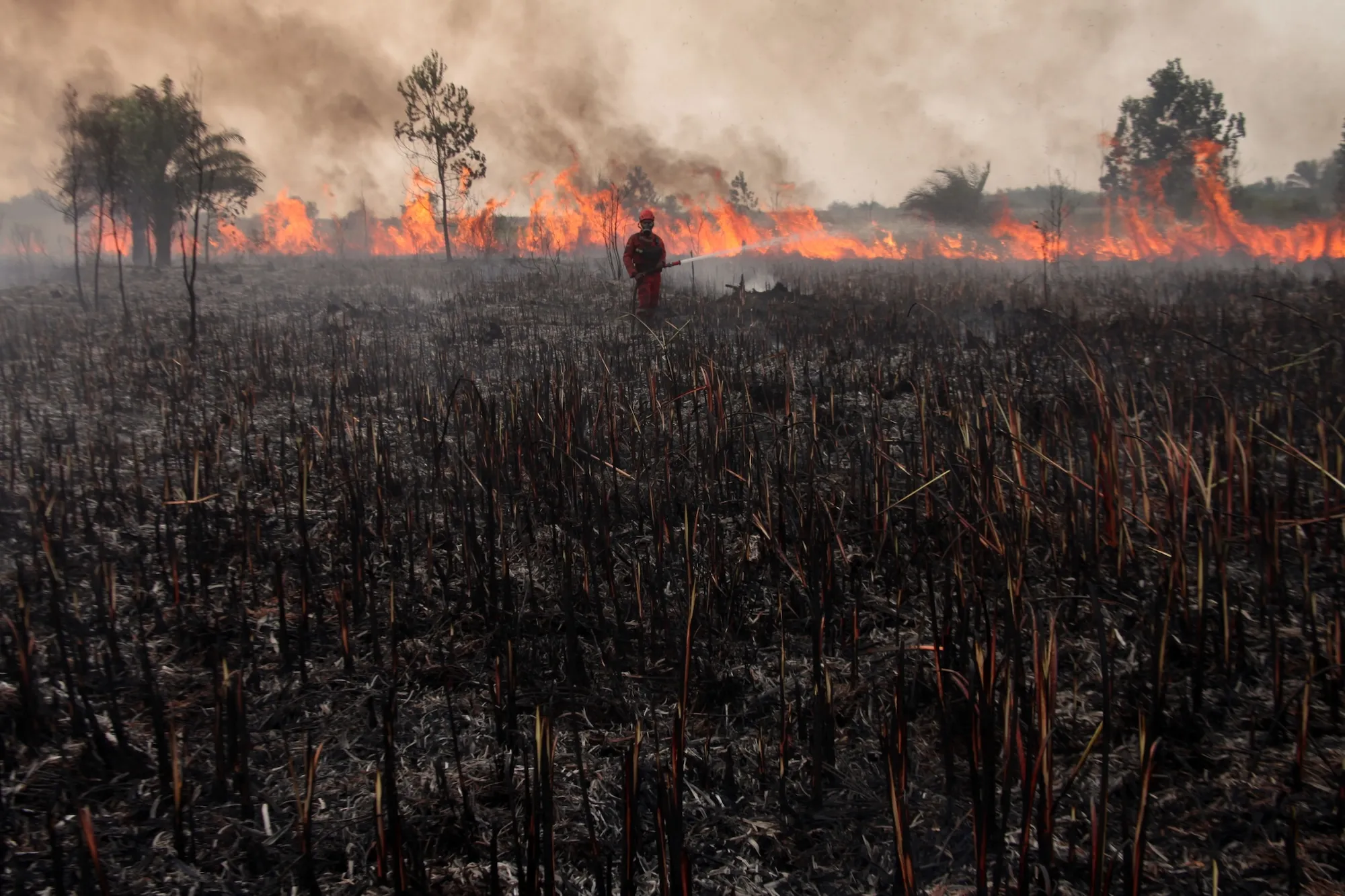
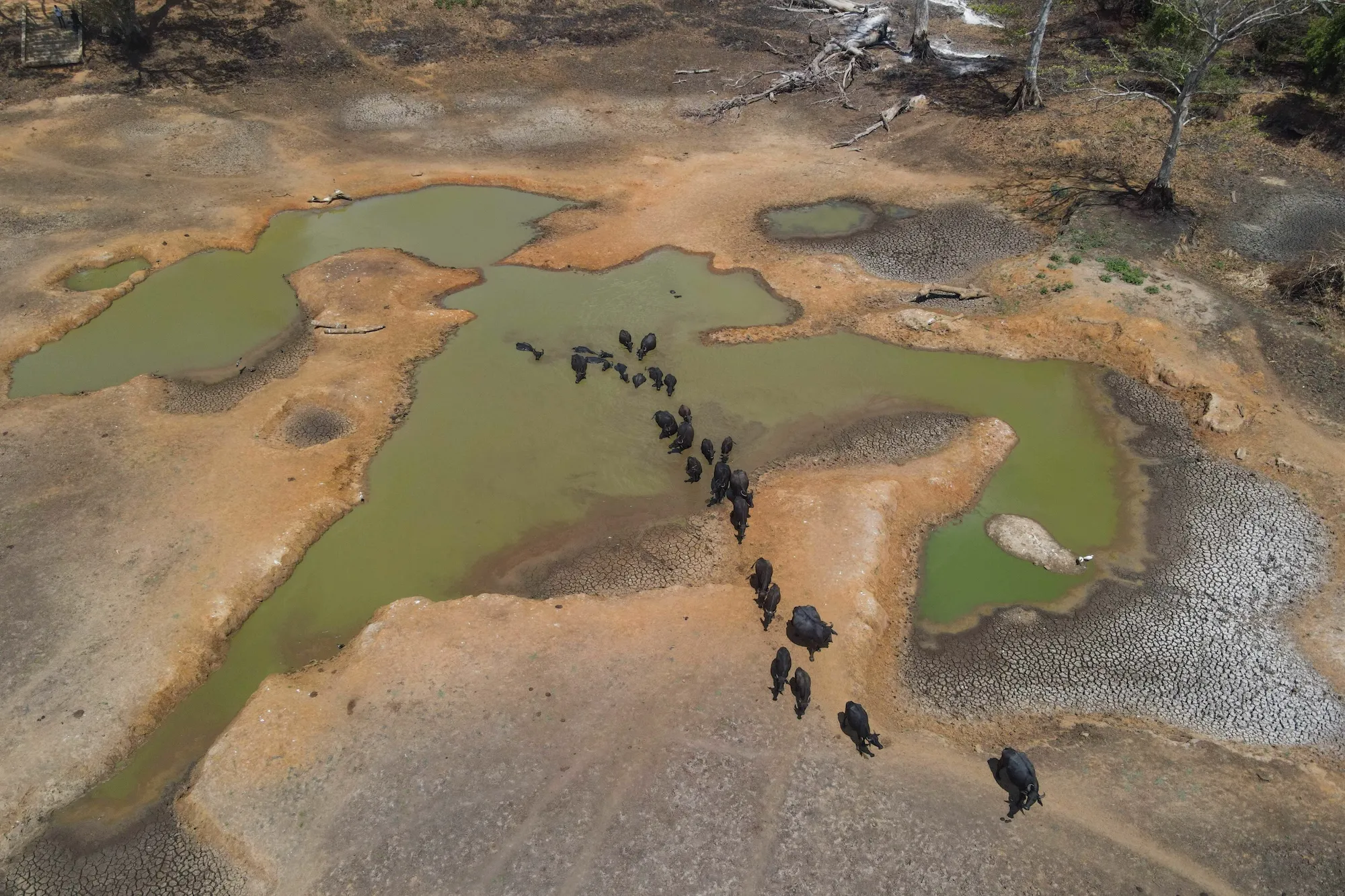
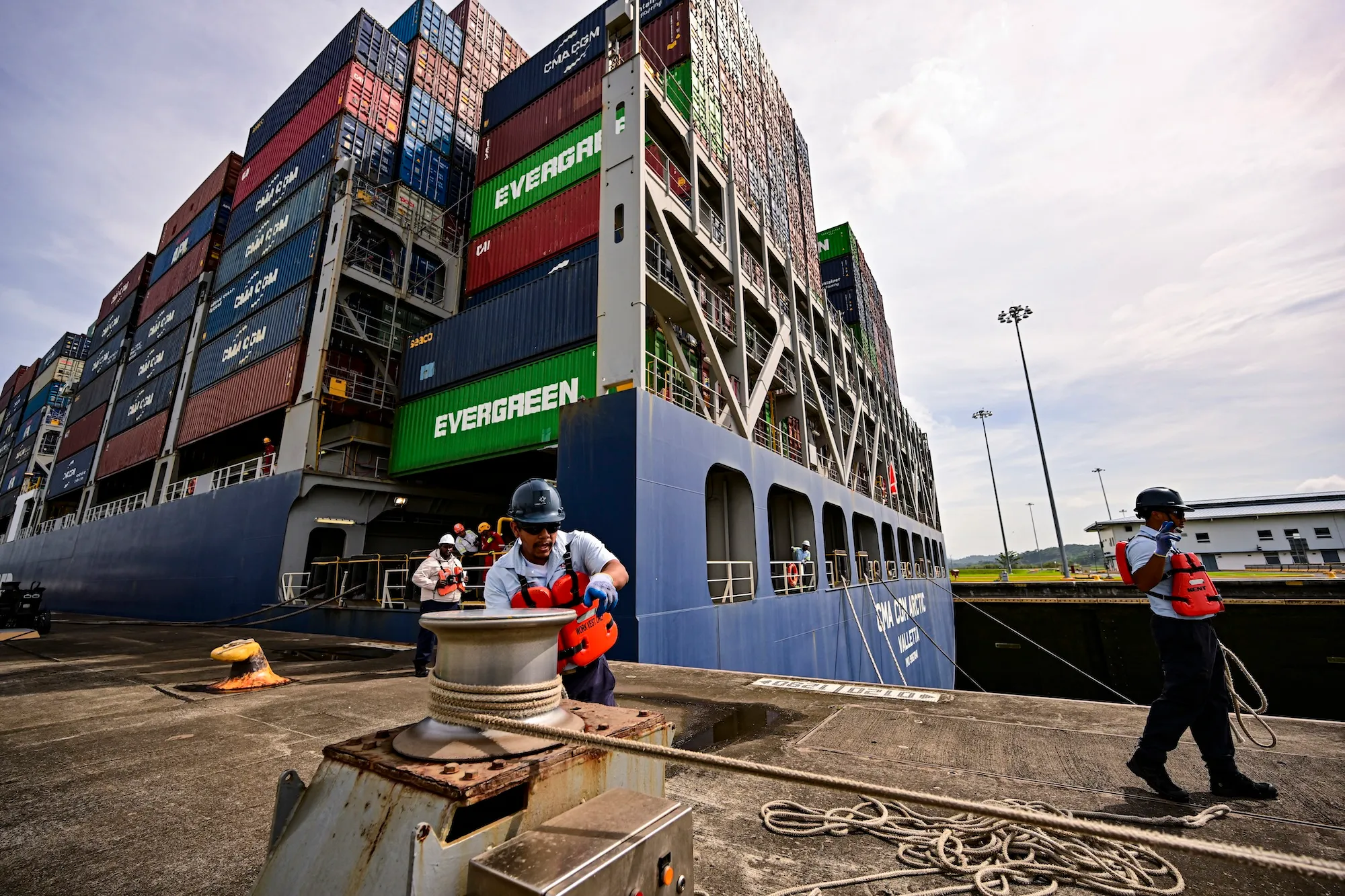
Agriculture is perhaps the most immediate sector to feel the impact. El Niño is notorious for its "dual-threat" mechanism: while some regions suffer from severe flooding that destroys crop yields and infrastructure, others endure prolonged, multi-month droughts. In countries like Sri Lanka, water sources have reached critical lows, while in Indonesia, the drying landscape has accelerated the spread of wildfires. The disruption to the Panama Canal, which relies on consistent rainfall to maintain water levels for its locks, serves as a prime example of how this meteorological phenomenon acts as a "threat multiplier" for global supply chains.
The Intersection with Anthropogenic Warming
A central debate among climatologists is the extent to which the 2026 El Niño is being amplified by anthropogenic global warming. While El Niño is a naturally occurring cycle, the baseline temperature of the Earth’s oceans is significantly higher today than it was during the last "super" event in 2015. This "backdrop of rapid global warming" means that the energy available to the atmosphere is higher, leading to more intense storm systems and more persistent heatwaves.
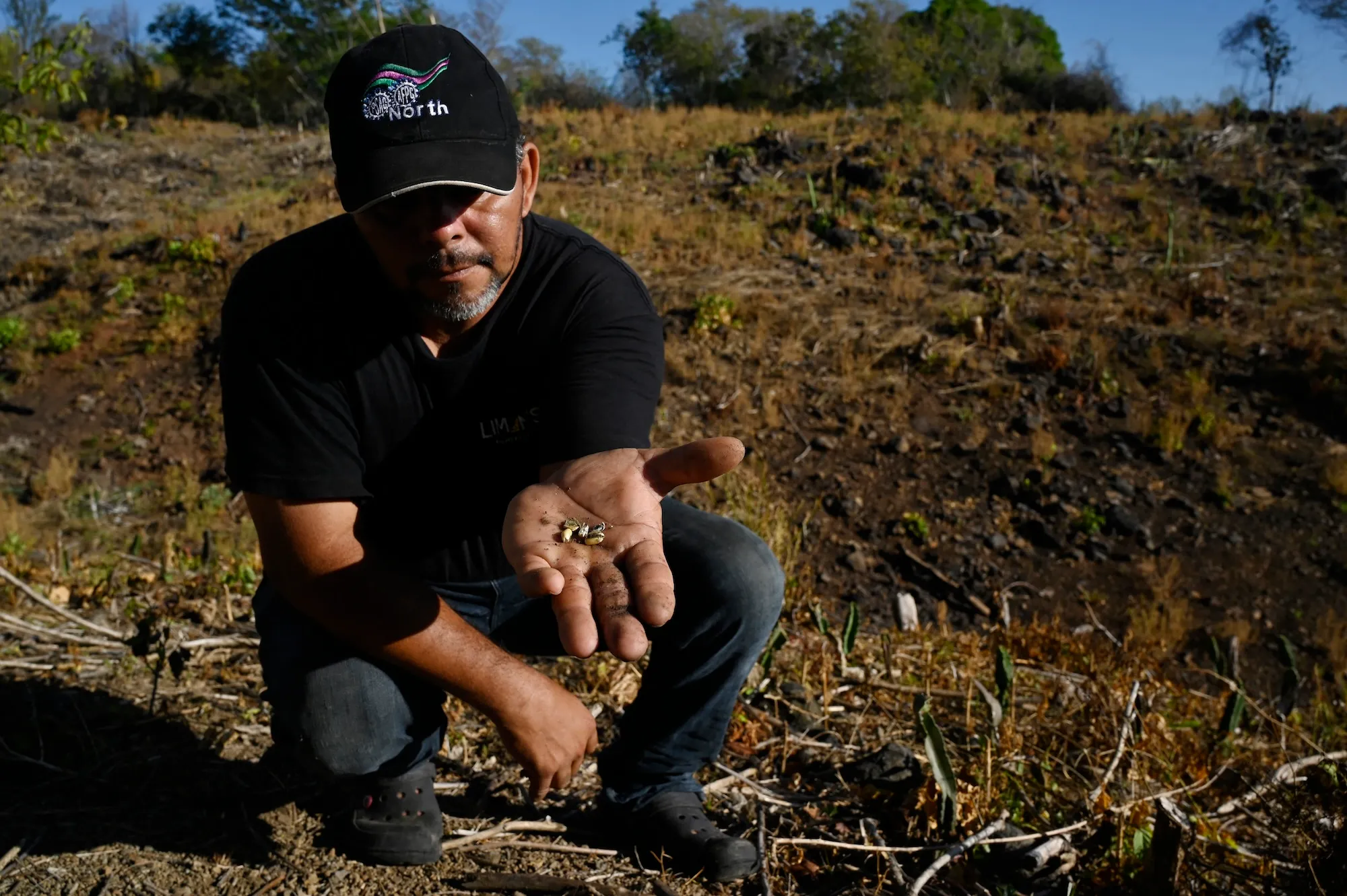
Christopher Callahan, a climate scientist at Indiana University, has noted that the world is effectively living through a preview of 2040 climate conditions. The record-breaking temperatures of 2026 are not an anomaly that will simply reset; they are indicative of a planet that has entered a new state of equilibrium. The data suggests that even if the Pacific cools down, the thermal energy absorbed by the deep oceans during this period will have long-term consequences for sea levels and marine ecosystems.
Official Responses and Strategic Preparedness
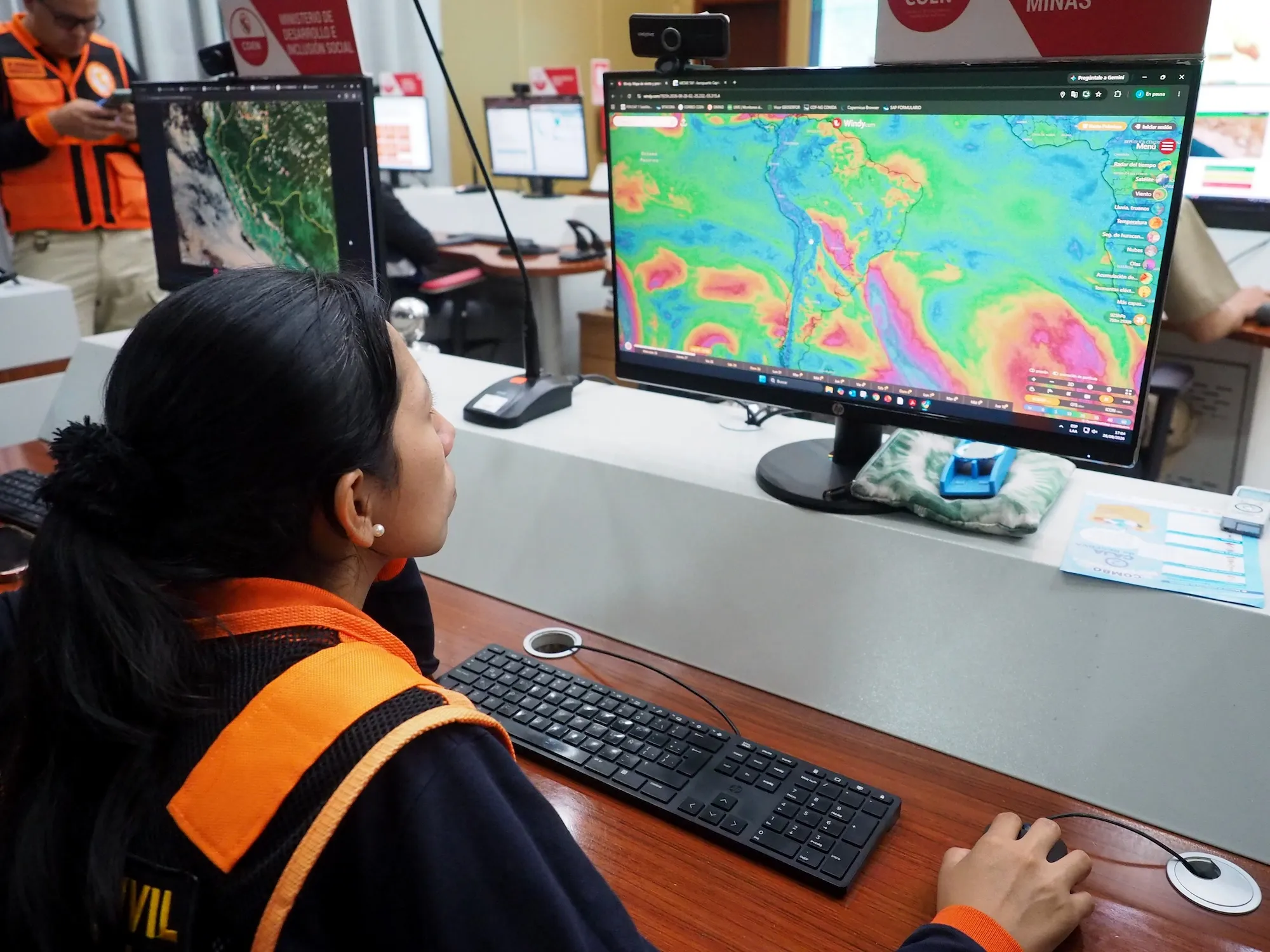
Governments and international bodies are shifting their focus toward "extreme-event preparedness." In Peru, national emergency operations centers have integrated multi-hazard drills into their annual planning, specifically focusing on the vulnerability of coastal fishing communities and agricultural sectors. Similarly, in the United States, federal agencies are coordinating with state authorities to harden the electrical grid and water management systems against the anticipated increase in storm frequency and intensity.
However, many experts argue that infrastructure hardening is a reactive measure. The broader, more uncomfortable reality is that the current crisis necessitates a fundamental reassessment of how the world manages energy production and carbon emissions. As long as fossil fuel dependence continues to drive the warming of the atmosphere and oceans, the "super" El Niño of 2026 may eventually be viewed as a moderate event in comparison to the future scenarios predicted by current climate models.
Toward a New Framework of Resilience
The 2026 super El Niño serves as a diagnostic tool for global resilience. It exposes the fragility of global food systems, the limitations of current disaster response protocols, and the inadequacy of existing climate terminology. As we navigate the coming months, the focus must remain on data-driven mitigation and the protection of the most vulnerable.
Whether the world eventually adopts a new, more descriptive vocabulary for these events—or whether it simply accepts these extremes as the new normal—the lesson of 2026 is clear: the climate system is no longer operating within the historical bounds that shaped the development of human civilization. The era of predictable weather has ended, and the era of the "super" event has begun, requiring a level of international cooperation and systemic change that has yet to be fully realized. As we look toward 2027, the data suggests that the record-breaking trends observed this year are not a temporary spike, but a harbinger of the volatility to come.