Brightline navigates financial restructuring as the private sector weighs the heavy costs of high-speed rail development

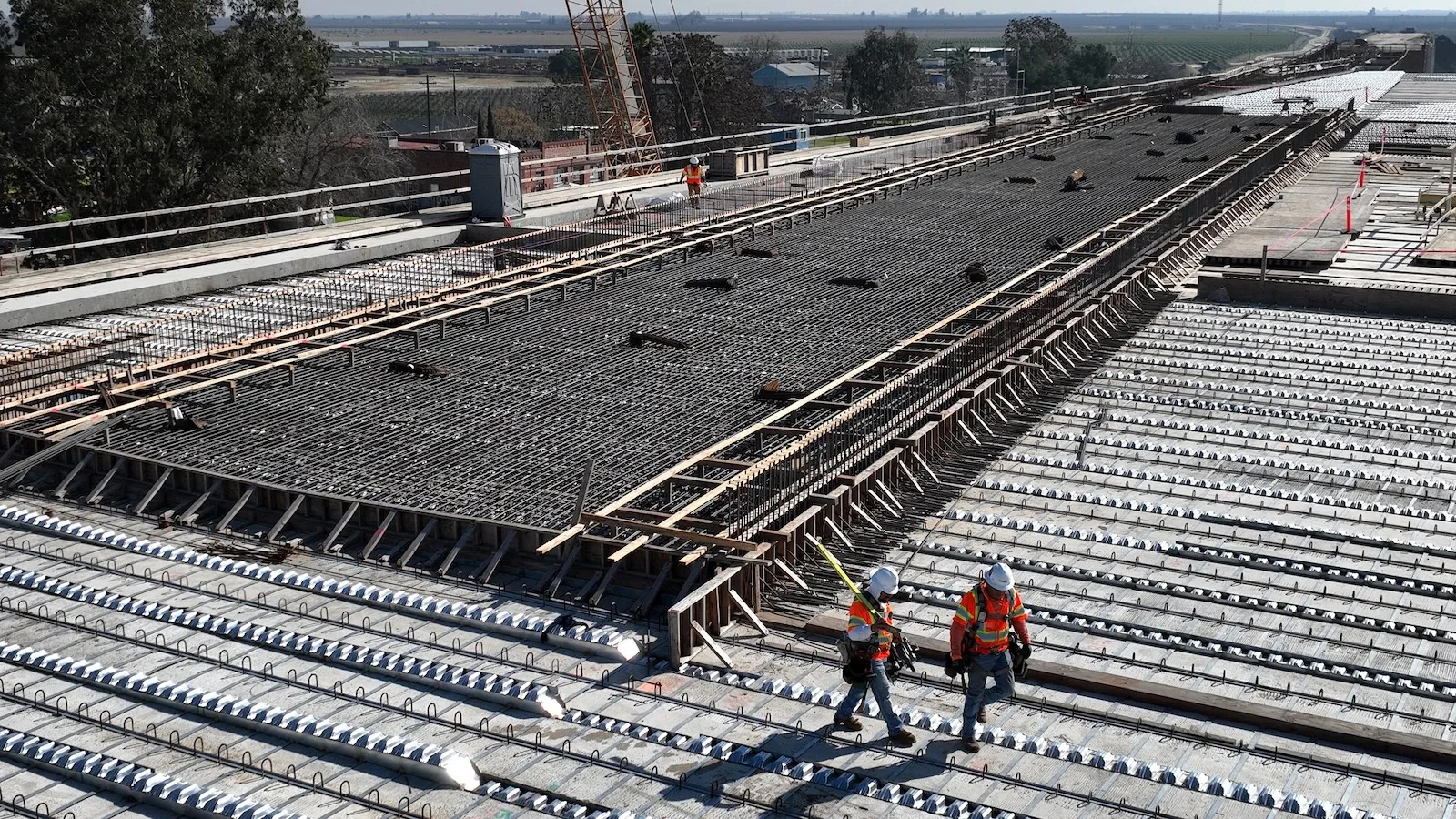
The first thing Brightline wants you to know about its bankruptcy is that the trains will keep running. Following a Chapter 11 filing, the privately operated higher-speed rail company has signaled to its passengers and stakeholders that it remains very much in operation. The move, intended to restructure a significant debt load, highlights the complex financial realities facing private rail operators attempting to disrupt the American transportation landscape. While the corporate entity managing the debt has sought legal protection, the day-to-day operations of the Florida line remain untouched, ensuring that the high-speed service between Orlando and Miami continues to function at speeds of up to 125 mph.
This filing represents a critical inflection point for the company, which has been widely scrutinized as a test case for private-sector participation in high-speed rail. By initiating a restructuring process, Brightline aims to secure an additional $490 million in financing, a move necessary to maintain liquidity as it balances its operational costs against a staggering $4.4 billion in accumulated debt. This debt was largely accrued during the intensive capital-expenditure phases of building, testing, and expanding the rail network across the Florida peninsula.
A Chronology of Expansion and Financial Pressure
Brightline’s journey from a concept to a operational reality has been rapid. In 2018, the company launched its inaugural service between Miami and West Palm Beach, marking the first time in over a century that a private company had launched a new intercity passenger rail line in the United States. Following the initial success of that corridor, the company aggressively pursued expansion, ultimately extending its tracks to Orlando in 2023.
However, the aggressive growth strategy was met with shifting economic conditions. The financial burden of maintaining such a massive infrastructure project has proven to be a significant weight on the company’s balance sheet. According to data provided by industry analysts, the company’s current revenue and ridership numbers—while growing—have fallen short of initial projections. Specifically, reports from market analysts at Debtwire suggest that current annual revenue sits at approximately $240 million, which is roughly one-third of the figures forecasted in earlier business models.
The timeline of the current bankruptcy filing follows months of intense behind-the-scenes negotiations with bondholders. By opting for Chapter 11, the company is effectively hitting the reset button on its debt obligations, allowing for a more sustainable repayment schedule that aligns with current revenue trends rather than optimistic early-stage projections.
Operational Resilience and Market Demand
Despite the legal and financial maneuvering, the user experience for the average passenger remains unaffected. Brightline Trains Florida, the subsidiary responsible for the day-to-day operations of the rail line, was not part of the bankruptcy filing. Furthermore, the company’s ambitious Brightline West project—a planned high-speed rail link connecting Las Vegas to the Los Angeles area—continues its development trajectory, isolated from the financial troubles of the Florida-based corporate entity.
Passenger demand for the service continues to show promise. Data covering the first eight months of the current year indicates a 14 percent increase in ridership and a 17 percent increase in revenue compared to the same period in the previous year. For commuters like Ivan Reich, a West Palm Beach-based attorney who utilizes the rail for professional travel, the service represents a shift in how regional travel is perceived in the state. "It’s a luxury experience," Reich noted, describing the quiet, airport-like atmosphere of the terminals and the comfort of the coaches. However, the pricing model—with round-trip tickets between major hubs often exceeding $120—underscores the tension between offering a premium product and achieving the mass-market adoption necessary to sustain such massive capital investments.
The Debate Over Safety and Public Infrastructure
Brightline’s operational history has not been without controversy. Beyond its balance sheet, the company has faced significant scrutiny regarding safety, particularly concerning collisions at grade crossings. Since its inception in 2018, the rail line has been associated with over 180 fatalities, a statistic that has drawn sharp criticism from local advocacy groups.

Brightline has consistently maintained that these incidents are not the result of operational failure, but rather the result of trespassing or incidents at crossings outside of their direct control. The company has invested hundreds of millions of dollars into safety measures, including fencing, traffic signal synchronization, and public awareness campaigns. Nevertheless, the high fatality rate remains a polarizing aspect of the company’s footprint in Florida, fueling ongoing debates about the feasibility of running high-speed rail through densely populated urban corridors.
The Role of Government in Rail Development
The financial struggles of Brightline have ignited a broader national discussion regarding the role of public-private partnerships in transportation. Experts in urban planning and transit policy argue that the American model for rail infrastructure is fundamentally broken when it relies too heavily on private capital.
Rick Harnish, executive director of the High Speed Rail Alliance, points to the disparity between how the U.S. treats rail versus other transit modes. "Airlines don’t pay to build airports, and trucking companies don’t pay to build highways," Harnish stated. His argument highlights that in the aviation and automotive sectors, the federal government assumes the role of primary financier for the supporting infrastructure. In contrast, rail companies are often expected to bear the burden of both the service operation and the heavy infrastructure construction.
Jim Mathews, president of the Rail Passengers Association, views the current restructuring as a pragmatic necessity. "This probably gives Brightline breathing room," he said, noting that while private innovation is valuable, the sheer cost of building a railroad often exceeds the reach of private equity. Mathews suggests that a more sustainable model would involve stronger federal intervention to bridge the gap between initial construction costs and long-term operational viability.
Broader Implications and Future Outlook
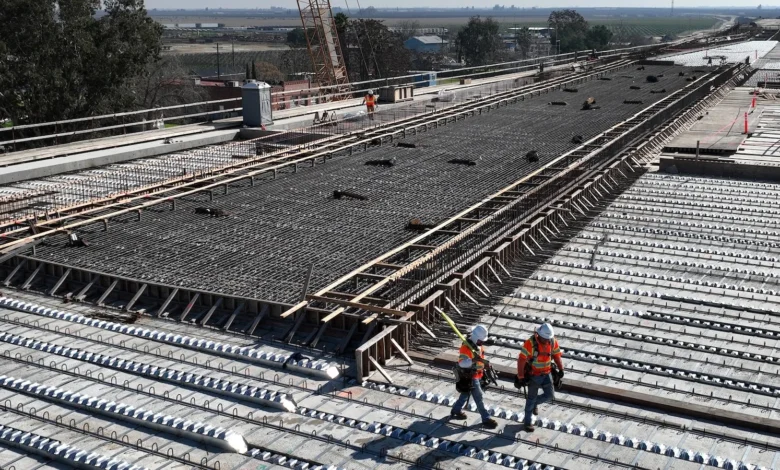
The financial predicament of Brightline serves as a case study for the nascent high-speed rail industry in the United States. As California continues its own arduous, multi-decade attempt to build a state-funded high-speed rail network, and as the federal government pledges billions in support for projects like Brightline West, the question of long-term funding remains unanswered.
Brightline West, a $21 billion project, has already secured a $3 billion federal grant and is currently seeking a $6 billion federal loan. The project’s decision to terminate in Rancho Cucamonga, rather than pushing directly into the heart of Los Angeles, highlights the logistical and political challenges of integrating private infrastructure into existing public transit networks. As Alon Levy of the NYU Marron Institute suggests, true success in high-speed rail will likely require "top-down federal action" to ensure that various transit systems are properly integrated and that the massive cost of building these networks is treated as a public good rather than a private burden.
As the legal proceedings in the current restructuring move forward, the message from the executive suite remains one of growth. CEO Patrick Goddard has publicly characterized the transaction as a "catalyst for further growth," emphasizing that the company intends to press ahead with plans to extend service to Tampa and add a new station in Cocoa.
Ultimately, the survival of the Brightline model will depend on whether the company can bridge the gap between its current operational success—marked by steady ridership growth and high customer satisfaction—and the harsh realities of the capital-intensive nature of the rail industry. For now, the trains continue to run, providing a glimpse into a potential future for American transportation, even as the financial tracks beneath them undergo a significant and necessary repair.
Related posts: