Bannock County Idaho Faces a Critical Crossroads as It Reconsiders Its Stance on Renewable Energy Development

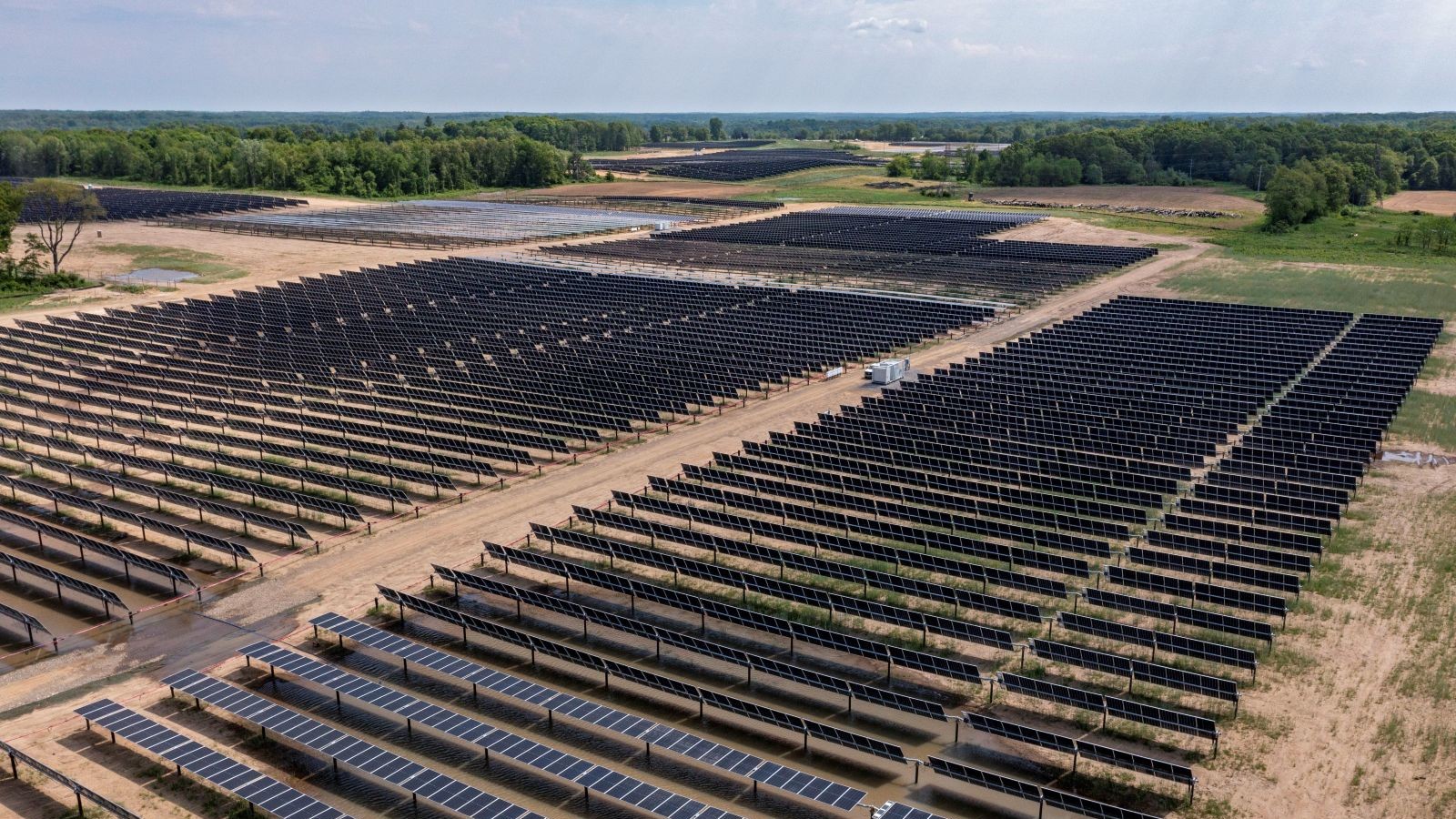
The political and economic landscape of Bannock County, Idaho, is currently undergoing a profound re-evaluation as local officials prepare to revisit a restrictive ordinance that effectively halted utility-scale solar and wind development within its borders. In March 2024, the three-person county commission narrowly voted to ban large-scale renewable energy projects, a decision that has sparked significant debate over property rights, local economic viability, and the future of the state’s energy infrastructure.
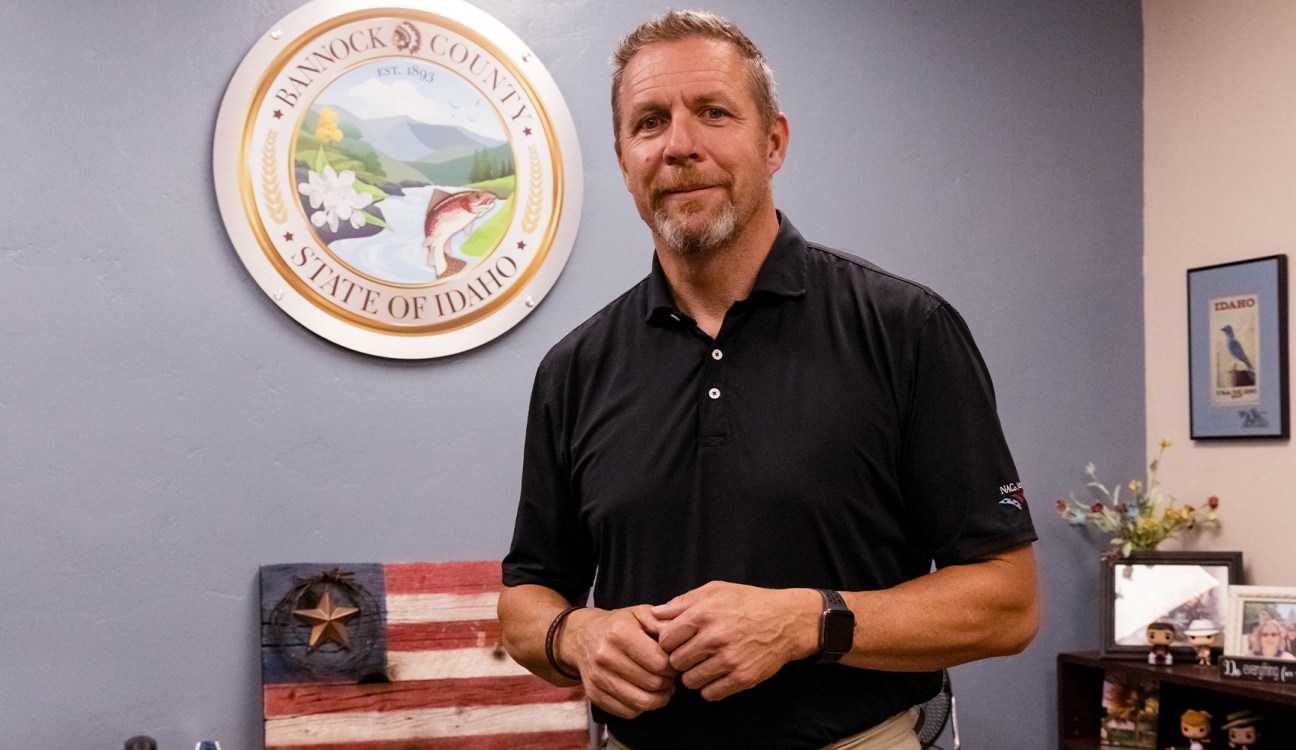
Jeff Hough, who dissented during the initial 2-1 vote in 2024 and has since ascended to the role of chair of the county commission, is leading the effort to repeal the current ban. This autumn, the commission is scheduled to deliberate on a new legislative framework that would not only permit solar and wind energy development but also potentially open the door for nuclear energy projects. This shift marks a significant test case for rural American counties, which are increasingly forced to balance traditional agricultural heritage with the growing demand for national grid modernization.
A Chronology of Conflict and Policy Shift
The current tension is the culmination of nearly three years of policy flux. In late 2023, following an Idaho Association of Counties conference where concerns regarding the massive, state-level Lava Ridge Wind Project were prominent, Bannock County officials felt a sense of urgency. The perceived risk of large-scale, out-of-state developers utilizing federal land without sufficient local oversight prompted the county to enact a six-month moratorium on energy projects in October 2023.
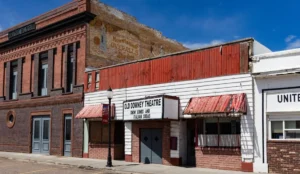
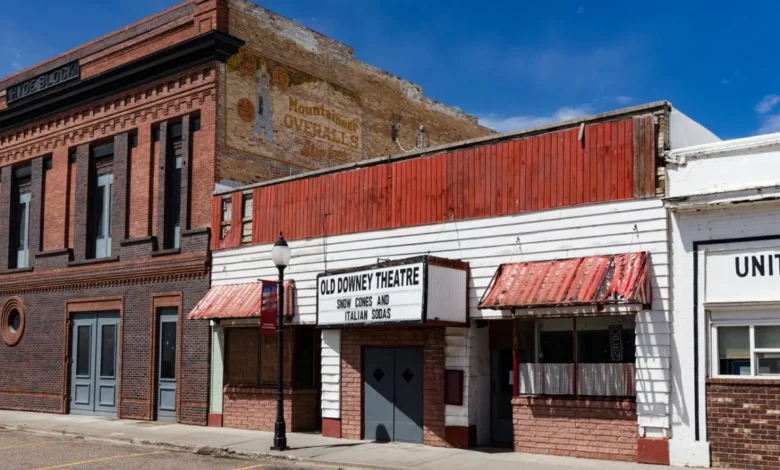
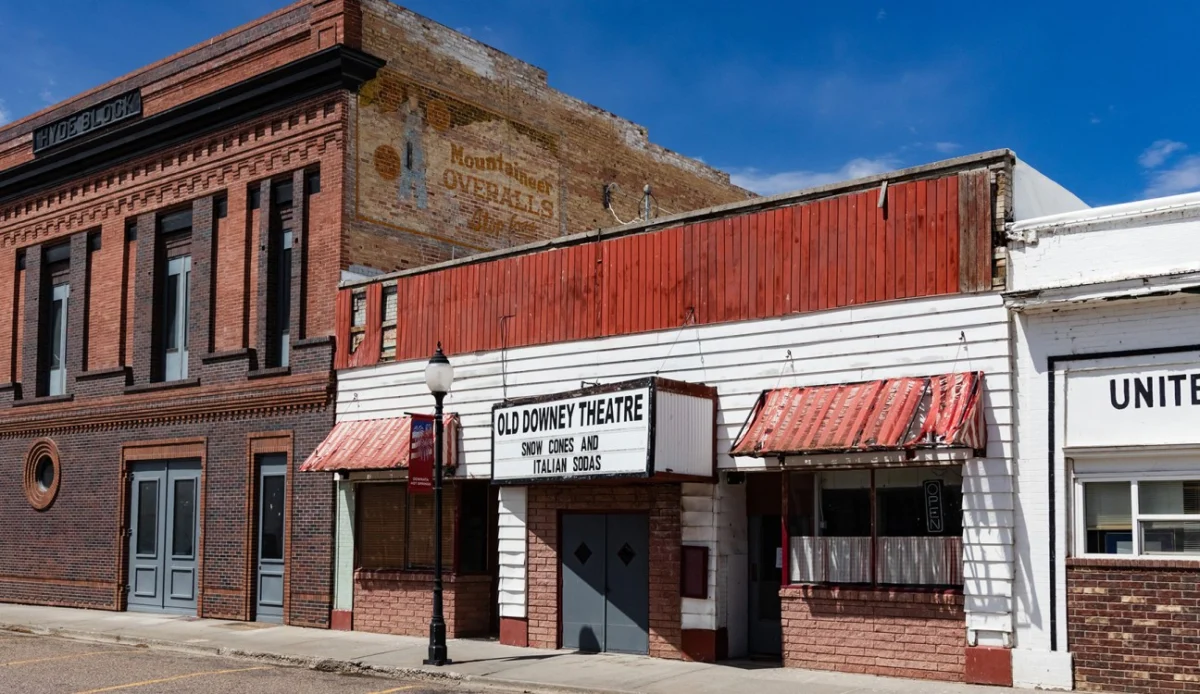
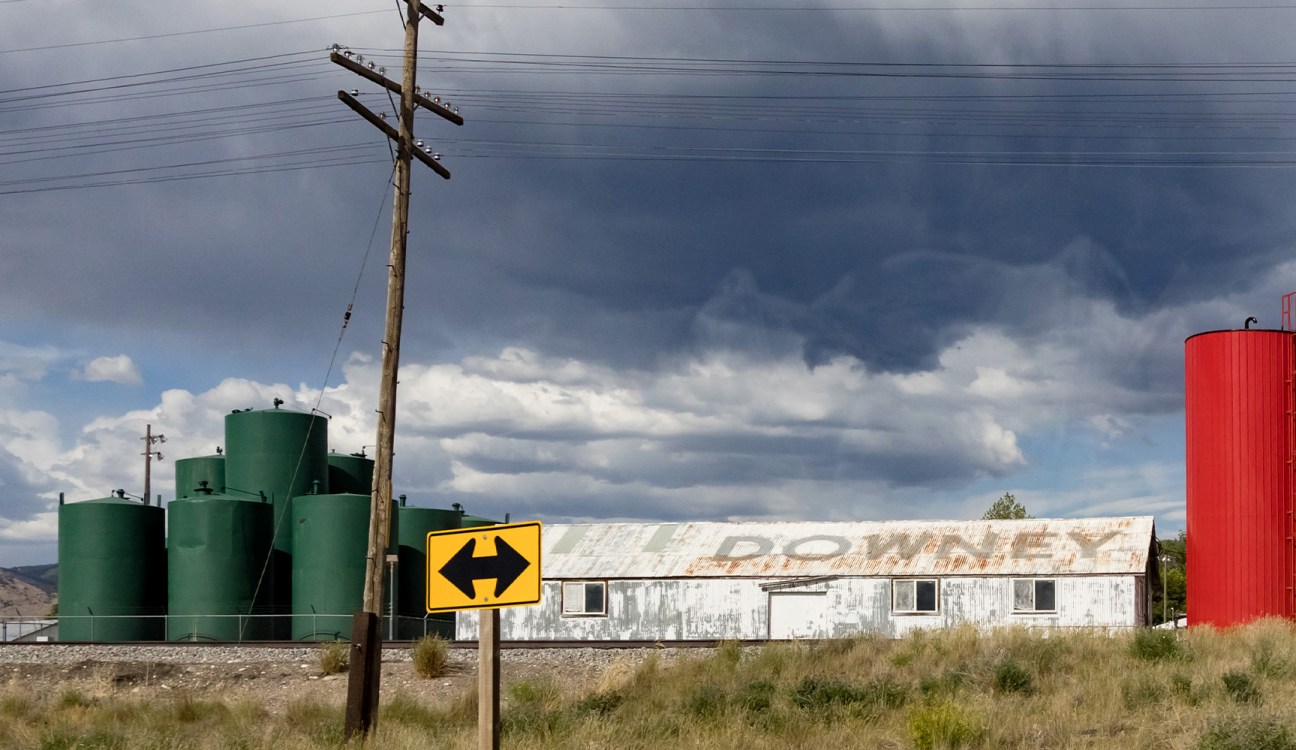
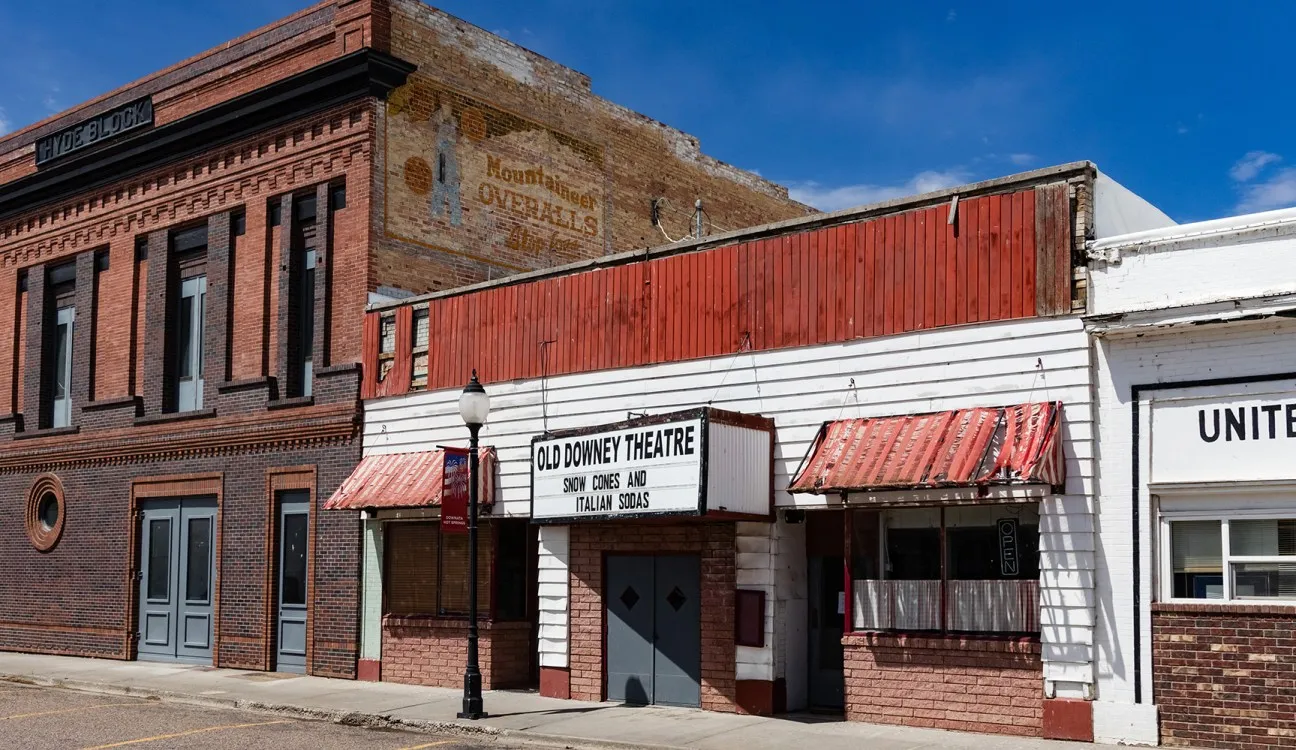
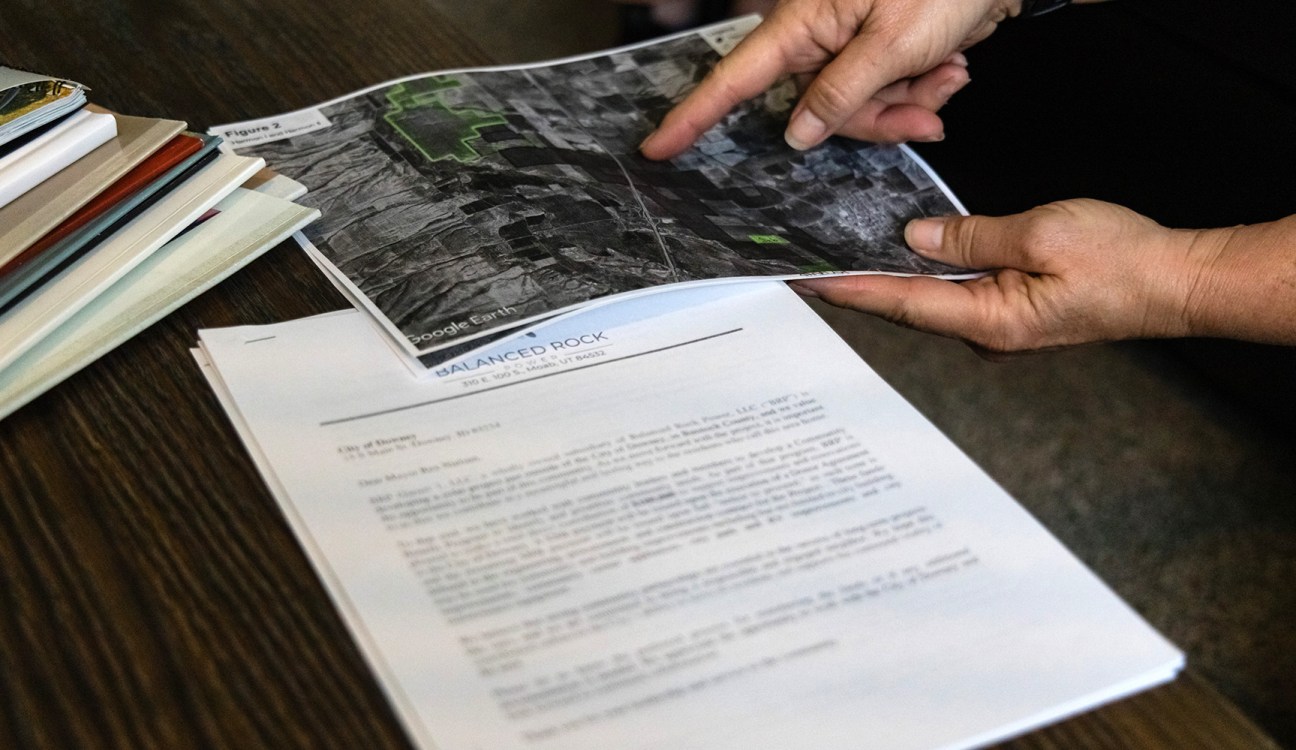
By February 2024, what began as a temporary pause for regulatory planning transformed into a polarized public battle. A high-profile public hearing held in a high school auditorium highlighted the deep divide between landowners seeking to lease property for solar revenue and residents concerned about the aesthetic and environmental impacts of such installations. Despite the initial attempt to manage development through zoning, the commission ultimately moved to implement a ban. This decision was largely influenced by organized grassroots opposition from communities in southern Bannock County, particularly around the town of Downey.
The Economic and Environmental Stakes
The debate over energy in Bannock County occurs against a backdrop of significant economic and environmental pressure. The region has experienced slower population growth compared to the rest of Idaho, and many rural communities have seen a decline in essential services. Furthermore, severe drought conditions, exacerbated by climate change, have made traditional dry-land farming increasingly difficult.
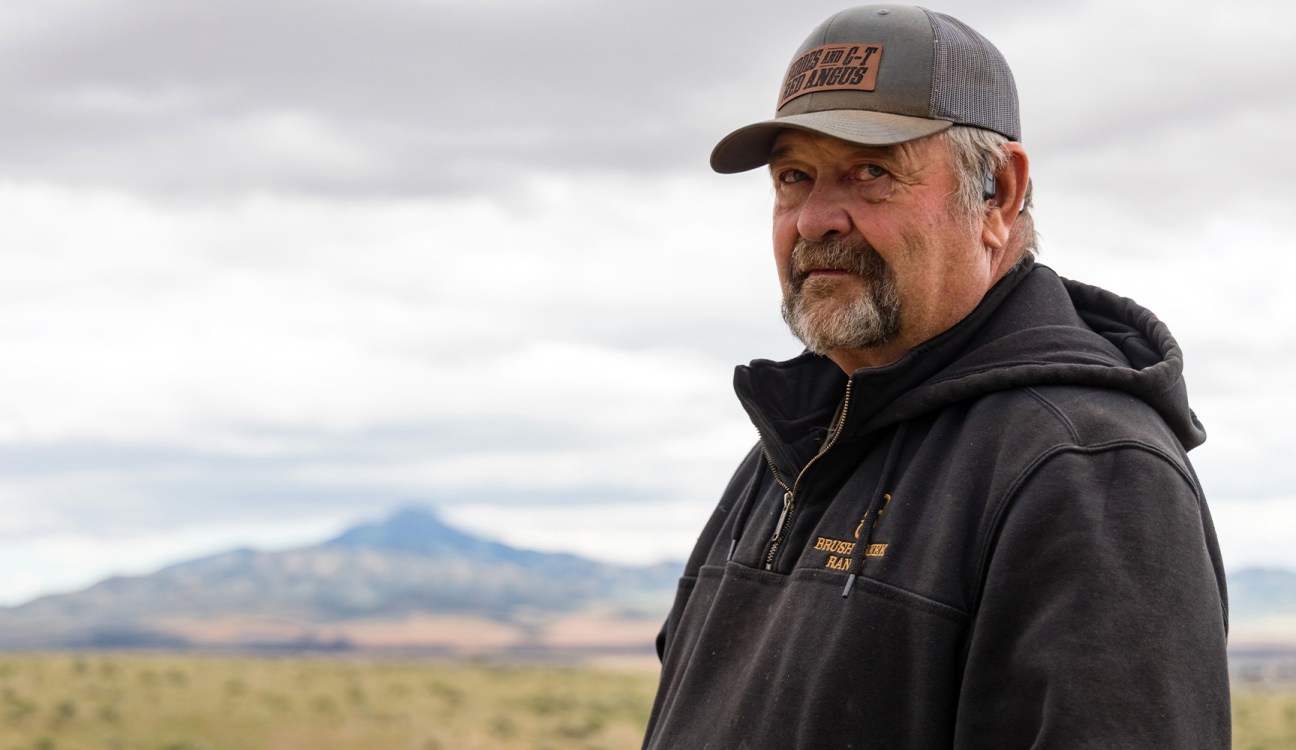
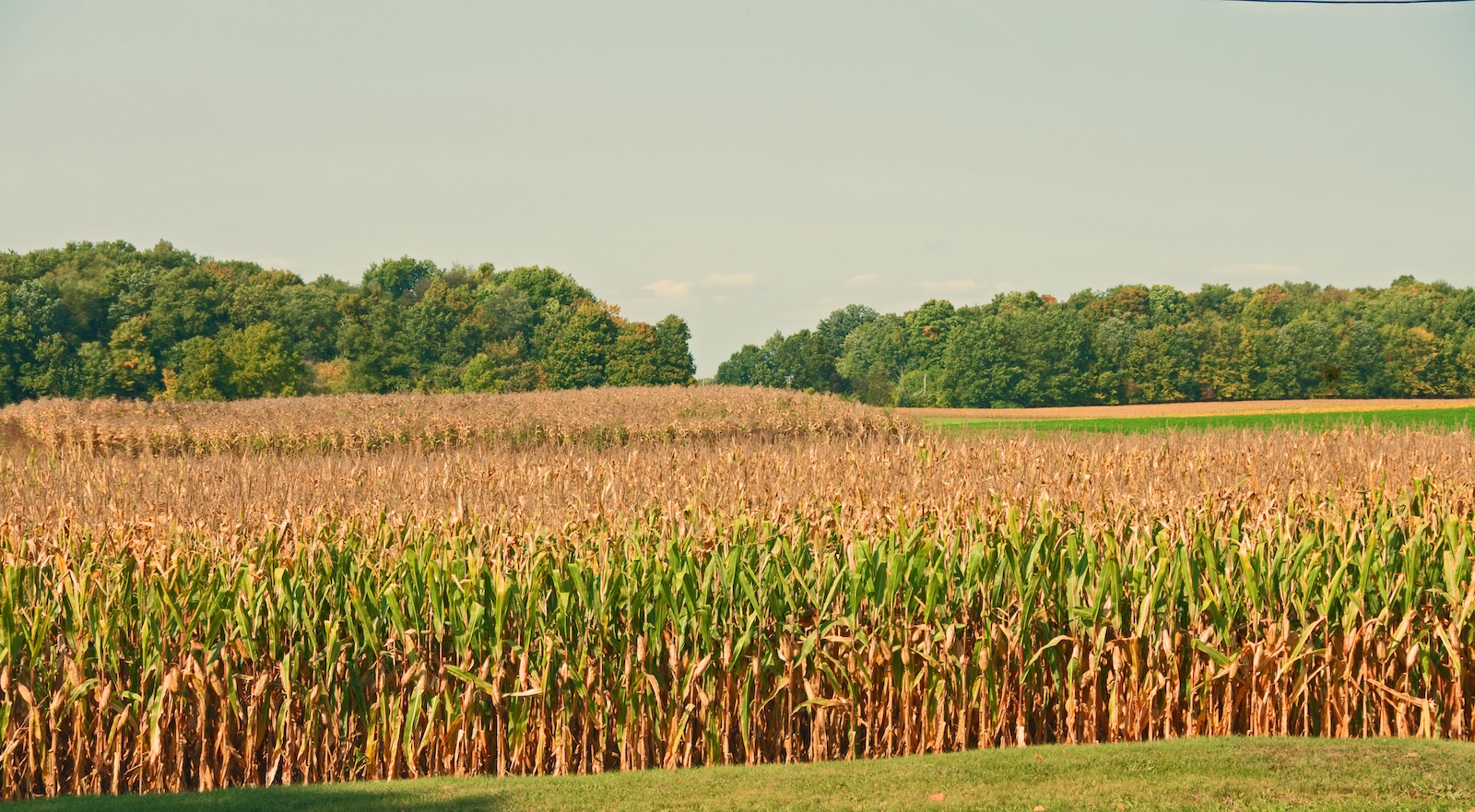
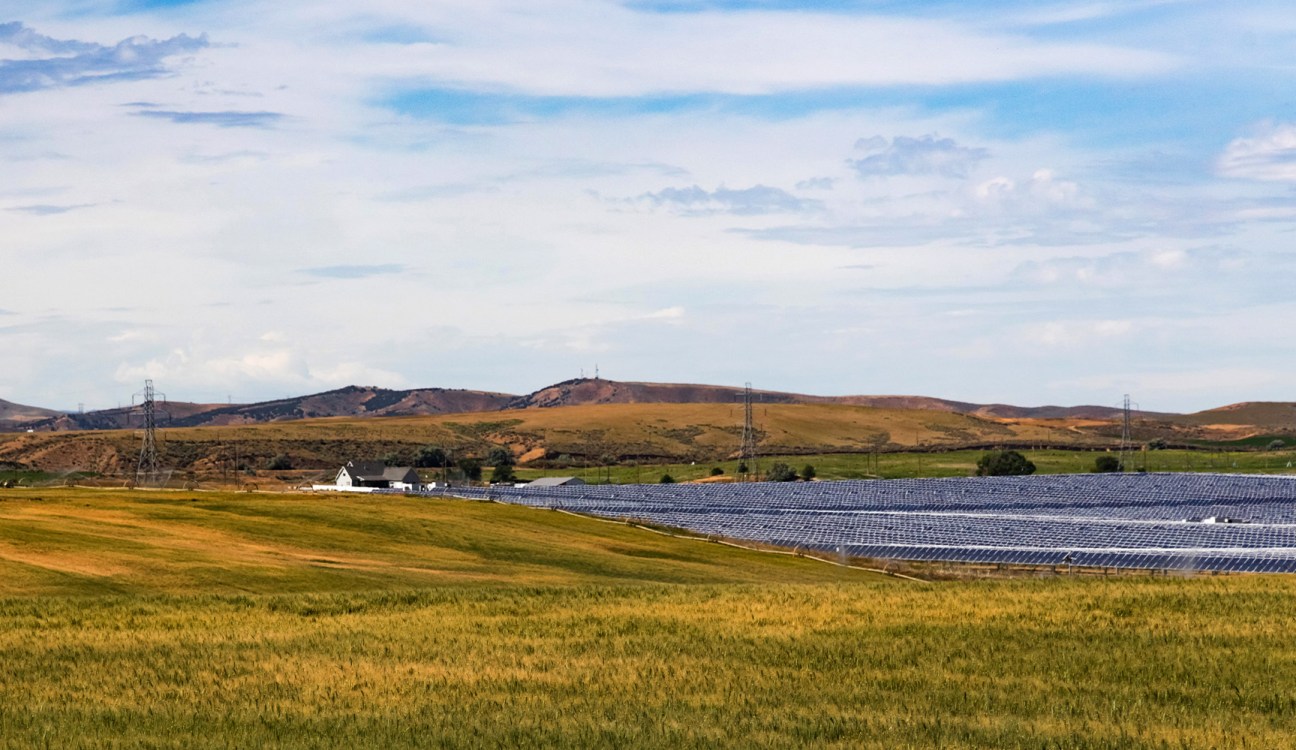
Data from surrounding regions suggests that the economic impact of hosting renewable energy projects is substantial. In 2024, neighboring Power and Bingham counties reported tax revenues of $909,000 and $639,000, respectively, directly attributed to renewable energy developments. For many local farmers, these projects offer a lifeline. Steve Criddle, a third-generation farmer in Downey, has noted that the declining moisture levels have rendered some fields nearly unproductive for grain, making the stable income from a solar lease a critical tool for farm preservation and intergenerational transition.
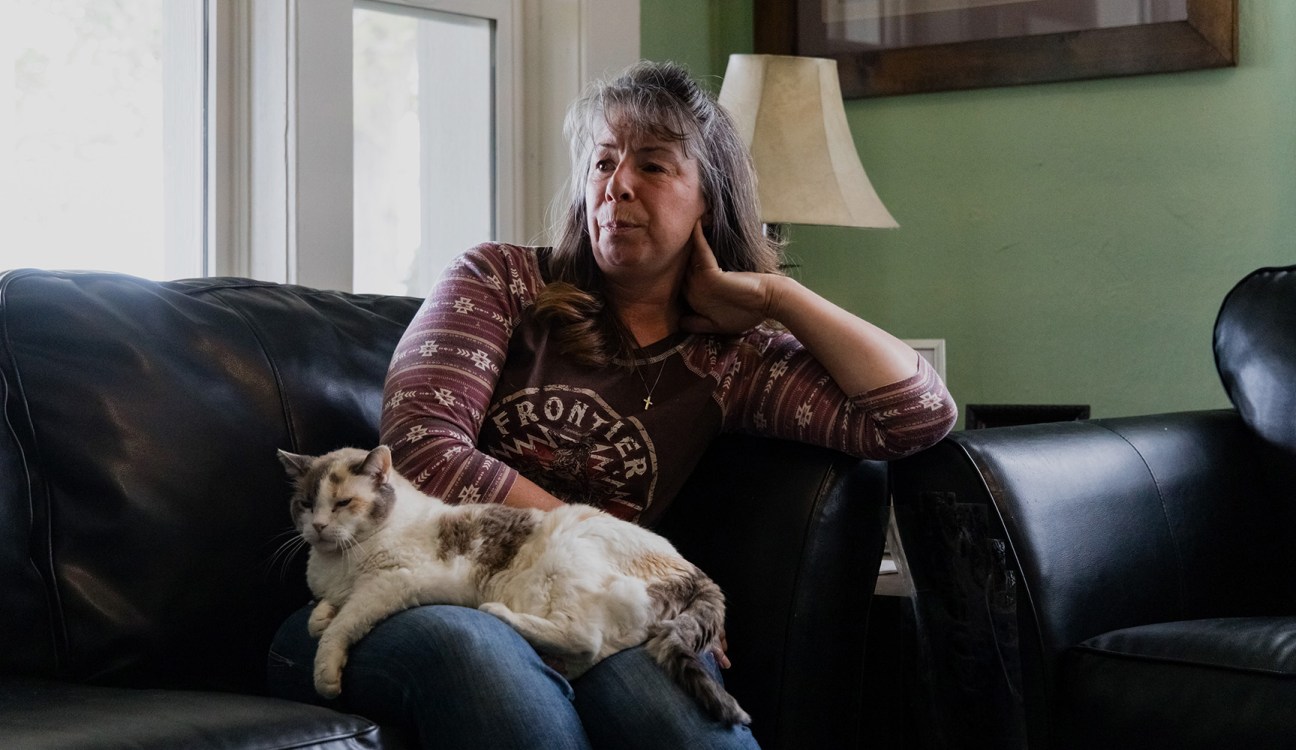
However, opponents argue that the conversion of agricultural land to industrial energy use is irreversible and detrimental to the character of the valley. Critics, led by residents like Rebecca Falcon, emphasize concerns regarding the long-term decommissioning of these facilities and the potential fire risks associated with large-scale battery energy storage systems. These fears are not unique to Bannock County; they reflect a nationwide trend where 1 in 4 U.S. counties now possess some form of restrictive ordinance against renewable energy, with over 60 percent of these bans concentrated in rural areas.
The Integration of Nuclear Energy
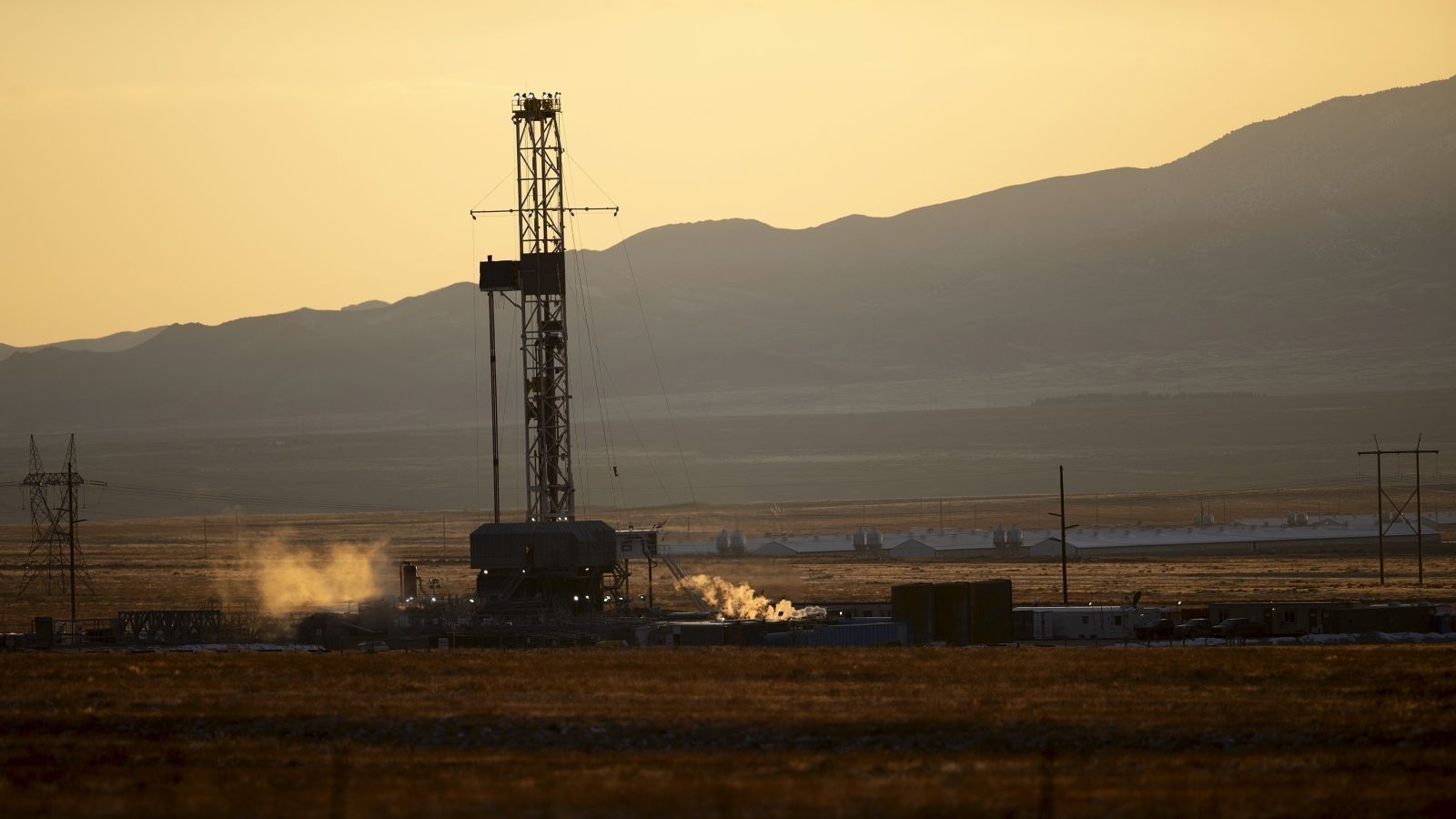
A notable component of the proposed new ordinance is the inclusion of nuclear energy development. Bannock County’s strategic proximity to the Idaho National Laboratory (INL) has positioned it as a potential hub for the next generation of nuclear technology, including small modular reactors (SMRs) and microreactors. Public sentiment, according to a recent county survey, indicates a high level of support for nuclear energy, with 90 percent of 700 respondents viewing the industry favorably.
This pivot toward nuclear technology provides a rare area of common ground between proponents of economic development and those traditionally skeptical of renewable energy. However, experts note that while nuclear power is a long-term goal for the region, it remains in the early stages of commercial deployment. Most SMR projects in the United States are currently in the research or initial permitting phases, with significant supply chain and economic challenges remaining. Consequently, Commissioner Hough and other advocates argue that while nuclear is a promising future, the county cannot afford to wait a decade or more to address its immediate economic and energy needs, thus necessitating a "yes to all" approach that includes solar and wind in the interim.
Regional Energy Needs and Infrastructure
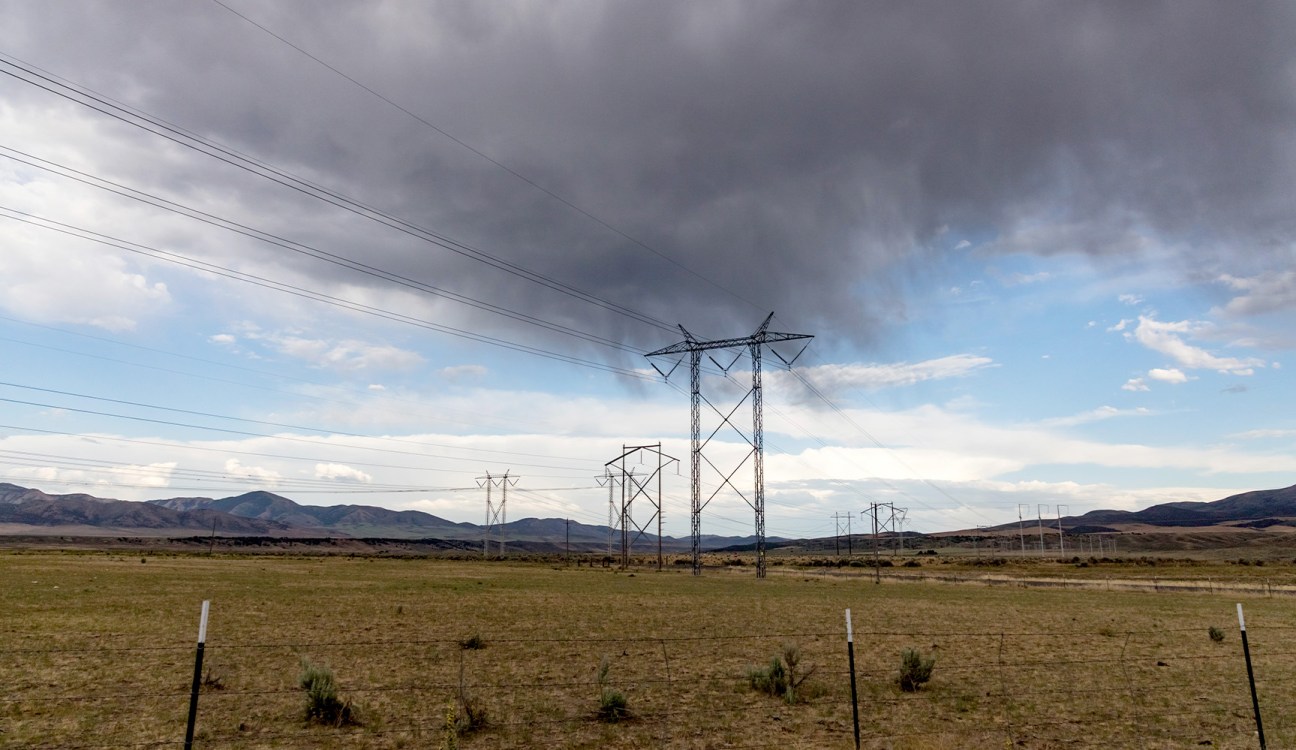
The pressure on Bannock County is also driven by state-level mandates. Idaho Power, the state’s primary utility, projects a 1-gigawatt increase in electricity demand by 2030—a 26 percent rise from current levels. The existence of the Populus substation, a critical node for the regional power grid, makes Bannock County a logical location for energy production. The Energy Gateway project, currently underway by PacifiCorp, will further enhance transmission capacity in the region, making the area increasingly attractive to developers.
"The need to build stuff now is critical to Idaho’s economic future," said Aaron Menenberg, the Idaho policy manager for Renewable Northwest. "We can’t afford to say no to anything."
Implications of the Upcoming Vote
The upcoming vote this fall will be a decisive moment for the commission. The draft language currently under review includes stringent requirements for developers, such as mandatory bonds for decommissioning and protocols for fire department training and equipment, specifically designed to address the concerns raised during the 2024 hearings.
The political fallout of the previous ban suggests that the issue remains a volatile factor in local elections. In the May 2026 primary, Commissioner Hough successfully defended his seat by a 14-point margin, though he faced strong opposition in the rural precincts of Downey, where the anti-solar platform remains dominant.
As the commission prepares to vote, they are balancing the fundamental American principle of private property rights against the desire for collective community land-use control. For Commissioner Ernie Moser, who previously supported the ban, the decision represents a solemn duty of stewardship. His shift from a position of total opposition to one of cautious inquiry reflects a broader evolution occurring within the commission.
The outcome of the Bannock County vote will likely resonate far beyond its borders. It serves as a litmus test for whether rural communities can successfully negotiate the complex trade-offs inherent in the energy transition. Whether the county adopts the new ordinance or continues to rely on the current ban will set a precedent for how other rural regions manage the collision of climate, energy economics, and local identity in the coming decades. For now, the county waits, caught between a past defined by agriculture and a future that may be defined by its ability to power the state.