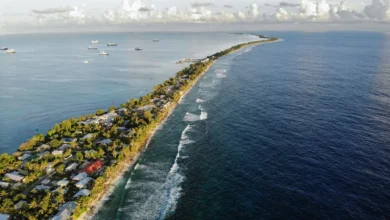
The Climate Crisis is Erasing a 500-Year-Old Cultural Legacy in the Heart of Sicily


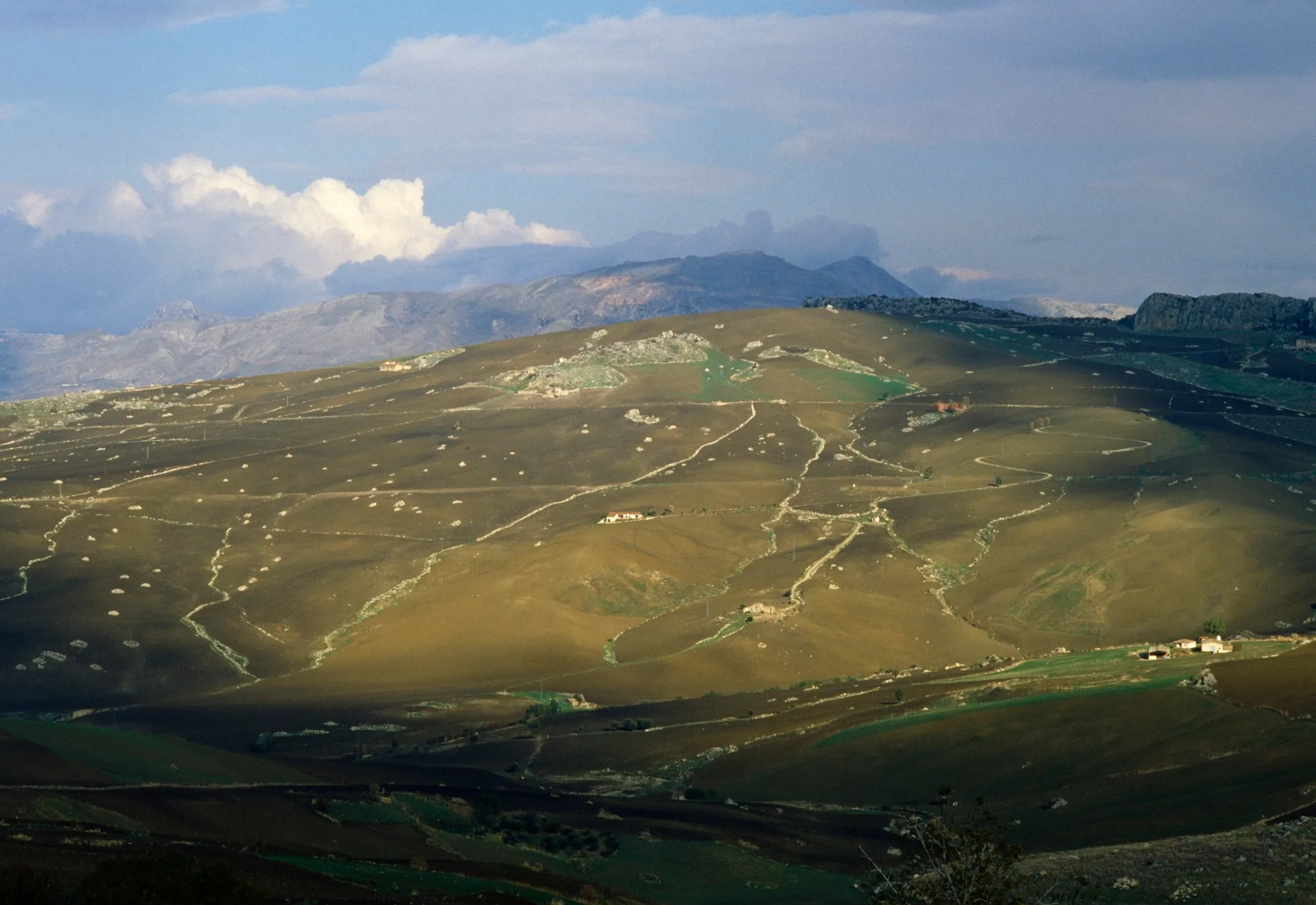
Giorgia Caruso always imagined her children would inherit the small, sun-drenched farm her family has meticulously tended for three generations. For the people of Piana degli Albanesi, a mountainous plateau south of Palermo, farming is not merely a profession; it is an ancestral contract. Founded 500 years ago by Albanian refugees fleeing the collapse of the Byzantine influence and the encroaching Ottoman conquest, the community has acted as a guardian of both agricultural tradition and a unique linguistic and ethnic identity known as the Arbëreshë. Today, that half-millennium of history is facing an existential threat that transcends the traditional challenges of economic hardship: the rapid, human-induced warming of the Mediterranean basin.

As temperatures rise and the local climate grows increasingly hostile, the very foundation of the Arbëreshë way of life—the land itself—is literally turning to ash. For farmers like Caruso, the dream of passing the business to her two daughters has been replaced by a desperate hope that they might find a safer, more stable future elsewhere.
A Landscape Under Siege: The Chronology of Decline
The transformation of Piana degli Albanesi into a frontline of the climate crisis did not happen overnight, but the acceleration over the last decade has been jarring. The region is currently experiencing a microclimate marked by extremes, with the Mediterranean warming at a rate 20 percent faster than the global average.
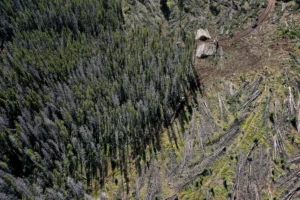
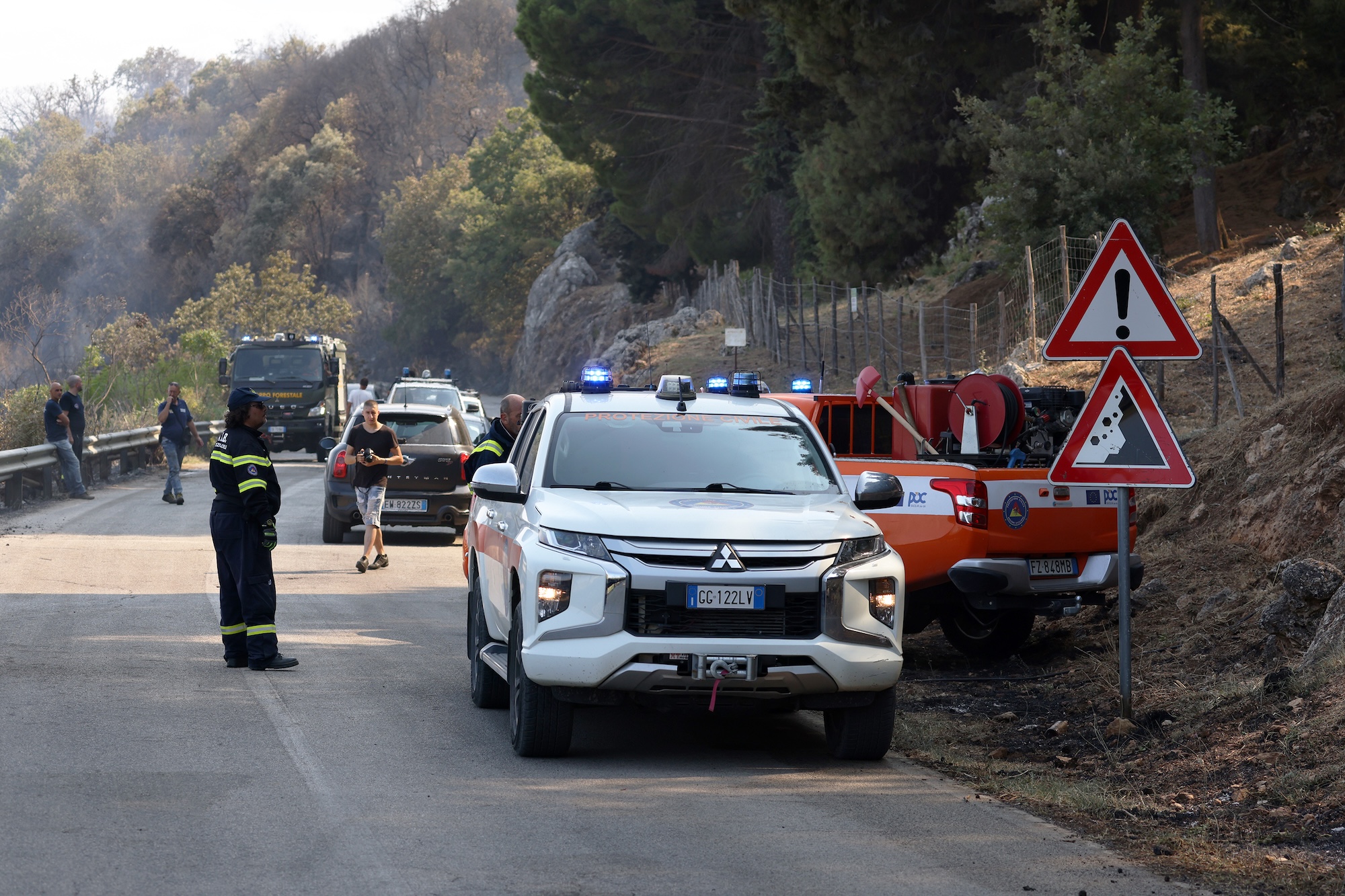
The turning point for many local families occurred in late July 2023, when wildfires of unprecedented intensity—flames reaching the height of three-story buildings—swept across the plateau. The blaze devastated acres of arable land and decimated livestock, dealing a blow from which many small-scale operations have yet to recover. This was not an isolated incident; records indicate that wildfires have struck in or around Piana in four of the last six years. The 2021 wildfire season alone resulted in the displacement of over 100 residents and caused significant structural damage to homes and infrastructure.
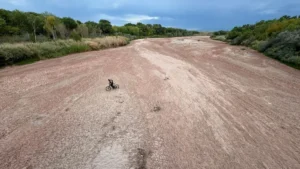
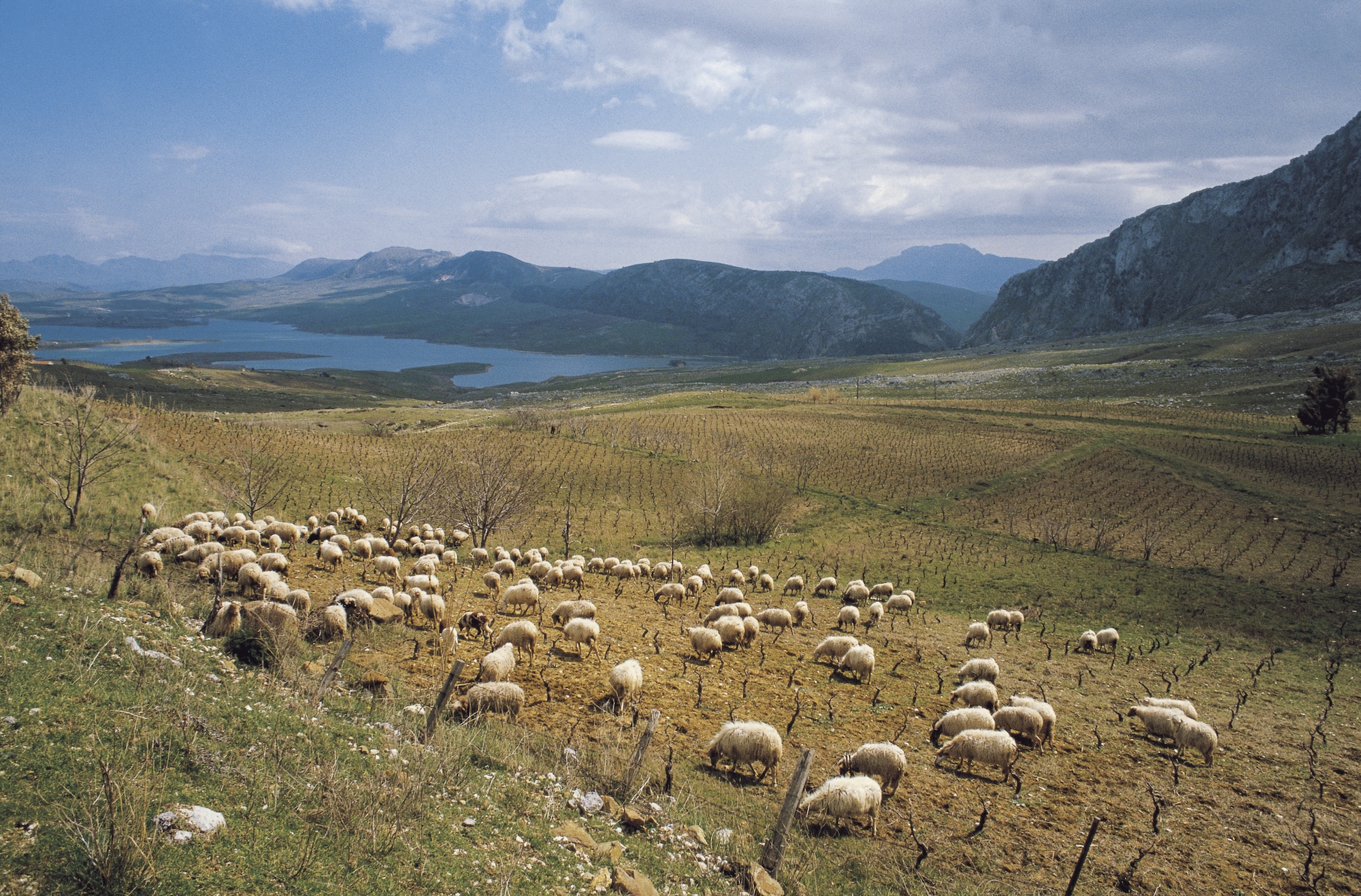
The environmental degradation is compounded by a persistent hydrological crisis. In 2024, the reservoir overlooking the town—historically the largest in Sicily—nearly vanished. This cycle of extreme drought followed by erratic, intense rainfall has rendered the traditional agricultural calendar obsolete, leaving farmers unable to predict or protect their crops.
The Socio-Economic Cost of Environmental Erosion
The human cost of these environmental shifts is evidenced by a stark demographic collapse. Since 2015, Piana degli Albanesi has seen its population shrink by approximately 17 percent, falling from 6,293 to 5,245 residents by 2024. This rate of depopulation is three times higher than the Sicilian average, suggesting that climate change is acting as a force multiplier for existing economic vulnerabilities.
The loss of the agricultural sector has a profound cultural impact. The Arbëreshë community is renowned for its role in the Sicilian food tradition, specifically the production of ricotta, the essential filling for the iconic Sicilian cannoli. Local legend holds that the community perfected the pastry, and the town hosts an annual international cannolo festival that serves as a vital point of cultural pride. However, as the sheep population dwindles due to the lack of viable grazing land, the artisanal knowledge required to maintain these culinary standards is fading.
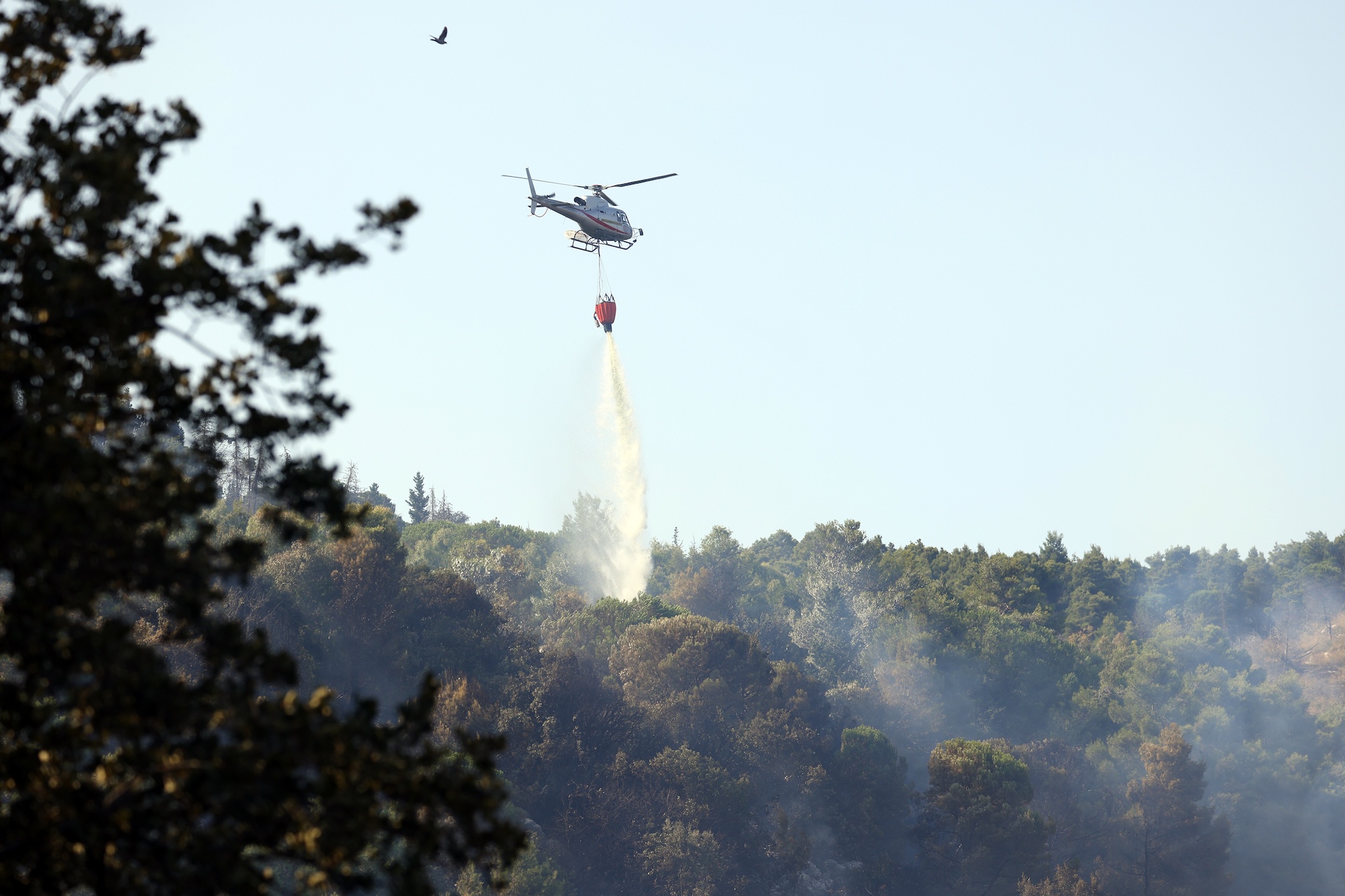
Giovanni Scalora, a fourth-generation Arbëreshë farmer, illustrates the tension between heritage and survival. "If our lands burn, there are no jobs, no homes," he says. "It is a tragedy because if we disappear, a significant chapter of Sicilian, Albanian, and European cultural history is erased with us."
The Science of Desertification and Governance
Ecologists and climate researchers have pointed to the region as a bellwether for the rest of southern Europe. Professor Christian Mulder of the University of Catania notes that the combination of extreme heat, which has frequently exceeded 100 degrees Fahrenheit during the summer months, and soil degradation is driving the process of desertification.
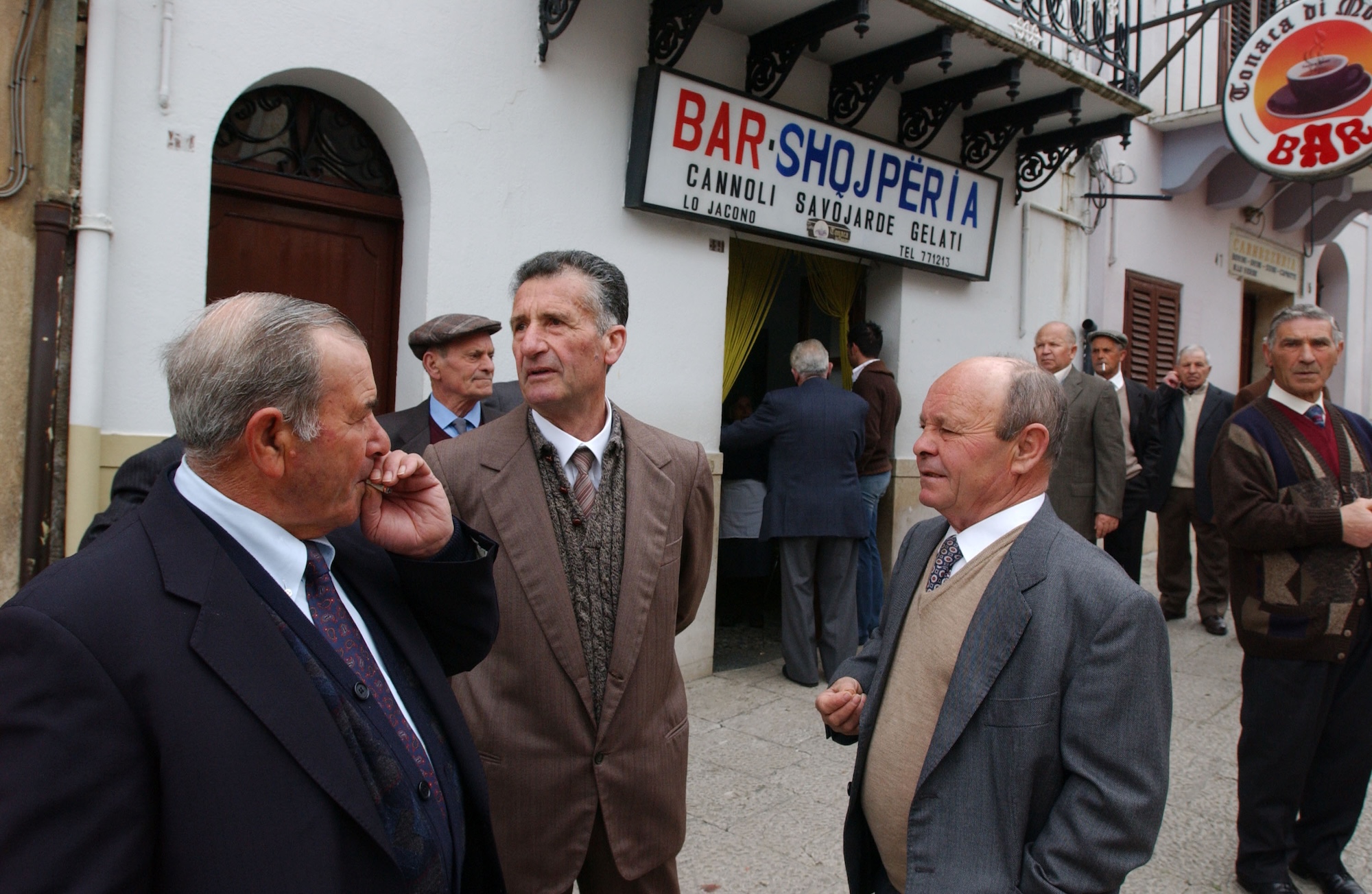
"Extreme droughts, followed by flash flooding, are stripping the land of its fertility," Mulder explains. "This is not just an agricultural crisis; it is an engine for forced migration. We are observing what may be the first instance of climate migration directly threatening the continuity of a distinct ethnic minority in Europe."
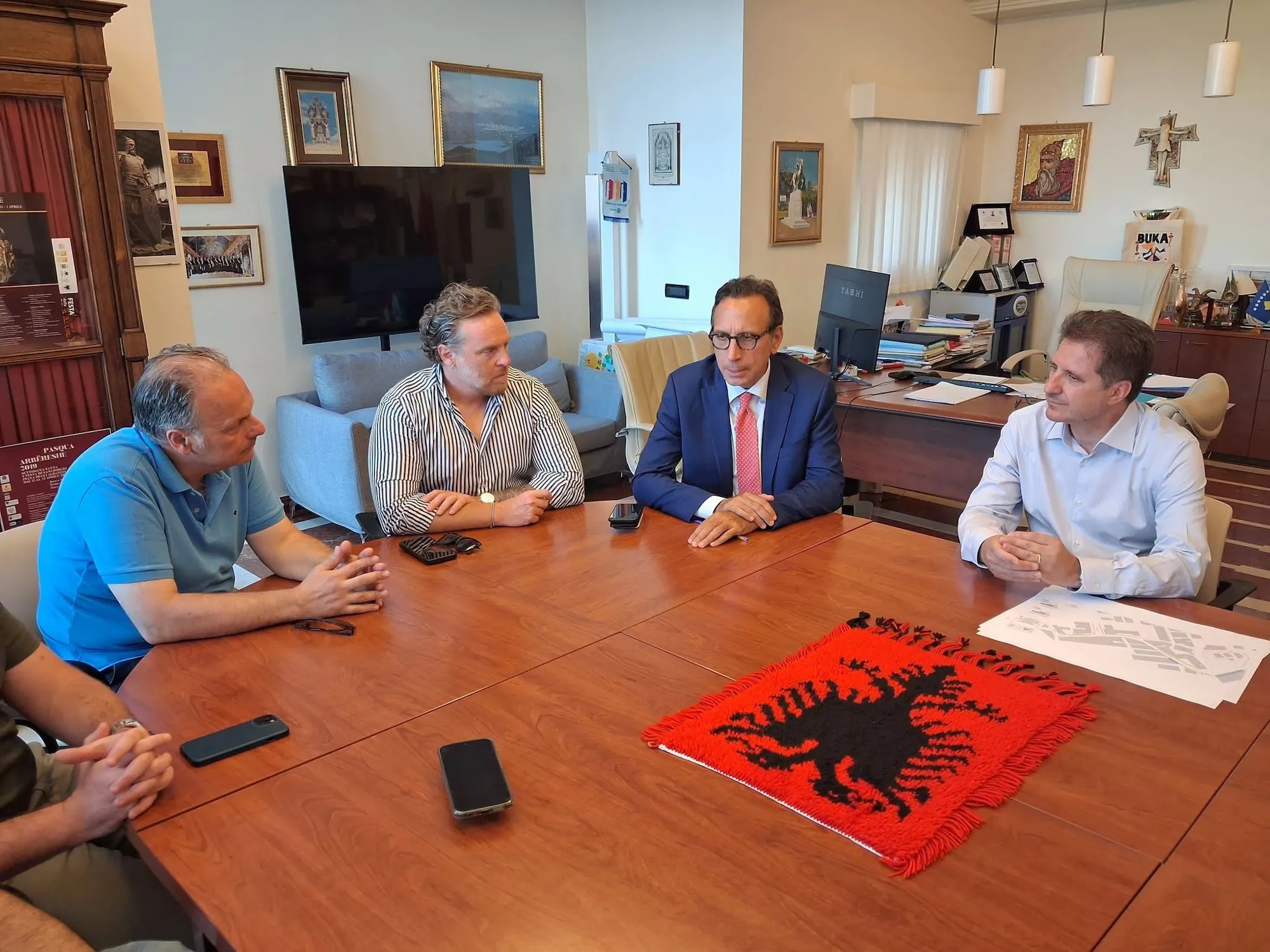
The political response to this crisis has been a point of significant friction. While the national government in Rome has allocated funds for emergency relief—including a national state of emergency declaration in 2024—local officials argue that the aid is reactive rather than strategic. Mayor Rosario Petta has spent his tenure attempting to pivot the local economy toward tourism and international cultural exchanges to fill the void left by agriculture.
"One thousand people who leave is an extra 1,000 people who will no longer speak the Arbëreshë language," Petta explains. "The threat to our identity is tied directly to the threat to our soil."
Global Diaspora and the Price of Safety
For those who have already left, the decision to emigrate is viewed through the lens of necessity. Many members of the Arbëreshë community have historically moved to the United States, particularly California, where the climate bears a resemblance to their Mediterranean homeland.
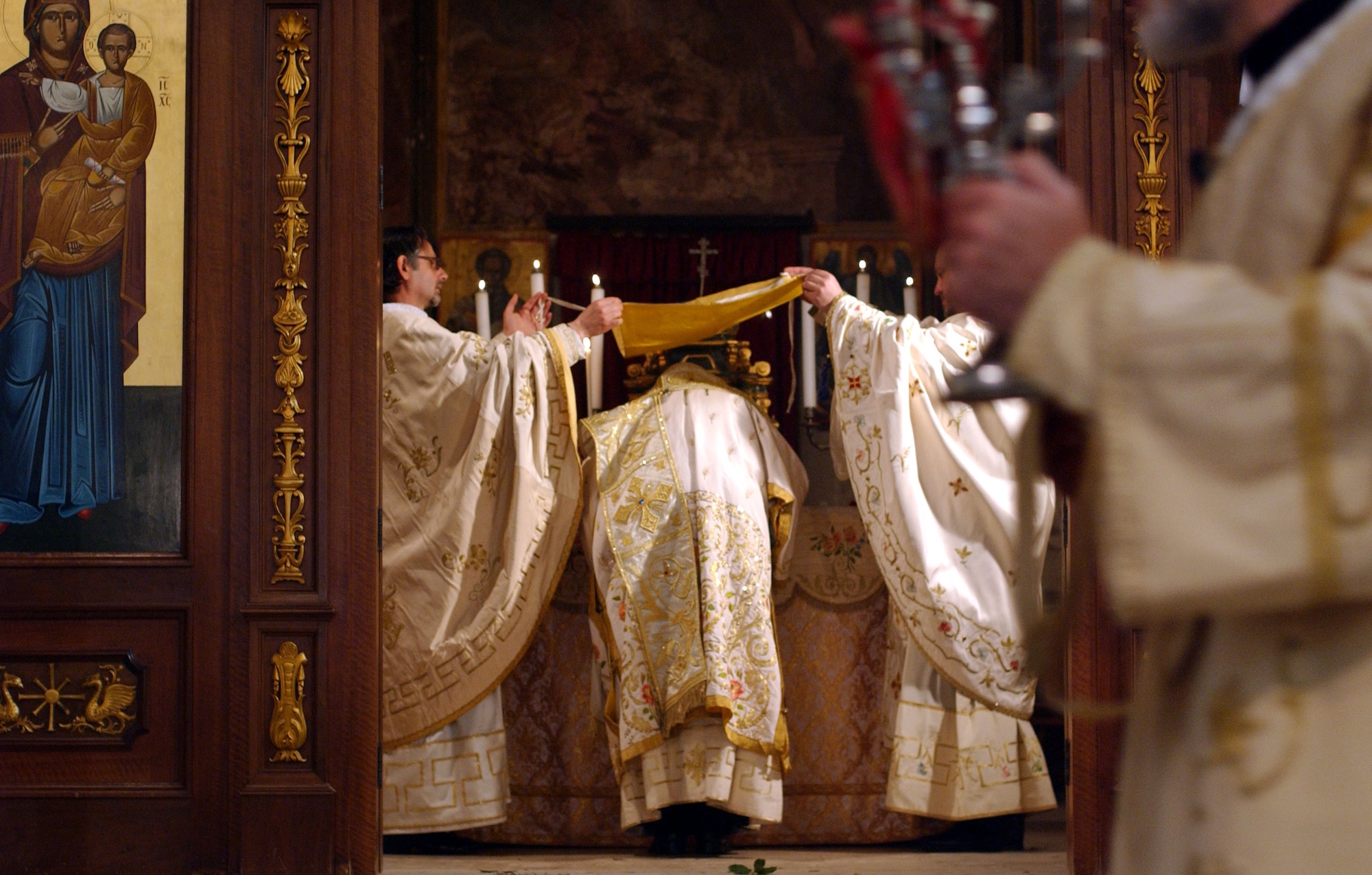
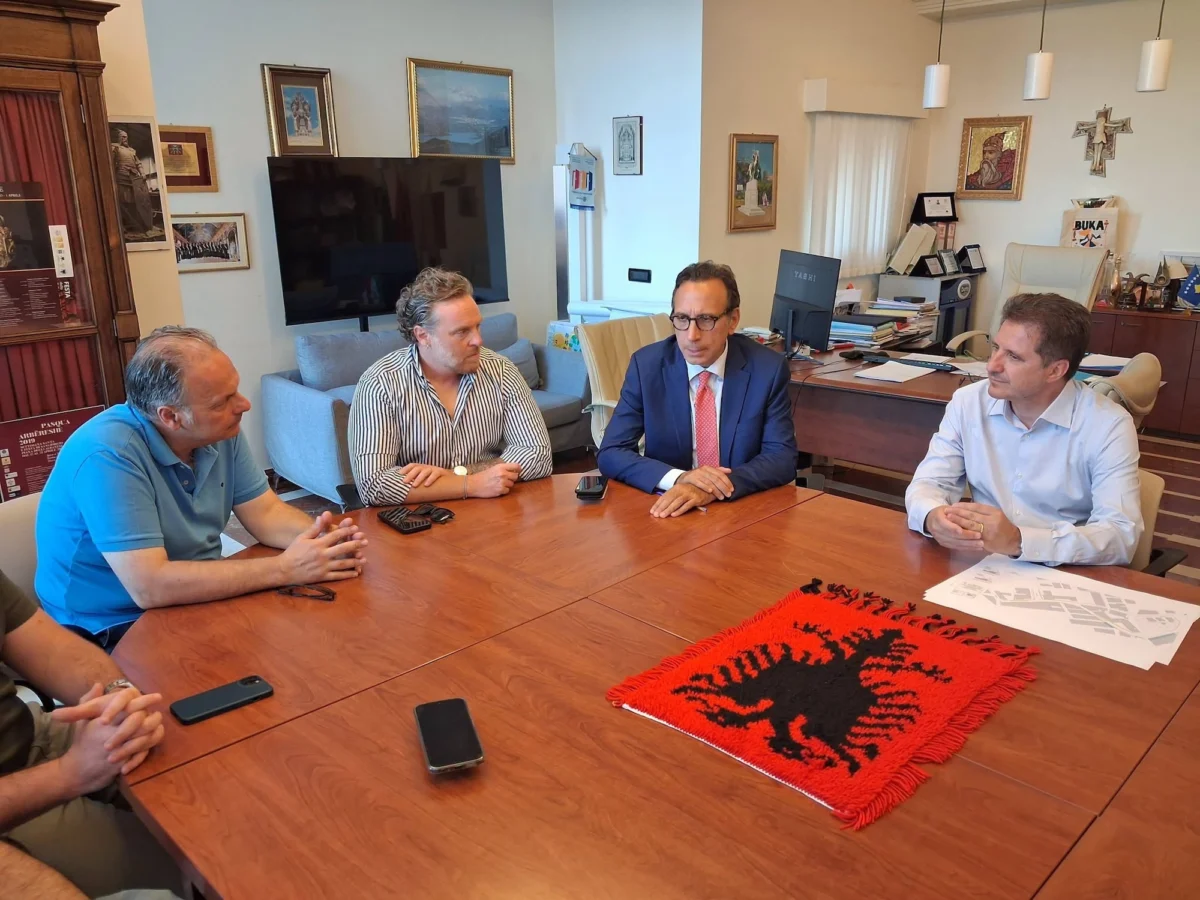
Anthony Plescia, president of the Arbëreshë of Sacramento association, represents a long-standing diaspora that has successfully integrated into American life while maintaining a nostalgic, yet increasingly detached, connection to "Hora"—the Arbëreshë name for their ancestral home. Plescia notes that while his ancestors left for economic opportunity, today’s migrants are leaving for environmental stability.
"Losing touch with one’s past is often the price of safety," says Plescia, who recently visited Piana to discuss a potential confederation of Arbëreshë organizations to bridge the gap between the diaspora and the shrinking community in Sicily.
Implications for the Future
The situation in Piana degli Albanesi serves as a sobering case study for the European Environment Agency, which has warned that climate change disproportionately affects vulnerable, linguistically distinct, and rural populations. As these communities lack the political capital to command large-scale, long-term infrastructure investment, they are often left to manage the decline on their own.
Adaptation efforts are underway, albeit on a micro-scale. Some farmers are experimenting with cattle breeds more resilient to heat, accepting that the traditional products of their region may change forever as a result. Others, like Anna Liscari, who relocated to Newport Beach, believe the window for such adaptations is closing. Liscari, whose family was once prominent in the local culinary scene, views the current struggle as a failure of policy.
"We survived 500 years of war and displacement," she reflects. "It is profoundly ironic that our history might end because of an inability to mitigate the effects of a changing climate."
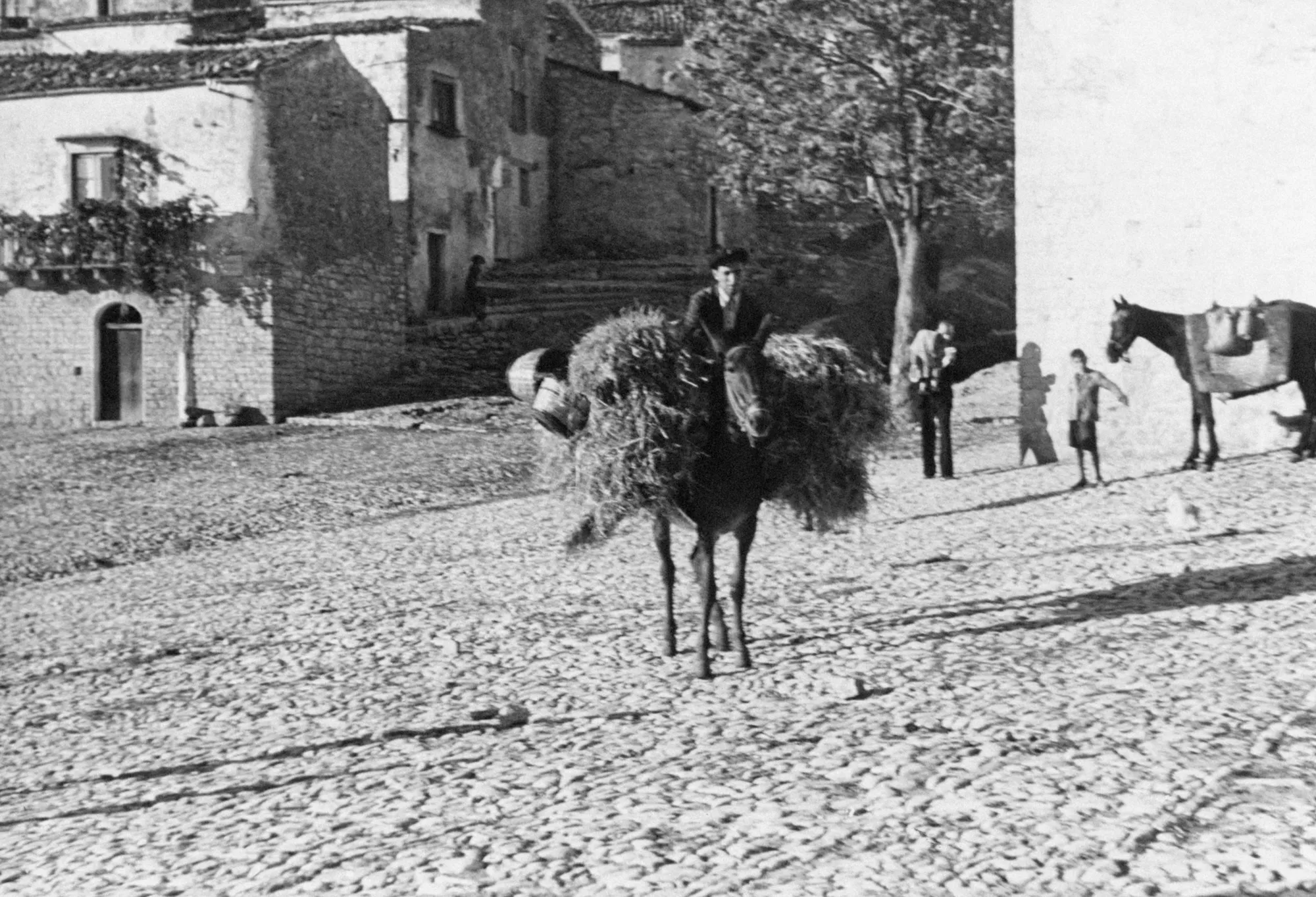
As the demographic clock ticks, the future of the Arbëreshë people rests on whether the international community and national governments will prioritize the protection of these "living museums." For now, the cobblestone streets of Piana remain, but the vibrant culture they once sustained is increasingly becoming a memory kept alive in parks in Sacramento and the stories told by those who had to leave to survive. The intersection of climate change and cultural preservation is no longer a theoretical concern for the future; it is the lived reality of a people fighting to remain on the land that has defined them for half a millennium.
Related posts: