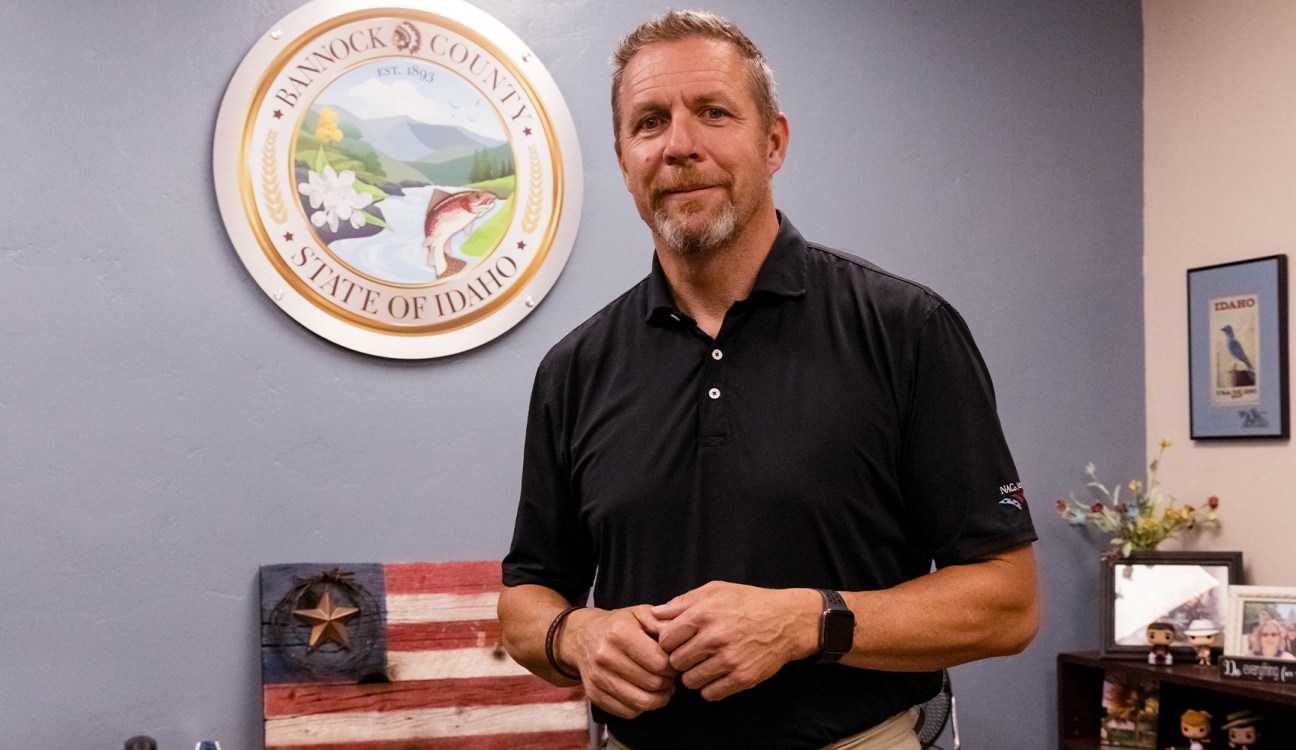
Jeff Hough stood before a crowded courthouse in Bannock County, Idaho, his voice steady as he invoked the foundational principles of the United States. As a Republican county commissioner, his plea to his colleagues was rooted in a concept often held sacred in the American West: the sanctity of private property rights. He argued that a proposed ordinance—one designed to impose a sweeping ban on utility-scale solar and wind development—represented an overreach that would stifle the economic autonomy of the very constituents the commission was elected to serve. Despite his impassioned dissent, the ordinance passed by a 2-1 margin in March 2024, signaling a trend that would soon ripple across the American rural landscape.
The ban in Bannock County was not an isolated event; it was a microcosm of a deepening ideological divide in rural America. As of 2025, nearly 25 percent of all U.S. counties had enacted some form of moratorium or restriction on clean energy development, a marked increase from 15 percent in 2023. Analysis indicates that more than 60 percent of these restrictive measures are occurring in rural areas, where concerns over land use, aesthetic changes, and perceived threats to traditional agriculture often outweigh the promise of tax revenue or regional energy security.
A Timeline of Conflict and Reconsideration
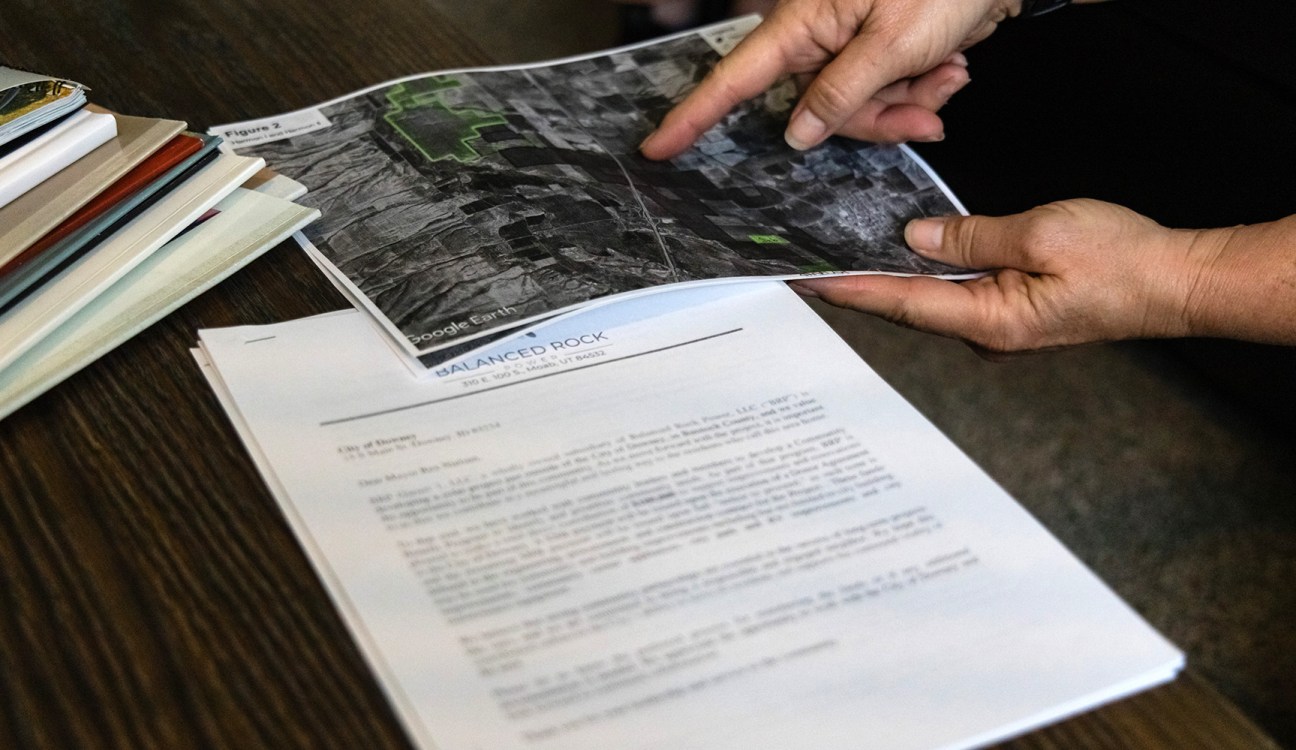
The controversy in Bannock County began in late 2023, shortly after the Idaho Association of Counties convened in Boise. The primary focus of that meeting was the Lava Ridge Wind Project, a massive 1-gigawatt development slated for 57,000 acres of federal land. The project faced intense local scrutiny, eventually leading to its cancellation by the U.S. Department of the Interior in August 2025. The cautionary tale of Lava Ridge acted as a catalyst for Hough, who had recently learned of private energy developers, including Hecate Energy and Balanced Rock Power, approaching local landowners for potential projects.
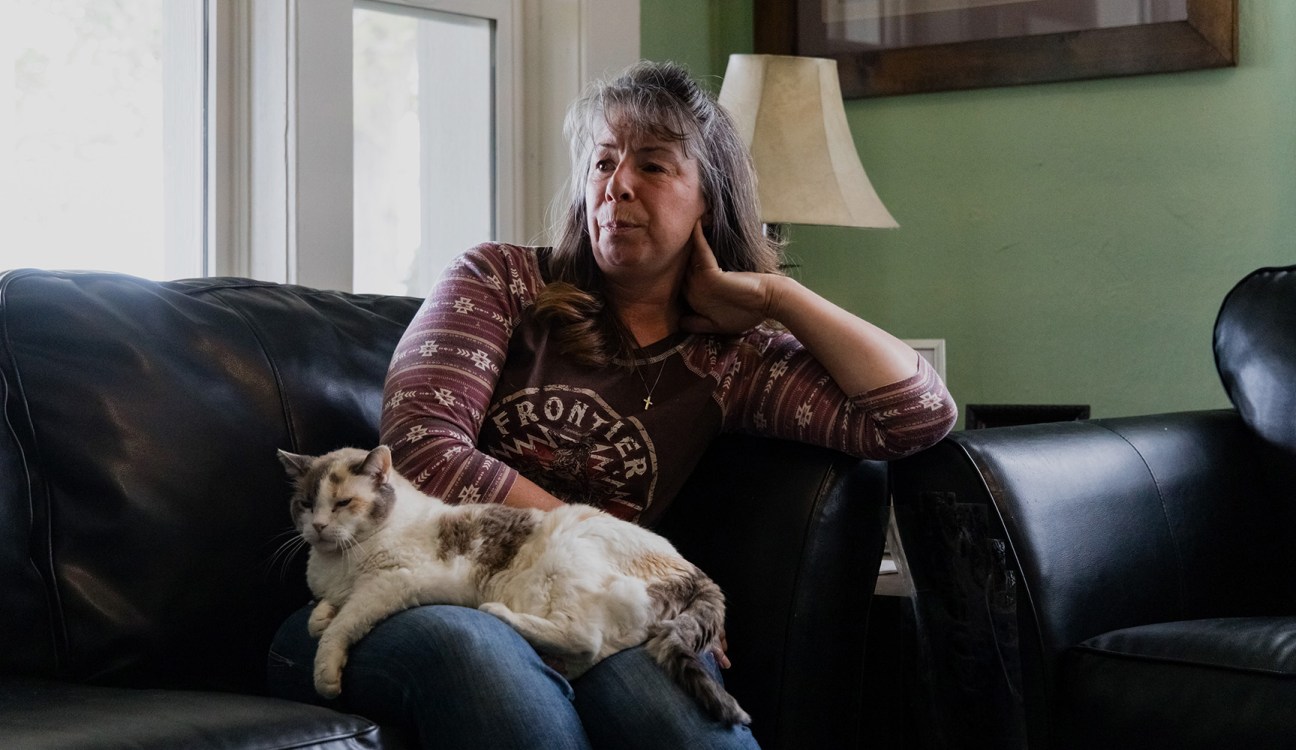
Fearing that the lack of a regulatory framework would lead to uncontrolled development, Hough spearheaded a six-month moratorium in October 2023. The goal, he claimed, was to establish thoughtful land-use ordinances. However, the temporary pause empowered a vocal segment of the population, led by residents like Rebecca Falcon, to push for a permanent ban. By the February 2024 public hearing, the county was sharply divided. The resulting March vote to ban large-scale renewables left the door firmly shut for nearly two and a half years.
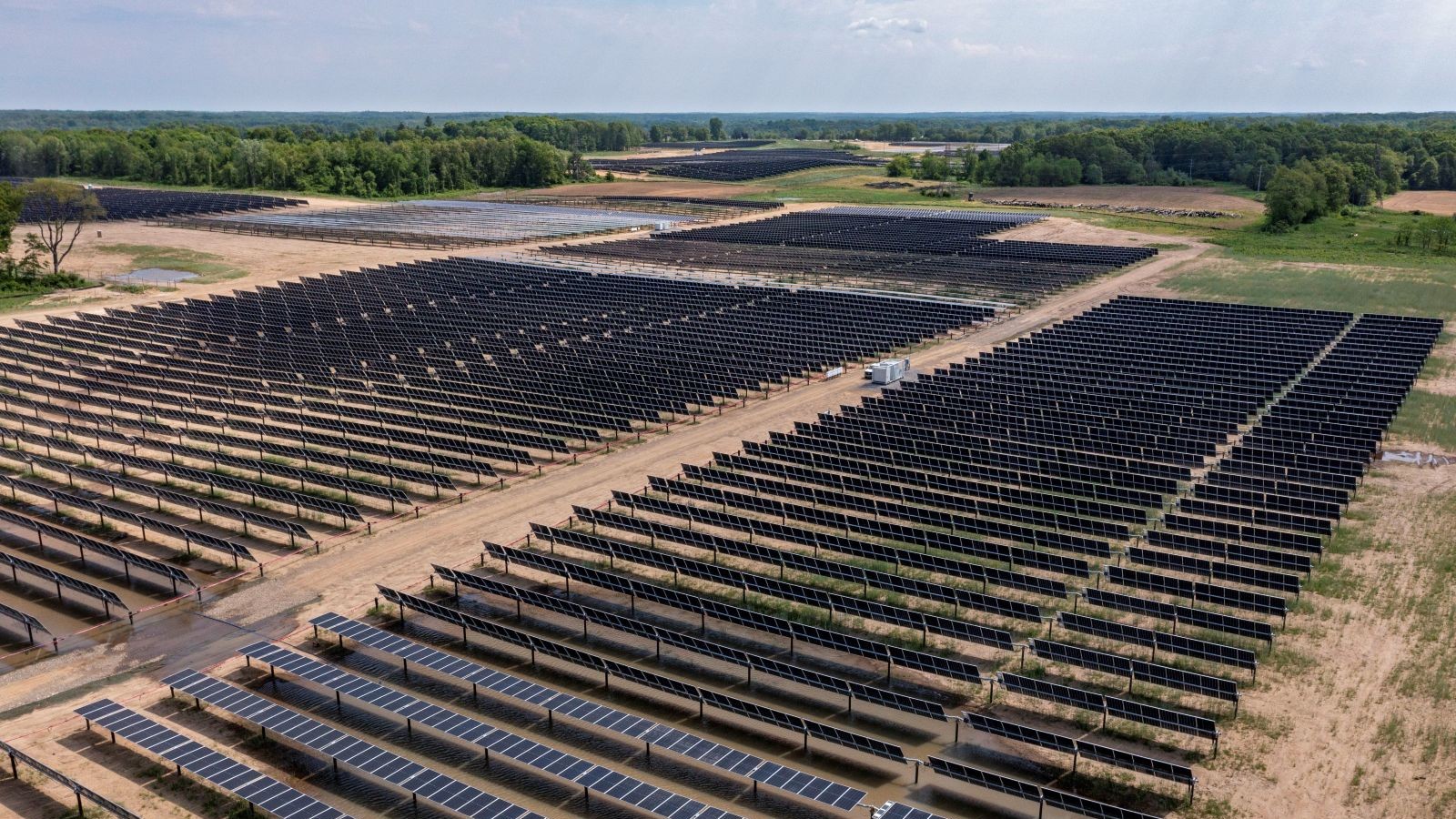
Now, as the calendar turns toward late 2026, the political winds in Bannock County are shifting. Having ascended to the role of commission chair, Hough has spent the better part of his tenure attempting to reverse the decision. A new draft ordinance, currently under public review, aims to integrate solar, wind, and—notably—nuclear energy into the county’s development landscape.
The Economic and Energetic Necessity
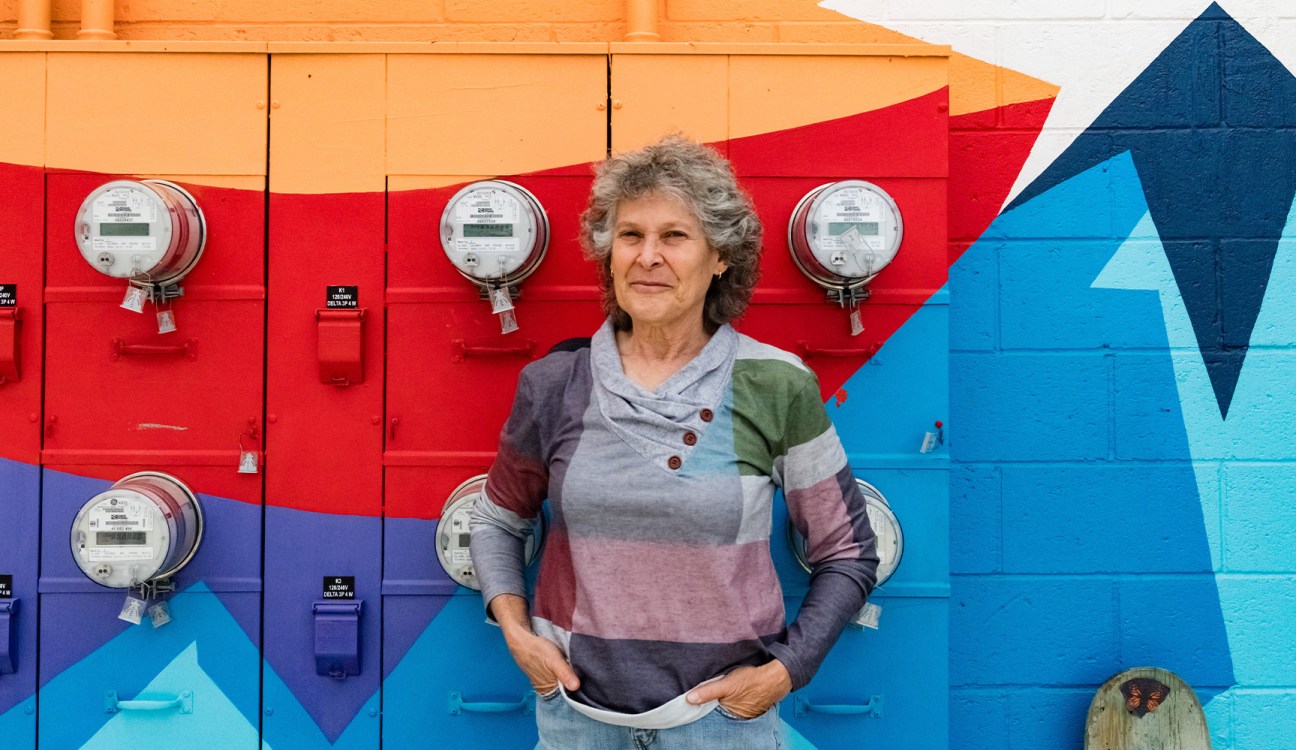
The push to reconsider the ban is driven by stark realities facing the state of Idaho. Idaho Power, the state’s primary utility, has projected a staggering 1-gigawatt increase in electricity demand by 2030, representing a 26 percent surge. Aaron Menenberg, the Idaho policy manager for the nonprofit Renewable Northwest, has been vocal about the implications of these figures. "The need to build stuff now is critical to Idaho’s economic future," he noted. "We can’t afford to say no to anything."
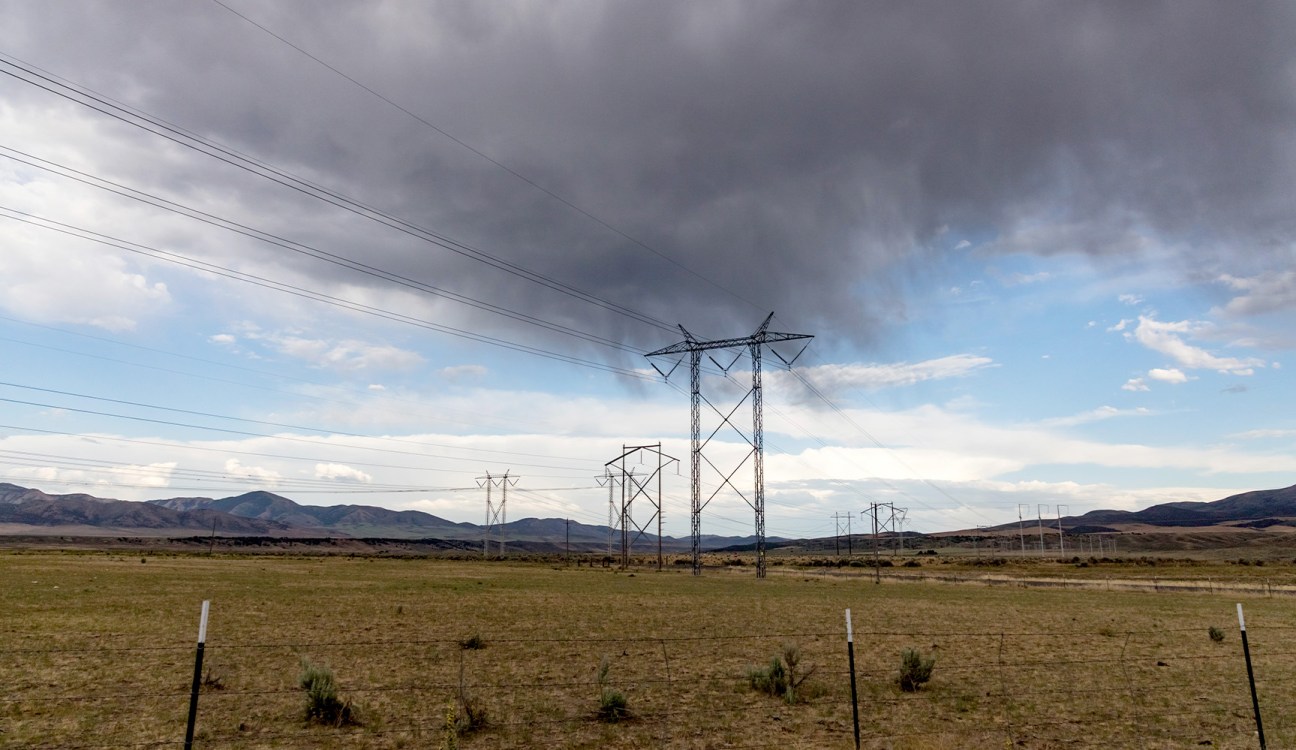
Bannock County is uniquely positioned to address these needs. It serves as a regional energy nexus, home to the Populus substation, a critical infrastructure point that facilitates power flow between Idaho, Utah, Wyoming, and the Pacific Northwest. Developing energy projects near this existing node is significantly more cost-effective than building in remote areas, potentially lowering utility costs for consumers across the region.
Furthermore, the economic decline of rural Idaho communities has made the financial incentives of renewables increasingly attractive. In neighboring Power and Bingham counties, utility-scale projects generated hundreds of thousands of dollars in annual tax revenue in 2024 alone. For a county like Bannock, where rural services such as hospitals, banks, and grocery stores have shuttered, these funds represent a lifeline for infrastructure and public services.
The Nuclear Alternative
A significant development in the ongoing debate is the surprising alignment of interests regarding nuclear energy. While renewable energy remains a flashpoint for debate, a January 2026 county survey revealed that 90 percent of 700 respondents held favorable views toward nuclear development.
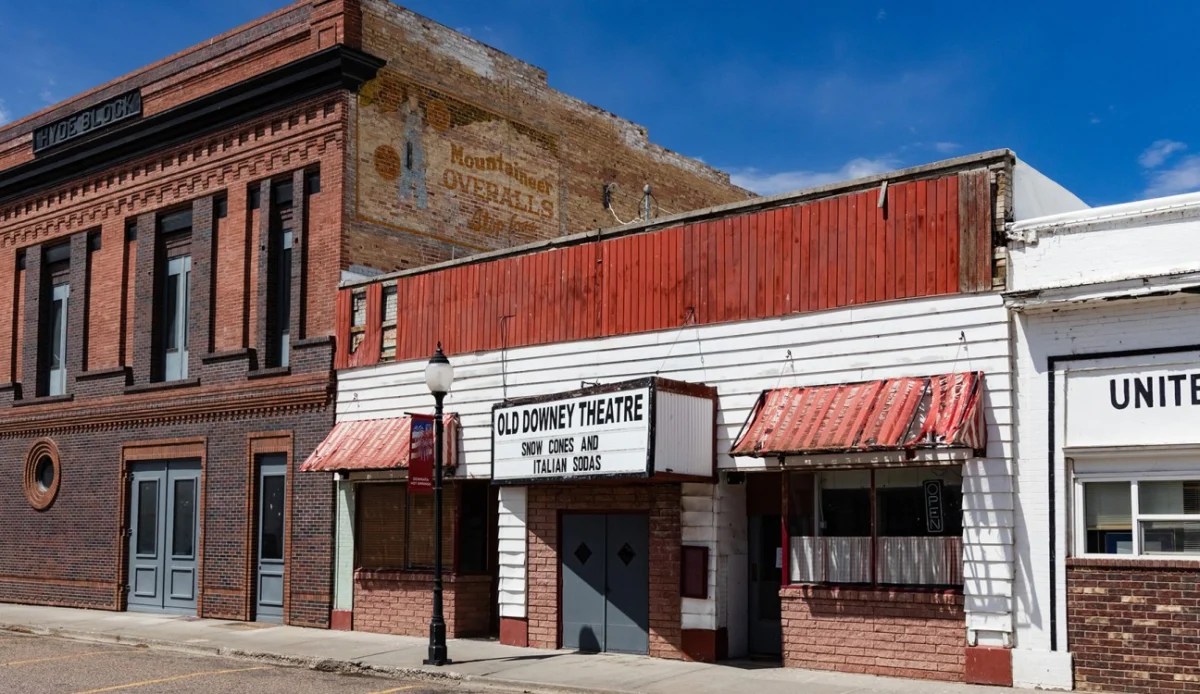
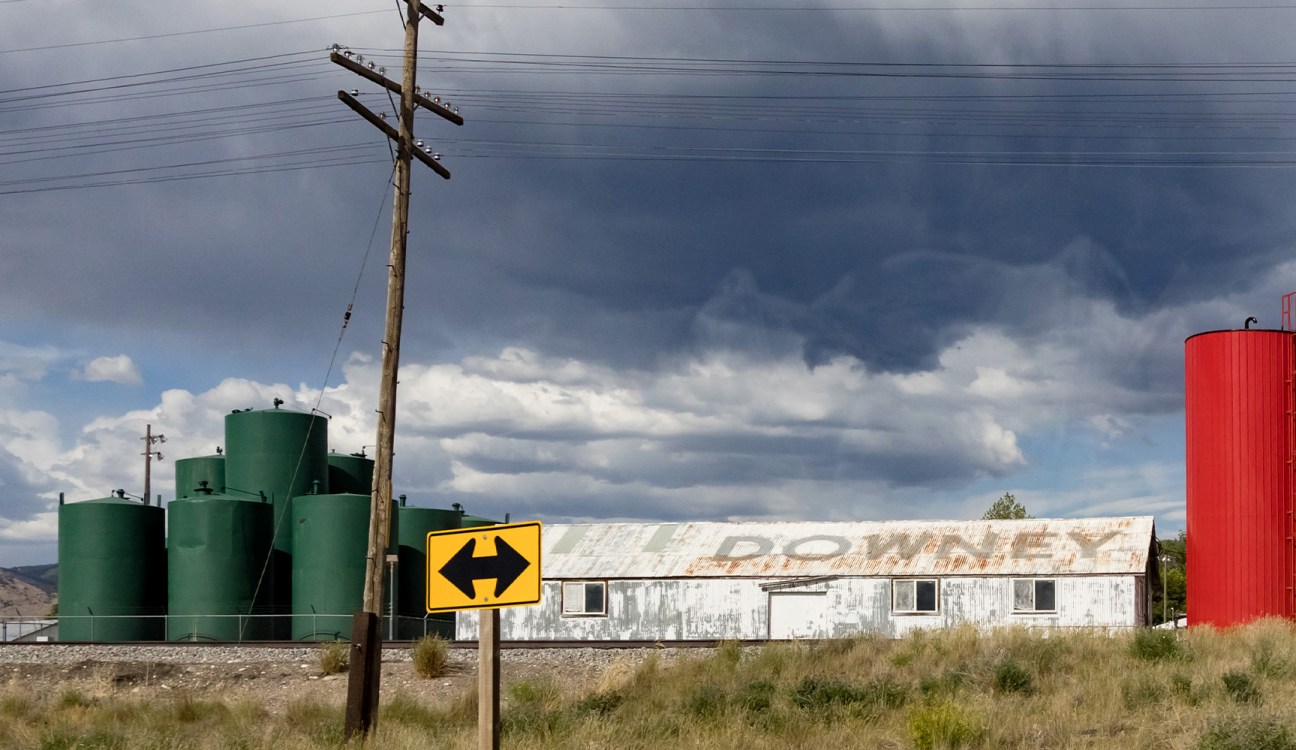
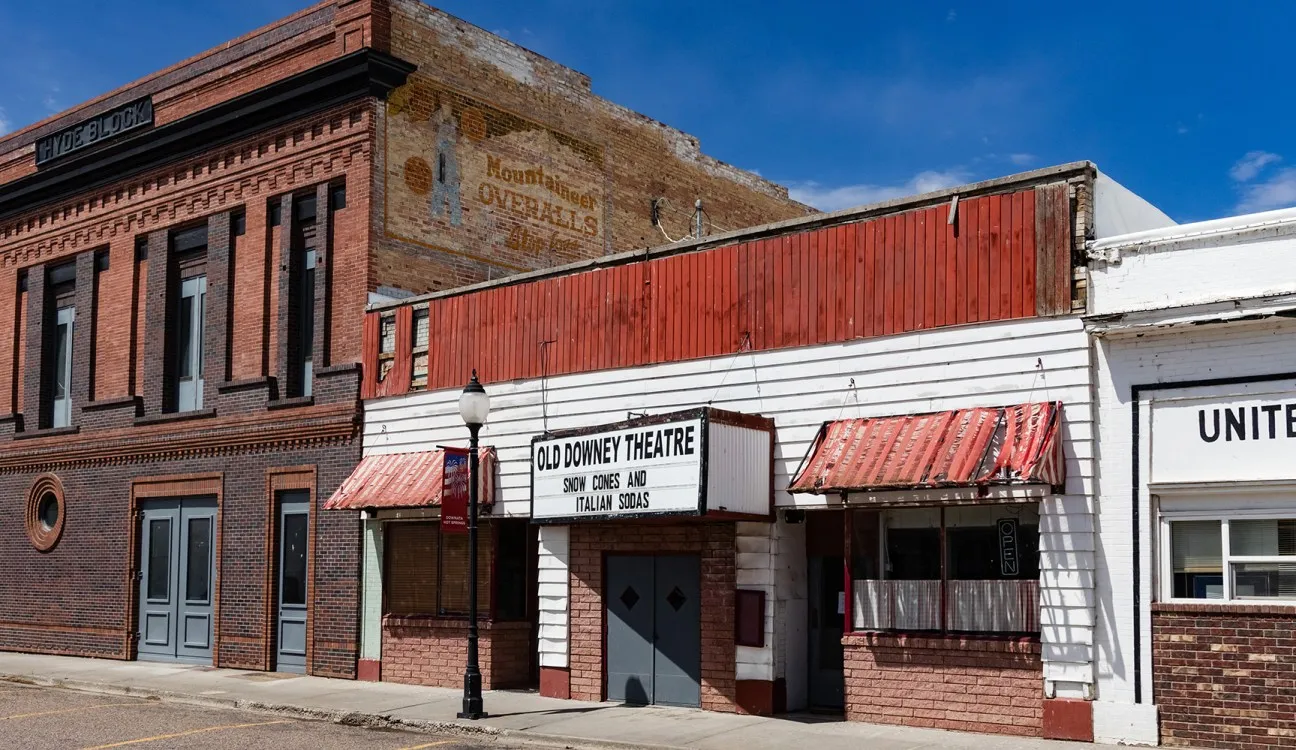
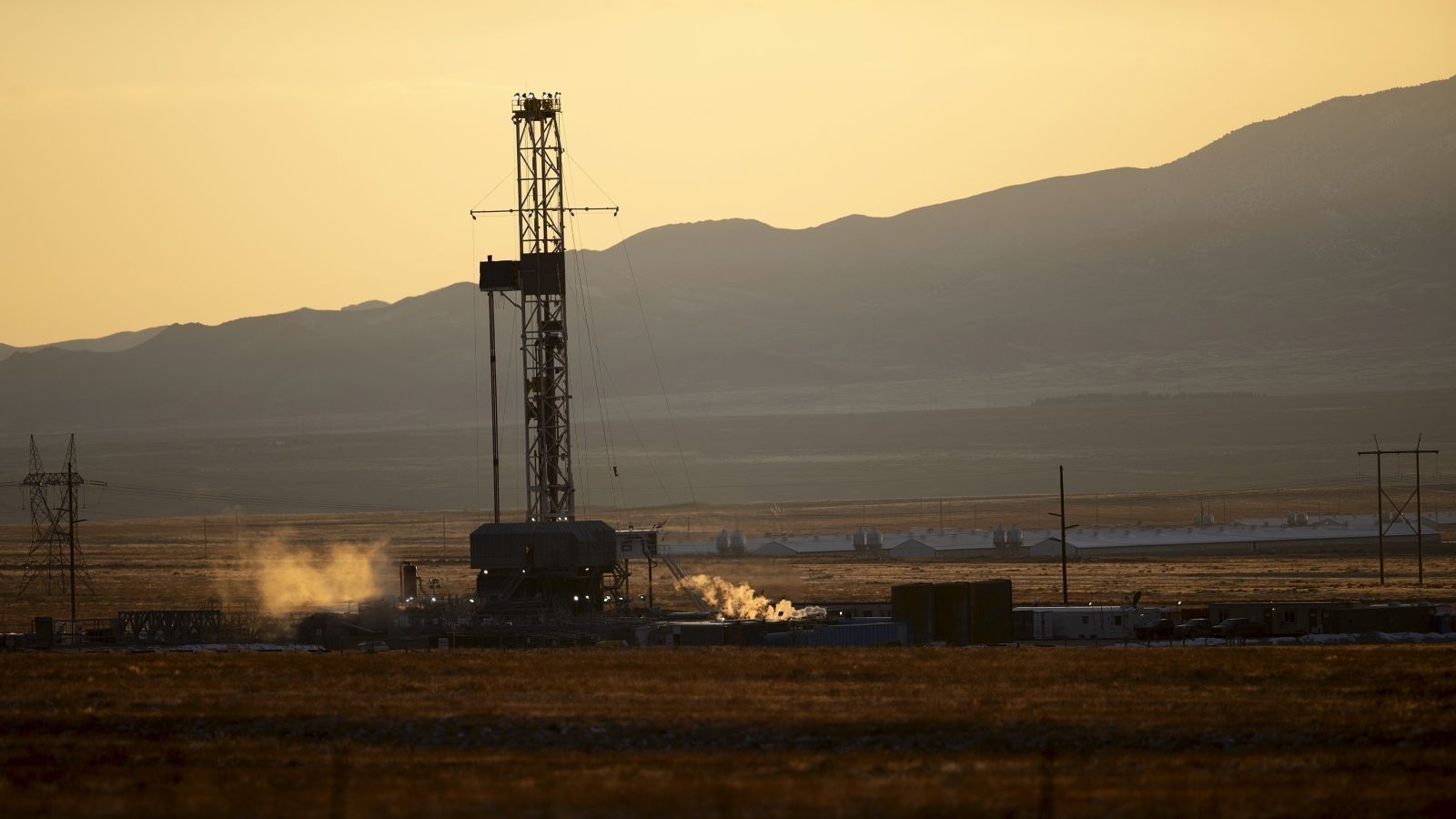
This preference is heavily influenced by the proximity of the Idaho National Laboratory (INL), a leader in advanced nuclear research. The U.S. Department of Energy’s recent $60 million investment into AI-driven nuclear innovation at INL, coupled with the Trump administration’s push to expedite microreactor test beds, has created a sense of local optimism. Many opponents of solar, including those in the Downey area, have stated they would welcome a small, high-density nuclear plant over the sprawling footprint of solar arrays.
However, industry experts caution that the "nuclear revival" is fraught with engineering and supply chain hurdles. While projects like the TerraPower facility in Kemmerer, Wyoming, are generating excitement, the sector remains in its infancy in terms of commercial viability. As Commissioner Hough has pointed out, nuclear energy is a long-term goal that may be a decade away, leaving the county to reconcile its immediate need for power with its long-term industrial aspirations.
The Human Toll: Agriculture and Tradition
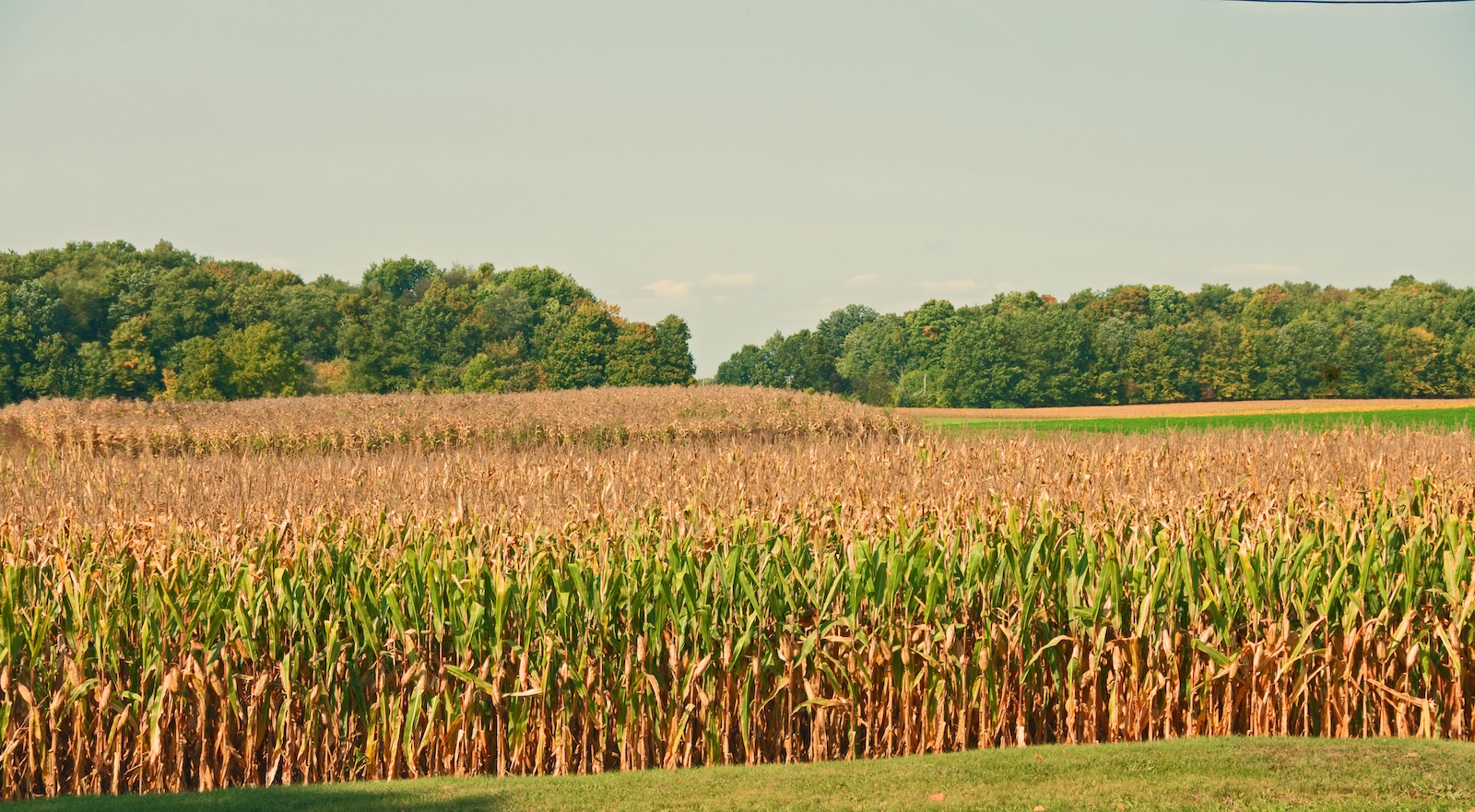
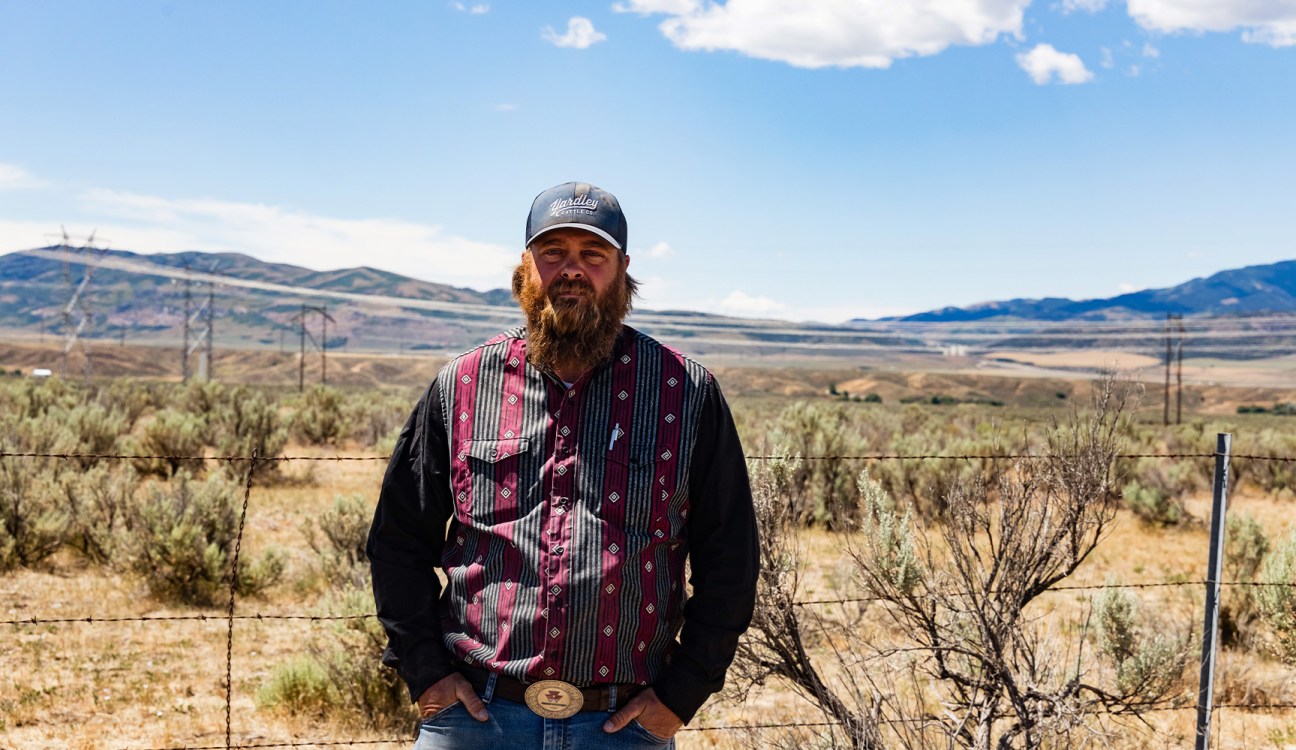
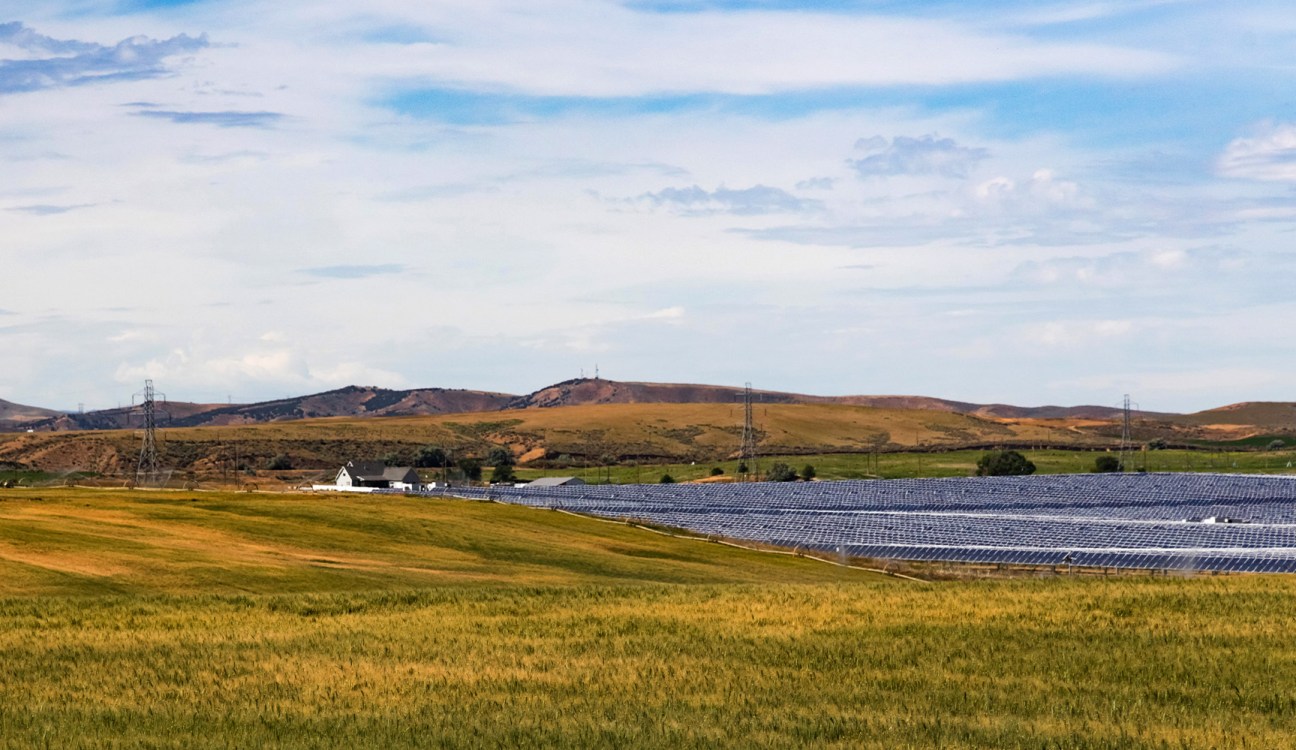
The struggle in Bannock County is, at its heart, a conflict over heritage. For farmers like Steve Criddle and Dale Lish, the transition to solar represents a necessary evolution in the face of climate change. With historic drought conditions and record-low snowfall, traditional dryland grain farming has become increasingly unsustainable.
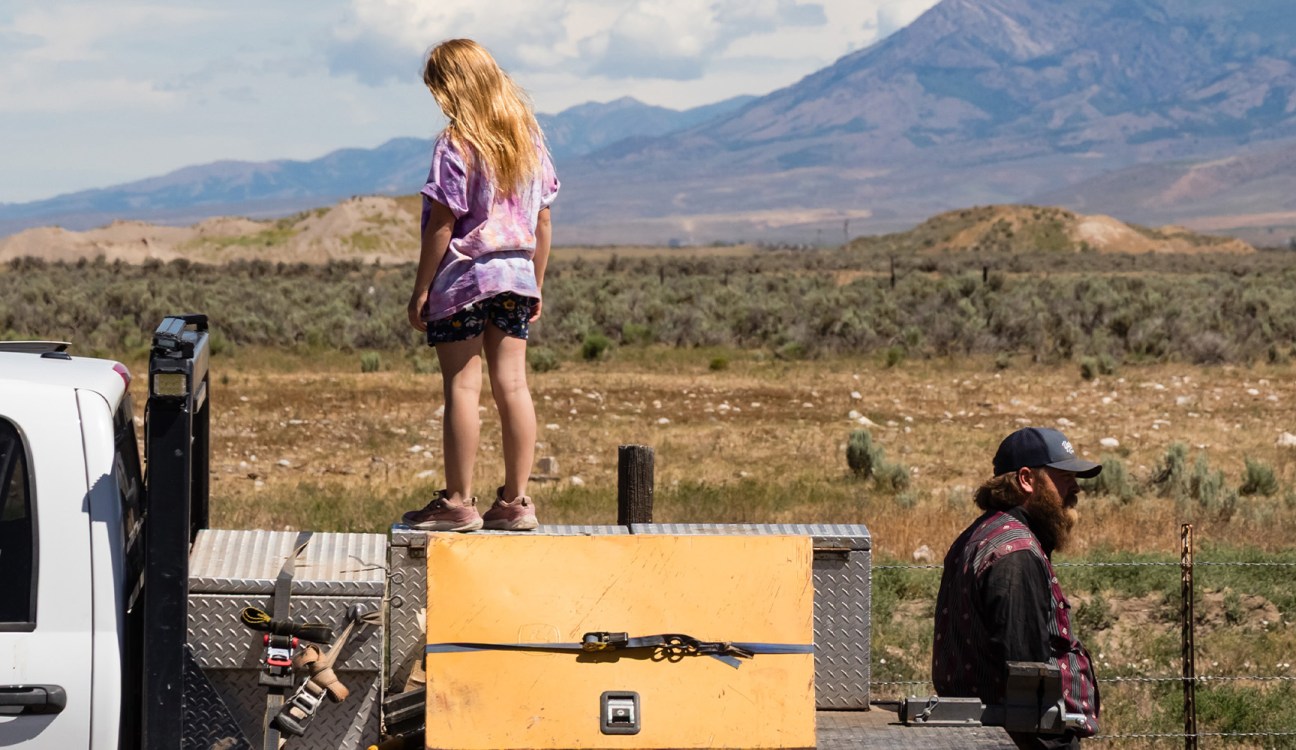
"We don’t get enough moisture anymore," Criddle remarked, noting that a field that once produced 800 bales of hay now yields only a dozen. For families who have held land since the late 19th century, the choice to lease ground for solar is often a desperate bid to preserve the family farm for the next generation. Conversely, critics like Rebecca Falcon argue that the industrialization of the landscape is an irreversible sacrifice of prime agricultural land, fearing that once the "ag" character of the valley is gone, it can never be reclaimed.
Future Implications and Policy Challenges
The upcoming vote on the new ordinance will serve as a bellwether for how rural counties across the United States handle the energy transition. The draft language, which includes stringent requirements for decommissioning bonds and developer-funded training for local fire departments, suggests a move toward a more regulated, "responsible" development model.
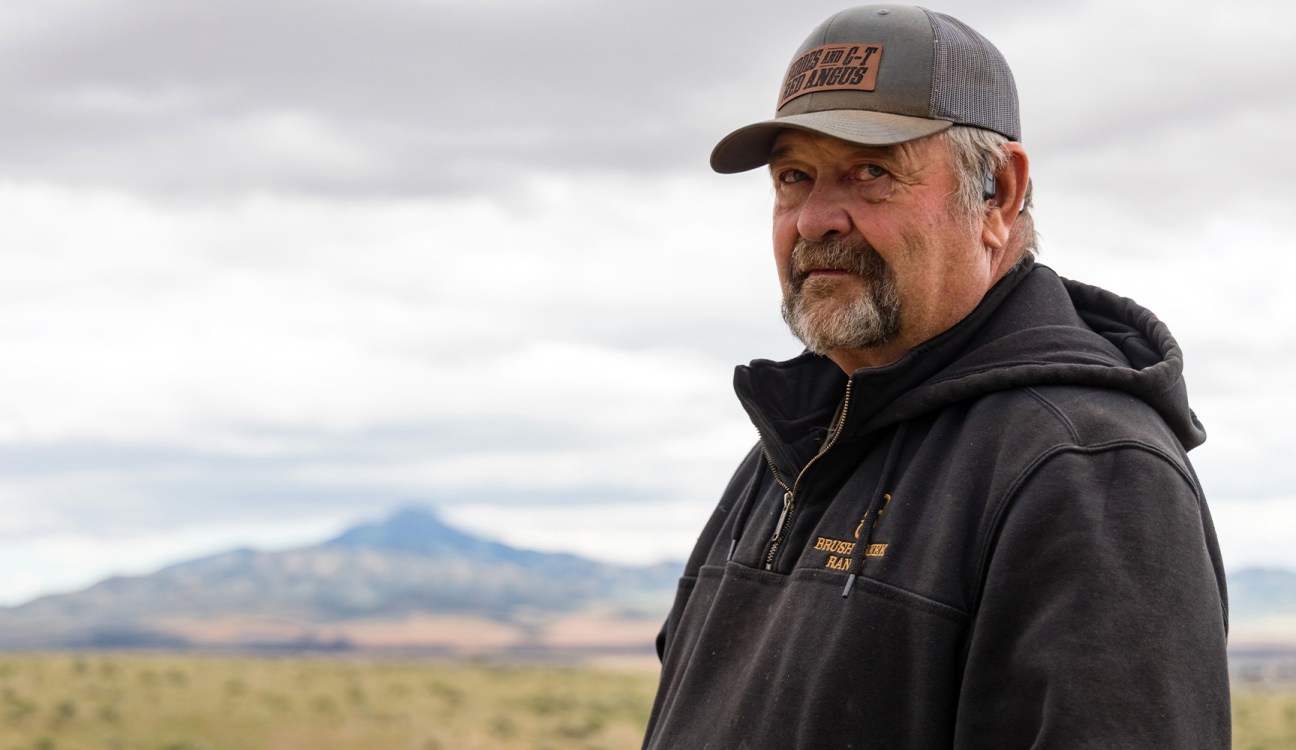
Commissioner Ernie Moser, who once supported the ban, has recently indicated that his position is softening. His evolution reflects a growing realization among local officials that the status quo is untenable. "It’s not a personal choice. It’s hard choices," Moser stated, emphasizing that he views himself as a steward of the land for his constituents’ descendants.
As the commission prepares for the final vote, the broader implications are clear: the tension between local control, private property rights, and the national necessity for energy infrastructure will continue to shape the American landscape. Whether Bannock County chooses to embrace a diverse energy portfolio or continues to prioritize traditional land use will likely serve as a roadmap—or a warning—for other communities standing at the crossroads of progress and preservation. The final decision, expected this fall, will effectively determine whether the region remains a closed door or becomes a key contributor to the future of the Western power grid.