Bears Ears Mining Rush Signals Intensifying Conflict Over Public Land Protections

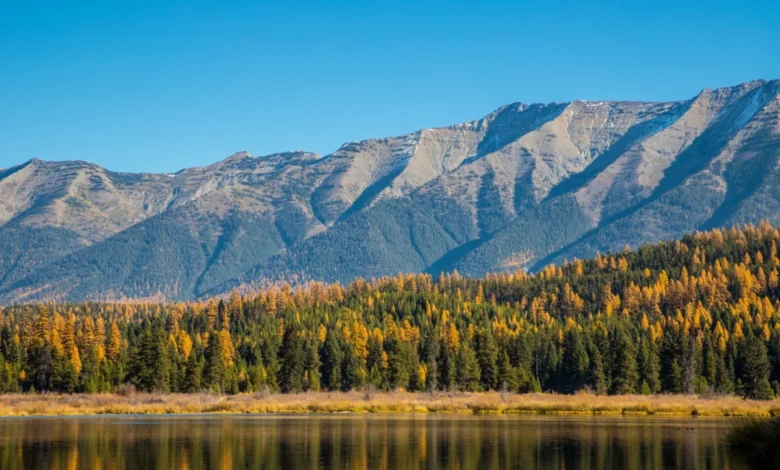
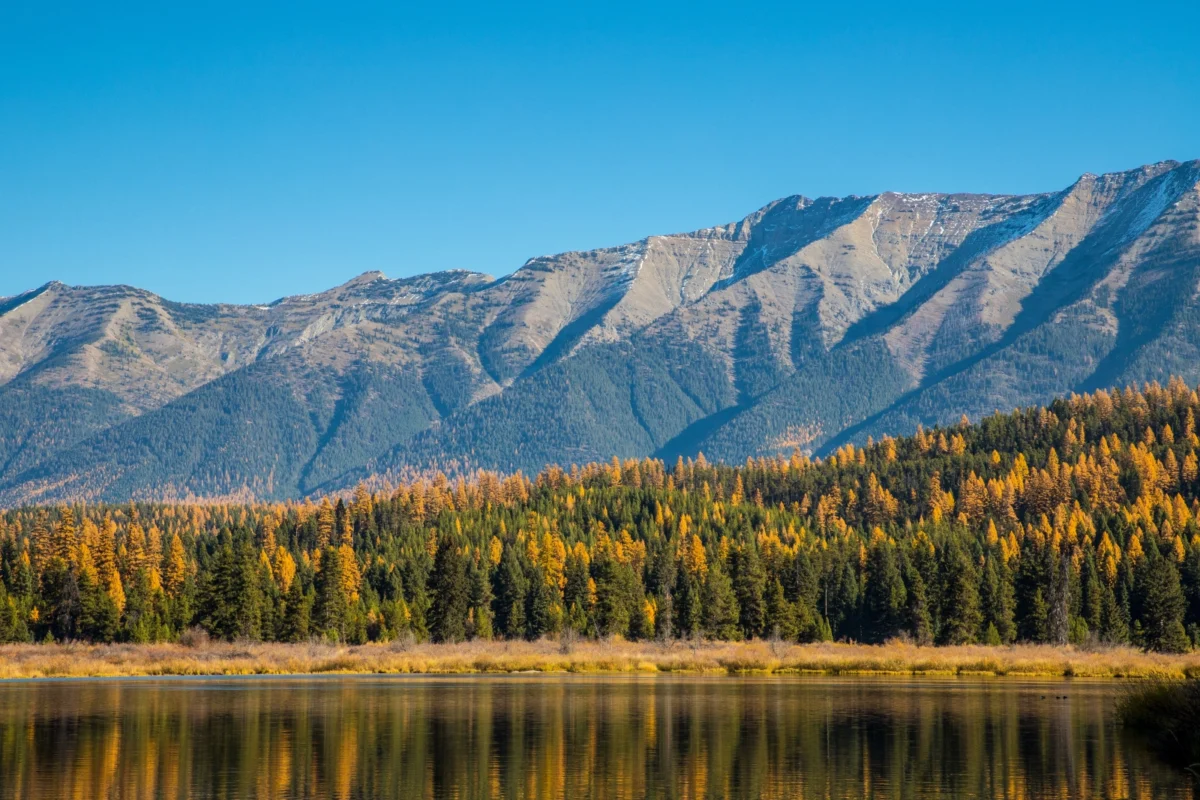
The landscape of southeast Utah, a region defined by its profound cultural heritage and rugged geological formations, has once again become the epicenter of a national debate over the preservation of federal lands. On September 11, the Bureau of Land Management (BLM) officially opened 1.2 million acres of formerly protected land within the Bears Ears National Monument to mineral entry. Within hours, the legal machinery of the mining industry began to turn. By the end of the day, prospectors had filed 16 new mining claims, marking a swift, aggressive move to capitalize on the drastic downsizing of the monument—a move initiated by President Donald Trump just two months prior.
This rapid influx of claims, while small in scale, represents a significant escalation in the ongoing "ping-pong" politics that have characterized the administration of Bears Ears since its inception. For environmental advocates, the move is a harbinger of potential landscape degradation; for local prospectors and mining interests, it is a long-awaited opportunity to tap into resources that they argue are essential to the nation’s economic and energy future.
A Chronology of Contested Territory
The current state of Bears Ears is the result of a decade-long tug-of-war between federal executive power and local land-use interests. The monument was originally established in December 2016 by President Barack Obama, who used his authority under the Antiquities Act to protect 1.35 million acres of land considered sacred by a coalition of five Native American tribes.
In 2017, the Trump administration issued a proclamation to reduce the monument’s footprint by approximately 85 percent, effectively stripping protections from vast swaths of territory. Following his inauguration in 2021, President Joe Biden issued an executive order that not only restored the original boundaries but expanded them slightly. This summer, that protection was once again upended when President Trump, returning to office, signed a new proclamation that once again slashed the monument’s size, effectively reopening the area to mineral extraction.
The recent reopening of these lands to mining claims on September 11 reflects the immediate implementation of that latest executive action. Records obtained by the Southern Utah Wilderness Alliance (SUWA) confirm that the filing of these claims was highly coordinated, with local actors like Kimmerle Mining and individual prospectors like George Schultz moving to secure rights the moment the legal barriers were removed.
The Motivations Behind the Rush
The claims filed on September 11 are primarily focused on the potential for uranium, a mineral currently experiencing renewed interest due to the global pivot toward nuclear energy. As artificial intelligence and the expansion of data centers drive unprecedented demand for consistent, carbon-free electricity, nuclear power is being positioned by federal and state officials—including Utah Governor Spencer Cox—as a cornerstone of the national energy grid.
Kyle Kimmerle, a prominent figure in the local mining industry and a managing member of the Moab-based Kimmerle Mining, represents the intersection of these interests. Kimmerle, who also serves on the board of directors for the Canadian firm Urano Energy, has been an outspoken critic of federal land protections. In a 2023 lawsuit, Kimmerle argued that the restoration of Bears Ears’ boundaries by the Biden administration rendered his mining claims "useless," claiming losses of up to $3 million.
His company’s footprint is not new to the region. In 2018, during the previous reduction of the monument, Kimmerle Mining extracted approximately 30 tons of ore from the "Easy Peasy" mine. While that operation was eventually shuttered due to low market prices for uranium, the current geopolitical climate, coupled with the renewed federal focus on domestic mineral security, has fundamentally changed the calculus for investors.
Environmental Concerns and Resource Stewardship
The Southern Utah Wilderness Alliance (SUWA) and other conservation groups have expressed deep concern over the long-term impacts of these mining activities. Steve Bloch, an attorney for SUWA, warns that the proliferation of small-scale mining claims poses a distinct threat to the delicate ecosystem of the Colorado Plateau.
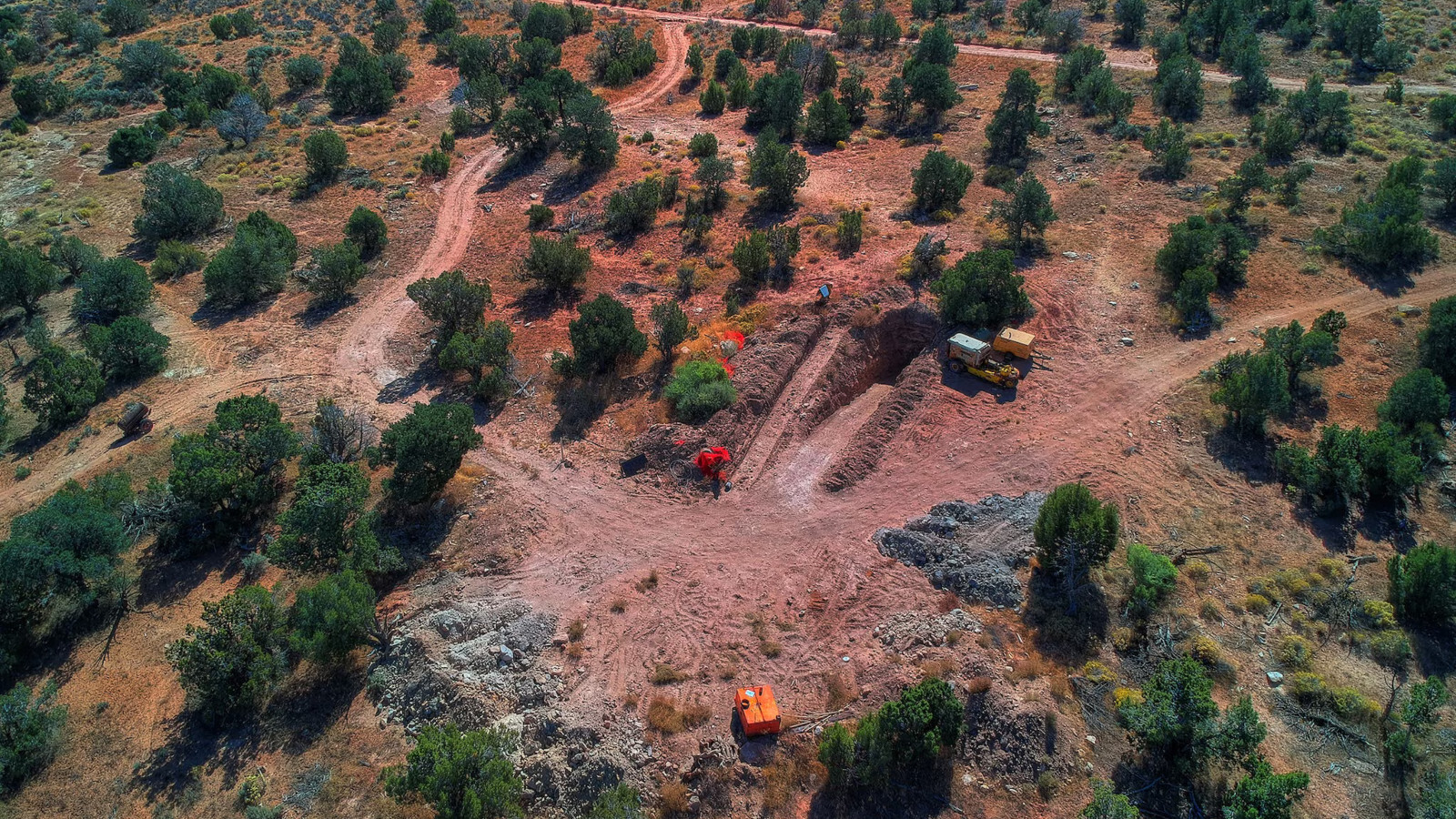
"Hobby miners who want to go locate claims, play miner on the weekend, leave disturbance and pollution in their wake that really damages the monument resources," Bloch stated. He emphasized that the "grab bag of minerals" cited in the recent presidential proclamation—which includes silver, copper, molybdenum, lead, uranium, vanadium, and zinc—serves as an invitation for speculative activity that may yield little in terms of national mineral production but could result in significant environmental scarring.
Critics point out that despite decades of prospecting in the region, the area has rarely proven to be a high-yield source of industrial-grade uranium. Data from the Utah Geological Survey highlights that while Utah was historically a major producer, the economics of extraction in such rugged, remote terrain are notoriously difficult. Bloch noted that even during periods when the monument was reduced, no large-scale, production-level mines were successfully established or maintained, suggesting that the current rush may be driven more by the anticipation of future regulatory shifts than by immediate commercial viability.
The Role of Corporate Interest
The recent filing of claims is not isolated from broader industry trends. Observers have noted that the CEO and chairman of Energy Fuels—a company that operates the White Mesa Mill, the only remaining conventional uranium processing facility in the United States—made significant stock acquisitions shortly before the monument was downsized. This proximity between policy changes and corporate financial maneuvering has drawn scrutiny from transparency watchdogs and environmental groups alike.
The White Mesa Mill, located adjacent to the former monument boundary, stands as the primary destination for any ore extracted from the newly opened claims. The interdependence between the mill’s operations and the accessibility of federal lands is a central theme in the ongoing debate. If mining activity increases, the viability of the mill grows, creating a self-reinforcing loop that proponents argue is vital for American energy independence.
Broader Implications for Public Lands
The case of Bears Ears highlights a fundamental tension in American public land policy: the definition of "multiple use." The Bureau of Land Management is mandated to manage public lands for a variety of purposes, including recreation, conservation, and resource extraction. However, when those uses are diametrically opposed, the administrative process often becomes a reflection of the prevailing political winds.
The latest proclamation by the Trump administration also took the unusual step of disbanding the tribal commission that was established to co-manage the monument alongside the federal government. This decision has sparked significant backlash from Indigenous groups who view the monument as a landscape of cultural and spiritual significance that transcends simple resource valuation. By removing the tribal management component, the current administration has shifted the balance of power decisively toward extractive industries.
As legal challenges continue to move through the courts—including appeals related to the 2021 restoration of the monument—the status of the 1.2 million acres remains in a state of precarious flux. While prospectors continue to stake their claims, the potential for further shifts in the federal administration suggests that these mining rights may not provide the long-term security investors desire.
Conclusion: A Landscape in Limbo
The situation in southeast Utah serves as a microcosm for the larger American conflict over how to manage the nation’s remaining wilderness. As technology-driven energy demands collide with the imperative to preserve cultural heritage and ecological integrity, the stakes have never been higher.
For the residents of Moab and surrounding areas, the debate is not merely academic; it touches on the future of their local economy, their landscape, and their identity. With the 16 initial claims serving as a potential beachhead for further development, the next several months will likely determine whether Bears Ears remains a protected sanctuary or becomes a frontier for a new generation of mineral exploration. For now, the region sits at a crossroads, caught between the legacy of its past and the competing visions of its future.