Climate Change Is Threatening the Survival of Sicily’s Oldest Ethnic Minority Community


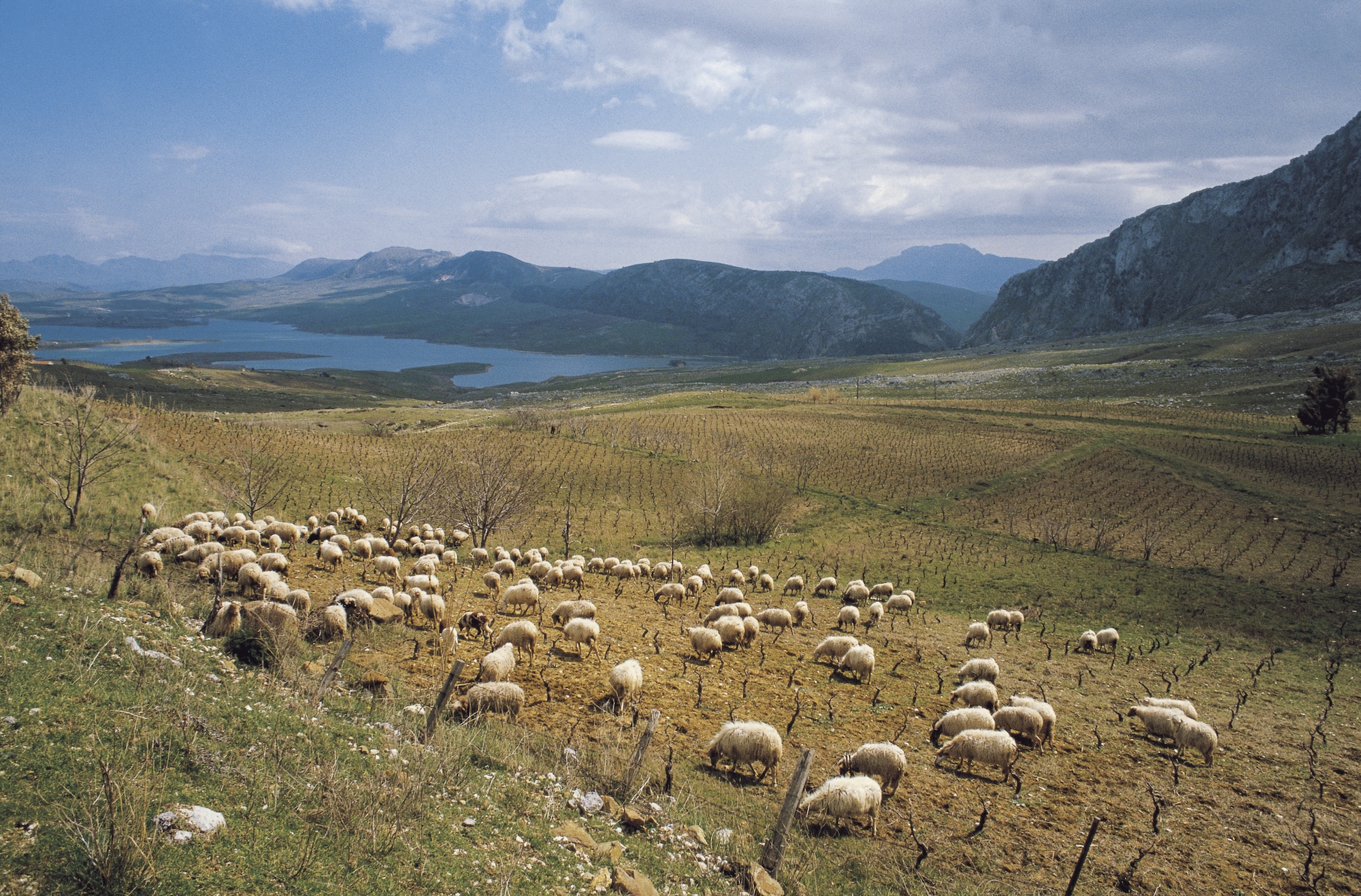
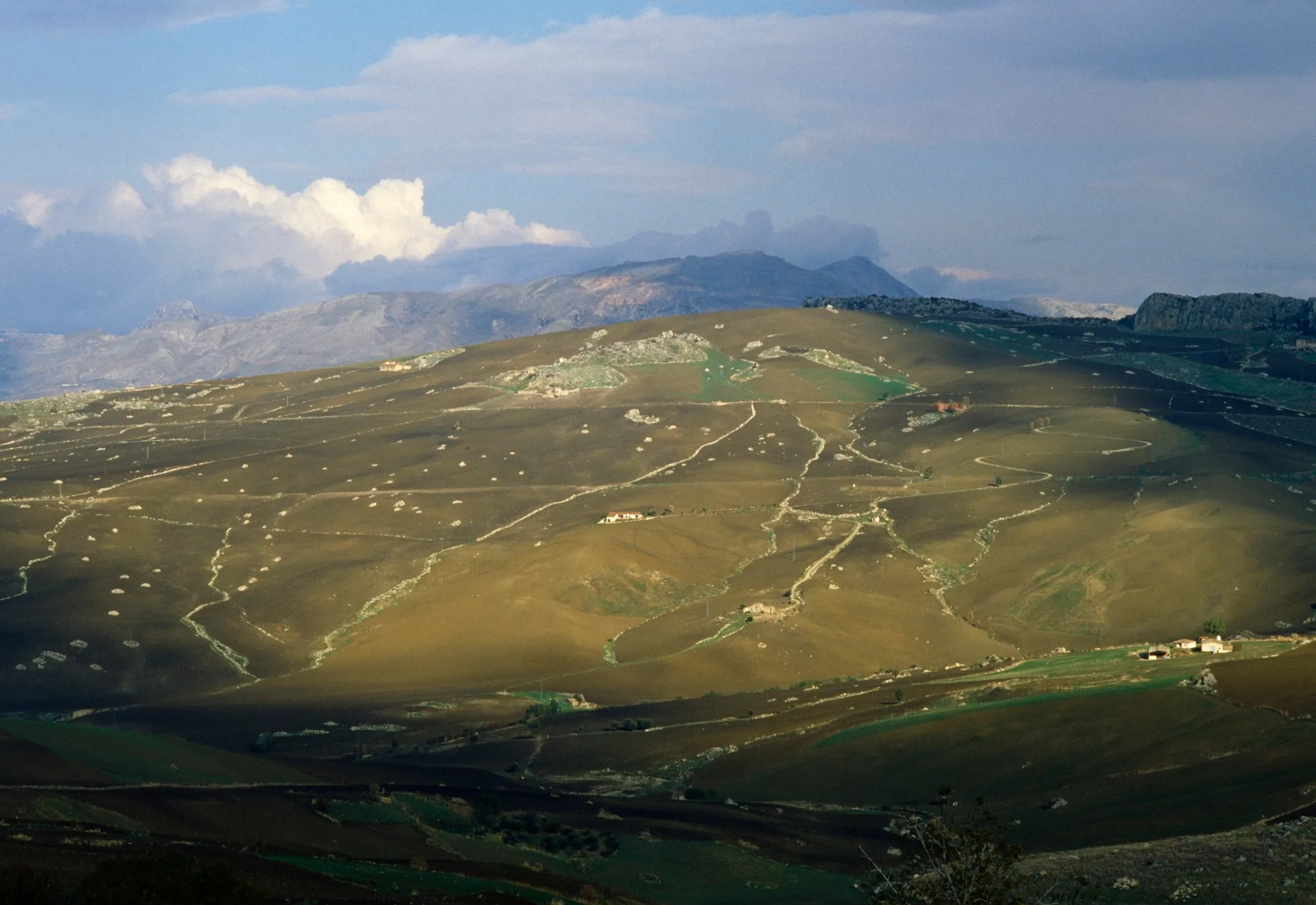
For five centuries, the Arbëreshë people have maintained a distinct cultural enclave on the fertile, rugged plateaus of Piana degli Albanesi, located just south of Palermo. Founded in the 15th century by refugees fleeing the Ottoman conquest of Albania, the community has served as a cornerstone of Sicilian agricultural tradition, renowned for its wheat production and the artisanal craft of ricotta-based pastry making. However, this historic resilience is facing an unprecedented existential challenge: a rapidly changing climate that is accelerating the erosion of both the land and the community’s demographic future.

Giorgia Caruso, a third-generation farmer in Piana, reflects the growing sense of resignation among her peers. For years, she envisioned her daughters inheriting the family farm—a business that, for the Arbëreshë, represents far more than a source of income; it is an extension of their ancestral identity. Today, her perspective has shifted toward a painful necessity. "I have two daughters I wished could take over our farming business one day, which is like our third child," Caruso said, gesturing toward the parched remains of her livestock operations. "Now, I’d like to see them build their lives somewhere safer."
The Turning Point: A Chronology of Environmental Stress
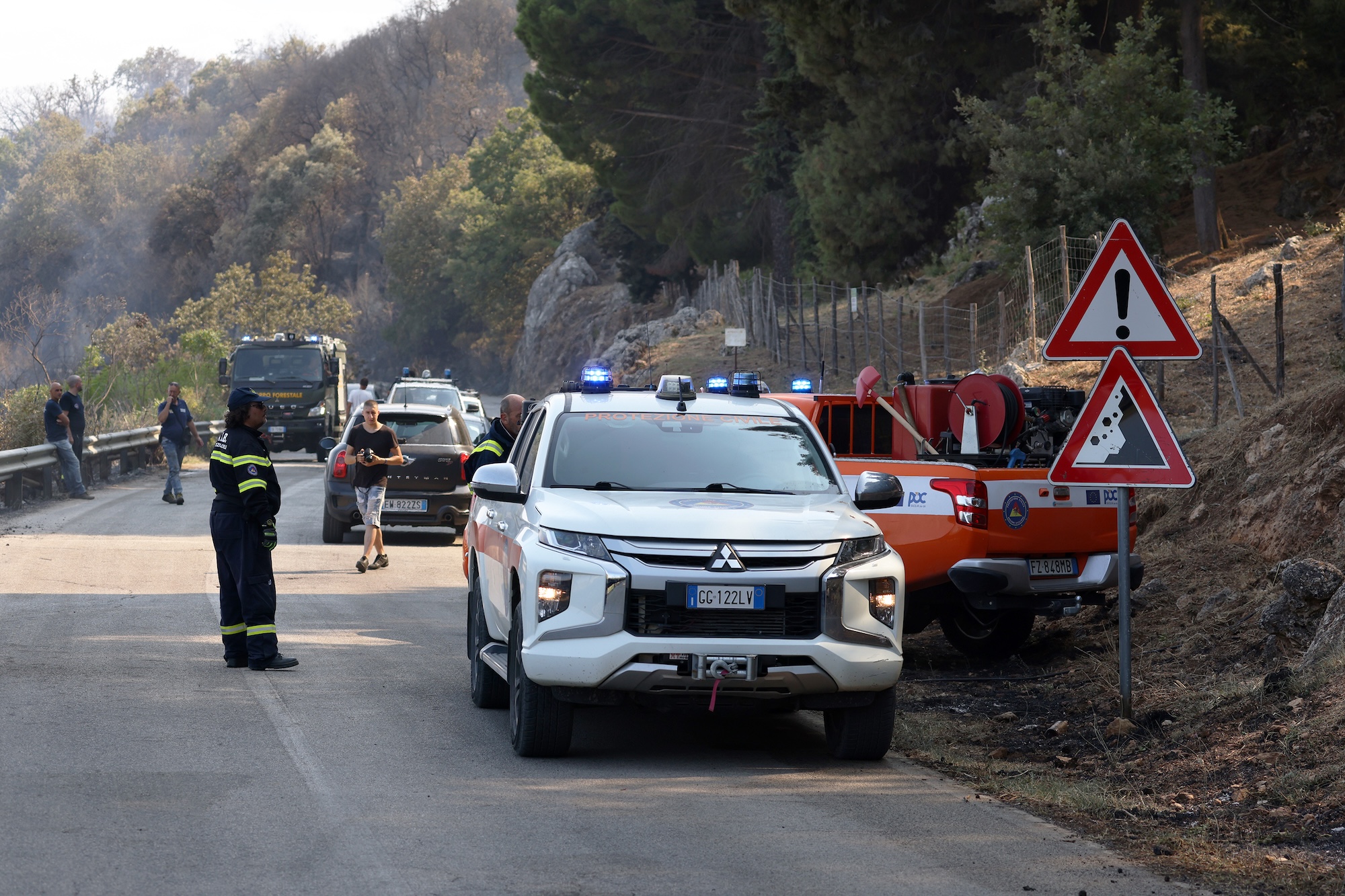
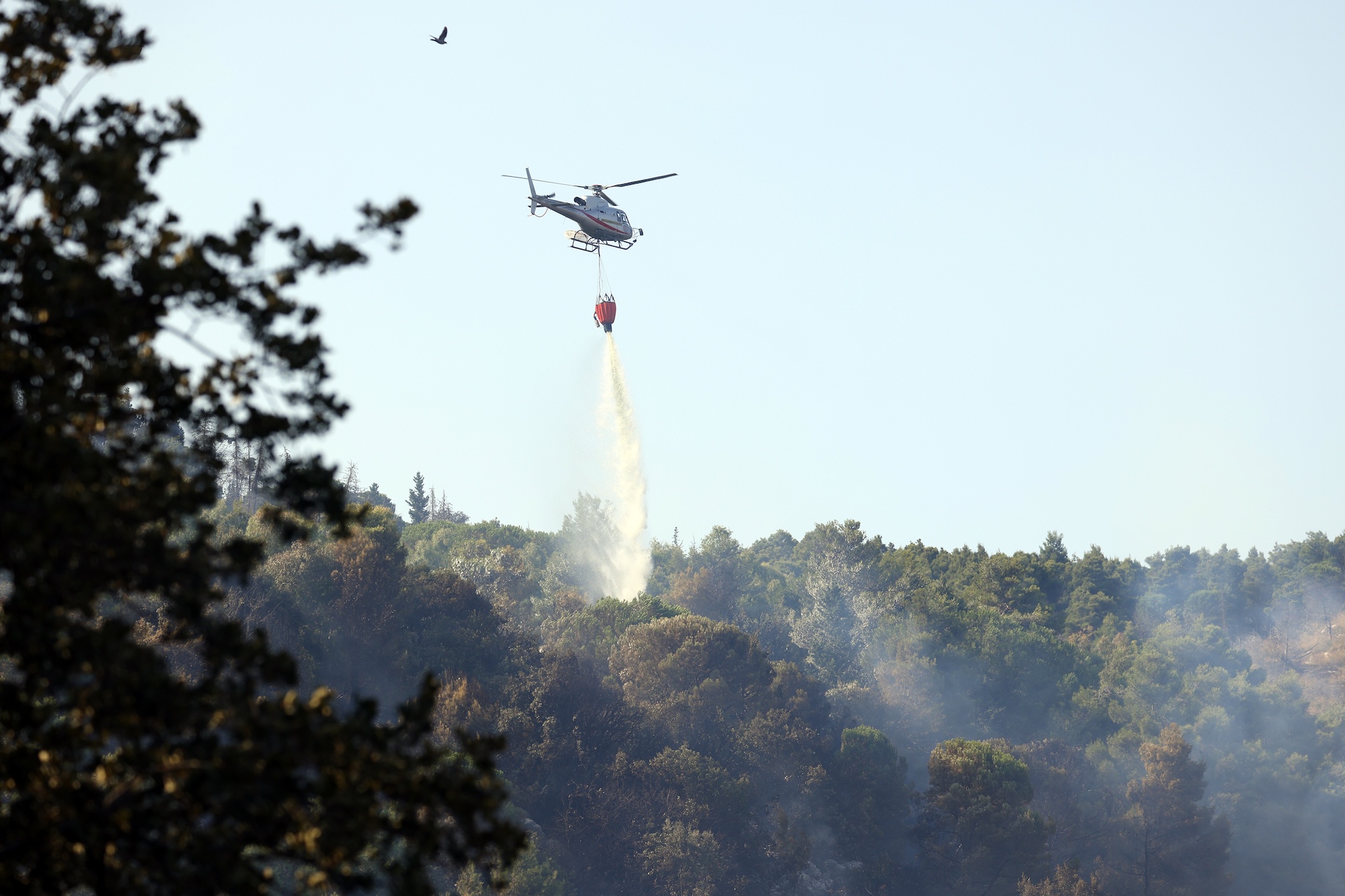
The vulnerability of Piana degli Albanesi has been underscored by a series of catastrophic environmental events over the last decade. In July 2023, the region faced a flashpoint when wildfires, some reaching the height of three-story buildings, decimated large swaths of agricultural land. The incident destroyed acres of critical crops and claimed the lives of dozens of livestock, leaving farmers like the Carusos to contemplate the viability of their future.
The trajectory of this crisis can be traced through several key markers:
- 2015–2024: A population decline of approximately 17 percent, nearly triple the regional average for Sicily, as younger generations depart for urban centers or abroad.
- 2021: A record-breaking heat wave saw temperatures in parts of Sicily hit 119.8 degrees Fahrenheit (48.8 Celsius), the highest temperature ever recorded in Europe.
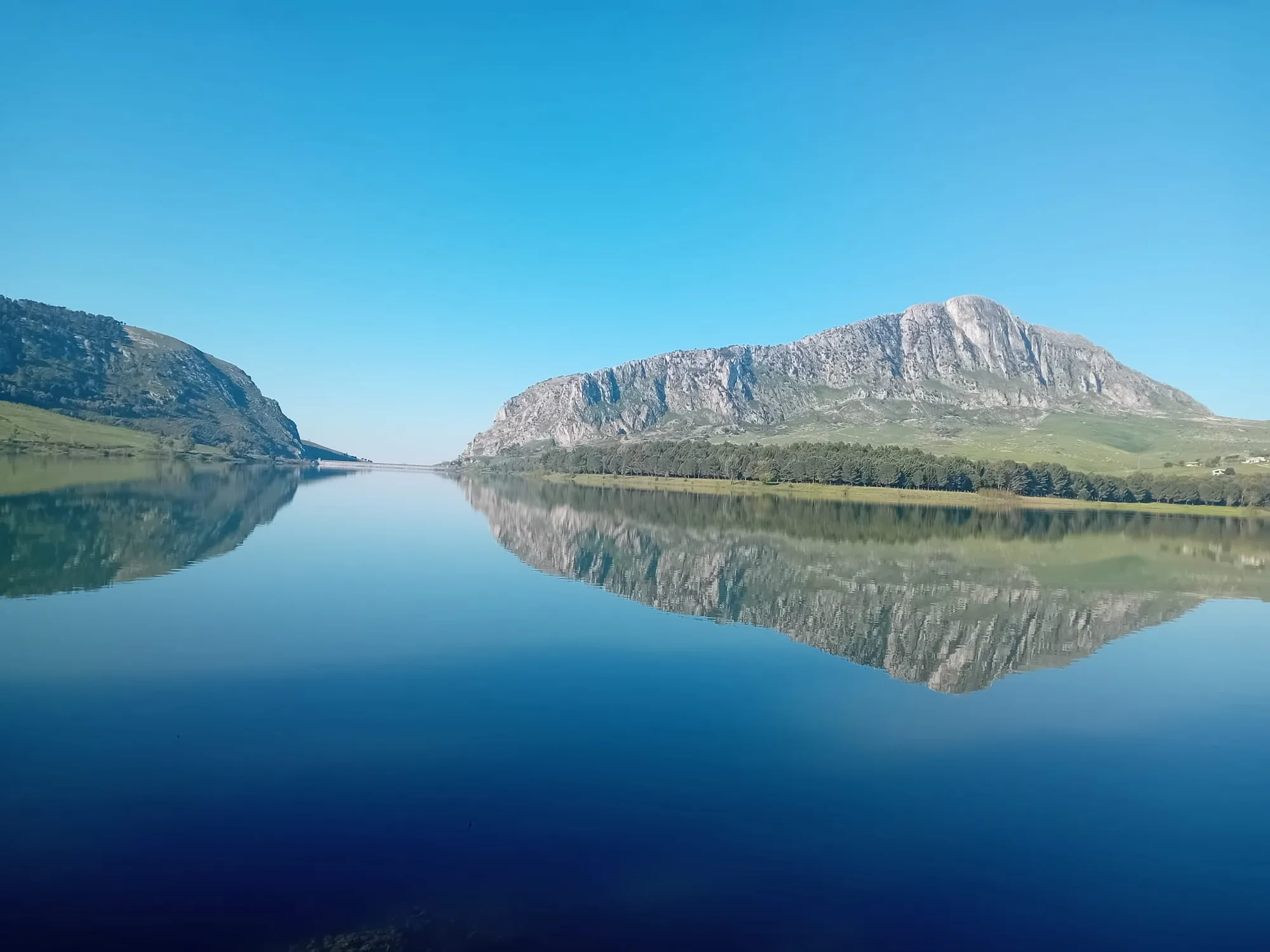
- 2024: The town’s primary water reservoir, once the largest in Sicily, neared total depletion, forcing the town into severe water rationing.
- 2025: Continued wildfire outbreaks resulted in the evacuation of over 100 residents, with sustained infrastructure damage that further destabilized the local economy.
The Mediterranean basin is currently warming at a rate 20 percent faster than the global average, creating a microclimate of extremes that disproportionately impacts inland rural areas. With summer temperatures consistently averaging 85 degrees Fahrenheit and rainfall becoming increasingly sporadic, the land that once sustained the Arbëreshë for generations is effectively drying up.
The Economic and Cultural Erosion of the Arbëreshë
The economic backbone of Piana degli Albanesi is inextricably linked to the land. The community is famous for its ricotta, which serves as the essential filling for the Sicilian cannolo—a product that has achieved global renown. "Legends say we invented it," noted Giovanni Scalora, a fourth-generation farmer. "But it is hard to keep making it if there are no sheep left."
Scalora, who owns land overlooking the shrinking reservoir, represents the internal struggle between tradition and adaptation. He has begun the difficult transition from sheep to cattle, believing that certain breeds of cattle may be more resilient to the current climate conditions. Yet, he acknowledges the cost: "Our cheese will not be the same, but one can leave, or adapt to survive."
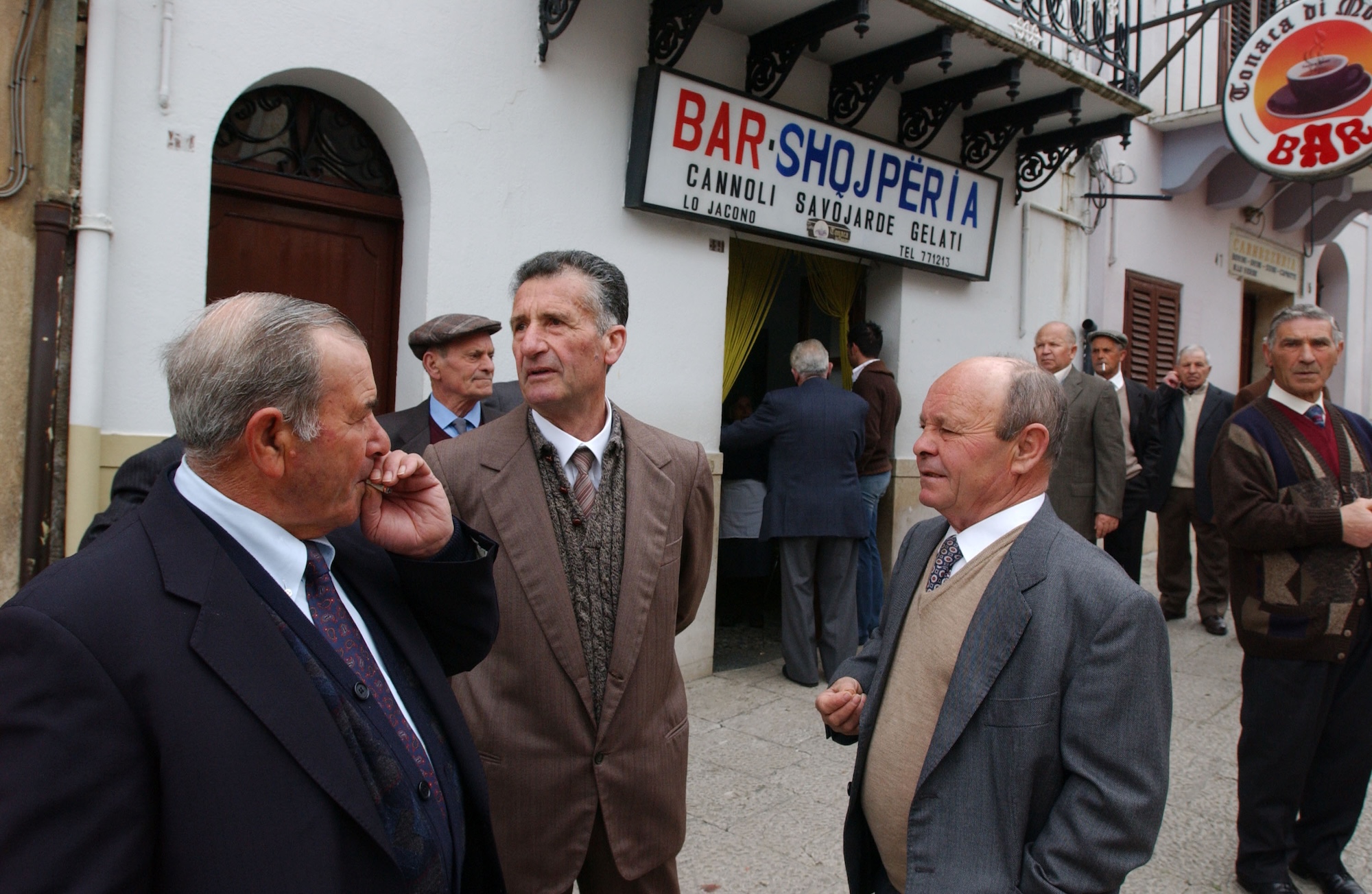
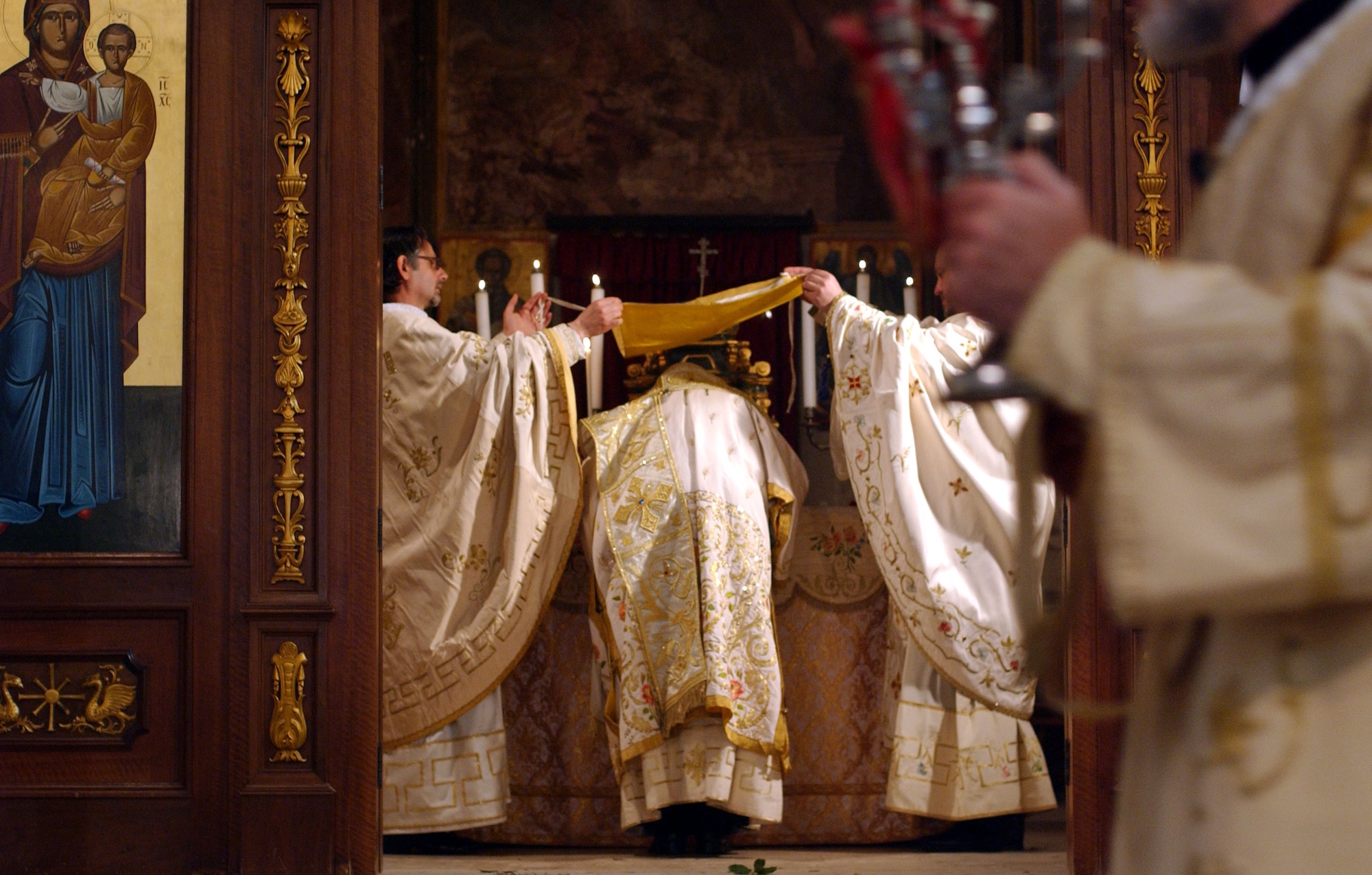
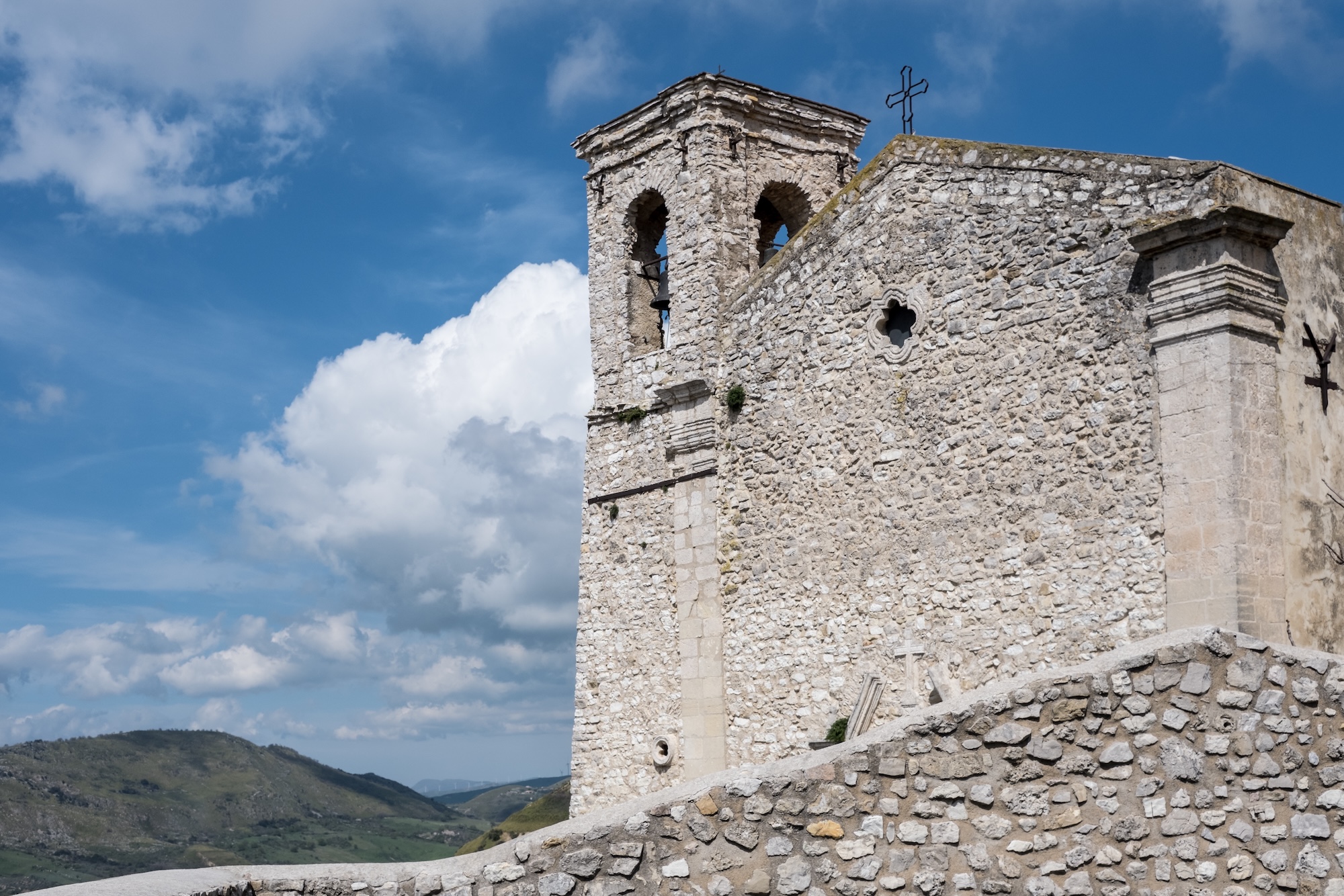
This loss of agricultural viability is more than an economic statistic; it is a cultural catastrophe. The Arbëreshë language, customs, and religious traditions—centered around the Church of San Giorgio Megalomartire—rely on a critical mass of residents to sustain them. Mayor Rosario Petta, who has been in office since 2022, emphasizes that the departure of every resident is a blow to the community’s heritage. "One thousand people who leave is an extra 1,000 people who will no longer speak Arbëresh, which can put at risk language and identity preservation," Petta warned.
Broader Implications: Climate Migration in Europe
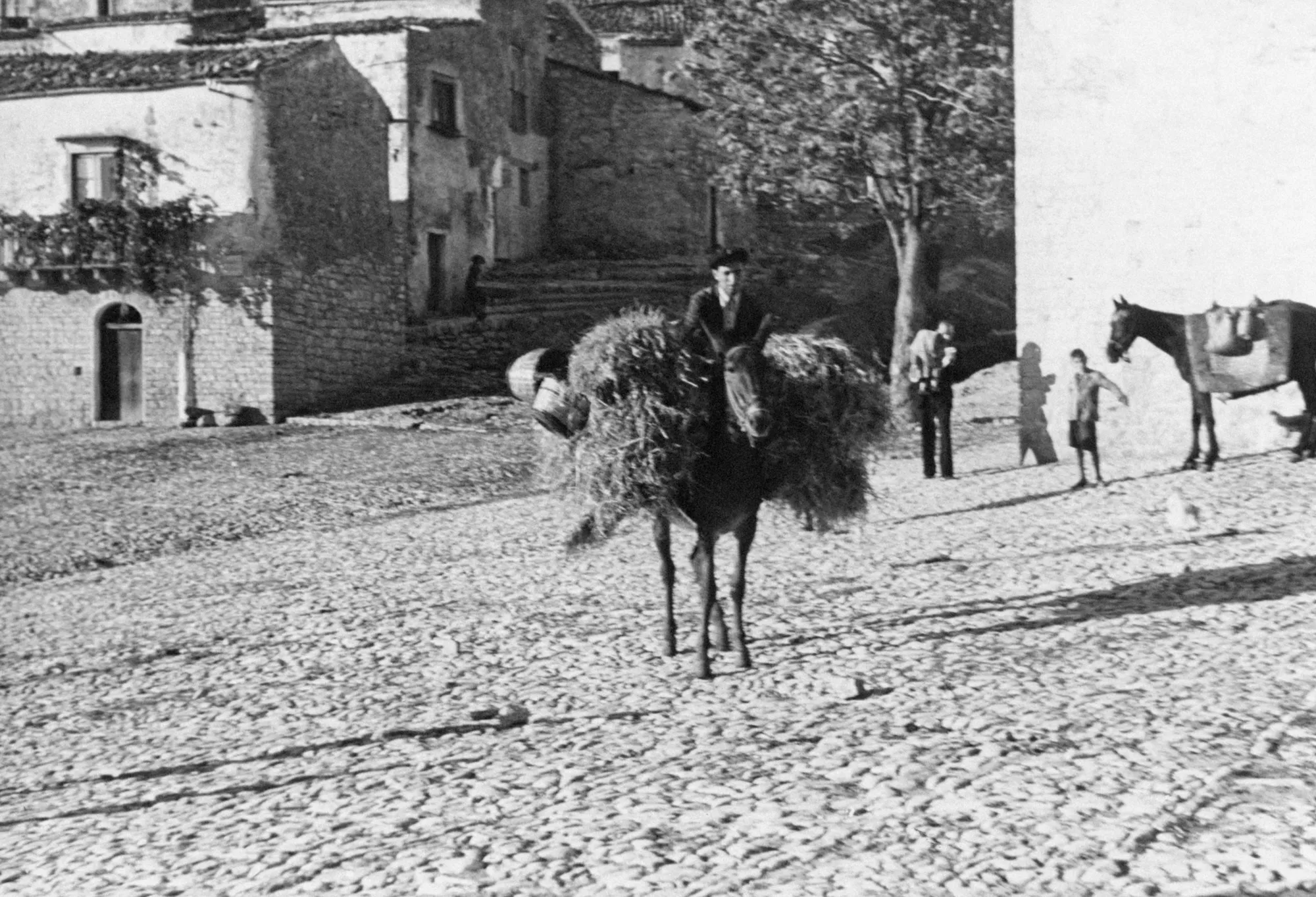
The situation in Piana degli Albanesi serves as a potential bellwether for other linguistic and ethnic minorities across Southern Europe. Ecologist Christian Mulder, a professor at the University of Catania, suggests that the region may be witnessing the first instances of climate-induced migration leading to the extinction of an entire cultural identity. "Ancient populations, as well as ancient grains, are at risk of disappearing forever," Mulder stated.
The European Environment Agency has noted that climate risks are not distributed equally. Vulnerable groups, including ethnic minorities in rural zones, lack the capital and mobility to easily mitigate the effects of environmental degradation. While the Italian national government has allocated funding for drought relief and wildfire prevention—including a national state of emergency declared in 2024—local officials argue that these measures are insufficient to address the deep-seated structural needs of towns like Piana.
Salvatore Cona, head of Sicily’s Civil Protection Unit, noted that while national aid exists, the burden of managing the crisis often falls on municipalities that lack the necessary fiscal or technical resources.
The Diaspora Connection
For those who have already left, the move is often viewed as a permanent trade-off: trading the rich, historical tapestry of their homeland for the stability of countries like the United States. Many Arbëreshë families, who began migrating to California in the early 20th century, found that the state’s climate and agricultural landscape mirrored their own.
Anthony Plescia, president of the Arbëreshë of Sacramento association, represents the long-standing link between the diaspora and their ancestral home. His ancestors migrated over 100 years ago, eventually building lives in the fertile valleys of Northern California. Plescia notes that while his community in the U.S. maintains a deep sense of pride, the knowledge of their heritage is inevitably filtered through stories and fading customs.
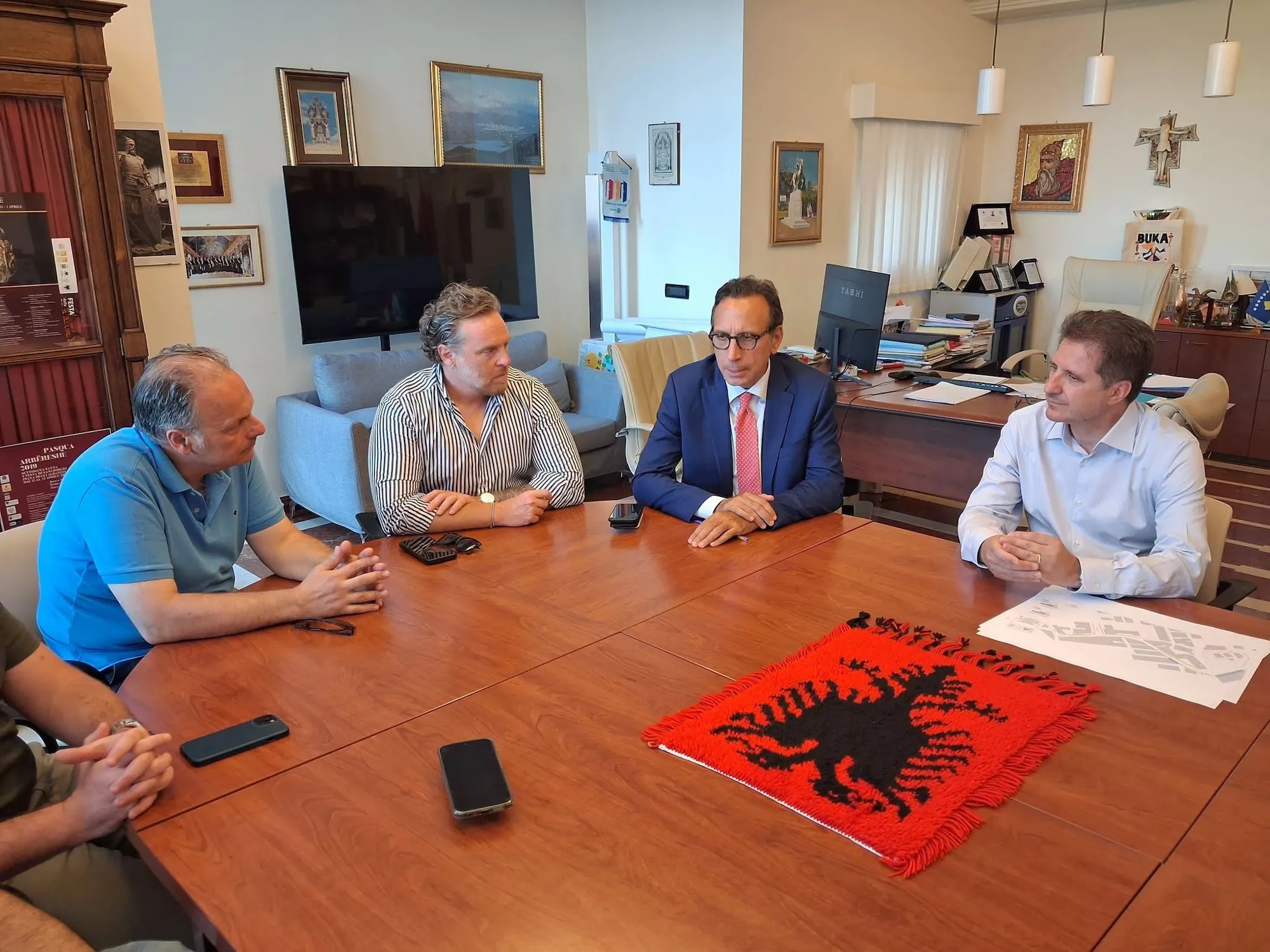
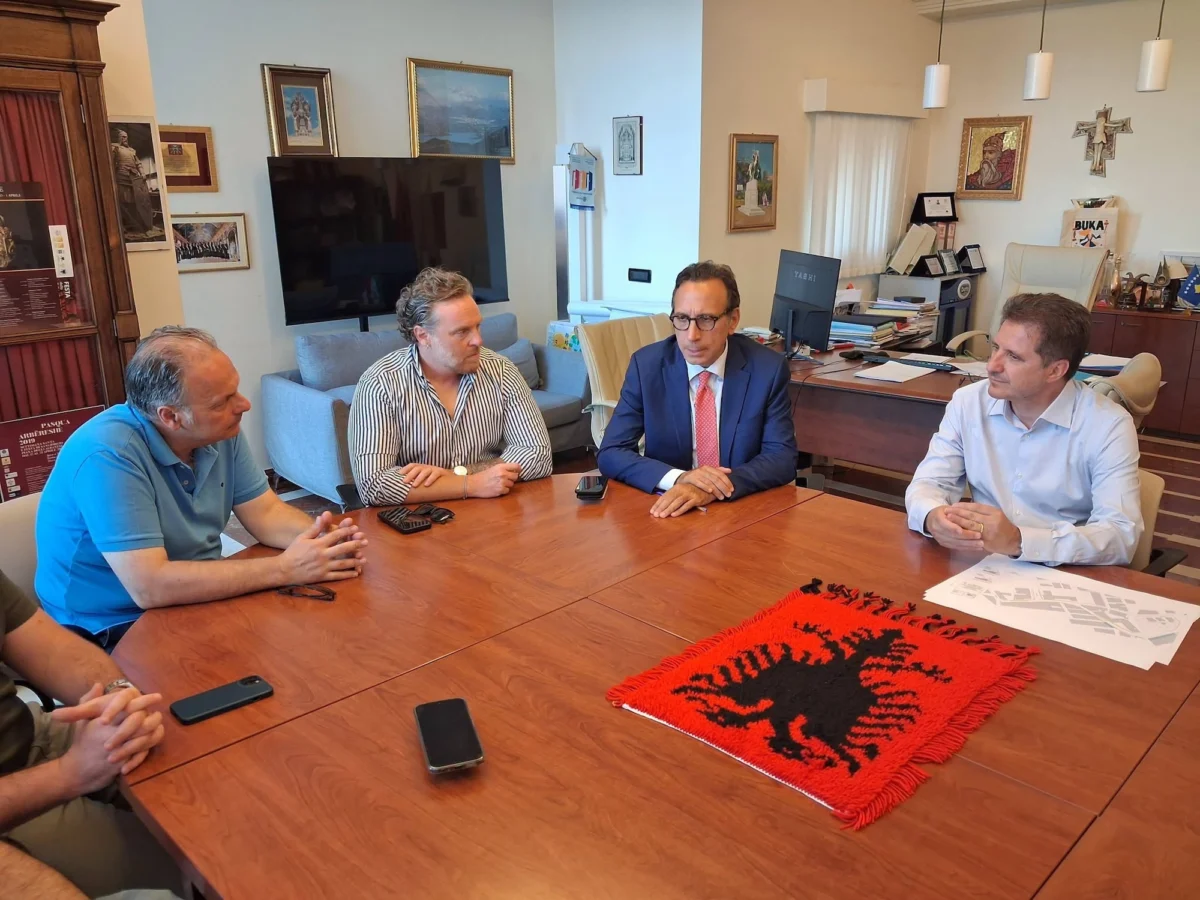
"Losing touch with one’s past is often the price of safety and stability," Plescia said. Despite this, he and Mayor Petta are now exploring the formation of a formal confederation of Arbëreshë organizations in the U.S. The goal is to establish a bridge that might facilitate cultural exchanges and perhaps provide a lifeline for the community in Sicily to survive.
Future Outlook: Adaptation or Extinction
The future of Piana degli Albanesi remains precarious. While the city council is attempting to pivot toward tourism and international partnerships to diversify the local economy, the reliance on an already strained water supply and the threat of further wildfires create a cycle of instability.
For residents like Anna Liscari, a descendant of a family of tailors who now resides in Newport Beach, the struggle is deeply personal. Having watched family businesses close as local organic suppliers vanished due to climate-driven land loss, she remains skeptical of the current pace of adaptation. "We have survived wars, displacement, and poverty over the course of 500 years," Liscari said. "It’s crazy to think that climate and the inability to manage its effects is what might wipe us out."
As the world continues to warm, the experience of the Arbëreshë people in Piana degli Albanesi serves as a stark reminder that climate change is not merely a scientific or economic issue—it is a human one. The potential loss of this 500-year-old community highlights the urgency for national and international bodies to develop targeted adaptation strategies that go beyond short-term emergency funding, ensuring that cultural history does not become the next casualty of the climate crisis.
Related posts: