Leevin Camacho was brushing his teeth in his Yigo home last fall when a frantic call from his mother shattered his morning routine. The water, she insisted, was toxic. Moments later, his phone buzzed with a photograph of an official notice from the local water authority. The flyer was stark and alarming: “Cancer risk,” it warned, citing an “increased likelihood of adverse impacts on the liver.” Beneath the medical warnings, in bold, capital letters, were three words that fundamentally altered the reality of life for residents of northern Guam: DO NOT DRINK.
As Camacho stared at the screen, the irony of his situation was visceral. Behind him, the sound of water running from the bathroom sinks provided the soundtrack to his children’s daily hygiene—a routine that, he realized with chilling clarity, had been unknowingly exposing them to hazardous chemicals for years.
The Dieldrin Crisis and Long-Term Exposure
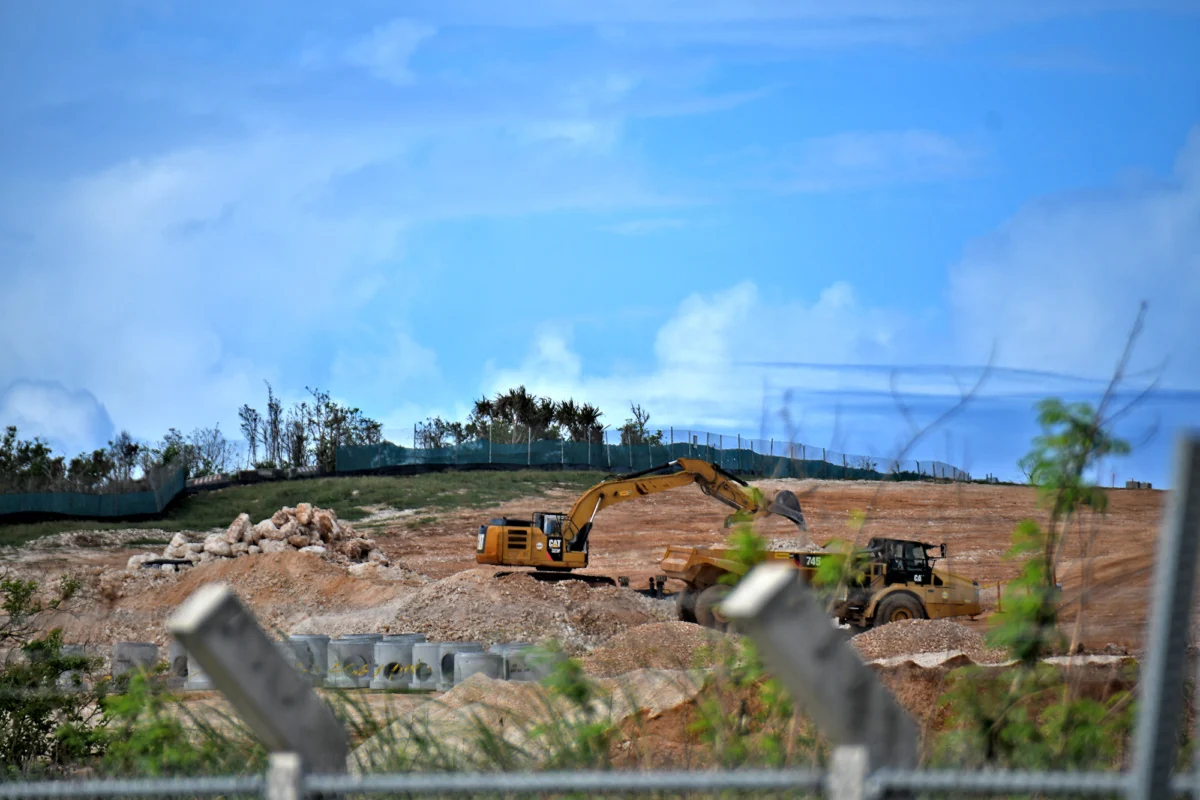
A quick digital search for "dieldrin" confirmed his worst fears. The substance is a highly persistent organochlorine insecticide, a class of chemical famously banned by the United States in 1987 due to its toxicity and environmental endurance. Dieldrin does not break down easily; it accumulates in soil, water, and biological tissues. Records indicate that high levels of this pollutant have been detected in the Yigo well serving his community since at least 2008.
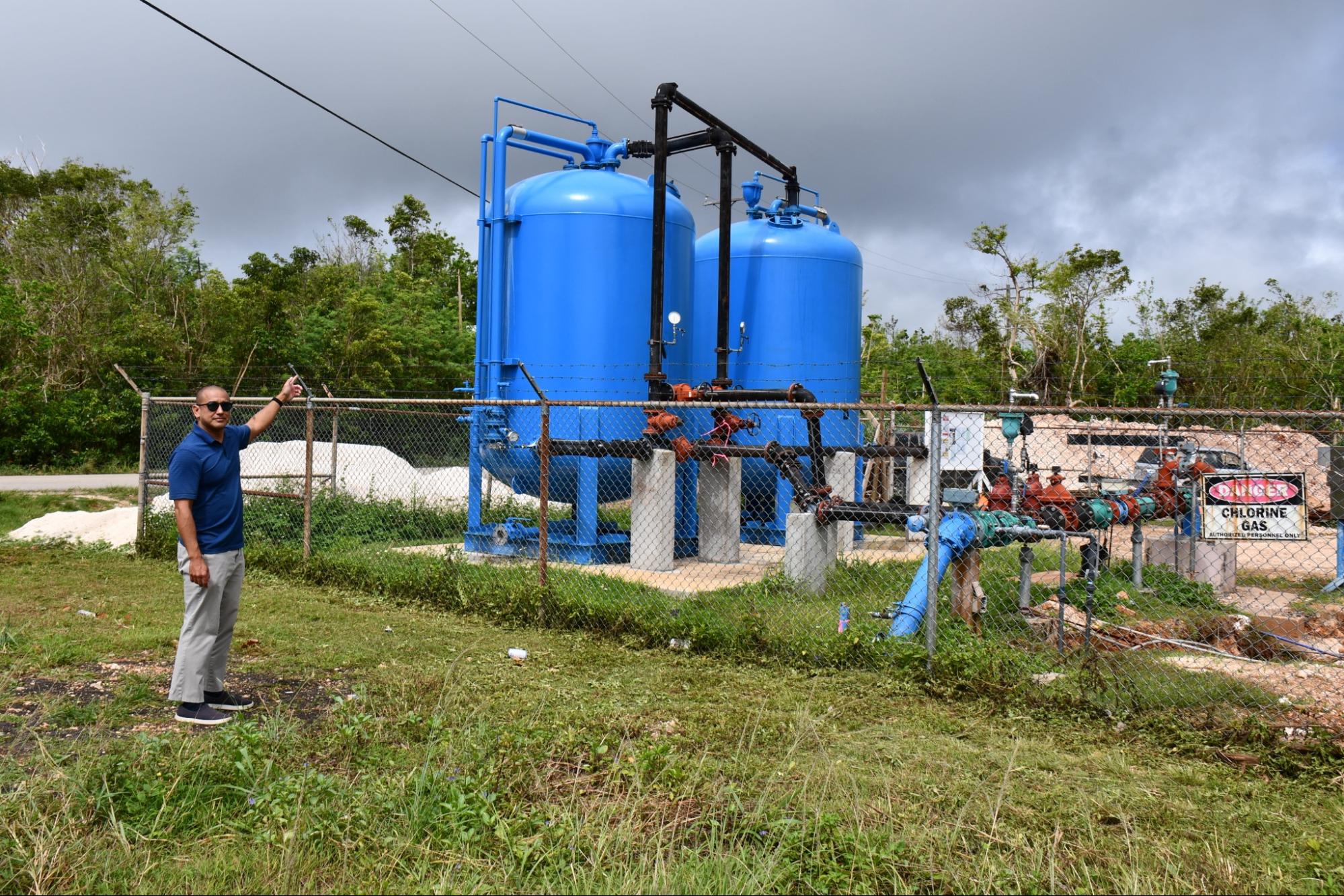
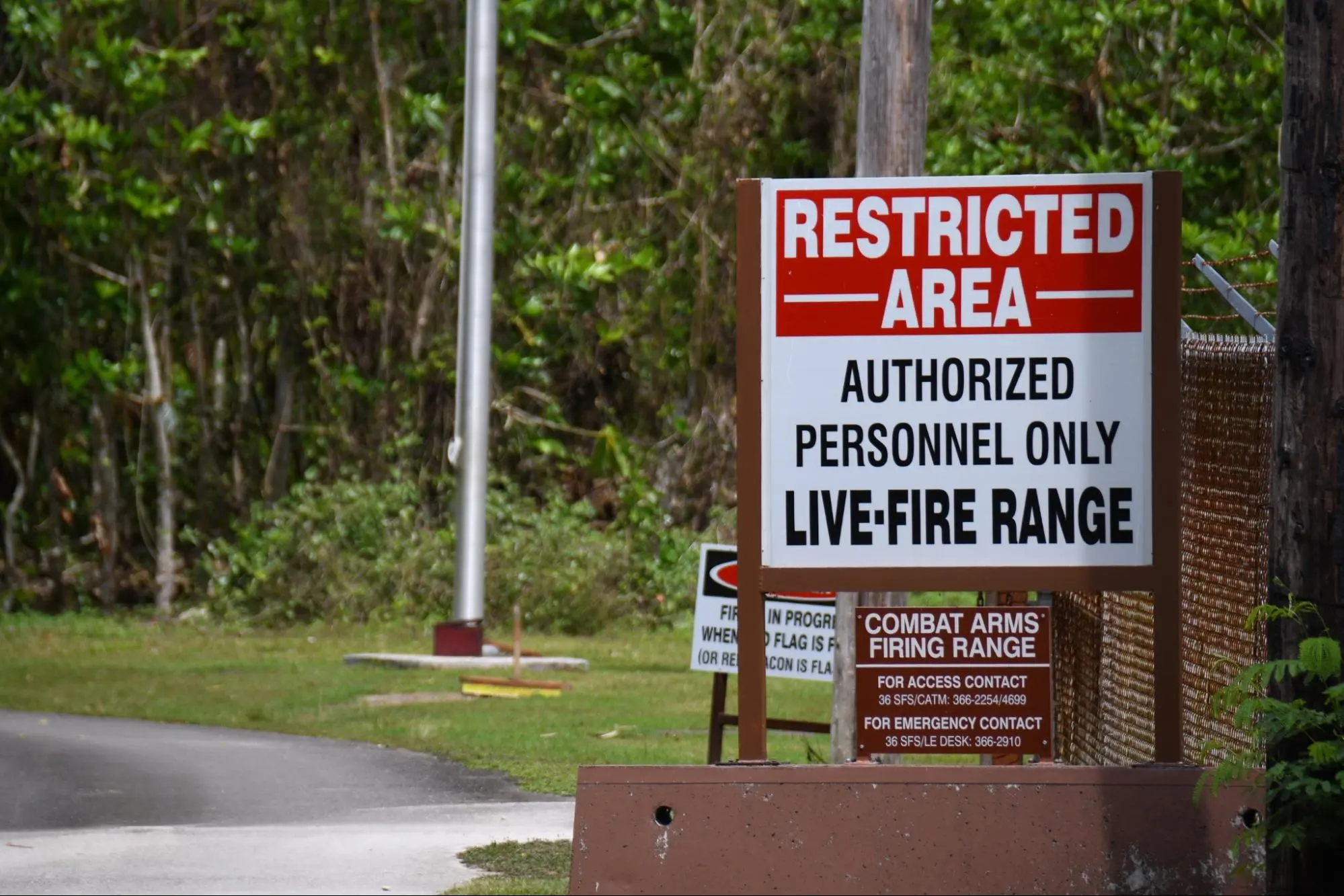
For Camacho and his fellow residents, the discovery was not merely an environmental accident; it was the manifestation of a systemic pattern of neglect. Investigations have linked the contamination to the neighboring Andersen Air Force Base, which has formally categorized the pesticide as a “chemical of concern” in its own internal documents since 1993. While the Pentagon’s investigation, managed by Joint Region Marianas, remains in its early stages, local officials suspect that the military installation is the primary source of the plume. However, they also caution that because dieldrin was historically used across the island, identifying the full extent of the contamination could be a complex, multi-layered process.
A History of Strategic Occupation
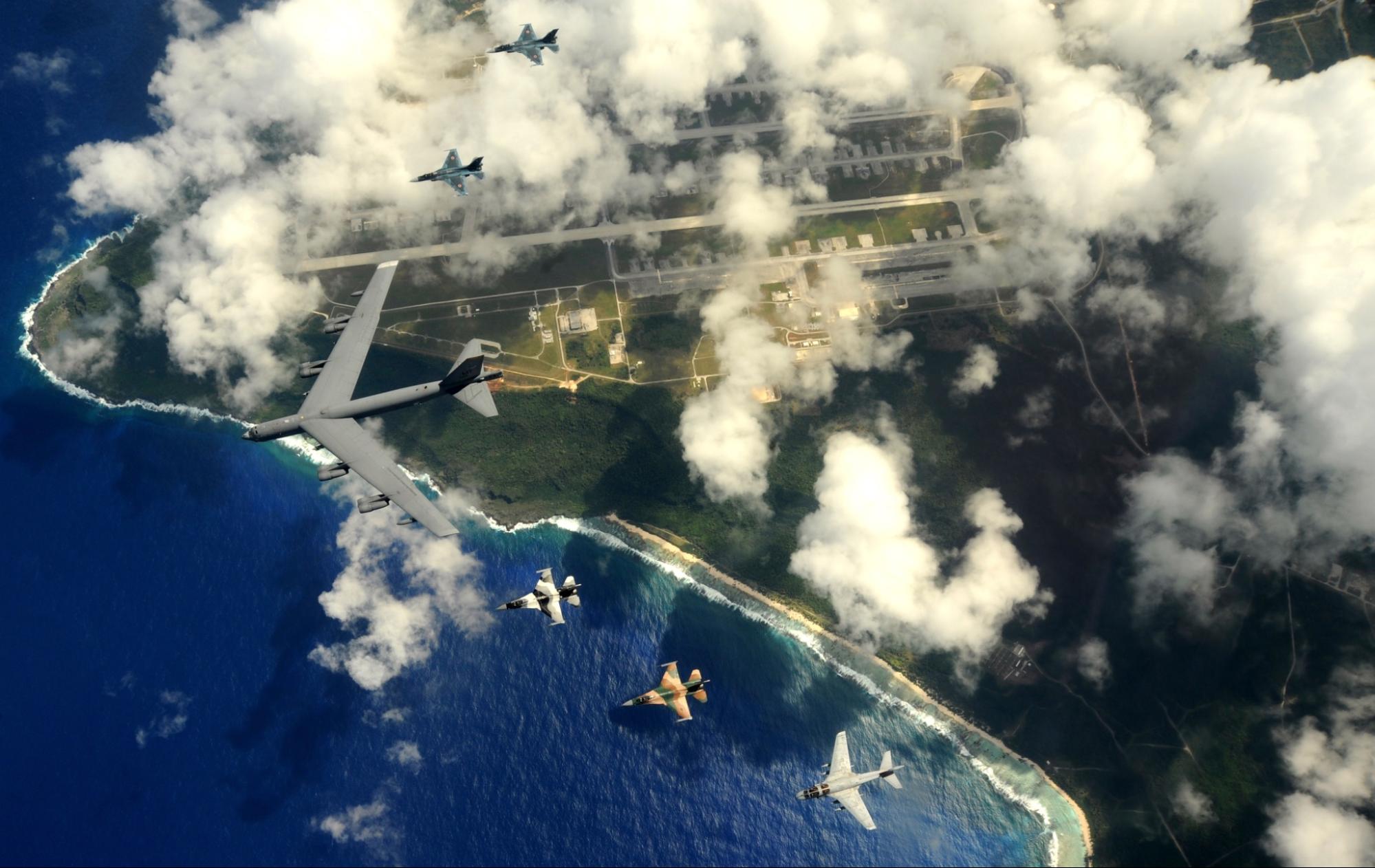
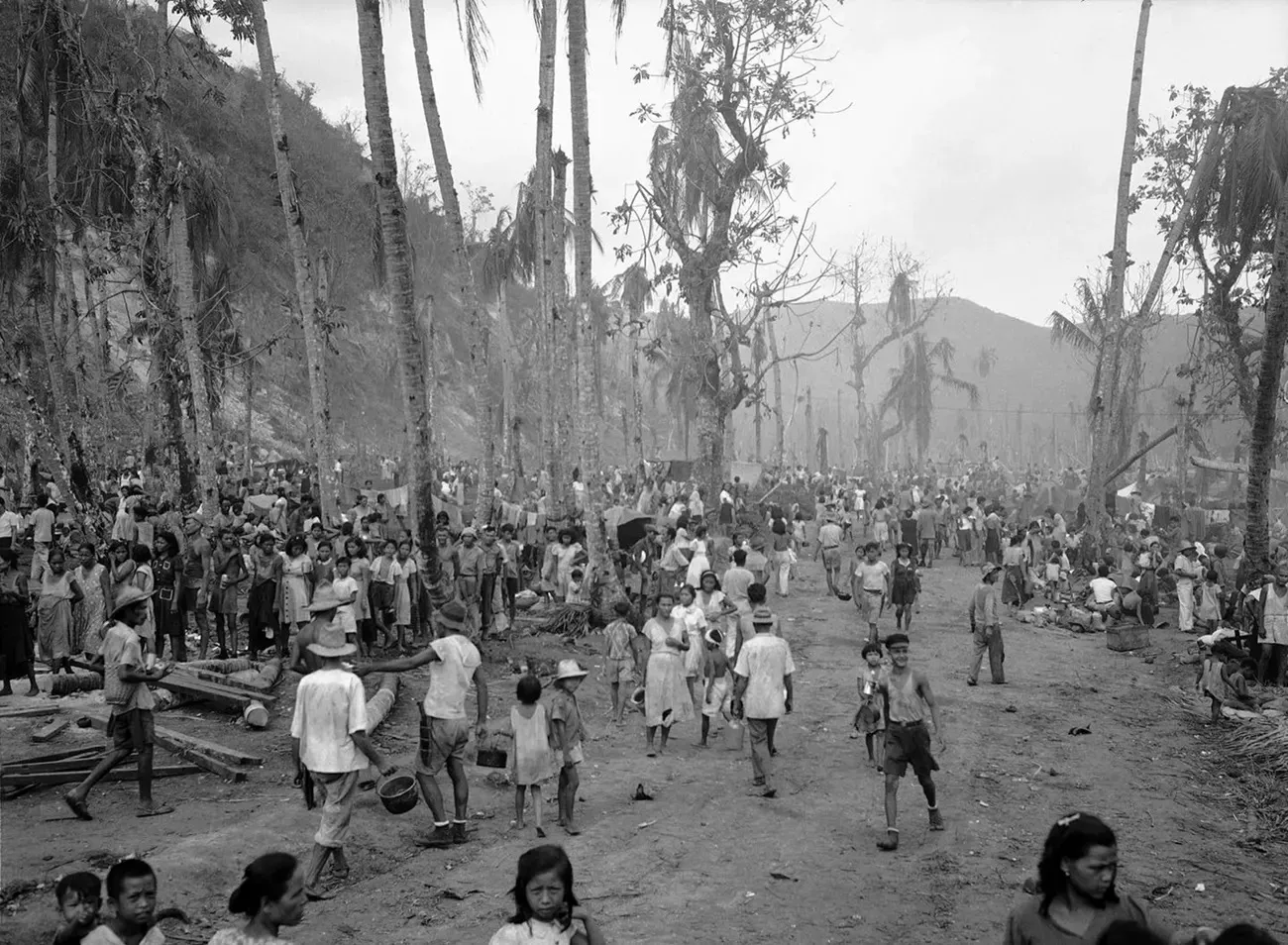
To understand the frustration felt by residents like Camacho, one must view Guam not merely as a territory, but as a "tip of the spear" in American Pacific strategy. Guam’s history is defined by a century of American military presence, which began in earnest after the Spanish-American War in 1898. Following the brutal Japanese occupation during World War II—a period that resulted in widespread suffering, forced labor, and death for the Indigenous CHamoru people—the U.S. military returned in 1944.
The subsequent decades saw a massive land acquisition program. The U.S. Navy and the Department of Defense seized vast swaths of the island, often displacing families into refugee camps. While the narrative of "liberation" dominated local education and culture for generations, the reality for many families was the loss of ancestral land and the imposition of a military-centric infrastructure. Today, the Department of Defense still owns approximately one-quarter of the island, and the layout of Guam’s primary roadways, such as the six-lane Marine Corps Drive, reflects the needs of logistics and troop movement rather than civilian connectivity.
The Economics of the Military Buildup
The current military expansion, known as the Indo-Pacific buildup, is part of a broader strategy to counter rising geopolitical tensions, specifically concerning China. The Pentagon has sought and received billions of dollars in funding for new weaponry, including advanced missile defense systems and the activation of Marine Corps Base Camp Blaz, which opened six years ago.
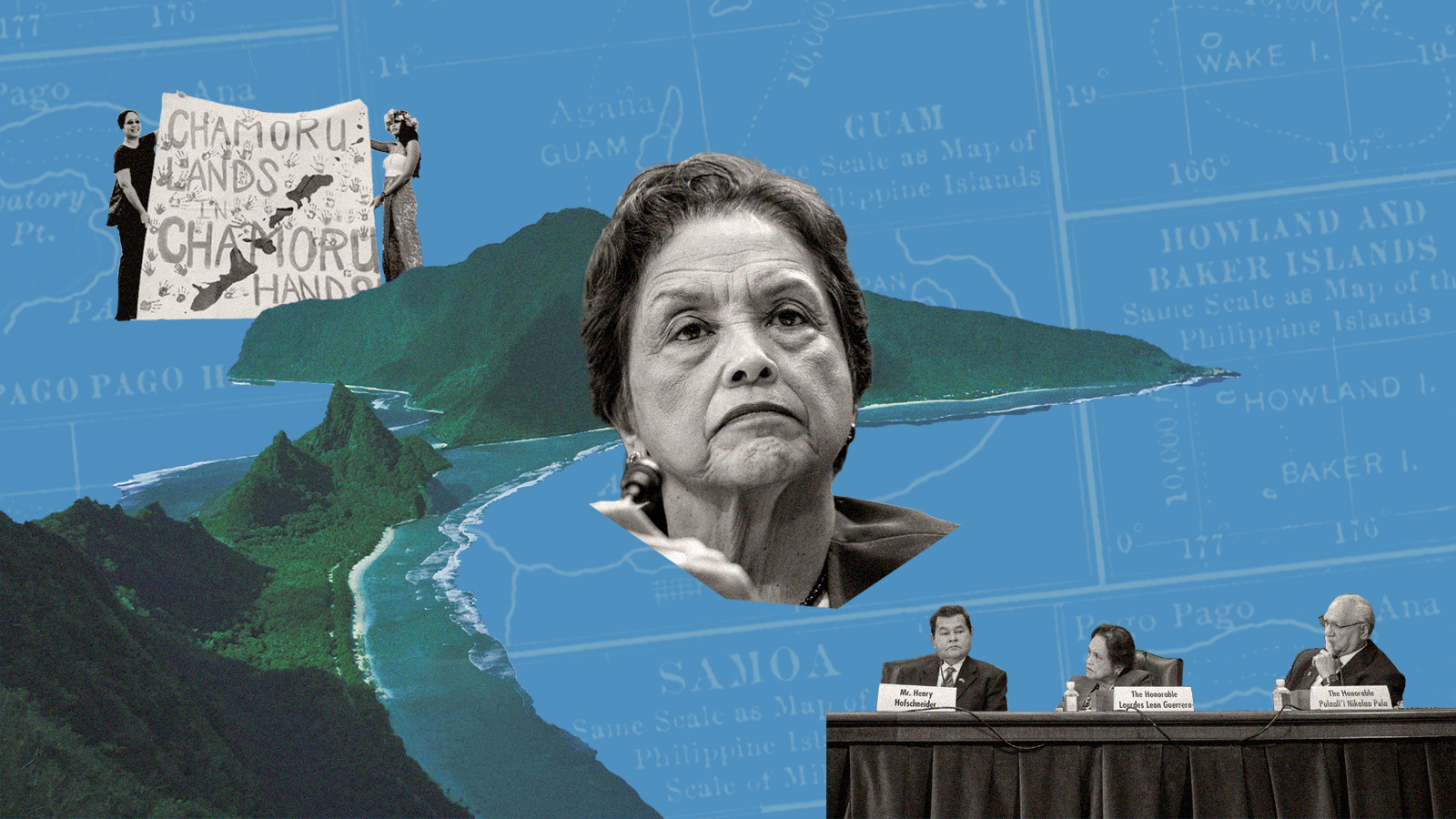
For the government of Guam, this buildup is a double-edged sword. Governor Lou Leon Guerrero has often highlighted the economic benefits, noting that the infusion of military capital significantly boosts the island’s GDP. Local economists have argued that every dollar spent by the Department of Defense generates substantial economic ripple effects, fueling a commercial sector characterized by shopping malls and a booming, albeit expensive, real estate market. However, this growth has created an affordability crisis; the median home price on the island has surged from approximately $216,100 in 2010 to nearly half a million dollars today, largely driven by the influx of military personnel and contractors.
Official Responses and Institutional Accountability
Rear Admiral Brett Mietus, commander of Joint Region Marianas, maintains that the military is committed to environmental stewardship and strict adherence to U.S. regulations. “We spend a lot of time and a lot of money making sure that we meet every U.S. regulation when it comes to anything that we’re going to do here,” Mietus stated. He argues that the military’s presence is a necessity in an increasingly dangerous Indo-Pacific region, framing the multi-billion dollar investment in missile defense as a commitment to the safety of the island’s population.
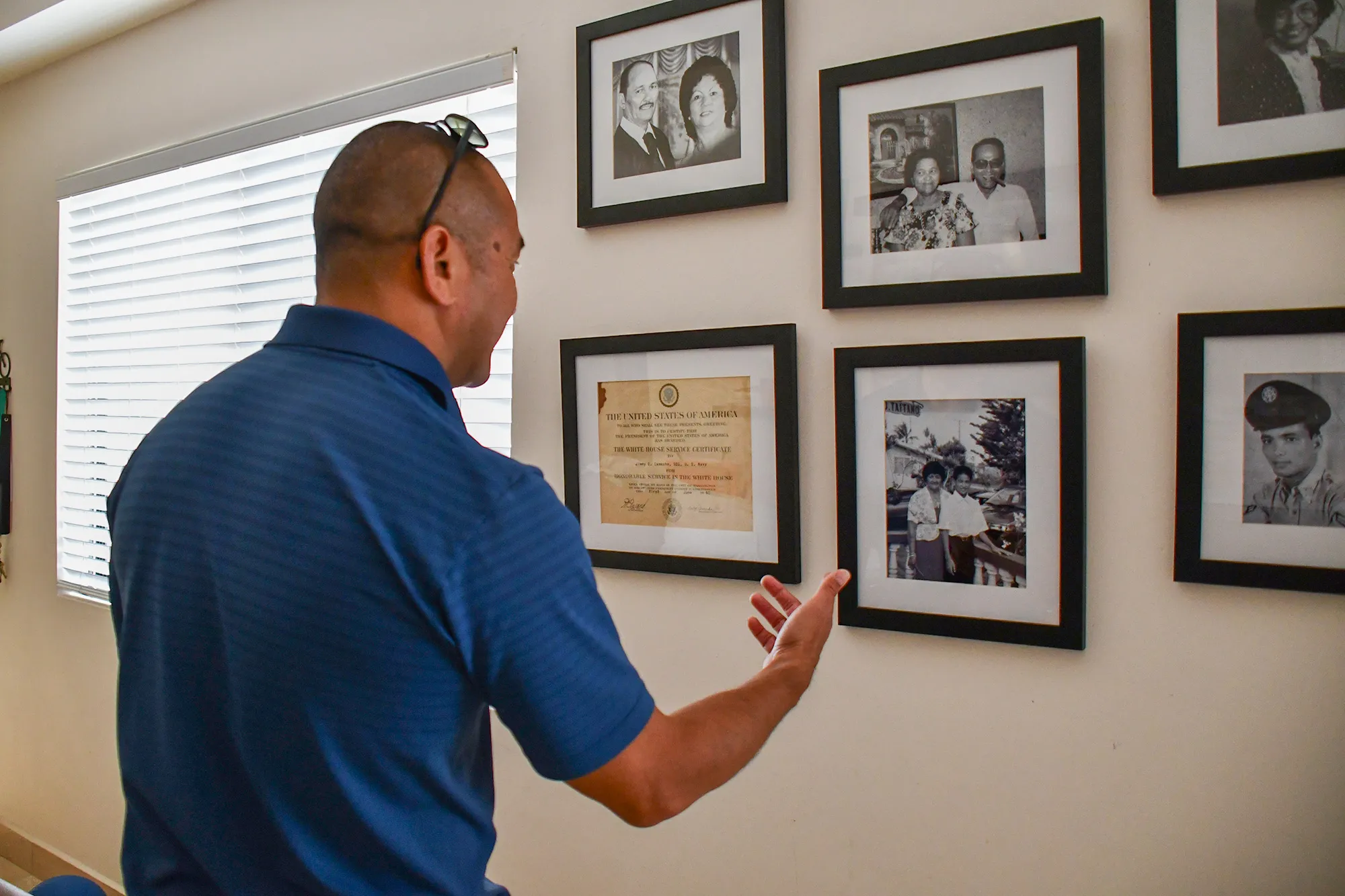
However, activists and local leaders remain unconvinced by the rhetoric of protection. Monaeka Flores, executive director of the advocacy group Prutehi Guåhan, argues that the military’s presence creates more risks than it mitigates. “What are they really here to protect if there’s so much harm taking place?” she asked, pointing to the destruction of limestone forests, the desecration of cultural sites, and the ongoing contamination of groundwater.
Regional Implications: From Guam to Yap
The strategy of dispersion—moving military assets across a wider geographic area to avoid being a "sitting duck"—is now extending to the Federated States of Micronesia and the Republic of Palau. In Yap, the U.S. military has proposed dredging lagoons to create seaports and upgrading airfields to support training exercises.
For the people of Yap, these plans represent a radical transformation. With a population of only 11,500, the arrival of military infrastructure threatens to alter the ecological and cultural fabric of the islands permanently. Leevin Camacho, who has transitioned from a private attorney to a leading environmental advocate, has been traveling to these villages to dissect the Navy’s environmental impact statements. His analysis often exposes a glaring disconnect: the military’s assessments frequently minimize or fail to account for the long-term impact on Indigenous fishing grounds, sacred gravesites, and the survival of species.
The Path Toward Accountability
Camacho’s legal career has been marked by a series of high-stakes battles to force the federal government to take responsibility. His firm has filed over 700 claims on behalf of Yigo residents, seeking $360 million in damages related to the dieldrin contamination. This follows his previous success as Attorney General, where he led a landmark lawsuit against the Navy regarding the hazardous Ordot Dump. That case reached the U.S. Supreme Court, resulting in a $48.9 million settlement for the island.
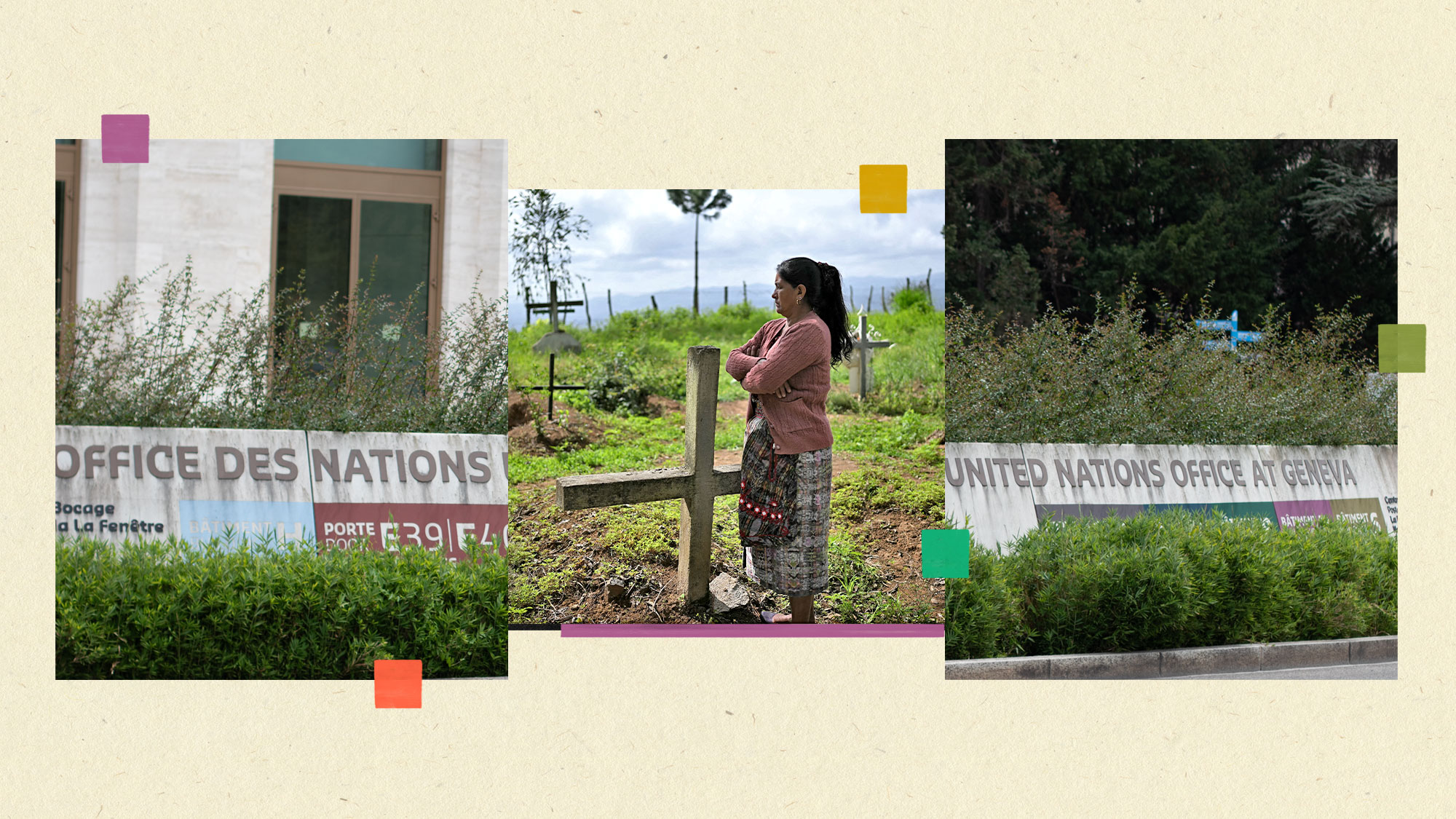
Despite these legal victories, the fundamental issue of self-determination remains unresolved. Many CHamoru activists argue that without a formal process to determine the island’s political status, Guam will continue to be treated as a "sacrifice zone" rather than a home to U.S. citizens with equal rights.
Looking Toward the Future
As the Pacific military footprint expands, the tension between strategic necessity and local survival continues to grow. For Leevin Camacho, the fight is not just about litigation; it is about ensuring that the next generation has a viable, safe place to live. He acknowledges the difficulty of balancing his advocacy work with the daily needs of his family, but his commitment remains unshakable.
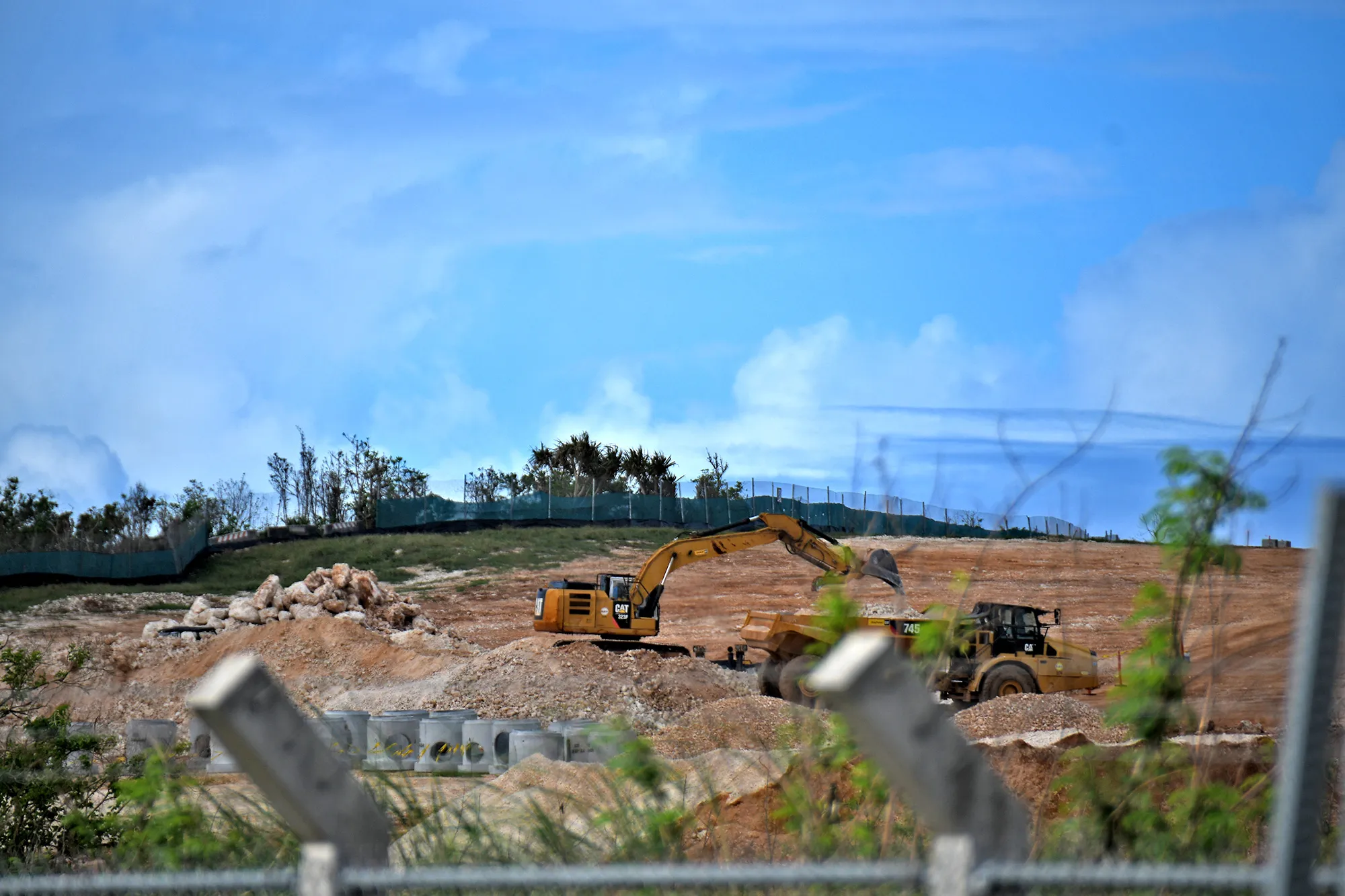
“Unless someone’s forcing the issue, the Department of War isn’t going to voluntarily agree to be held accountable,” Camacho noted. As the Pentagon pushes forward with its plans for the "Guam Killer" missile defenses and new training ranges across the Pacific, the people of the region are left to weigh the promise of security against the reality of toxic legacies, cultural loss, and the ever-present shadow of becoming a battlefield in a global struggle for dominance. For the residents of Yigo, the immediate concern is not the grand strategy of empires, but the simple, urgent need for clean water and the acknowledgement that their survival matters as much as the mission.
Related posts: