Bannock County and the High-Stakes Battle Over the Future of Idaho’s Energy Landscape

Jeff Hough stood before a packed courthouse in March 2024, his voice steady as he invoked the Declaration of Independence. As a Republican county commissioner, he argued that a proposed ordinance—one designed to shutter the doors to utility-scale wind and solar development in Bannock County, Idaho—was a fundamental affront to the property rights of his constituents. To Hough, the mandate was clear: a government that strips landowners of their right to lease their property to energy developers is a government that has strayed from its founding principles. Despite his impassioned plea, the motion passed by a 2–1 vote, cementing a moratorium that would effectively ban the construction of new renewable energy projects across the region.
The vote was a watershed moment in the intersection of rural land-use policy and the national energy transition. Now, more than two years later, that decision has become the epicenter of a high-stakes test case: can a community reconcile its agricultural heritage with the urgent, growing demand for energy? As the county commission prepares to vote this fall on new language that could potentially legalize solar, wind, and nuclear development, Bannock County finds itself at a crossroads that mirrors a broader trend across the American West.
The Rise of Rural Resistance
The resistance in Bannock County is far from an isolated incident. Across the United States, rural counties have increasingly turned to zoning laws and moratoriums to block renewable energy projects. A recent analysis conducted by The Daily Yonder and Canary Media, utilizing data from USA Today and the Sabin Center for Climate Change Law at Columbia University, reveals that nearly 25 percent of U.S. counties implemented some form of ban or impediment to clean energy development by 2025. This represents a significant uptick from 15 percent in 2023. Notably, more than 60 percent of these restrictive counties are rural, reflecting a growing tension between local land preservationists and a national decarbonization agenda.
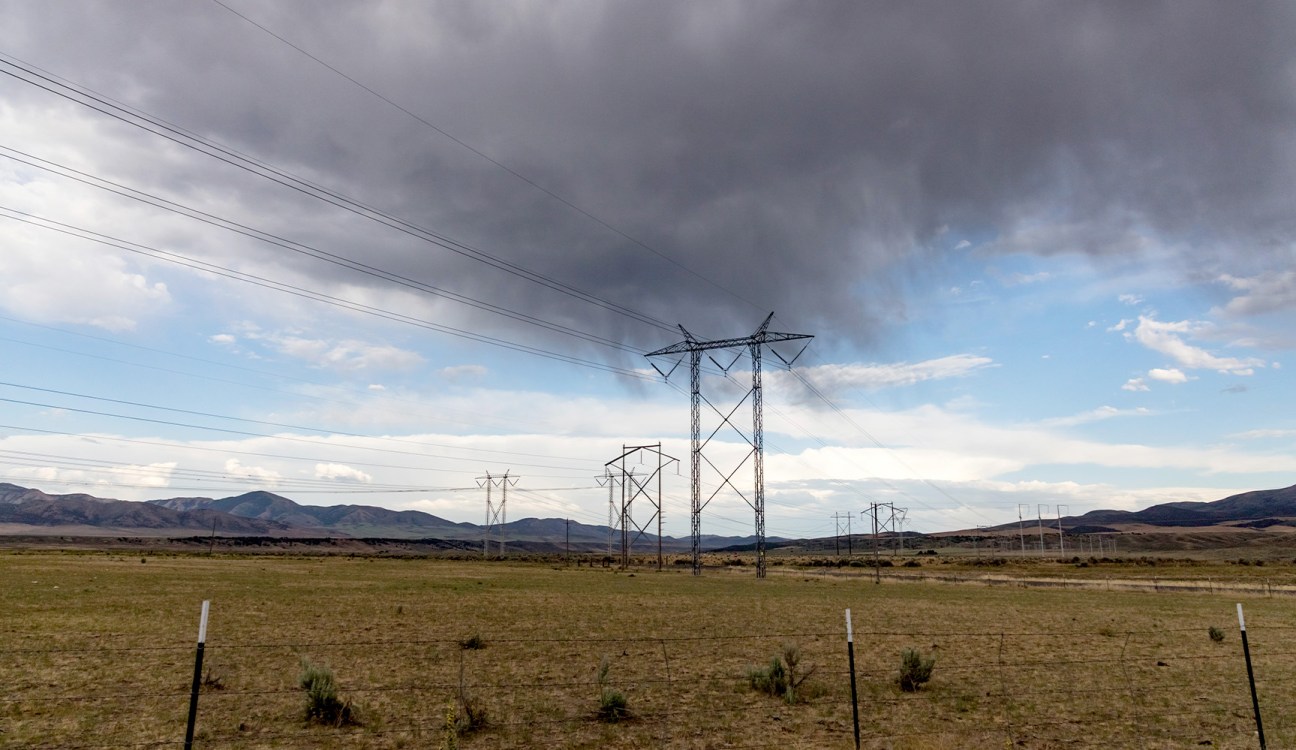
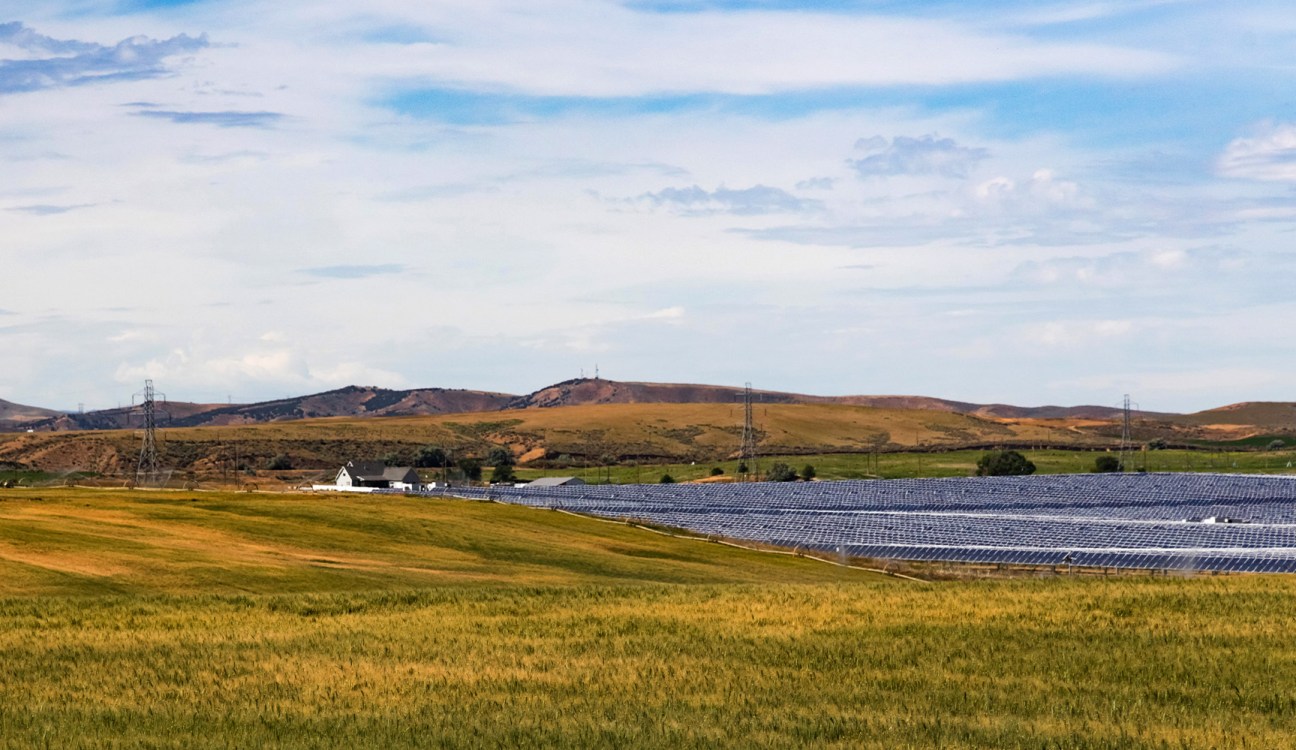
For Bannock County, the stakes are compounded by geography. The region is home to the Populus substation, a critical hub for the regional power grid. Because building energy infrastructure near existing transmission nodes is exponentially more efficient and cost-effective, the county is an ideal candidate for utility-scale development. However, for residents in the southern portion of the county, the proximity of the substation is a source of frustration, not opportunity. For many, the sight of transmission lines is a permanent scar on the landscape, and the prospect of solar arrays covering thousands of acres of agricultural land is viewed as an existential threat to the community’s character.
A Timeline of Conflict and Transition
The current crisis has its roots in the autumn of 2023, following an Idaho Association of Counties conference in Boise. At that time, state leaders were reeling from the high-profile debate over the Lava Ridge Wind Project—a massive, 1-gigawatt development slated for federal land in southern Idaho. Although the project was eventually canceled by the Interior Department in 2025, the conversation served as a catalyst for local officials like Hough. Concerned that developers would descend upon Bannock County without sufficient guardrails, he pushed for an initial six-month moratorium to allow for the development of a comprehensive regulatory framework.
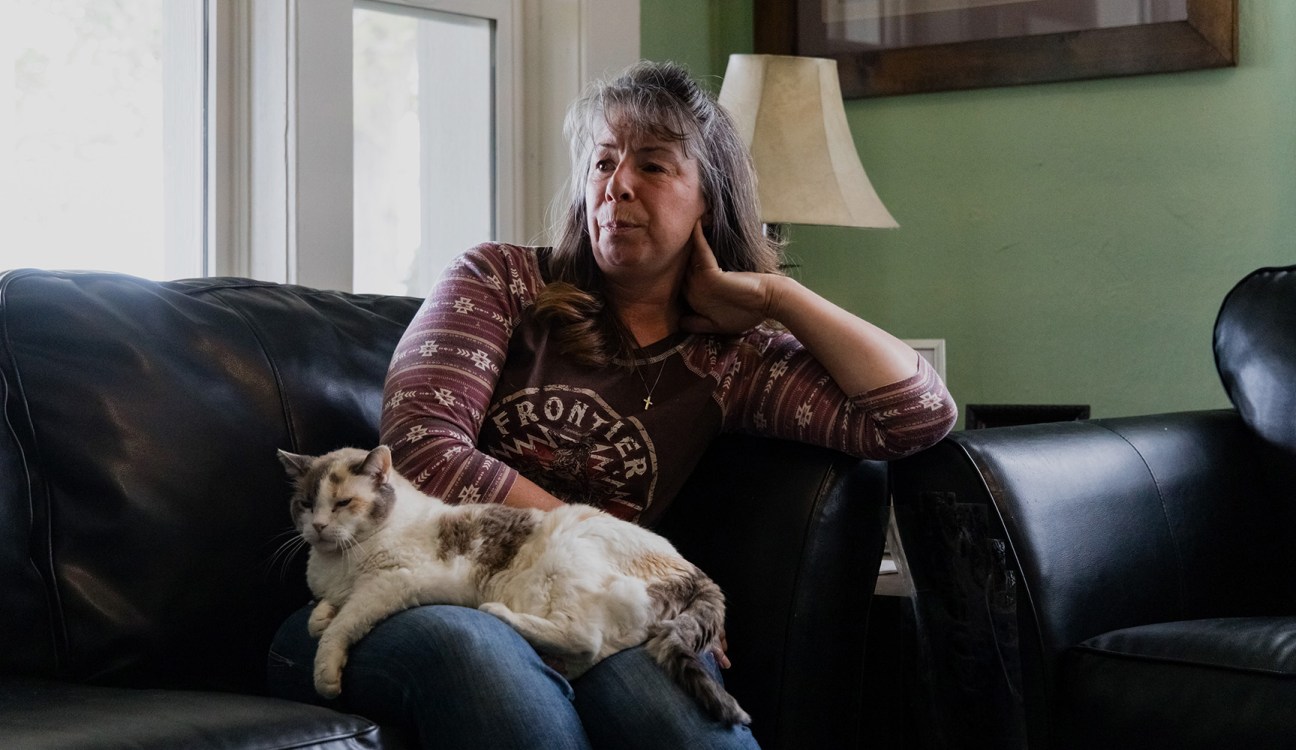
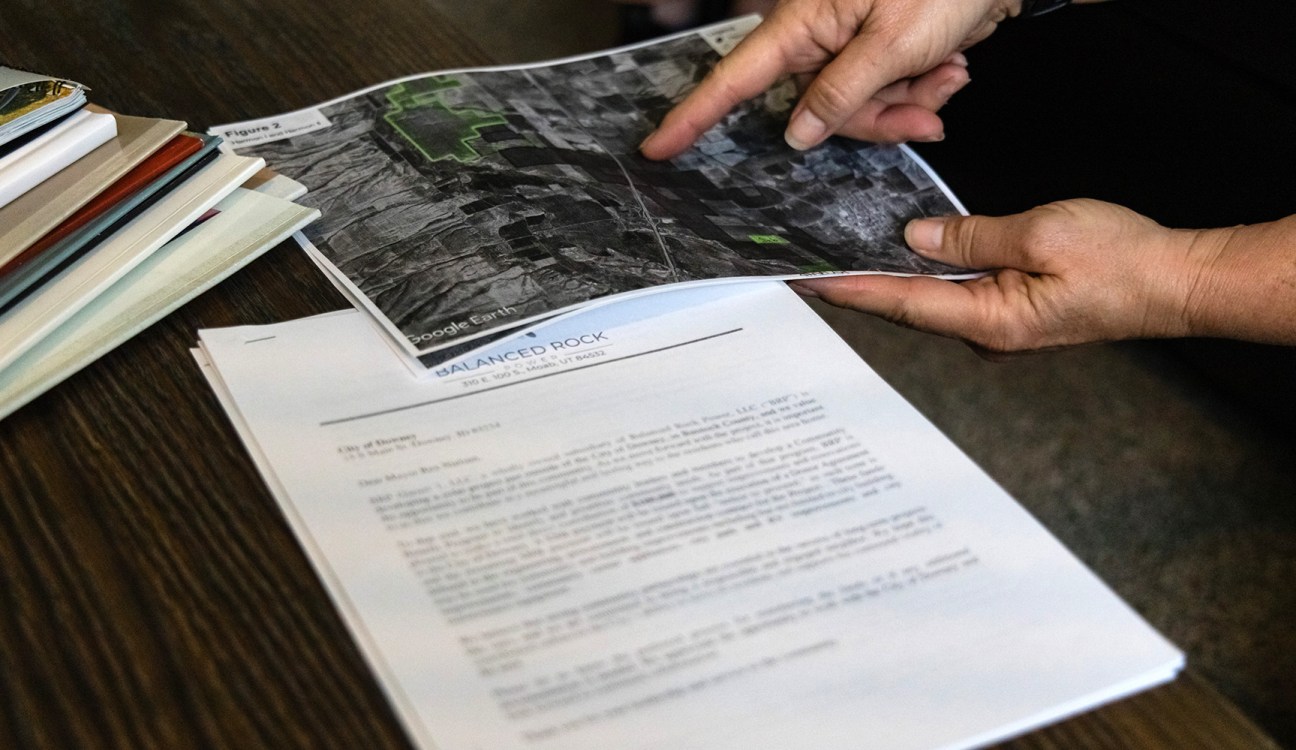
What was intended to be a temporary pause quickly evolved into a permanent prohibition as grassroots opposition galvanized. Led by residents like Rebecca Falcon, who had been approached by developers regarding the Harmon Solar Project, the anti-solar movement grew in influence. By the February 2024 public hearing, the debate had split the county into two distinct camps: those advocating for the economic potential of land leases and those determined to protect their view and way of life. When the commission voted to maintain the ban in March 2024, it effectively halted plans for major projects, including the 300-megawatt Harmon I facility, which had promised to integrate a 1,200-megawatt-hour battery storage system.
Economic Realities and the Agricultural Struggle
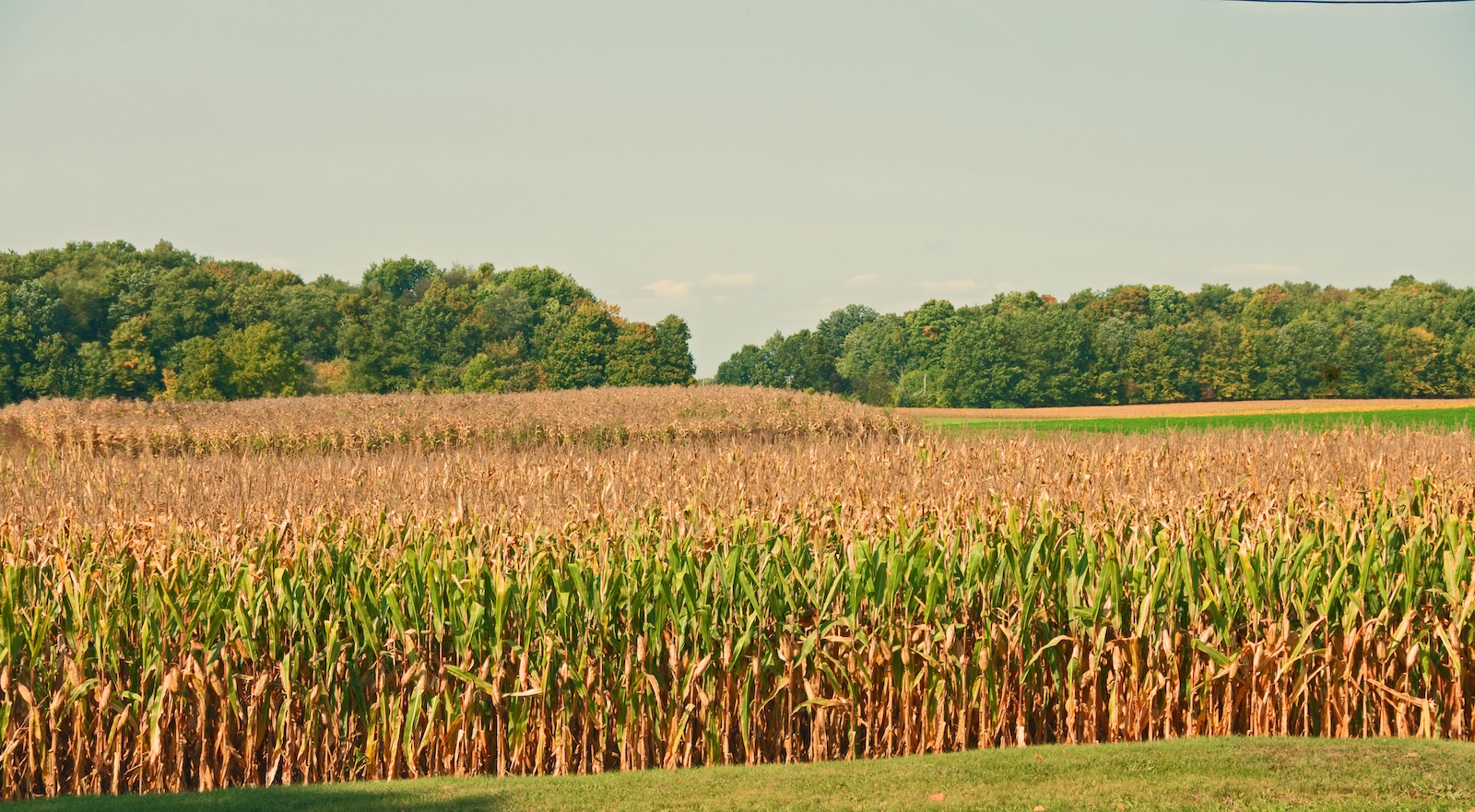
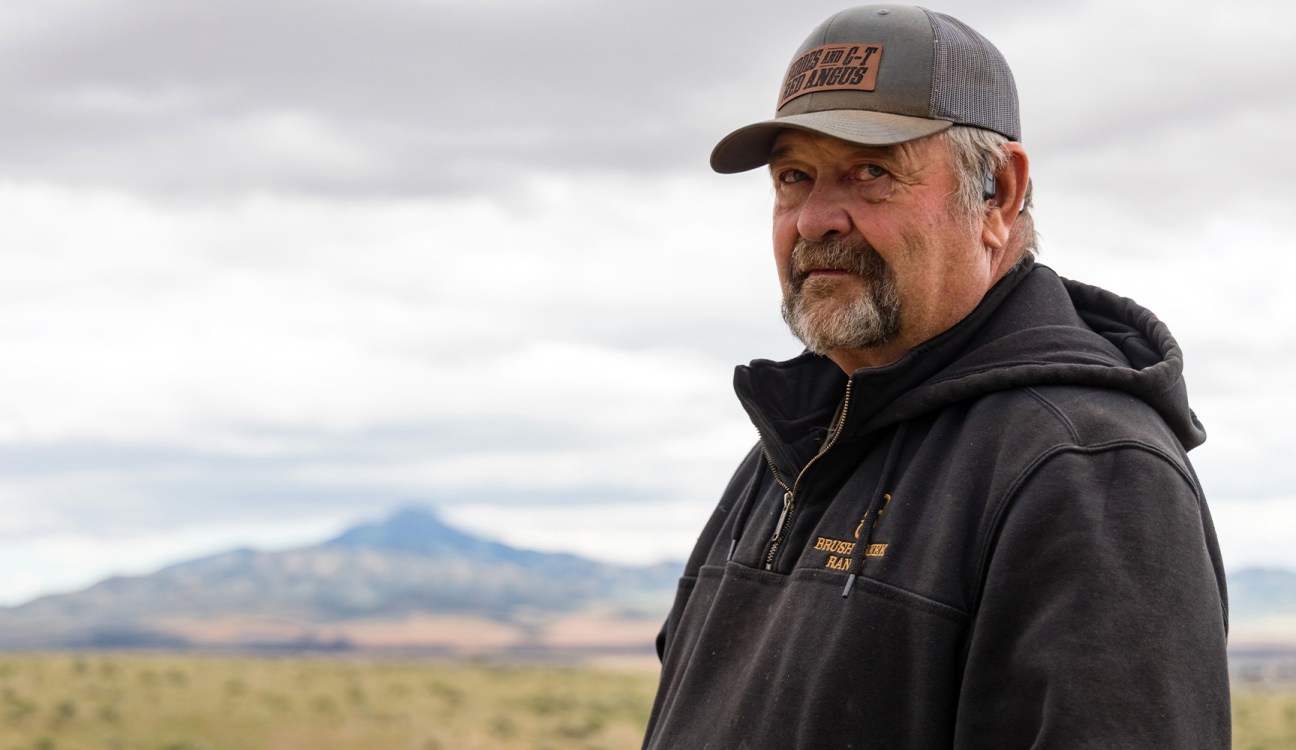
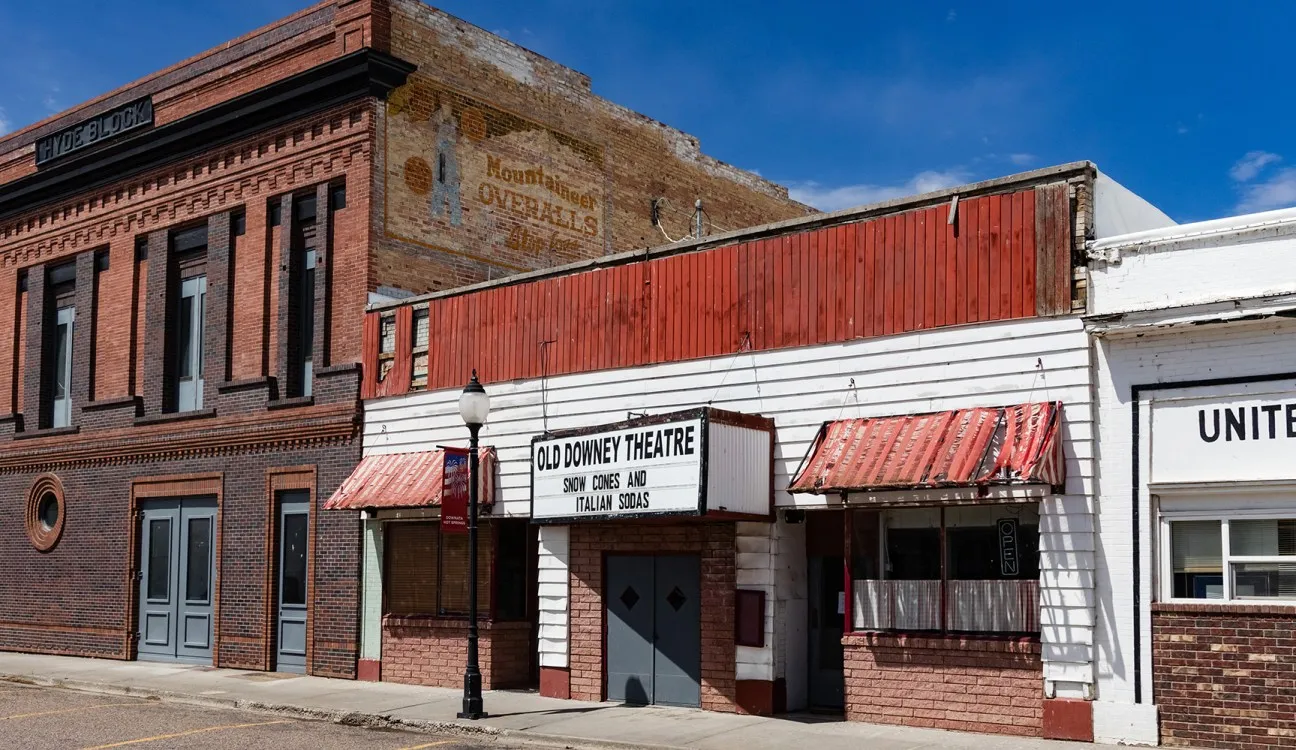
The divide is not merely philosophical; it is driven by the economic realities of modern agriculture. Many farmers in the region are finding it increasingly difficult to remain viable as drought conditions, exacerbated by climate change, take a heavy toll on crop yields. Steve Criddle, a third-generation farmer in south Bannock County, notes that his fields, once productive, are now struggling to produce even a fraction of their historical harvest due to lack of moisture and low snowfall.
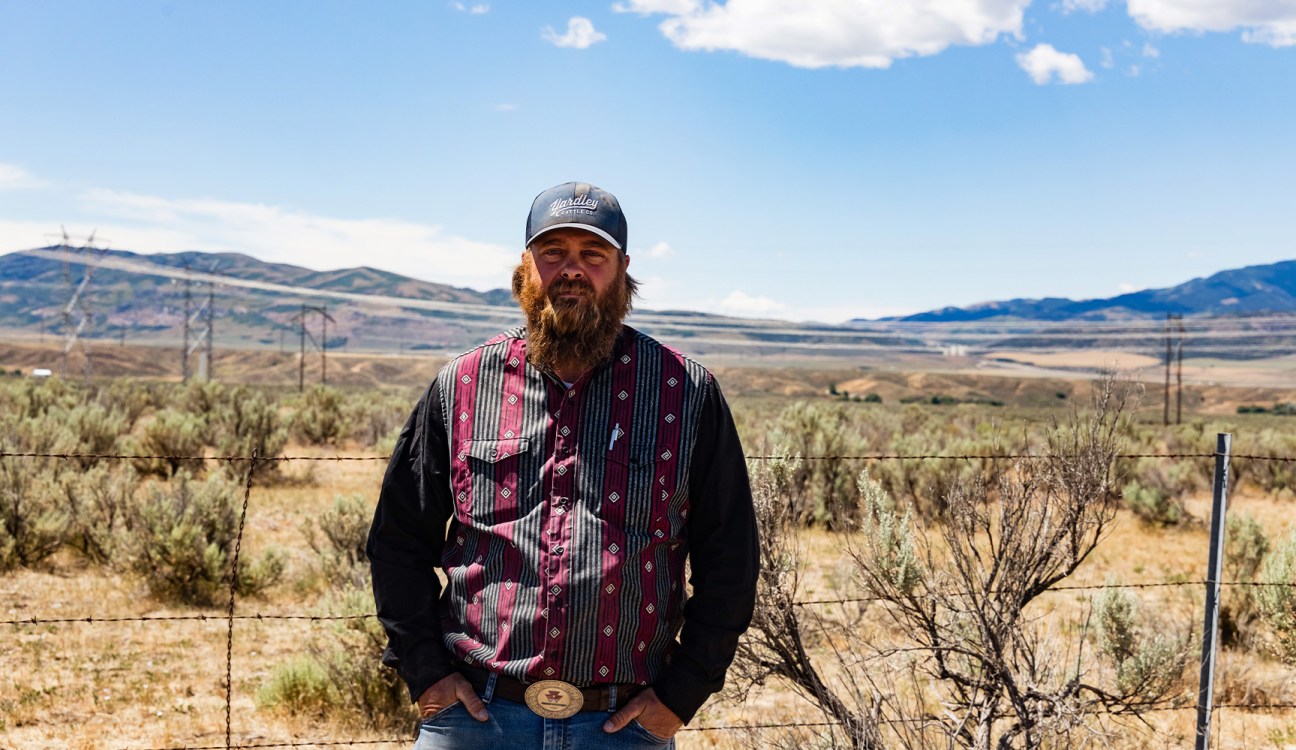
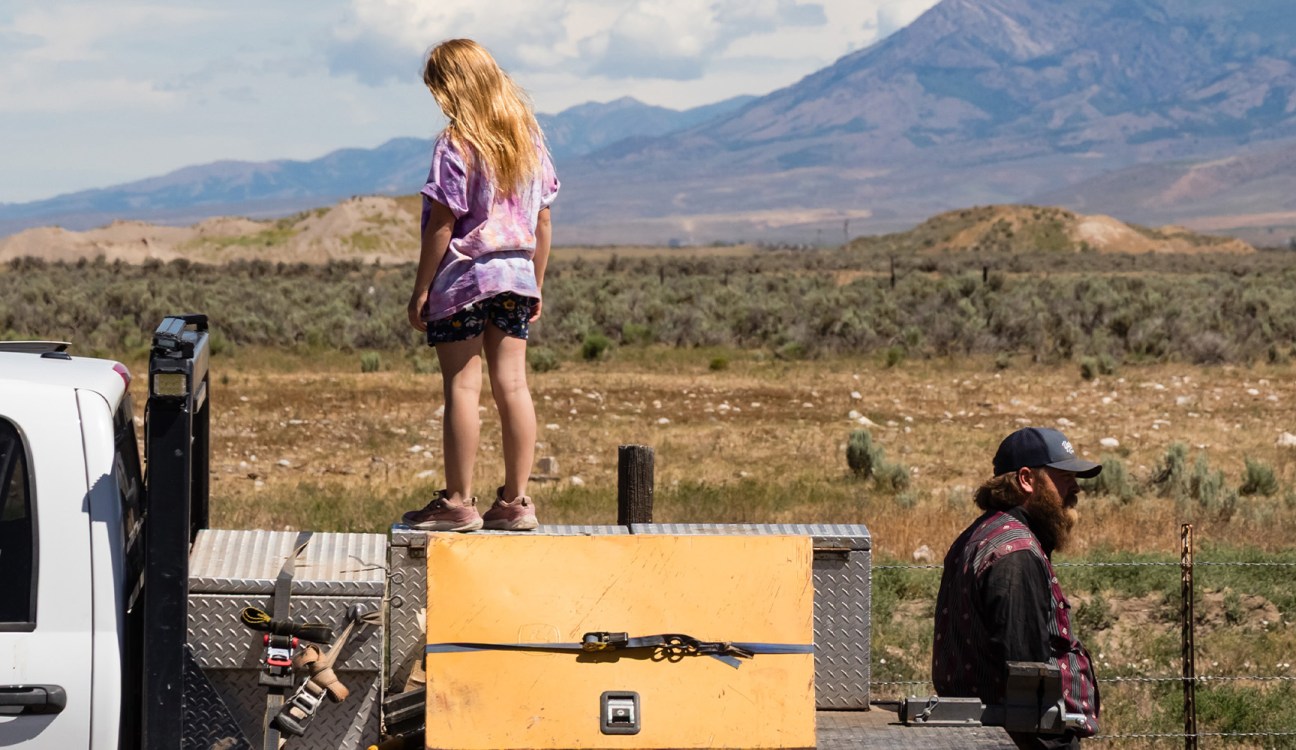
For farmers like Criddle and Dale Lish, the lease payments offered by energy developers represent more than just income—they are a potential lifeline that could allow their families to retain ownership of their land for another generation. Lish, who previously worked with the USDA and saw the benefits of the Rural Energy for America Program, notes that the per-acre income from solar can be four to five times higher than that of wheat. Yet, the opposition remains unmoved. Critics argue that once agricultural land is converted to industrial use, it is lost for decades, regardless of promises of future decommissioning.
The Nuclear Pivot
As the commission prepares to vote on new regulations, the discourse has shifted toward a potential compromise: the inclusion of nuclear energy. A survey conducted in early 2026 showed that 90 percent of Bannock County respondents held favorable views toward nuclear power—a stark contrast to the polarization surrounding wind and solar.
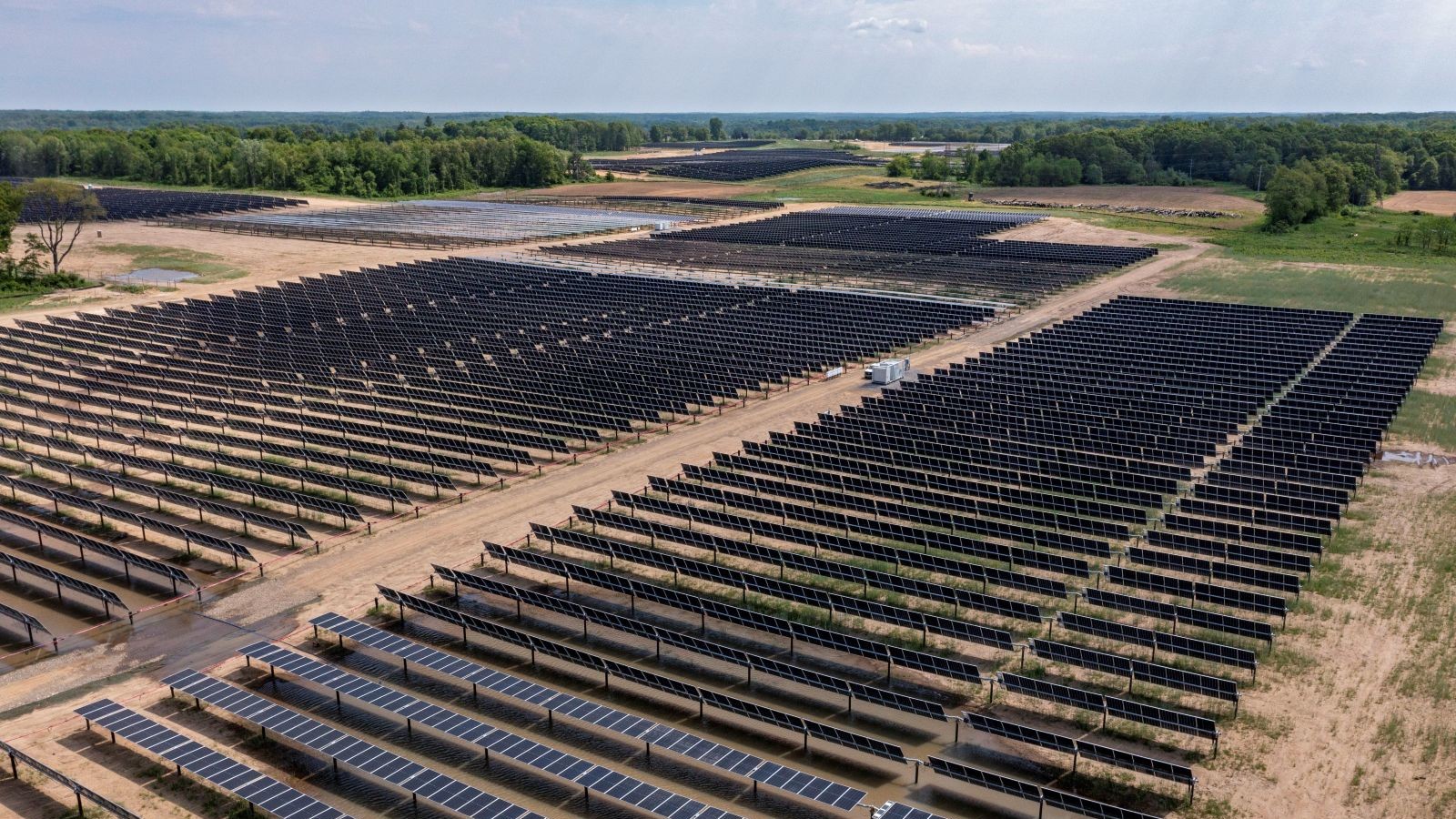
This sentiment is bolstered by the presence of the Idaho National Laboratory (INL), a leader in advanced nuclear research, and the nearby TerraPower project in Wyoming, which is set to come online in 2030. Supporters believe that small modular reactors (SMRs) or microreactors could provide the energy density the region needs without the extensive land footprint required by solar farms. However, critics of the nuclear push point to the technical and financial hurdles facing the SMR industry, including the lack of a robust supply chain and the high failure rate of first-of-a-kind projects.
The Path Forward
Commissioner Jeff Hough, now the chair of the commission, remains committed to his "open for business" approach. He argues that with energy demand in Idaho projected to grow by 1 gigawatt by 2030—a 26 percent increase—the state cannot afford to turn away any source of power. He views the new, proposed ordinance as a balanced document that provides the necessary oversight for fire safety, decommissioning bonds, and land restoration, while upholding the rights of property owners.
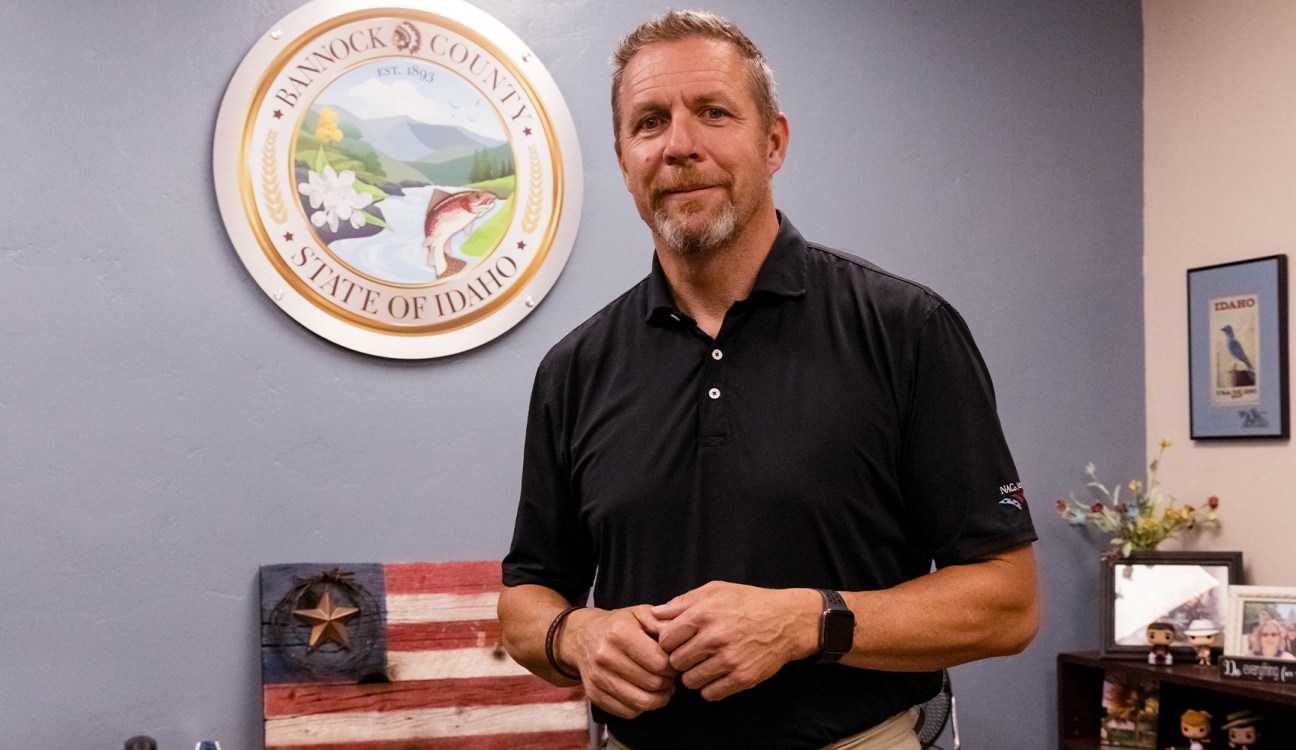
The upcoming vote this fall will serve as a bellwether for Idaho’s energy future. Commissioner Ernie Moser, who supported the 2024 ban but has since indicated that his concerns have moderated, encapsulates the difficulty of the decision. Sitting in his office surrounded by symbols of American history and the Idaho wilderness, Moser describes the role of a commissioner as that of a steward. "It’s not a personal choice; it’s hard choices," he says. "We wake up at two o’clock in the morning thinking about them, and it isn’t a simple deal."
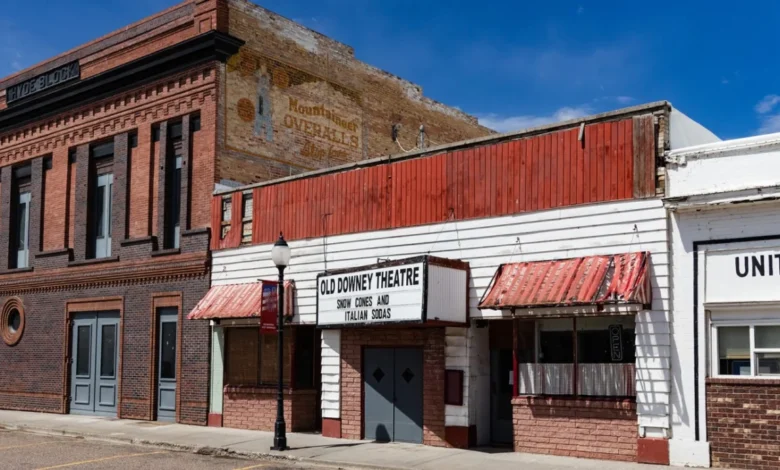
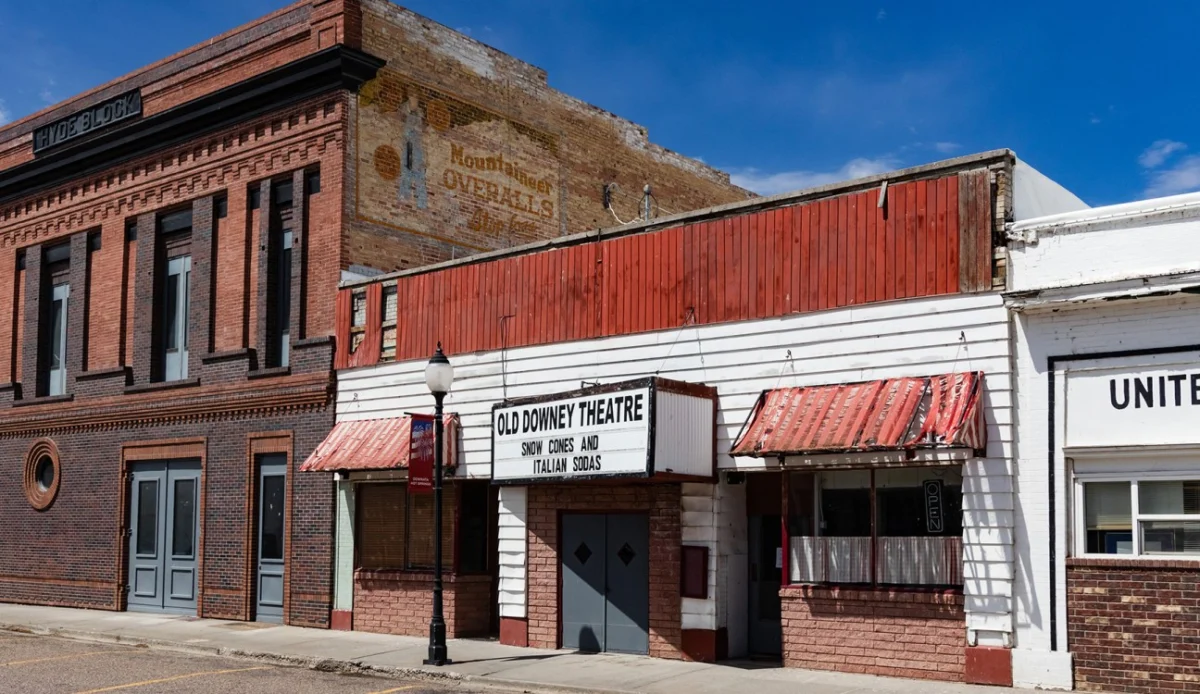
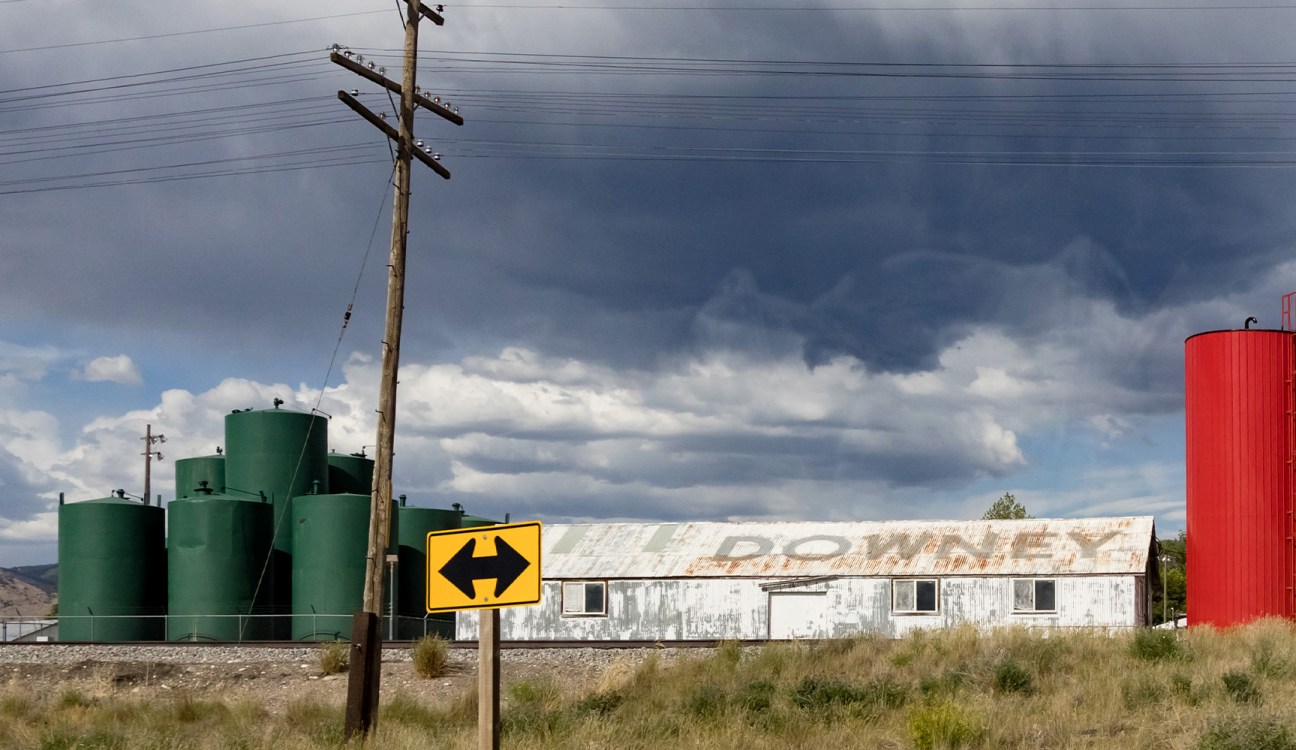
The implications of the decision extend far beyond the borders of Bannock County. As developers watch the proceedings, the outcome will dictate whether the county becomes a model for integrating clean energy into rural landscapes or remains a cautionary tale of local gridlock. Whether the commission approves the new ordinance or continues to prioritize the preservation of the current landscape, one fact remains: the pressure to build will only increase. For now, the people of Bannock County, from the wheat fields of Downey to the offices in Pocatello, remain locked in a debate that asks a fundamental question: what does it mean to be a good steward of the land in an era of rapid change?
Related posts: