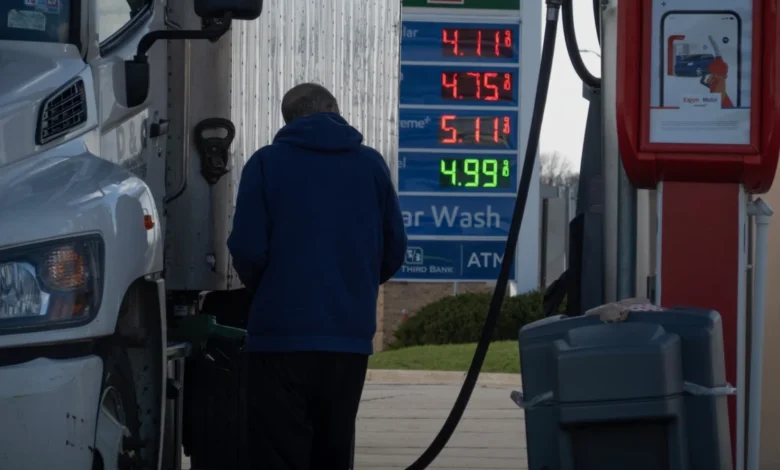
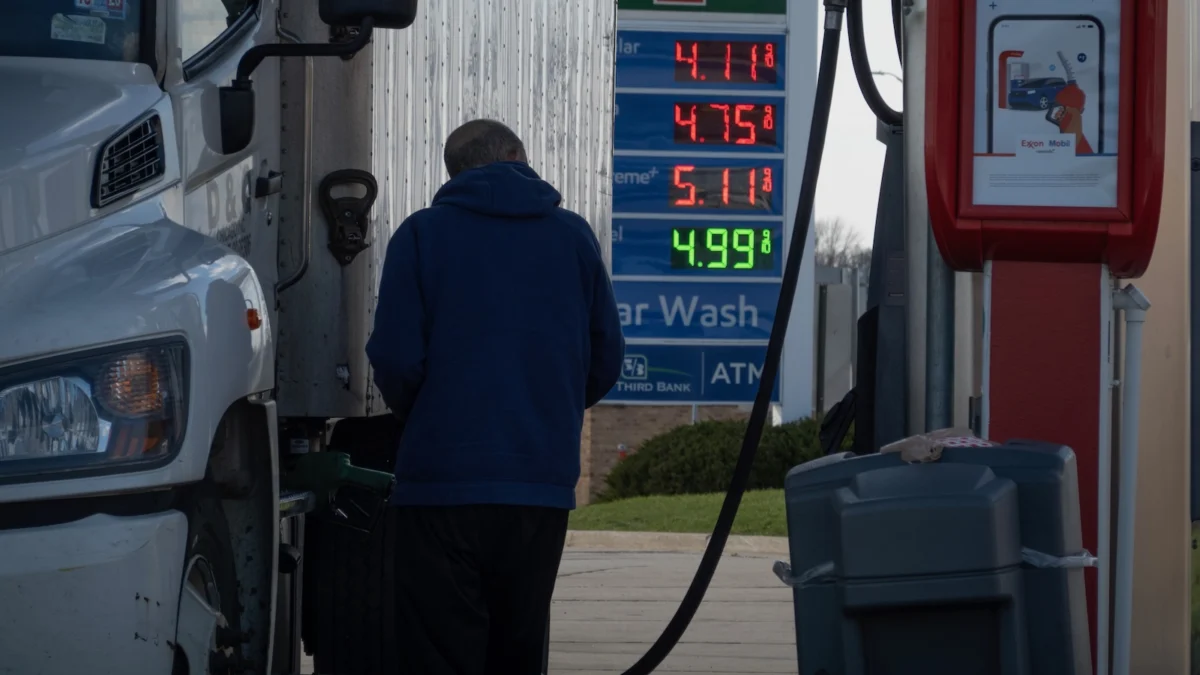
The United States is currently grappling with a severe energy crunch as diesel fuel prices soar to historic levels, reaching a national average of $6.52 per gallon according to the latest data from AAA. This relentless escalation, which has seen prices climb by nearly $1 per gallon in September alone, has transformed diesel from a niche commodity into a central flashpoint in American economic policy. With costs rising approximately 80 percent since the onset of the U.S.-led military conflict with Iran earlier this year, policymakers are increasingly divided over whether the federal government should implement a ban on diesel exports to prioritize domestic supply.
President Donald Trump recently signaled his support for such a measure while attending the United Nations General Assembly in New York. "I’ve said, let’s not send out the diesel," the President stated, confirming that he has initiated internal discussions regarding the feasibility of an export moratorium. This pivot toward protectionist energy policy reflects a growing urgency among lawmakers who fear that the current trajectory of fuel costs could trigger a widespread supply chain collapse.
The Anatomy of an Energy Crisis
While passenger vehicles in the United States are predominantly gasoline-powered, diesel serves as the lifeblood of the national economy. The fuel powers the heavy-duty trucks responsible for the nation’s logistics, the rail networks that move bulk commodities, the maritime shipping industry, and the entirety of the agricultural sector. Consequently, the rising cost of diesel functions as a regressive tax, inflating the price of food, building materials, and essential consumer goods.
The genesis of the current crisis is rooted in geopolitical instability. The ongoing conflict with Iran has effectively paralyzed maritime traffic through the Strait of Hormuz, a critical chokepoint through which approximately 10 percent of the world’s seaborne diesel flows. Simultaneously, sustained Ukrainian strikes on Russian energy infrastructure have constrained global production capacity, leaving the United States—historically a major exporter—as one of the few reliable sources of distillates for international markets.
Chronology of Escalation
The current volatility began early in the year, following the escalation of tensions in the Middle East. By the spring, the disruption of supply chains in the Persian Gulf began to reflect in domestic indices.
- Q1 2026: Initial military engagement in the region triggers global uncertainty, leading to the first significant spikes in crude oil and distillate prices.
- June 2026: Domestic oil reserves reach their lowest levels since 1982, leaving the U.S. with a limited buffer against market shocks.
- September 11, 2026: The U.S. produces approximately 5 million barrels of distillate fuels per day but continues to export roughly 1.6 million barrels, exacerbating the domestic shortfall.
- September 22, 2026: President Trump voices support for an export ban during the UN General Assembly, marking the first time the administration has officially considered the move.
Legislative and Industry Reactions
The push for an export ban has found support among several Republican lawmakers, particularly those representing agricultural states that rely heavily on diesel for harvesting and transport. Senator Chuck Grassley of Iowa took to social media to demand action, arguing that if the government can leverage trade policy to embargo technology exports to China, it should be able to do the same to protect American farmers and truckers. Representative Ashley Hinson, also of Iowa, echoed this sentiment, emphasizing that the burden of the war in Iran should not be placed squarely on the shoulders of the American consumer at the gas pump and the checkout line.
However, the proposal faces fierce opposition from energy industry groups and some members of the President’s own party. The American Fuel & Petrochemical Manufacturers (AFPM) association has issued a stark warning, arguing that export bans are counterproductive. In a recent statement, the organization contended that such restrictions would ultimately stifle domestic production by disincentivizing refiners, thereby weakening long-term energy security and ceding market share to foreign competitors.
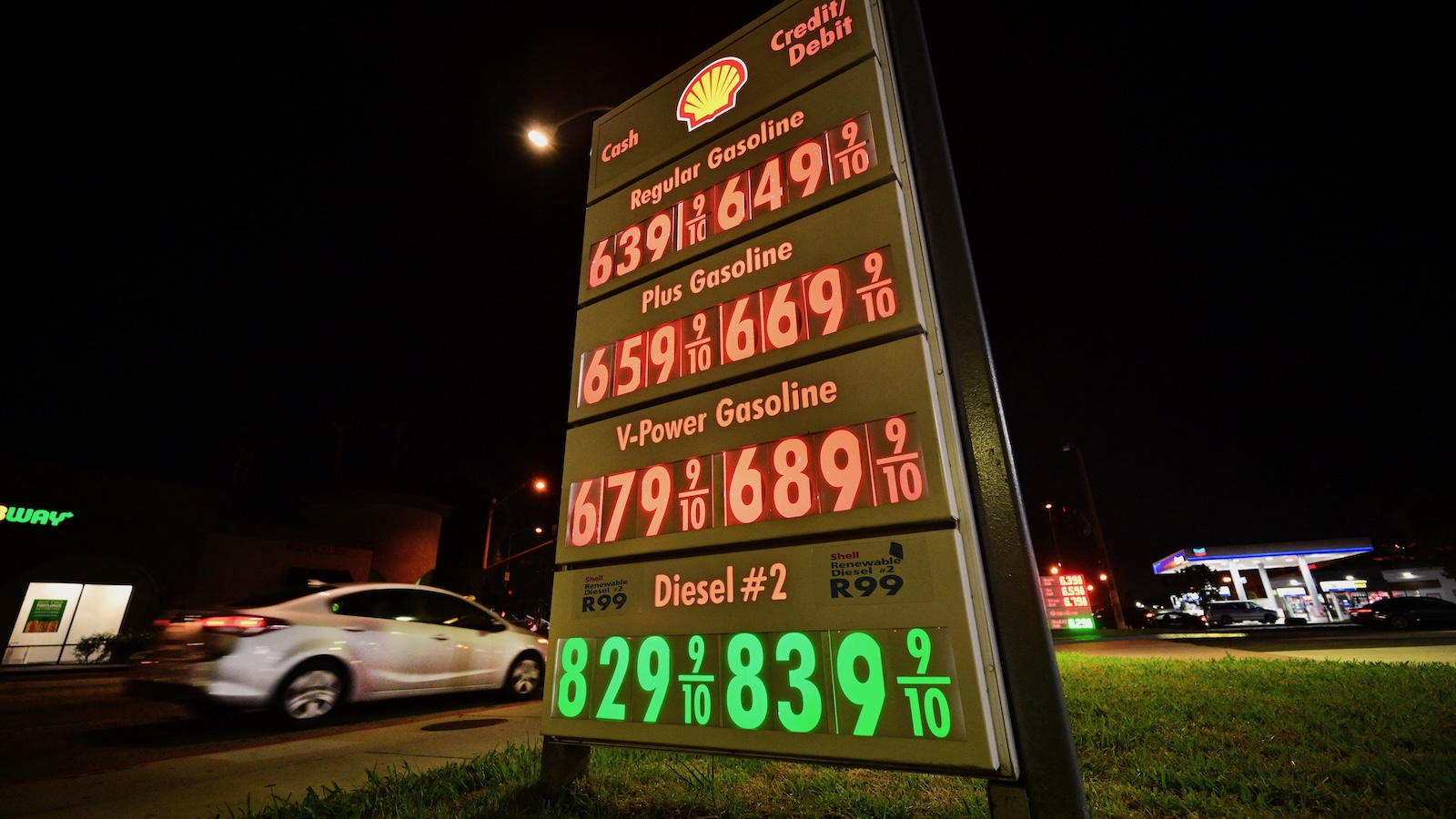
Senator John Cornyn of Texas, representing the nation’s largest oil-producing state, characterized the potential ban as a "gimmick," suggesting that it would fail to address the root causes of the price surge. Similarly, Interior Secretary Doug Burgum has cautioned that an abrupt shift in export policy could inadvertently harm the very constituents it aims to protect, potentially creating localized supply shortages.
Economic Analysis: The Global vs. Domestic Balance
The debate centers on a fundamental disagreement regarding how modern fuel markets function. Experts like Jeff Colgan, a political scientist at Brown University, argue that an export ban would increase domestic supply, thereby providing immediate price relief for households. An online tracker managed by the Watson Institute at Brown University estimates that the rising fuel costs have already stripped more than $51 billion from the American economy, costing the average household roughly $400.
Conversely, analysts such as Patrick De Haan of GasBuddy maintain that the price of diesel is a function of a tightly integrated global market. According to this view, keeping diesel within U.S. borders would not significantly alter the world price, as the global deficit would simply be exacerbated, causing prices to rise further elsewhere and ultimately impacting domestic costs through arbitrage.
Tyson Slocum, director of the energy program at Public Citizen, suggests that the binary nature of the current debate is unhelpful. Slocum advocates for a more nuanced approach, suggesting that rather than an "all-or-nothing" ban, the government could explore tiered export limits or temporary quotas that prioritize domestic reserves during peak agricultural seasons.
Historical Precedent and Future Outlook
The current discourse draws inevitable comparisons to the 1975 Energy Policy and Conservation Act, which banned crude oil exports for four decades in response to the OPEC oil embargo. That policy remained in effect until it was repealed in 2015 during the Obama administration. The legacy of that ban remains a point of contention; while it kept more oil within the U.S. for years, it also hindered the expansion of domestic production capacity that resulted from the later shale revolution.
As the White House weighs its options, the administration finds itself in a precarious position. While officials previously indicated that an export ban was not under active consideration, the President’s recent public endorsement has forced the issue onto the legislative agenda.
Democratic lawmakers have largely remained cautious. Senator Peter Welch of Vermont, when pressed on the matter, argued that the focus on export bans is a distraction from the broader issue of the conflict itself. "Trump is all smoke and mirrors," Welch remarked. "If he’s serious about lowering prices of oil, gas, and home heating oil, he needs to end his illegal war with Iran."
As the winter months approach—a period traditionally marked by higher demand for heating oil, which shares the same supply chain as diesel—the urgency for a solution will only intensify. Whether through targeted export restrictions, strategic reserve releases, or a cooling of regional geopolitical tensions, the path forward remains fraught with economic uncertainty. For now, the administration must navigate a narrow corridor between protecting domestic interests and maintaining the global trade relations that underpin the modern American economy. The coming weeks will likely determine if the proposed ban remains a rhetorical tool or becomes a defining component of the nation’s energy strategy.