The Ultimate Guide to Aruba: Exploring the Evolution, Geography, and Premier Accommodations of the Caribbean’s One Happy Island

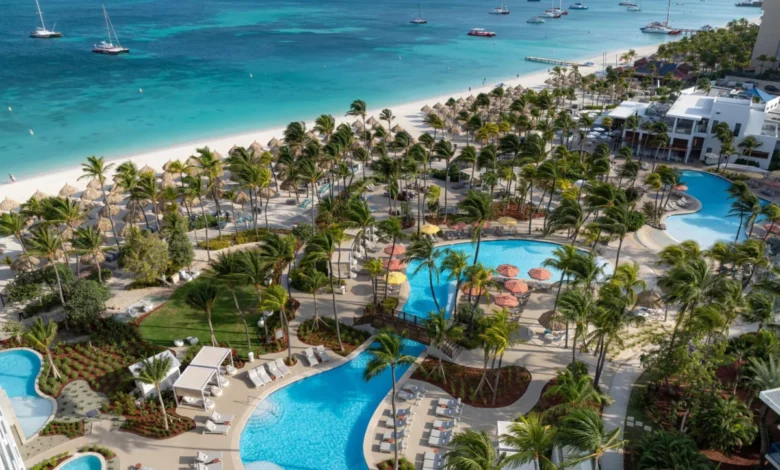
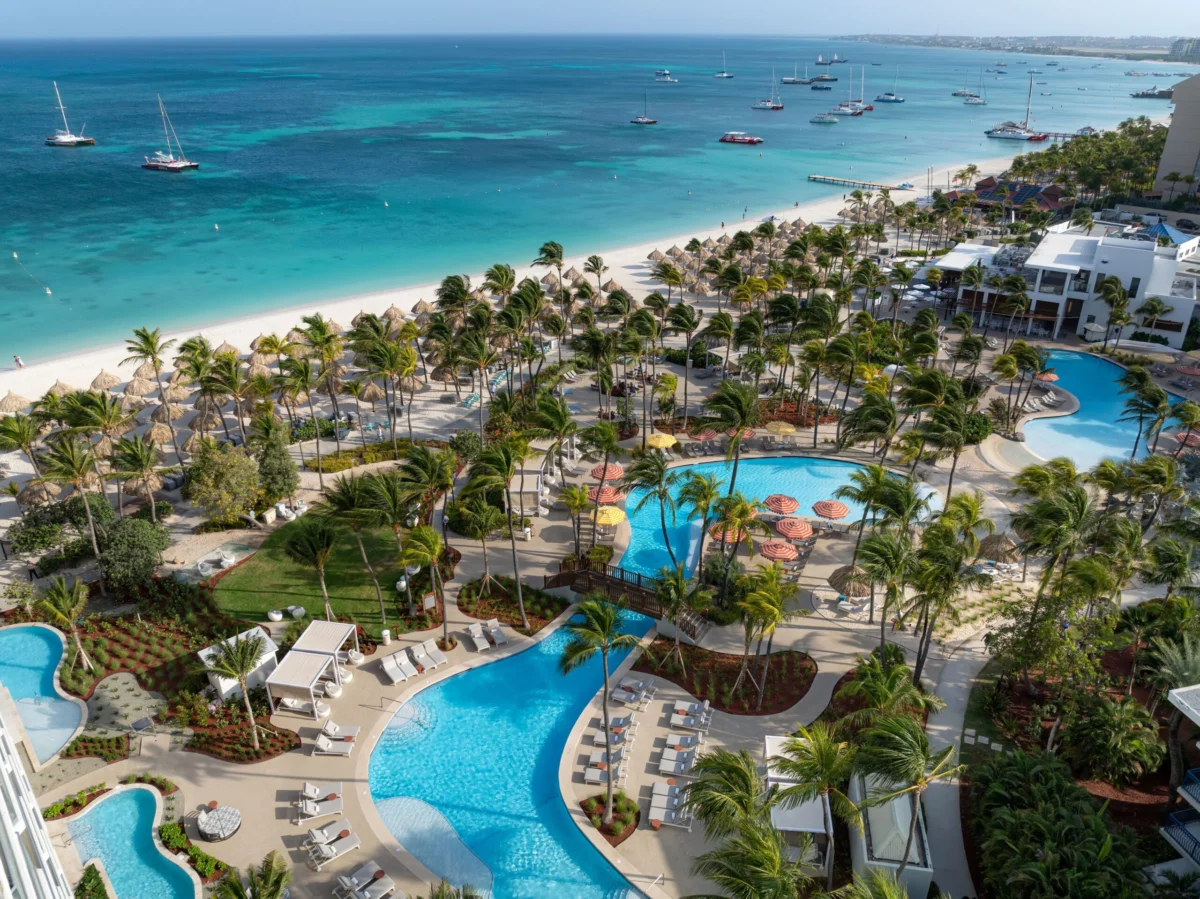
Aruba continues to hold a prominent position as one of the most reliable and enduringly popular destinations in the wider Caribbean travel market. Characterized by its trademark white-sand coastlines, crystal-clear aquamarine waters, and a consistent, cooling trade wind that keeps its tropical climate comfortable year-round, the island has engineered a tourism model that appeals to a diverse demographic of international travelers. Situated safely outside the traditional Atlantic hurricane belt, Aruba offers a rare climate stability that underpins its robust hospitality sector. Beyond its postcard-worthy beaches, the island features a unique geopolitical history, a multicultural culinary identity, and a protected natural interior that collectively elevate it from a standard resort destination to a multifaceted Caribbean territory.
Geographical Profile and the Safeguarding of Arikok National Park
To understand Aruba’s ecological footprint, one must look beyond the bustling hotel strips of Palm Beach and Eagle Beach. Spanning approximately 70 square miles, the island accommodates a population of roughly 110,000 residents while welcoming over a million stayover tourists annually. Despite this high visitor density, environmental preservation remains a cornerstone of regional planning. Approximately 20 percent of the island’s total landmass is legally designated as Arikok National Park.
Established to protect the island’s unique flora and fauna—including endemic species like the Aruban rattlesnake and the burrowing owl (locally known as the shoco)—Arikok presents a stark contrast to the manicured resort lawns. The park’s terrain is defined by rugged limestone cliffs, ancient Indian rock drawings, dramatic sand dunes, and hidden natural pools carved by the relentless surf of the northern coast. This protected area reflects a deliberate policy balance by local authorities: accommodating mass international tourism along the leeward western coast while preserving the arid, cactus-studded wilderness of the windward side for ecological research, conservation, and low-impact recreation.
Historical Evolution of Aruban Tourism
Aruba’s journey toward becoming an economic powerhouse driven by tourism represents a fascinating study in post-industrial economic transition. For much of the 20th century, the island’s economy was heavily dependent on the petroleum industry. The establishment of the Lago oil refinery in San Nicolas in the late 1920s transformed Aruba into a critical global hub for petroleum processing, particularly during and after the Second World War.
However, the global energy shifts of the 1980s led to the closure of the refinery in 1985, threatening the island with severe economic contraction. In response, the local government, in collaboration with community stakeholders, pivoted decisively toward tourism. The strategy capitalized on Aruba’s natural assets—its climate, safety profile, and welcoming local population, who often speak four languages (Papiamento, Dutch, English, and Spanish).
Throughout the late 1980s and 1990s, the hospitality infrastructure expanded rapidly. The initial phase focused on low-rise properties primarily concentrated in the Eagle Beach area. As international demand surged, development shifted northward to Palm Beach, where high-rise luxury resorts, international hotel chains, and high-end retail complexes began to define the skyline. This phased development has created a segmented hotel market, allowing the island to cater simultaneously to budget-conscious families, luxury travelers, and corporate retreat groups.
Culinary Landscape and Cultural Synthesis
The culinary scene in Aruba serves as a direct reflection of its complex demographic history. As a constituent country of the Kingdom of the Netherlands, influenced by its proximity to South America and its historical ties to the Caribbean, Aruba’s gastronomy is deeply multicultural.
Traditional Aruban cuisine incorporates elements of Dutch, Spanish, African, and Arawak Indian heritages. Staple dishes include keshi yen—a heavily spiced meat mixture encased in a ball of melted Gouda or Edam cheese—and fresh catch-of-the-day preparations such as mahi-mahi and red snapper, typically served with funchi (a cornmeal polenta) or pan bati (a native sweet pancake).
In recent decades, the culinary sector has evolved significantly. Oranjestad and the primary hotel districts now feature internationally acclaimed restaurants helmed by celebrated chefs, importing fine-dining concepts from Europe and the Americas while maintaining a strong emphasis on locally sourced seafood. This diversification has positioned Aruba not merely as a sun-and-sand destination, but as a notable culinary hub within the Lesser Antilles.
Economic Implications and Tourism Sector Resilience
The economic reliance on tourism presents both substantial benefits and structural vulnerabilities, a dynamic underscored by global disruptions such as the COVID-19 pandemic. Prior to 2020, tourism accounted for over 80 percent of Aruba’s Gross Domestic Product (GDP) either directly or indirectly.
When international travel ground to a halt, the Aruban economy experienced one of the steepest contractions in the region. The subsequent recovery, however, demonstrated the enduring appeal of the destination. Through targeted health protocols, digital nomad programs like the "One Happy Workation," and aggressive marketing campaigns, the Aruba Tourism Authority (ATA) facilitated a remarkably swift rebound. By 2023 and 2024, visitor arrival numbers had not only recovered to pre-pandemic baselines but in some sectors surpassed them.
This recovery has prompted a strategic policy shift toward sustainable tourism management. The ATA, in partnership with global entities like the Global Sustainable Tourism Council (GSTC), has implemented initiatives aimed at measuring and reducing the carbon footprint of the tourism sector, managing visitor flows at popular natural sites, and encouraging travelers to engage in voluntourism and community-based cultural experiences in neighborhoods like San Nicolas.
Navigating the Contemporary Hotel Landscape
For the modern traveler, selecting a property in Aruba requires an understanding of the island’s distinct regional geographies. The hospitality sector is generally divided into three main zones: the Low-Rise District, the High-Rise District, and the emerging boutique accommodations scattered throughout Oranjestad and peripheral residential areas.
The Low-Rise District, situated further south around Eagle Beach, is characterized by a more tranquil, spread-out atmosphere. Properties here tend to be condominiums, low-rise resorts, and boutique hotels that offer direct access to wide, less congested stretches of sand. This area appeals primarily to repeat visitors seeking a quieter, more traditional Caribbean vacation experience.
Conversely, the High-Rise District along Palm Beach represents the epicenter of commercial resort activity. This area is dense with high-rise international brand hotels, sprawling swimming pool complexes, casinos, movie theaters, and extensive shopping malls. It is engineered for travelers who prefer maximum convenience, a wide array of on-site dining options, vibrant nightlife, and structured resort activities.
In recent years, a growing segment of the market has gravitated toward boutique hotels, restored historic buildings in downtown Oranjestad, and private luxury rentals. These properties offer a different value proposition, emphasizing architectural heritage, personalized service, and immersion in the day-to-day life of the island’s residents.
Future Outlook and Sustainable Development
Looking forward, Aruba’s tourism strategists face the challenge of balancing continued economic growth with environmental carrying capacity. Infrastructure investments are increasingly focused on renewable energy integration—such as wind and solar power generation—and water desalination efficiency to support the demands of high-occupancy resort complexes without depleting local aquifers.
Furthermore, the government’s commitment to phasing out single-use plastics and promoting electric public transportation underscores a regional leadership role in environmental stewardship. These regulatory frameworks are designed to ensure that the natural qualities which initially drew travelers to Aruba—its pristine waters, clean beaches, and preserved natural parks—remain intact for future generations.
Ultimately, Aruba’s enduring success in the fiercely competitive Caribbean tourism market is not accidental. It is the result of continuous infrastructural adaptation, a stable political and social climate, a diversified hospitality sector, and a steadfast commitment to preserving the ecological and cultural identity that defines the island. Whether approached as a rapid three-day weekend retreat or an extended seasonal escape, Aruba offers a sophisticated infrastructure built upon a foundation of natural and historical resilience.