Senate Lawmakers Stalled on Bipartisan Energy Permitting Reform as Midterm Pressures Mount

As federal legislators prepare to vacate Capitol Hill to campaign for the upcoming midterm elections, a high-stakes effort to overhaul the nation’s energy permitting system has reached a critical, if precarious, impasse. Despite bipartisan consensus that the current regulatory framework is fundamentally broken, the path to a legislative solution remains blocked by a complex web of political, environmental, and public relations hurdles. At the center of this legislative tug-of-war is the urgent, escalating demand for electricity, driven by a rapid expansion in domestic manufacturing and the massive, power-intensive build-out of artificial intelligence data centers.
A System Under Strain: The Context of Regulatory Gridlock
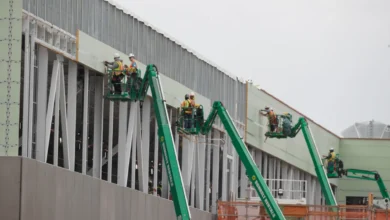
The U.S. energy landscape is currently defined by a paradox: while the nation has ambitious goals for decarbonization and economic expansion, the physical infrastructure required to meet these targets is suffocating under layers of federal bureaucracy. Industry leaders have long argued that the status quo—characterized by fragmented agency reviews, exhaustive environmental impact studies, and perpetual litigation—serves as a bottleneck that effectively halts progress on both fossil fuel and renewable energy projects.
According to recent industry surveys, the average time to bring a major energy project from inception to operation has nearly doubled over the past decade. This delay is not merely an inconvenience; it is a structural impediment to economic stability. The current system forces project developers to navigate a labyrinthine process governed by the Clean Water Act and the Endangered Species Act, among other regulations. While these laws are intended to provide essential environmental oversight, they have become the primary theater for legal challenges that can stall transmission lines and pipeline construction for years.
Chronology of the Legislative Effort
The current push for reform is the latest in a long line of attempts to modernize federal energy policy. Following the failure of the Energy Permitting Reform Act of 2024, which cleared committee but was never granted a full floor vote, the urgency of the situation has only intensified. By early 2026, the convergence of AI development and the “electrification of everything”—including heat pumps, electric vehicles, and industrial manufacturing—created a consensus among Senate leadership that legislative action was unavoidable.
In August 2026, Senator Marsha Blackburn (R-TN) and others championed the American Energy Mineral Infrastructure Act, signaling a renewed momentum for reform. Through September, top-ranking members of the Senate’s energy-related committees engaged in intensive, closed-door negotiations to draft a bill that could bridge the ideological divide. However, by late September, reports emerged that the legislative text would remain unfinished until after the November elections, largely due to the political risks associated with the optics of data center expansion.
The Data Center Dilemma: A PR Crisis
While lawmakers recognize the technical necessity of increased power capacity, they are simultaneously grappling with a significant shift in public sentiment. Public opinion research, notably from the D.C.-based firm Redbud Consulting, has identified data centers as a “toxic” subject for voters. The issue is non-partisan in its unpopularity; polls consistently show that residents across the political spectrum—Democrats, Republicans, and independents alike—harbor deep-seated opposition to the construction of massive data centers in their communities.
This creates a significant political liability for legislators facing reelection. The challenge is one of messaging: while officials want to tout the benefits of a robust, modernized electrical grid, they must avoid the perception that they are merely facilitating a boom for the tech industry at the expense of local communities. Alex Lundry of Redbud Consulting notes that when permitting reform is framed as a benefit for data centers, support among voters craters. Conversely, when the narrative focuses on clean energy and reducing utility costs, public support increases significantly, with 71% of respondents in recent surveys supporting the expansion of renewable energy capacity.
The Competitive Angle: Geopolitical Security
Beyond the domestic implications of power demand, proponents of the bill have frequently invoked the specter of global competition to justify reform. Legislators and industry advocates argue that the current pace of American energy development is insufficient to maintain an economic or military edge over China. During the Clean Energy Week conference in mid-September, a recurring theme among speakers was the need for “energy dominance.”
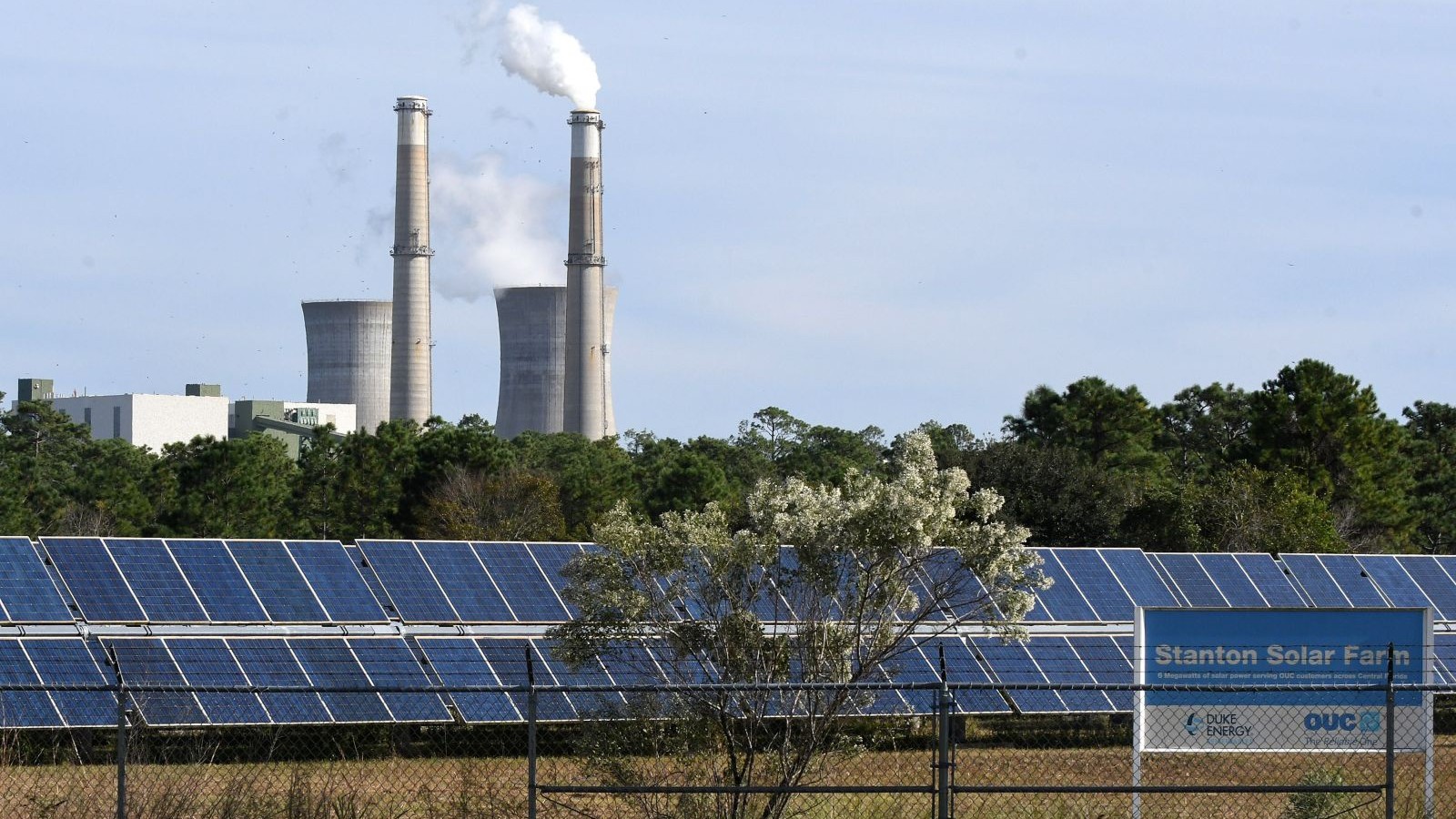
Senator Rick Scott (R-FL) has been particularly vocal on this front, arguing that the country is “fighting the energy war with one hand tied behind our backs” due to “a mountain of red tape.” However, this rhetoric has faced diminishing returns. Analysts suggest that while the China-competition narrative resonated in previous cycles, it is currently failing to move the needle with voters who are more concerned with local inflation and rising energy bills.
Economic and Technical Drivers of Demand
The surge in power demand is not solely the result of the tech industry’s AI ambitions. The U.S. is currently in the midst of a broader transition toward electrification. According to data from the U.S. Energy Information Administration (EIA), solar power and battery storage are projected to account for nearly 80% of new generation capacity in 2026. Meanwhile, natural gas remains the dominant source of current baseload electricity.
Data centers are exacerbating this demand curve at an unprecedented rate. These facilities, which are essential for cloud computing and AI, operate continuously, requiring a constant and reliable power supply. The integration of these facilities into the grid has placed significant strain on existing supply chains, prompting some lawmakers to explore legislative guardrails. In September, the House of Representatives passed a bill that would encourage states to require data centers to pay for their own electricity generation, a move intended to prevent utility costs from spiking for the average household. That bill, however, remains stalled in the Senate, where some Democrats argue it lacks the necessary regulatory teeth.
Official Responses and the Road Ahead
The path forward remains contingent on finding a compromise that satisfies the competing interests of environmentalists, industrial developers, and a skeptical public. The Trump administration has signaled a willingness to expedite renewable energy projects as a bargaining chip to secure broader permitting reform, a development that has created a tentative opening for negotiation.
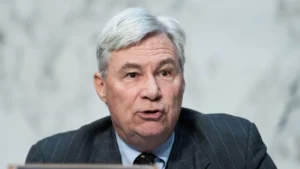
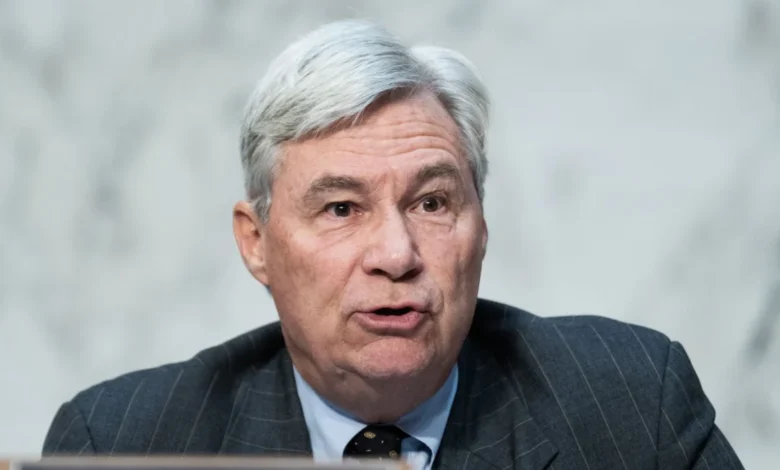
Senator Sheldon Whitehouse (D-RI), a lead negotiator on the bill, has emphasized the need for clarity regarding the future of wind and solar permitting. While the administration’s overtures have been noted, Democrats remain cautious, seeking assurances that a “return to regular order” will not result in environmental protections being circumvented in practice.
"I appreciate very much what the administration has done to move in this direction," Whitehouse stated. "But in order to brief colleagues on what this really means, we need just a bit more clarity on exactly what a return to regular order for wind and solar projects looks like."
Implications for Future Policy
The failure to reach a deal before the midterm break effectively defers the debate to a post-election "lame duck" session or the start of the next Congress. The implications of this delay are profound. Without legislative reform, the grid may struggle to keep pace with the electrification of the U.S. economy, potentially leading to capacity shortages and increased energy prices.
Furthermore, the tension between environmental protection and infrastructure expansion remains unresolved. Environmental organizations like the Natural Resources Defense Council (NRDC) continue to advocate for a "nature-friendly" approach to siting, emphasizing that speed should not come at the cost of ecosystem integrity. As lawmakers weigh these competing demands, the fundamental question remains: can the United States reform its regulatory apparatus to build the necessary infrastructure of the 21st century without sacrificing the public trust and environmental standards that define its governance? The answer to that question will likely dictate the nation’s energy trajectory for the next decade.
Related posts: