New York Becomes First U.S. State to Mandate All-Electric Construction for New Buildings

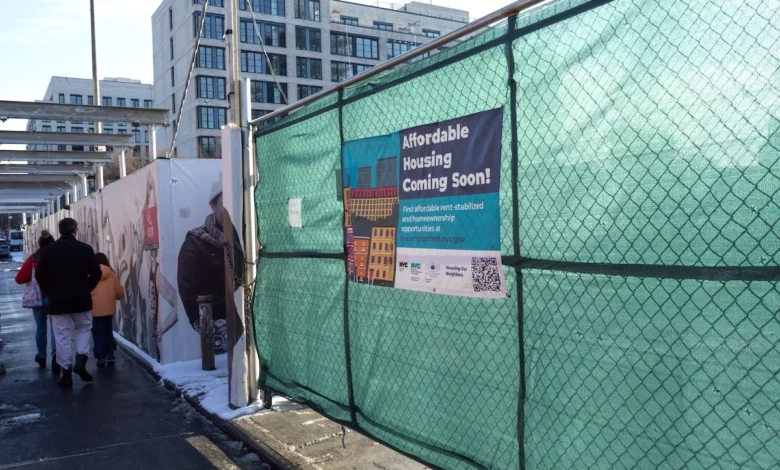
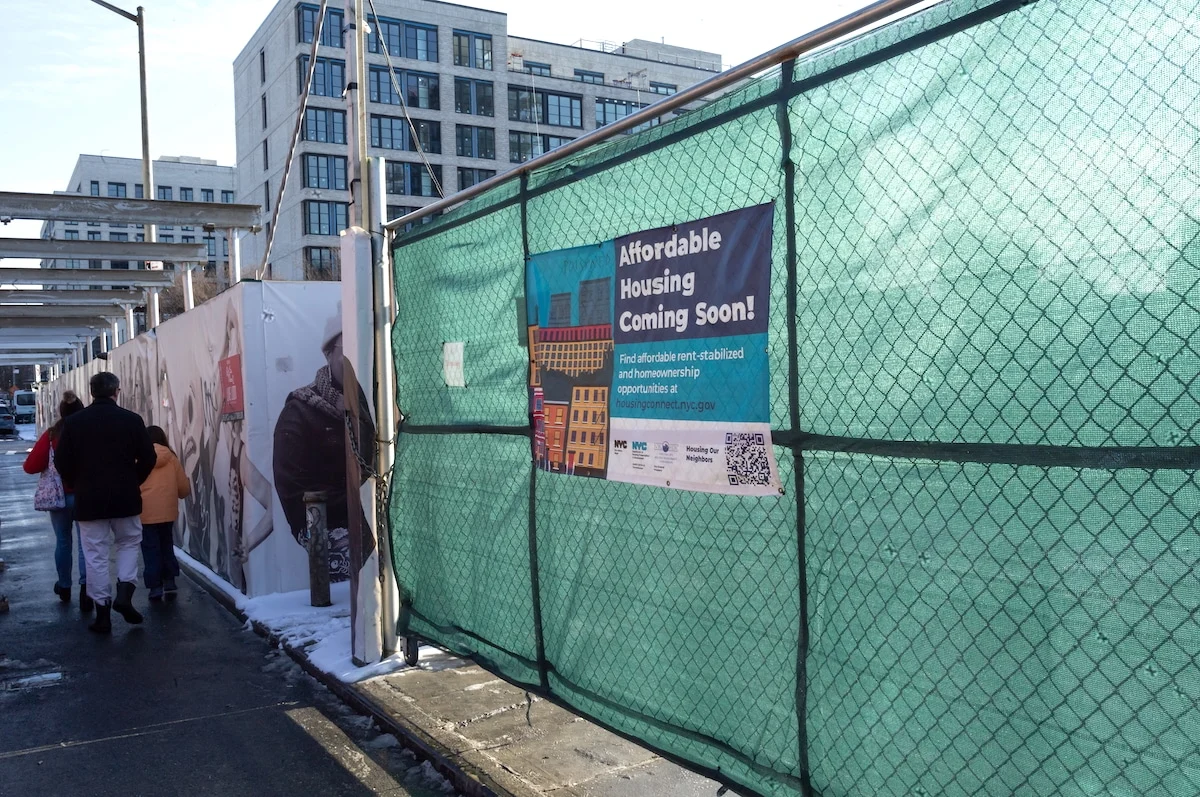
In a landmark shift for American climate policy and urban infrastructure, New York has officially become the first state in the United States to enact a comprehensive mandate requiring new construction to be built entirely without fossil fuel hookups. Finalized by the State Fire Prevention and Building Code Council in late July 2025, the regulation marks the culmination of a years-long legislative and legal struggle to decouple the state’s building sector from natural gas and oil. This policy transition is expected to fundamentally alter the construction industry, reduce long-term carbon emissions, and influence future environmental legislation across the country.
The mandate, rooted in the 2023 All-Electric Buildings Act, requires that new residential and commercial developments transition away from traditional gas infrastructure in favor of high-efficiency electric alternatives, such as heat pumps and induction cooking technologies. By eliminating the reliance on gas lines for heating, cooling, and cooking in new structures, the state aims to address one of its most significant sources of greenhouse gas emissions.
A Chronology of the Legislative Push
The path to this mandate began in earnest during the 2023 legislative session, when the New York State Assembly successfully passed the All-Electric Buildings Act. The legislation was designed to serve as a cornerstone of the state’s broader goal to reduce economy-wide greenhouse gas emissions by 85% by 2050, as established under the Climate Leadership and Community Protection Act (CLCPA).
Following the passage of the act, the implementation phase faced significant scrutiny and legal challenges. Throughout 2024 and early 2025, trade groups representing the fossil fuel and building industries challenged the law, mirroring the legal strategies used to successfully overturn similar electrification ordinances in municipalities like Berkeley, California. These opponents argued that state-level building codes could not preempt federal regulations regarding energy standards.
However, the legal landscape shifted in July 2025 when the U.S. District Court for the Northern District of New York issued a definitive ruling. The court held that the state was within its legal rights to move forward with the implementation of the act, dismissing the industry’s request for an injunction. This ruling cleared the final hurdle for the State Fire Prevention and Building Code Council, which promptly finalized the regulatory framework later that same month.
Implementation Phases and Regulatory Requirements
The transition to all-electric construction will occur in a phased rollout to allow developers and supply chains to adjust to the new requirements. According to the finalized mandate, the requirements apply to building permit applications for initial construction filed on or after December 31, 2025.
For residential buildings up to seven stories in height, the transition begins at the end of 2025. The same timeline applies to commercial and industrial buildings under 100,000 square feet. A longer runway has been granted for larger, more complex structures: commercial and industrial buildings exceeding 100,000 square feet are required to adhere to the all-electric standard by 2029.
The regulation is not without exceptions. To ensure the viability of specialized sectors, the state has provided exemptions for certain types of facilities. Agricultural buildings, medical facilities, laboratories, and crematoriums are among those excluded from the mandate, as these structures often require high-temperature processes or specific energy configurations that current electric technology may not yet be able to accommodate at scale. Restaurants, which often rely on high-intensity gas flames for specific culinary techniques, are also included in the list of exemptions, reflecting a balance between climate goals and the operational realities of the hospitality industry.

The Environmental and Economic Rationale
The impetus for this regulation is clear: the built environment is a leading driver of New York’s carbon footprint. According to data from the New York State Department of Environmental Conservation, buildings account for approximately 31% of all greenhouse gas emissions within the state. Heating, hot water, and cooking appliances that rely on fossil fuels contribute significantly to these figures, while also impacting indoor air quality.
Beyond the environmental impact, advocates point to the economic advantages for homeowners and developers. The New Buildings Institute has suggested that building all-electric homes can be more cost-effective than traditional construction in the long term. Their research indicates that developers can save between $7,500 and $8,200 in upfront costs for a single-family home by avoiding the installation of gas piping and venting systems. Furthermore, homeowners are projected to see a 17% reduction in energy usage, potentially saving the average household nearly $5,000 over a 30-year period.
Stakeholder Reactions and Legal Uncertainties
The reaction to the finalization of the code has been sharply divided. Environmental organizations and public health advocates have hailed the decision as a watershed moment. Dawn Wells-Clyburn, executive director of PUSH Buffalo, characterized the mandate as a victory for community health and prosperity over industry profit. She noted that the court’s decision sends a clear signal that the welfare of the public takes precedence over the "fear-mongering" tactics employed by the fossil fuel industry.
Conversely, industry groups remain skeptical. While the state has won this initial court battle, there are ongoing efforts to involve the U.S. Department of Justice to block the mandate from taking effect. Industry lobbyists argue that such sweeping regulations could increase costs for developers and create an unreliable energy grid, particularly during peak winter months when heating demand is at its highest. They maintain that the transition to an all-electric grid requires significant upgrades to existing energy infrastructure, which they claim has not been fully accounted for in the current mandate.
Broader Implications for U.S. Infrastructure
New York’s role as a policy laboratory is significant. As the first state to adopt such a rule, its progress will be closely watched by other jurisdictions, including California, Washington, and Massachusetts, which have all explored similar building electrification policies.
The success of the New York model will depend on the stability of the energy grid and the availability of affordable, efficient electric heating technology. If the transition is executed smoothly, it could provide a roadmap for the rest of the nation to follow. However, if the state encounters significant supply chain disruptions or grid capacity issues, the policy could face further political backlash or attempts at legislative rollbacks in future sessions.
The shift also signals a changing tide for the construction industry. Architects, engineers, and developers are now being forced to pivot toward heat pump technology and high-performance building envelopes. This shift is likely to spur innovation, potentially lowering the costs of heat pump installations as economies of scale improve and the market matures.
Looking Ahead
As the December 31, 2025 deadline approaches, the construction industry in New York is entering a period of intense transition. For policymakers, the focus will now shift to monitoring compliance and ensuring that the electrical grid can handle the projected increase in demand. For residents, the change promises cleaner indoor air and, ideally, more stable utility costs as the state moves away from the volatile pricing often associated with fossil fuels.
The battle over the future of the American home is far from over. With potential appeals and ongoing industry opposition, the legal status of the All-Electric Buildings Act will likely remain a point of contention for months, if not years, to come. Nevertheless, New York has set a precedent that fundamentally alters the terms of the debate, moving the conversation from whether to decarbonize buildings to how to do so as efficiently and equitably as possible. The coming years will serve as a definitive test of whether an all-electric future is both technically feasible and economically sustainable for a major urban economy.
Related posts: