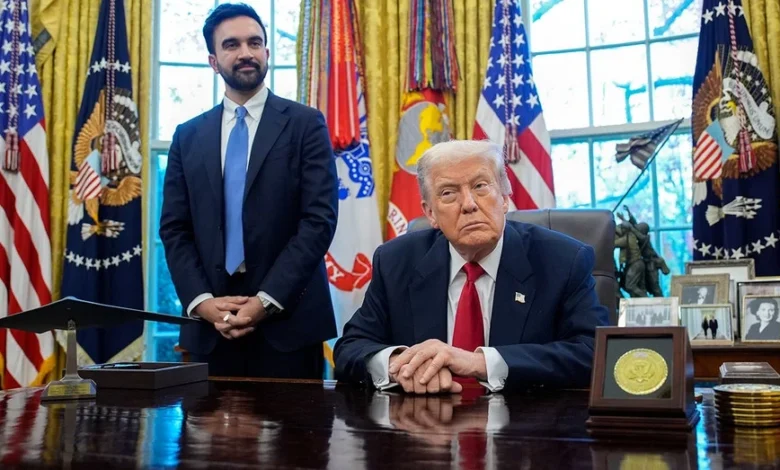
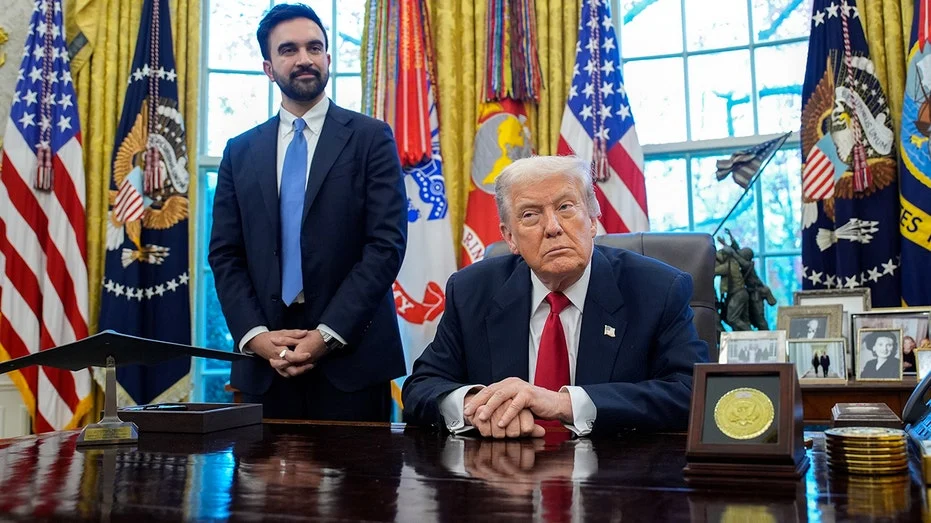
New York City Mayor Zohran Mamdani is scheduled to sit down with President Donald Trump on Monday at Gracie Mansion, the historic official residence of the city’s chief executive. The meeting, which has been confirmed by the mayor’s office, will focus on a broad spectrum of federal, state, and municipal issues directly impacting America’s largest and most economically vital urban center. While the exact timing of the gathering remains unannounced, and the White House has yet to issue a comprehensive itinerary or comment on the specifics of the agenda, the encounter highlights an ongoing, pragmatic working relationship between two prominent political figures representing starkly different ideologies and constituencies.
This upcoming session marks the third formal, face-to-face meeting between Trump and Mamdani since the New York City mayor assumed office. Despite significant partisan and policy divides—with Trump leading the executive branch from a conservative platform and Mamdani governing as one of the country’s most visible progressive and Democratic Socialist-aligned mayors—both leaders have previously emphasized a shared interest in addressing fundamental economic anxieties that plague metropolitan populations, most notably the cost of living, housing shortages, and urban infrastructure financing.
A Growing Chronology of Engagement
The diplomatic and administrative pipeline between City Hall and the White House has remained unusually active since Mamdani’s electoral victory. The chronology of their high-level interactions underscores a mutual recognition that federal-local cooperation is indispensable for managing a global metropolis like New York City:
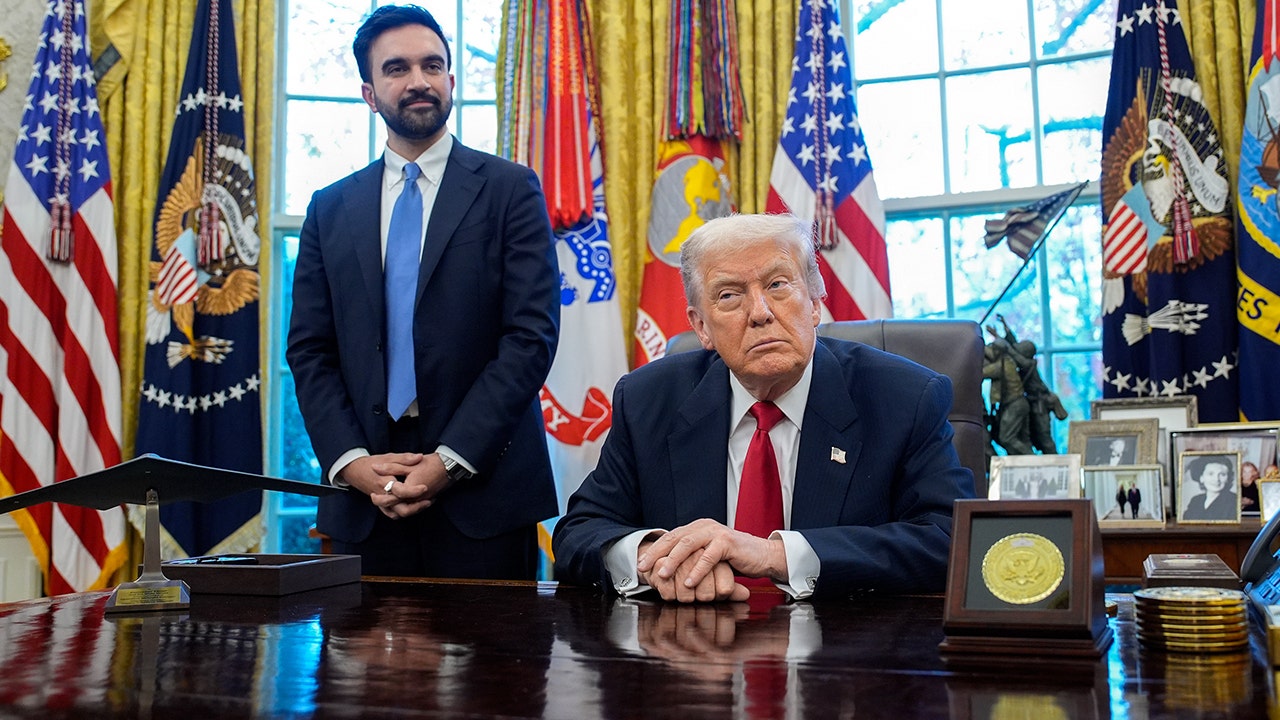
- November 2025: Shortly after securing the New York City mayoral election, Mamdani traveled to Washington, D.C., for his inaugural face-to-face meeting with President Trump in the Oval Office. The introductory sit-down focused heavily on federal housing grants, urban affordability initiatives, and the stabilization of municipal finance.
- February 2026: The two leaders convened for a second time at the White House. This discussion broadened to encompass economic development, national security coordination within municipal transit networks, and federal aid packages for infrastructure modernization.
- September 2026: The upcoming Monday summit at Gracie Mansion represents their third major encounter, arriving at a critical geopolitical and domestic crossroads as the city prepares for an influx of international dignitaries.
Backdrop of the United Nations General Assembly and Midterm Politics
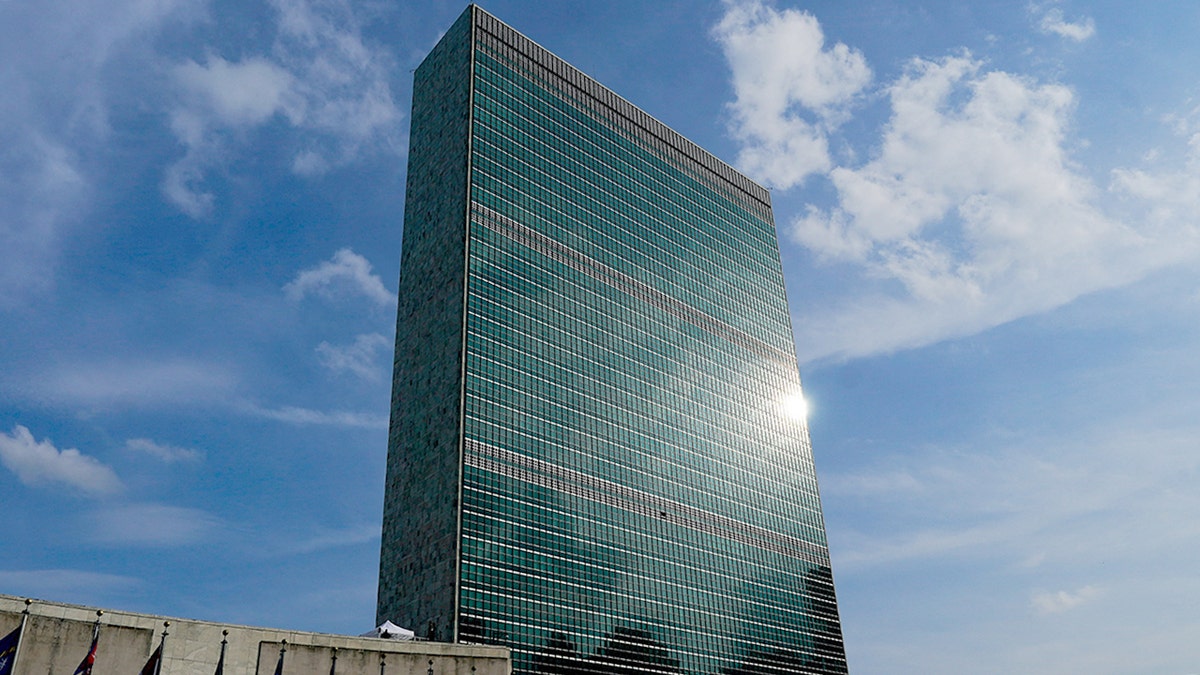
Monday’s meeting takes place against a uniquely complex backdrop. New York City is on the precipice of hosting the annual United Nations General Assembly, an event that draws heads of state, diplomats, and international delegations from around the globe, placing extraordinary demands on the New York City Police Department (NYPD) and municipal security infrastructure. Federal-local coordination during UNGA is historically intensive, requiring robust communication between the White House, the Department of Homeland Security, and the municipal administration.
Concurrently, the national political landscape is hurtling toward the final weeks of the November midterm elections. The outcome of these midterms will determine the balance of power in Congress, shaping the legislative battlefield for the remainder of Trump’s presidential term. Within this hyper-charged political climate, Mamdani’s political profile has ascended nationally. As one of the highest-profile progressive mayors in United States history—backed by the Democratic Socialists of America (DSA)—Mamdani’s executive tenure is frequently scrutinized by political analysts evaluating the broader strategic direction of the Democratic Party.
The rise of DSA-backed candidates in various primary cycles across the country has sparked fierce internal debate among Democrats regarding party identity, electoral viability, and the appeal of progressive economic platforms. While moderate Democrats often voice concern over left-leaning policy prescriptions, progressive organizers point to urban governance models like Mamdani’s as a blueprint for addressing systemic wealth inequality and housing precarity.
The Core Agenda: Housing, Affordability, and Urban Economics
Throughout his campaign and into his mayoral administration, Mamdani has centered his policy platform on affordability. Soaring housing costs, stagnant wage growth relative to inflation, and a severe shortage of affordable residential units have long plagued New York City, creating an affordability crisis that threatens to push working-class families and essential workers out of the five boroughs.
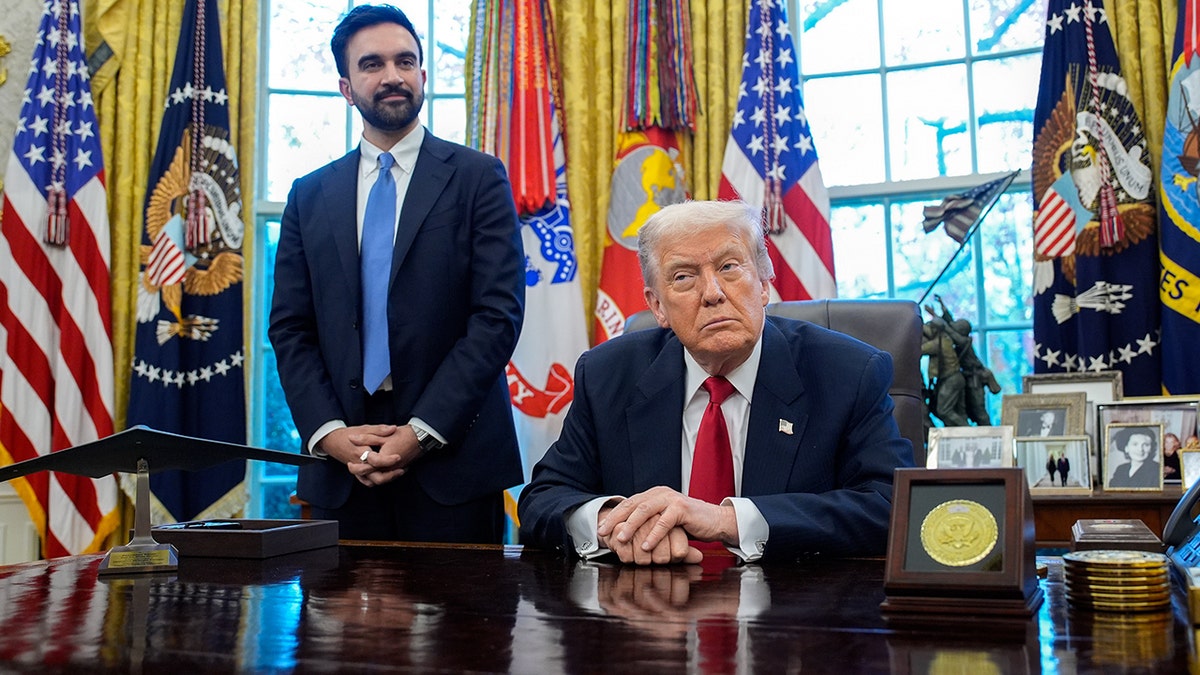
During their initial Oval Office meeting, both Trump and Mamdani acknowledged the severity of the housing crisis. Observers note that while the federal government and municipal leaders frequently clash over social spending and regulatory philosophy, infrastructure funding and economic stimulus provide pragmatic avenues for bipartisan or cross-ideological cooperation. Federal housing subsidies, Community Development Block Grants, and transportation infrastructure investments managed by agencies such as the Federal Transit Administration (FTA) require ongoing dialogue between local executives and the federal administration.
Economic data released ahead of the meeting underscores the urgency of these discussions. New York City continues to grapple with commercial real estate shifts, post-pandemic economic readjustments, and persistent inflation that affects municipal procurement and public sector labor costs. Ensuring federal support for mass transit upkeep, public housing modernization, and disaster preparedness remains a paramount priority for City Hall, giving the mayor a strong incentive to maintain an open channel of communication with the commander-in-chief, regardless of national partisan friction.
Implications for Federal-Municipal Relations
The willingness of President Trump and Mayor Mamdani to engage in direct dialogue offers a compelling case study in federal-municipal relations. In American politics, cities are legally creatures of their respective states, yet large municipalities like New York function with economies and populations larger than many U.S. states. Consequently, direct lines of communication between mayors of global cities and sitting presidents often bypass traditional state-level intermediaries to address crises directly.
Political analysts suggest that Trump’s engagement with a progressive municipal leader reflects a pragmatic streak in dealing with economic engines that drive the national GDP. New York City’s financial sector, tourism industry, real estate market, and international commerce hubs are vital to the health of the national economy. Disruptions in New York have immediate ripple effects nationwide.
At the same time, the meeting carries distinct political risks and rewards for both men. For Mamdani, working with a conservative president can draw criticism from the far-left wing of his base, which remains deeply opposed to Trump’s broader agenda on immigration, civil rights, and federal judicial appointments. Conversely, demonstrating an ability to deliver tangible federal resources and security cooperation for New York City reinforces Mamdani’s competence as an executive capable of governing effectively beyond ideological purity tests.
For Trump, engaging with a high-profile progressive mayor provides an opportunity to project statesmanship and executive leadership above routine partisan bickering, while also maintaining a direct hand in the security and stability of the nation’s premier financial and cultural capital, particularly during high-security international events like the UN General Assembly.
Outlook for the Gracie Mansion Summit
As aides finalize the logistical details for Monday’s closed-door talks at Gracie Mansion, public and media attention will focus heavily on whether the two leaders announce any concrete joint initiatives concerning federal infrastructure support, security funding for the upcoming UN assembly, or targeted housing grants.
While profound philosophical differences remain between the populist conservatism of the Trump administration and the democratic socialist governance of the Mamdani mayoralty, the frequency of their meetings demonstrates that institutional necessity often supersedes political polarization. As the midterm elections loom and New York City prepares to welcome the world stage, Monday’s summit will serve as a crucial barometer of how functional federalism operates in an era of deep national division.