Tensions Boil Over on the Ohio Campaign Trail as Amy Acton and Vivek Ramaswamy Clash Over Debates and Personal Attacks

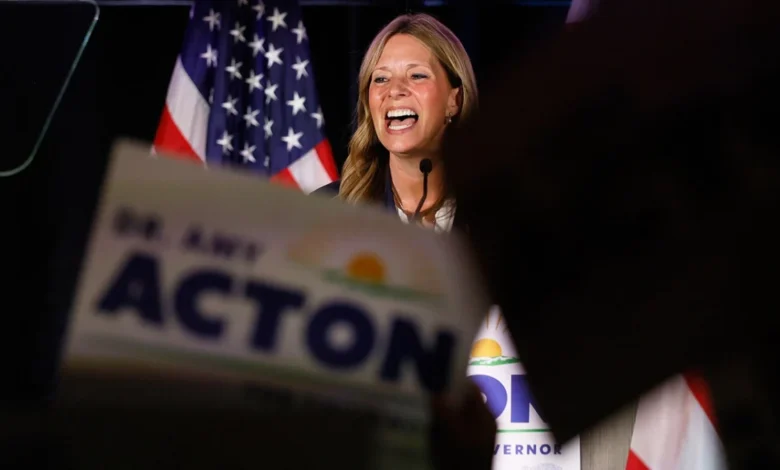
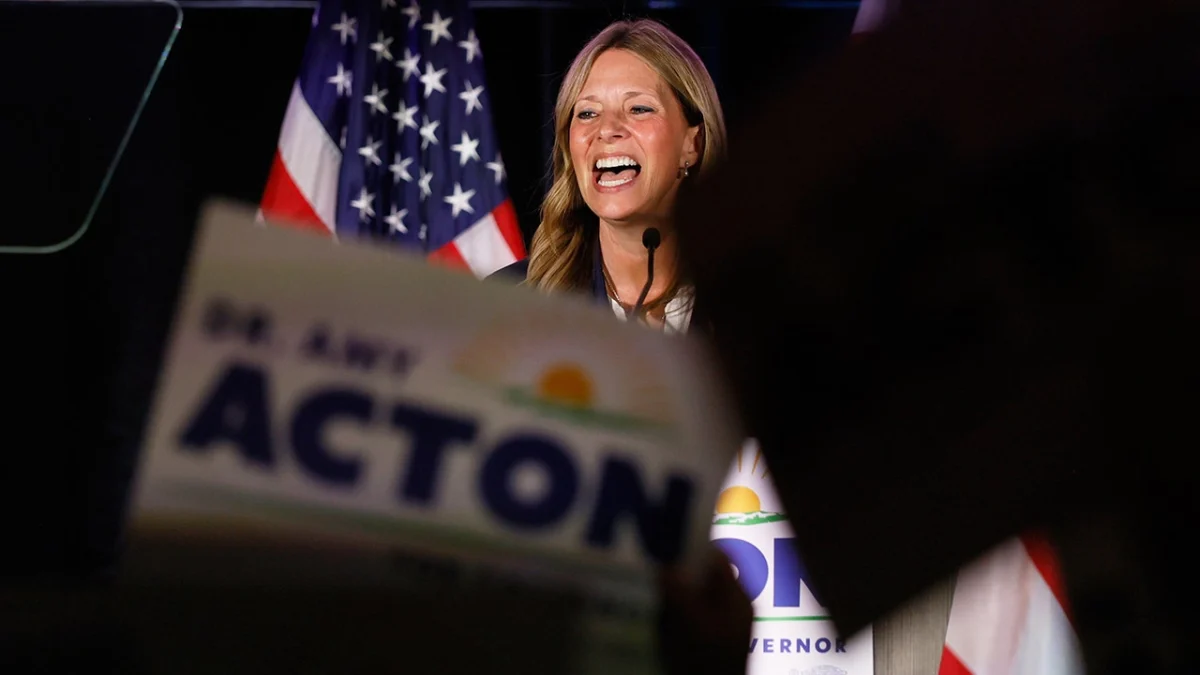
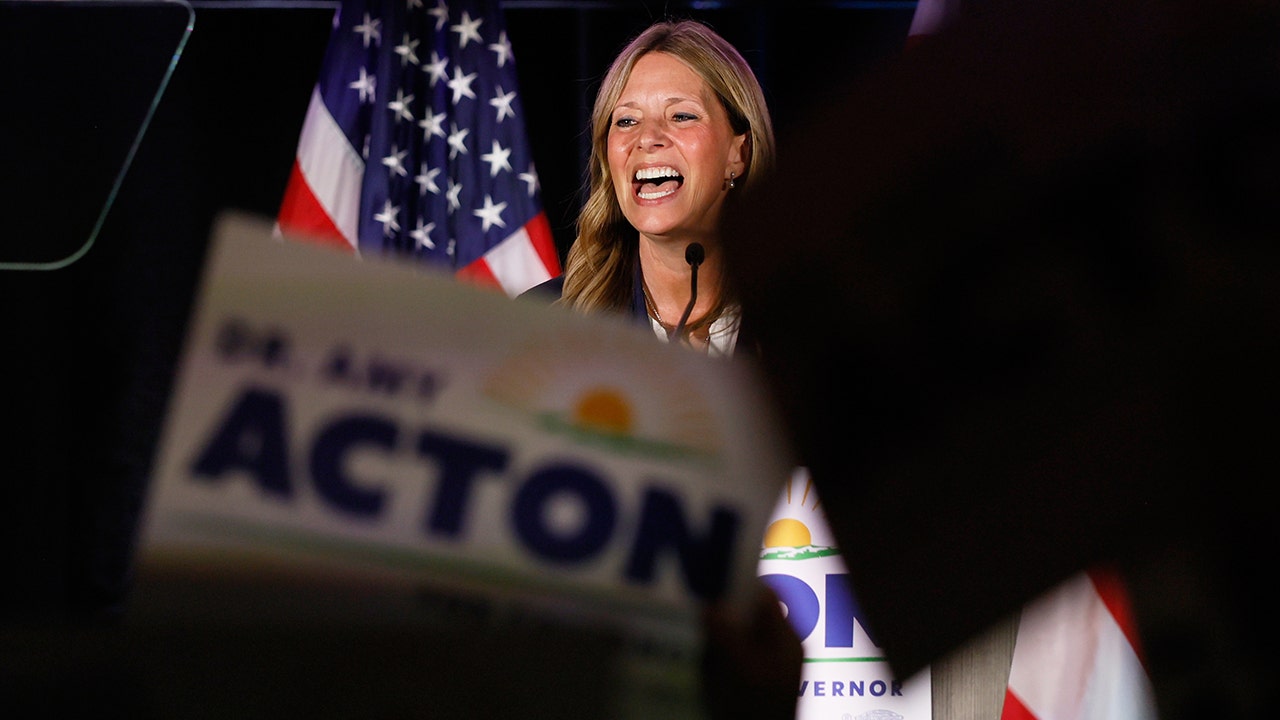
The gubernatorial race in Ohio has intensified dramatically as the general election approaches, culminating in physical and rhetorical confrontations between the camps of Democratic nominee Dr. Amy Acton and Republican nominee Vivek Ramaswamy. With the high-stakes November 3 election drawing near, the contest has devolved into a bitter battle characterized by avoided debates, aggressive campaign tracking, and personal attacks that have dominated local and national headlines.
The friction reached a boiling point during a recent campaign event in Harrison, Ohio, when a Republican political activist wielding a camera approached Acton to question her refusal to debate her GOP opponent. The ensuing confrontation highlights an increasingly hostile environment in modern American politics, where grassroots activists, campaign handlers, and candidates frequently intersect in unpredictable and volatile ways. As both campaigns jockey for momentum in the final stretch, the debate standoff has become the central flashpoint of the election.
The Harrison Confrontation: A Campaign Trail Clash
Last Saturday’s event in Harrison, Ohio, began like many typical late-stage campaign stops, with Dr. Amy Acton engaging with supporters and local voters. However, the atmosphere shifted abruptly when a conservative political activist, operating a camera and recording the interaction, broke through the perimeter to press the Democratic candidate on a controversial issue: her ongoing refusal to participate in scheduled debates against Vivek Ramaswamy.
Video footage captured the moment the cameraman approached Acton directly, asking, “Dr. Amy Acton, why do you refuse to debate your opponent, Vivek Ramaswamy?”
Acton continued walking away from the interviewer without offering a response. Simultaneously, her campaign security and staff members rushed forward to block the cameraman, demanding that he cease recording. “No photos, no videos,” campaign personnel repeated multiple times, attempting to shield the candidate. “I said—no pictures, no interviews.”
During the scramble, staff members physically jostled with the cameraman, inadvertently bumping him and knocking his recording device momentarily out of frame. The videographer cautioned the staff to be “careful,” while Acton maintained her silence and continued toward her destination. The campaign has not yet responded to formal requests for comment regarding the physical altercation, but the footage has quickly circulated across social media and news networks, fueling an ongoing debate over campaign transparency, security protocols, and voter access.
The Debate Impasse: Two Competing Strategies
At the heart of the current feud is a fundamental disagreement over whether the two major-party candidates should square off on a debate stage. Earlier this month, CNN and local network affiliates extended debate invitations to both candidates. While Ramaswamy promptly accepted, Acton’s campaign formally declined, stating that the Democratic nominee would bypass televised debates in favor of direct engagement with Ohio voters.
This decision has drawn fierce criticism from Ramaswamy’s camp, which argues that avoiding debates deprives Ohioans of a traditional, rigorous examination of the candidates’ policies, records, and visions for the state. Ramaswamy’s campaign has sought to frame Acton’s absence as a sign of weakness or an attempt to evade accountability for her public record.
Conversely, Acton’s campaign has defended the decision by launching blistering counterattacks against the Republican nominee. In an aggressive statement released on September 2, an Acton campaign spokesperson explained the rationale behind the debate boycott, accusing Ramaswamy of engaging in bad-faith tactics and personal harassment.
“Dr. Acton’s focus is on talking with Ohioans, not platforming a scam artist who spreads baseless lies about her and her family, uses AI to falsely paint her as someone with a substance abuse problem, and shames Dr. Acton for being sexually abused as a child while Vivek stands with predators and abusers,” the spokesperson said.
This hard-hitting response touches upon a series of deeply personal and political grievances that have defined the race. Republican attacks have frequently targeted Acton’s tenure as Ohio’s health director during the COVID-19 pandemic—a period that earned her both widespread praise from public health advocates and intense criticism from conservative groups over business closures and lockdown measures. Additionally, the campaign has referenced a 2019 domestic verbal dispute involving Acton while intoxicated, as well as recent artificial intelligence-generated campaign advertisements that mocked her past struggles by altering her car’s license plate to read “drunk mom.”
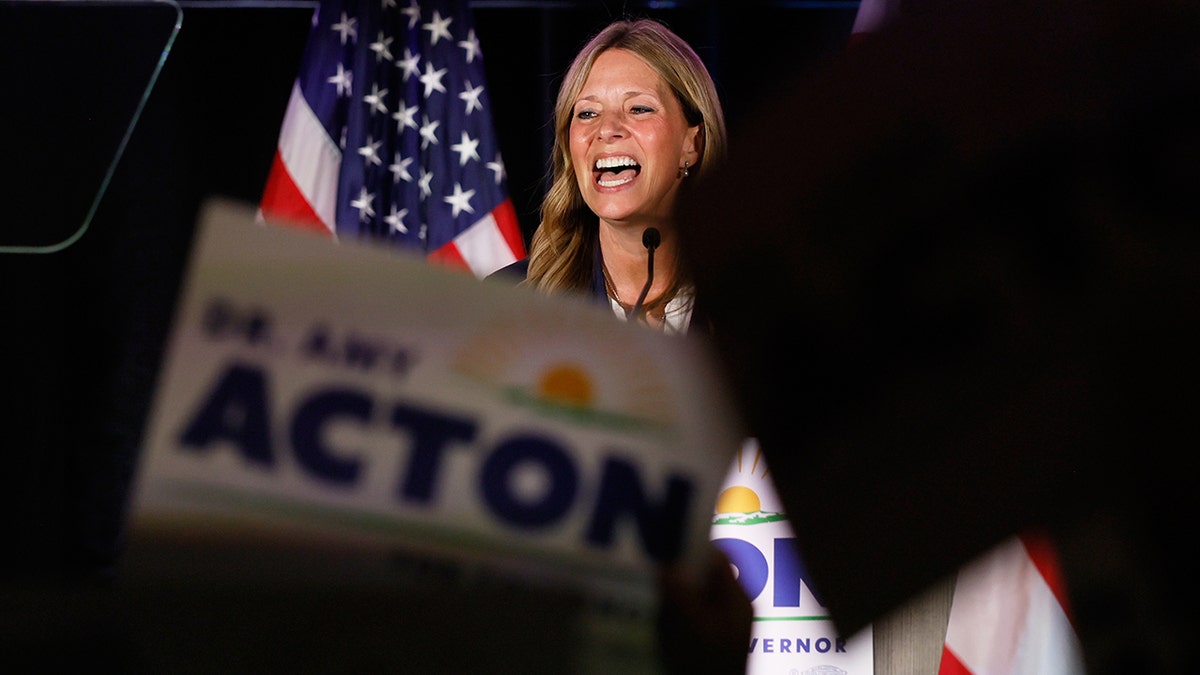
Ramaswamy has largely brushed aside these specific retorts, choosing instead to focus his messaging on Acton’s refusal to face him publicly and questioning her executive competence.
“It’s too bad for Ohio voters that Acton won’t take voter questions, won’t debate, quit after failing as Ohio’s health director, and has some serious issues now surfaced in multiple police reports,” Ramaswamy posted to social media following the latest exchange.
Financial Might and the Republican Campaign Strategy
The gubernatorial contest in Ohio is also notable for its staggering financial investments, which have elevated the race to national prominence. Vivek Ramaswamy has poured $25 million of his own personal cash into his gubernatorial bid, breaking fundraising records with a combined haul of $50 million. This immense war chest has allowed the Republican campaign to flood the airwaves and digital platforms with high-production advertisements, including the controversial AI-driven content that has drawn sharp rebukes from the Democratic camp.
Ramaswamy’s entry into state-level politics follows his high-profile national profile, bringing a unique brand of populist campaigning to the industrial Midwest. His strategy has centered heavily on economic growth, deregulation, and challenging the administrative state—themes that resonate deeply with the state’s conservative base. By highlighting Acton’s background as a public health official during the pandemic, Ramaswamy has sought to tie his opponent to pandemic-era restrictions, which remain a potent rallying cry for Republican primary and general election voters alike.
On the other side, Amy Acton secured the Democratic nomination after winning the primary election on Tuesday, May 5, 2026. Acton rose to prominence across Ohio during her tenure leading the Ohio Department of Health, where her daily briefings during the early months of the COVID-19 pandemic made her a household name. While her handling of the public health crisis endeared her to Democrats and moderate voters who favored a cautious approach to the virus, it simultaneously galvanized conservative opposition. Her transition from public health administration to electoral politics has made her one of the most polarizing figures in the state’s modern political history.
Broader Implications for the November General Election
As the candidates enter the final weeks of the campaign cycle leading up to the November 3 general election, the dynamics observed in Harrison, Ohio, suggest that the race will remain fiercely contested and emotionally charged.
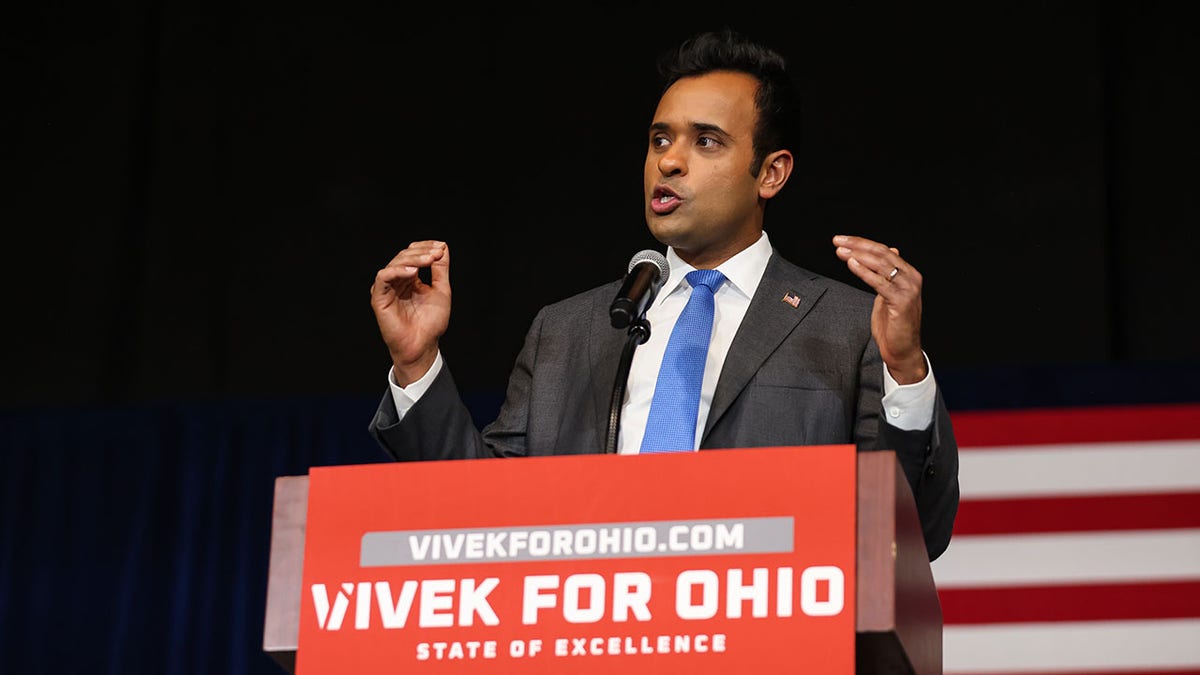
Political analysts note that the refusal to debate is a high-risk strategy for any candidate. While it can successfully deny an opponent a prominent platform to score points, it also invites persistent accusations of cowardice or an inability to handle unscripted scrutiny. For Acton, the calculation appears to be that the risks of sharing a stage with Ramaswamy—given the nature of the personal and political attacks leveled against her—outweigh the potential rewards of a traditional debate format.
At the same time, the aggressive behavior displayed by campaign staff and activists on both sides underscores a broader deterioration of civil discourse in American elections. Incidents involving physical contact between campaign personnel and media or activists threaten to shift the media narrative away from substantive policy discussions regarding the state’s economy, education system, infrastructure, and healthcare, centering instead on operational chaos and personal animosity.
With millions of dollars still flowing into television and digital advertising, and with voter anxiety remaining high regarding economic conditions and state leadership, the Ohio gubernatorial race stands as one of the most closely watched contests of the cycle. Whether the ongoing debate impasse and the bitter exchanges will alter voter behavior or simply harden existing partisan divides remains to be seen as Ohioans prepare to head to the polls on November 3.