Toxic Cocktail Behind Mass Monarch Die-Off: New Study Links Pesticides to Critical Population Decline


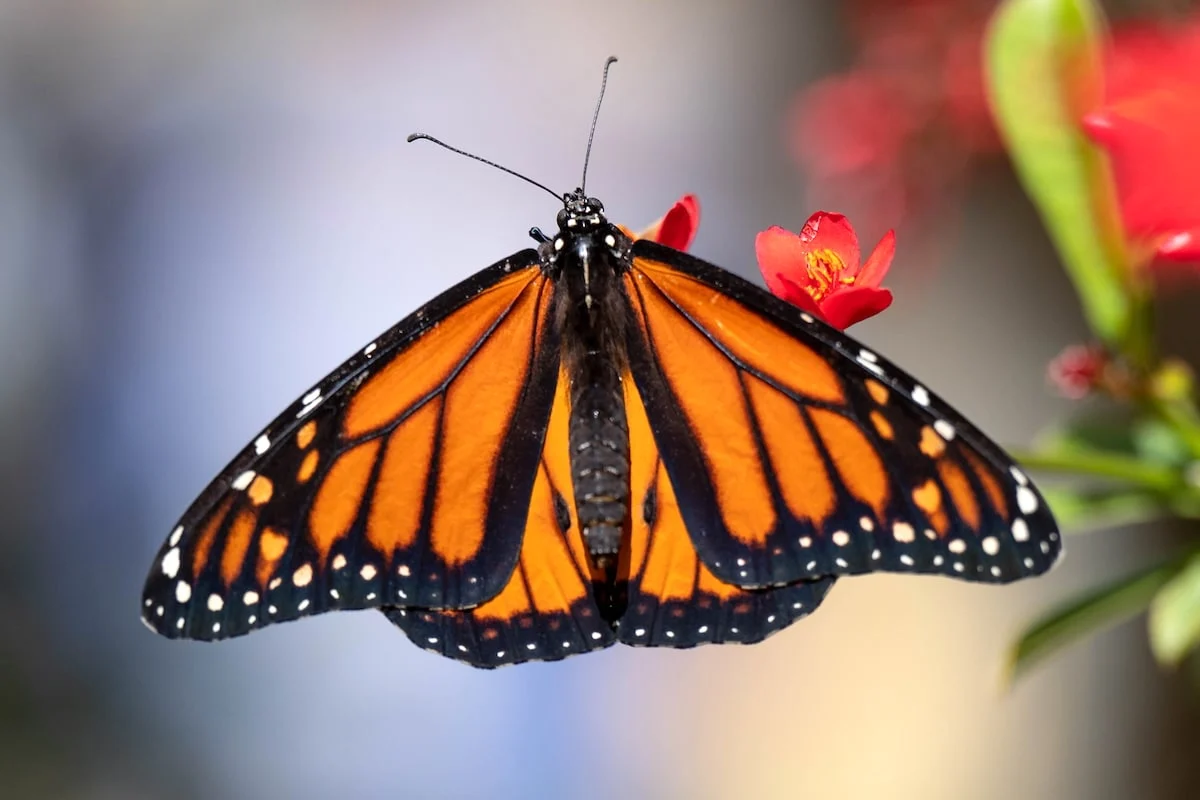
The Western monarch butterfly, an iconic symbol of North American biodiversity, is facing a precipitous decline, and a newly published peer-reviewed study has provided definitive evidence that synthetic pesticides are a primary driver of mass mortality events. Research published in the journal Environmental Toxicology and Chemistry identifies a "toxic cocktail" of insecticides, herbicides, and fungicides as the likely cause of a catastrophic die-off that occurred in early 2024 at the Pacific Grove Monarch Sanctuary in California. This discovery adds a sobering layer of complexity to the conservation efforts surrounding a species that has already suffered a 95% population collapse since the 1980s.
The Anatomy of the 2024 Pacific Grove Incident
In January 2024, the tranquil groves of Pacific Grove—a critical overwintering site for Western monarchs—became the scene of a biological tragedy. Researchers discovered hundreds of butterflies in a state of terminal distress or already deceased. The sight of these delicate insects succumbing in their ancestral winter refuge prompted an immediate investigation by conservationists and toxicologists.
Using sophisticated analytical methods, including liquid and gas chromatography combined with mass spectrometry, scientists examined the remains of the butterflies. The findings were stark: the researchers identified a mixture of 15 different chemical compounds, including a variety of insecticides, herbicides, and fungicides. On average, each butterfly carried traces of seven distinct pesticides. Among these, three human-made pyrethroid insecticides—bifenthrin, cypermethrin, and permethrin—were found at concentrations nearing or reaching lethal doses. The prevalence of these chemicals was nearly universal across the sampled specimens, with every sample containing bifenthrin and cypermethrin.
A Chronology of Crisis
The plight of the Western monarch is not a recent development, but the 2024 mass death event represents an acute manifestation of long-term environmental stressors.
- 1980s–Present: The Western monarch population experiences a steady, long-term decline of approximately 95%.
- September 2020: A significant "monarch massacre" occurs in North Dakota, where hundreds of butterflies perish following an aerial mosquito control spraying event, highlighting the vulnerability of the species during migratory phases.
- January 2024: The Pacific Grove incident occurs, leading to the collection of samples for toxicology testing.
- July 2025: The Xerces Society for Invertebrate Conservation and collaborating researchers publish their findings in Environmental Toxicology and Chemistry, formally linking the 2024 deaths to pesticide exposure.
- Early 2025: Annual counts indicate that the overwintering population of Western monarchs has reached a precarious low of just 9,119 individuals.
The Mechanics of Exposure
The vulnerability of the monarch butterfly to chemical exposure is rooted in its life cycle. Unlike many other insects, monarchs are highly mobile, traveling thousands of miles across diverse landscapes. During this migration and the subsequent overwintering period, they aggregate in massive numbers, making them susceptible to localized environmental contamination.
Staci Cibotti, lead author of the study and a pesticide risk prevention specialist at the Xerces Society, emphasized that the contamination likely stems from a combination of agricultural drift and urban use. Pesticides are not confined to industrial farms; they are pervasive in residential landscaping, structural pest control, turf management, and even mosquito abatement programs. When these chemicals are applied in areas adjacent to or even within overwintering groves, the potential for mass mortality is immense. Because the butterflies are gathered in high densities, a single, localized spray event can inadvertently wipe out hundreds of individuals at once.
Implications for Conservation Policy
The scientific confirmation that pesticides are killing monarchs at overwintering sites necessitates a fundamental shift in how conservationists manage these habitats. The Xerces Society has outlined a series of policy recommendations aimed at mitigating these risks. These include the establishment of formal "pesticide-free zones" around known overwintering sites, which would serve as buffers against chemical drift.
Furthermore, the researchers advocate for enhanced public education regarding the risks that common home-garden pesticides pose to pollinators. Because many of these products are available over the counter, there is a lack of public awareness regarding their impact on non-target species. The study suggests that "integrated pest management" (IPM) strategies—which prioritize biological and cultural controls over chemical ones—must be integrated into regional and state-level butterfly recovery plans.

Emily May, agricultural conservation lead at the Xerces Society and co-author of the study, notes that policy change must be coupled with community action. "Protecting monarchs from pesticides will require both public education and policy change," May stated. "We are committed to working with communities and decision-makers to ensure that overwintering sites are healthy refuges for these butterflies."
Broader Environmental Context and Future Risks
The threat posed by pesticides must be viewed within the context of the larger environmental challenges facing the monarch. The International Union for Conservation of Nature (IUCN) has classified the migratory monarch as an endangered species. According to projections by the U.S. Fish and Wildlife Service, if current trends in habitat loss and climate change continue, Western monarch butterflies face a 99% probability of extinction by the year 2080.
The 2024 die-off demonstrates that even if habitat is preserved, the chemical quality of that habitat remains a critical variable. Pesticide exposure creates a cumulative stressor that weakens the immune systems of the surviving butterflies, potentially making them more susceptible to disease, parasites, and the effects of warming temperatures.
The findings also underscore the need for stronger regulatory coordination. As noted by the study authors, public officials and municipal agencies must improve their tracking of pesticide applications. Currently, there is a lack of cohesive data regarding how different types of pesticide applications—ranging from municipal mosquito control to private lawn maintenance—interact within a single geographic area to create a cumulative toxic effect on wildlife.
Scientific Consensus and Moving Forward
The publication of the study in Environmental Toxicology and Chemistry provides a rigorous, data-driven foundation for future advocacy. By moving beyond anecdotal reports of "mass deaths" and providing concrete evidence of lethal chemical doses, the study offers a roadmap for regulators.
The scientific community is now calling for a multi-tiered approach to recovery:
- Strict Buffer Zones: Creating legally protected, chemical-free zones in and around all identified monarch overwintering locations in California.
- Increased Monitoring: Implementing environmental monitoring programs that test for pesticide residue in soil and vegetation at key stopover and overwintering sites throughout the year.
- Alternative Management: Shifting municipal practices, such as mosquito control, toward non-chemical alternatives that do not pose a direct threat to migratory insects.
- Legislative Protections: Incorporating specific pesticide-exposure metrics into state and federal recovery plans for the monarch butterfly.
As the population continues to hover at record-low levels, every mortality event represents a significant blow to the genetic diversity and resilience of the species. The 2024 tragedy in Pacific Grove serves as a stark reminder that the survival of the Western monarch is inextricably linked to the chemical footprint of human activity. The path to recovery will require a concerted, evidence-based effort to sanitize the environment, ensuring that the sanctuaries provided to these insects are truly safe havens rather than sites of unintended exposure.
As the Xerces Society continues to monitor the population, the data gathered from the 2024 event will likely serve as a benchmark for future studies. The challenge now lies in translating these scientific findings into robust, enforceable policies that can reverse the tide of extinction for one of the world’s most recognizable and important pollinators.