The Silent Crisis of the Eastern Pacific: Gray Whale Populations Plummet Amidst Political and Environmental Uncertainty

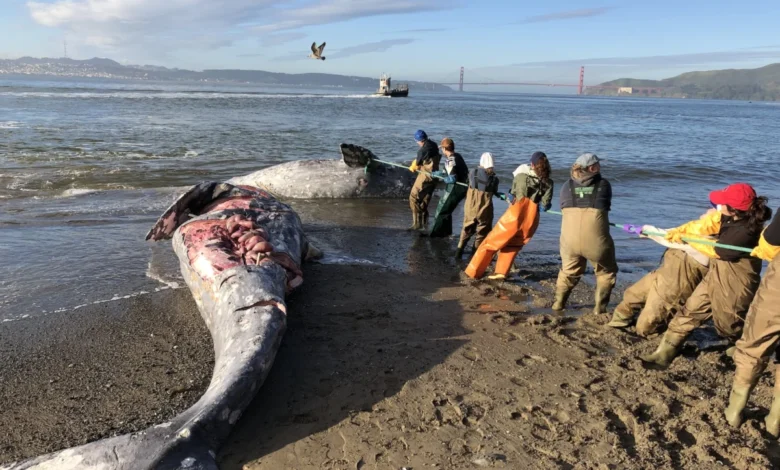
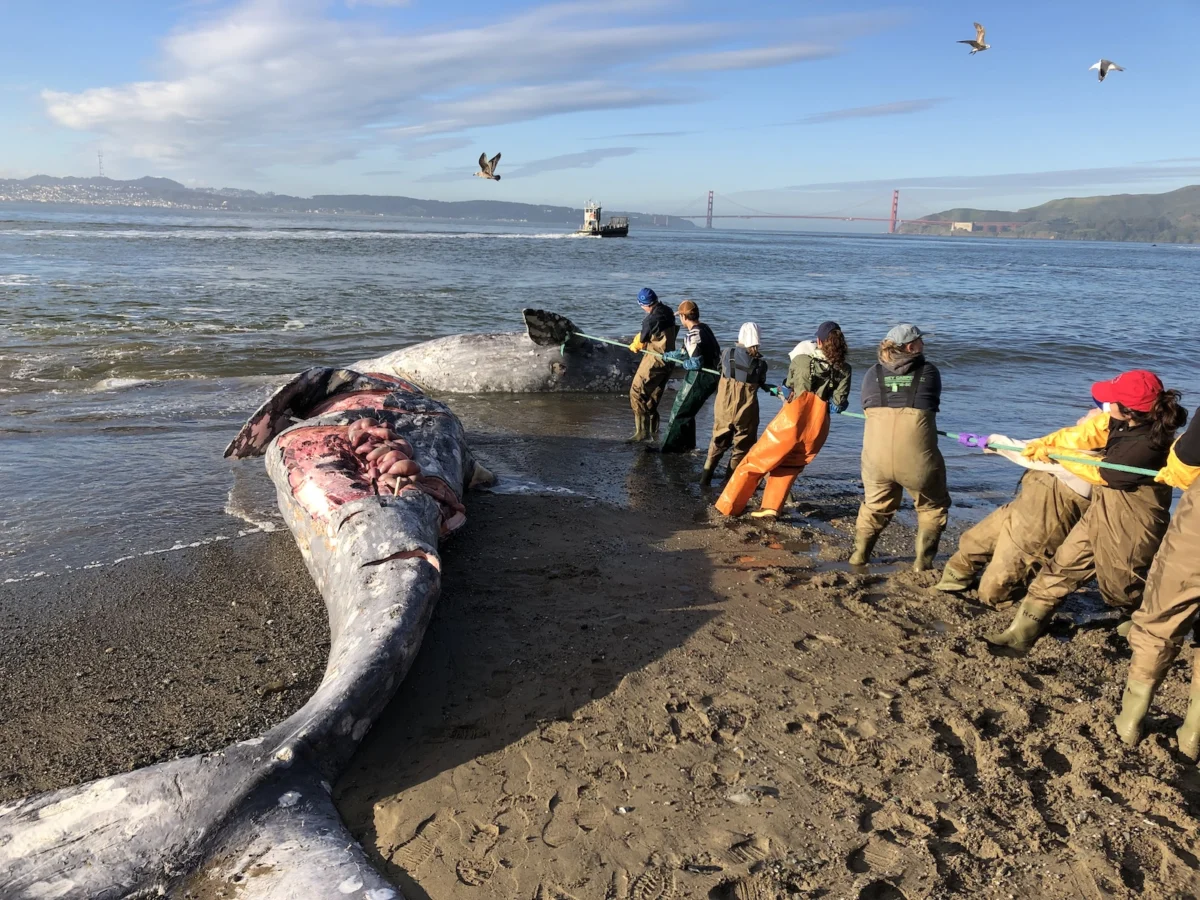
In Newport, Oregon, a solemn assembly of several hundred marine biologists, federal officials, and environmental advocates convened last week for a two-day symposium that felt less like an academic conference and more like a crisis management briefing. The singular focus of the gathering was the Eastern North Pacific gray whale, a species that has served as a bellwether for the health of the Arctic ecosystem for generations. As the participants shared data on plummeting birth rates and unprecedented mortality events, the palpable tension in the room reflected a growing frustration: while the scientific community has reached a consensus on the cause of the decline, the regulatory response from the federal government has stalled, leaving the species in a precarious legal and biological vacuum.
A Decade of Decline: The Numbers Behind the Tragedy
The current plight of the gray whale is quantified by a series of grim statistics that paint a picture of a population in freefall. Following a peak in 2016, when federal estimates suggested the population had reached between 25,000 and 30,000 individuals, the numbers have crashed by approximately 50 percent. Recent estimates now place the population between 11,700 and 17,000.
The reproductive data is perhaps the most alarming indicator of long-term viability. A healthy population typically produces roughly 1,000 calves annually. Last year, that number plummeted to a record low of just 85 documented births. This reproductive failure is intrinsically linked to the changing conditions in the Arctic, the whales’ primary summer feeding grounds. As global temperatures rise, Arctic sea ice is retreating at a rate nearly four times faster than the global average, triggering a domino effect that disrupts the benthic amphipods and small crustaceans that form the core of the gray whale’s diet.
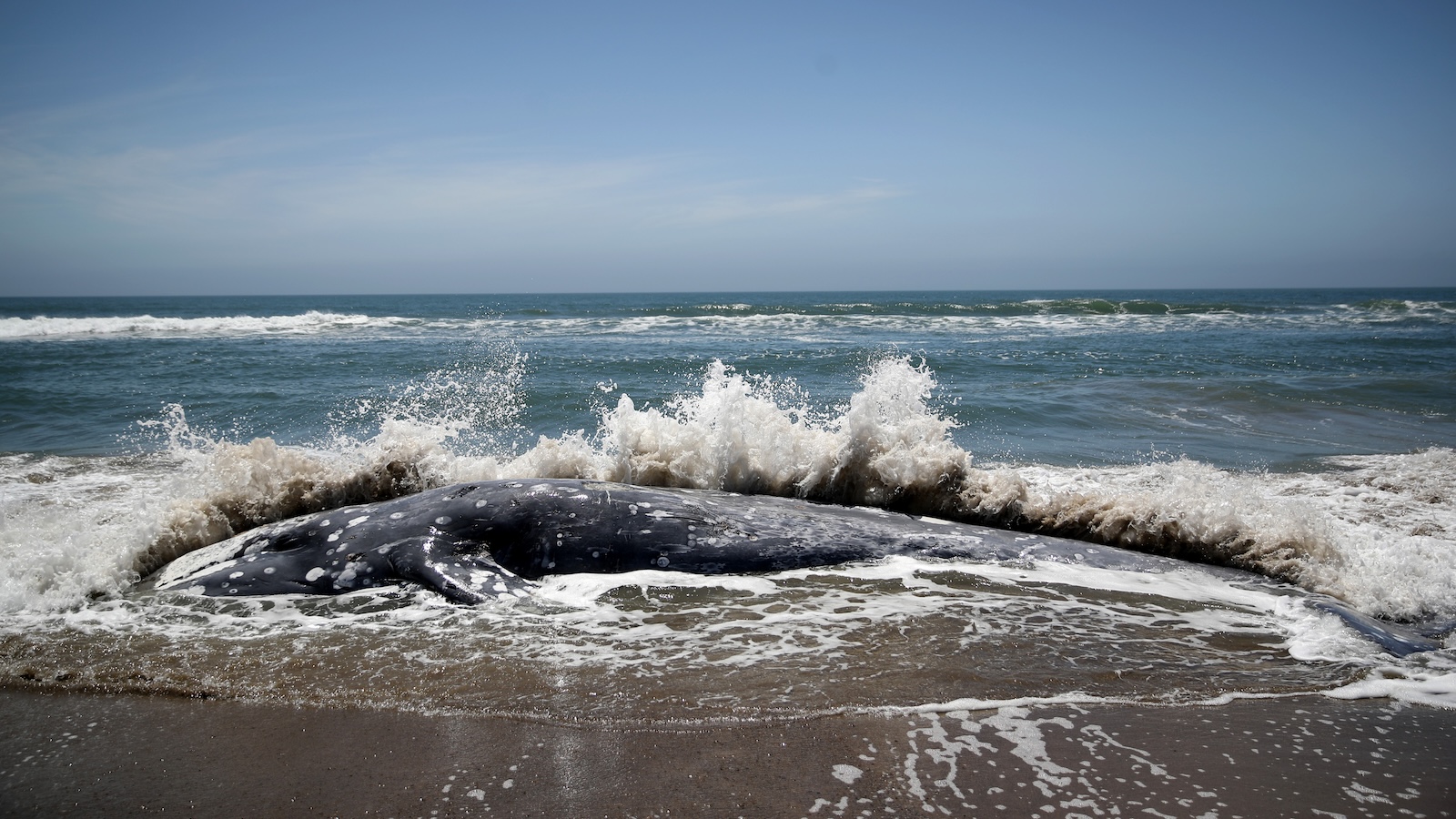
Biologists theorize that the whales are suffering from chronic malnutrition. When these mammals begin their 10,000-mile round-trip migration—one of the longest of any mammal—they do so with insufficient energy reserves. This physical depletion makes them susceptible to secondary threats, including entanglement in commercial fishing gear, acoustic disturbance from industrial shipping, and fatal collisions with large vessels. The severity of this trend was underscored this past summer, when 187 gray whale carcasses were documented on beaches throughout the region.
The Regulatory Standoff and the Looming Legal Battle
The gray whale was removed from the Endangered Species Act (ESA) in 1994, a decision widely celebrated at the time as a success story for conservation. However, the current population collapse has prompted calls for the species to be relisted as threatened or endangered.
The legal machinery for such a transition is currently frozen. A petition to relist the gray whale was submitted by environmental groups, but the National Oceanic and Atmospheric Administration (NOAA) has missed the statutory deadline to respond. This administrative silence has pushed conservation organizations to the brink of litigation. In late August, a coalition of groups filed a formal notice of intent to sue, a procedural prerequisite that sets a two-month countdown for the administration to act before a federal lawsuit commences.
The atmosphere at the Newport conference, according to attendees, was heavily influenced by this political climate. While the event was intended to be a scientific exchange, many participants—particularly those employed by federal agencies or reliant on government grants—felt constrained by the current administration’s shift in policy. Since 2025, the administration has implemented significant staff reductions and budget cuts within NOAA, and has publicly questioned the scientific consensus on climate-related impacts on marine life. This climate of apprehension was so pronounced that organizers explicitly requested that policy and political commentary be omitted from presentations, a move that left some veteran researchers feeling that the urgency of the moment was being stifled.
Chronology of a Conservation Crisis
- 1970s–1990s: Following the cessation of commercial whaling and the implementation of ESA protections, the gray whale population shows a robust recovery.
- 1994: Due to the population exceeding historical benchmarks, the Eastern North Pacific gray whale is formally delisted from the ESA.
- 2016: Population reaches an estimated peak of 30,000 individuals.
- 2019–2024: A period of "Unusual Mortality Events" (UMEs) is declared as strandings increase along the U.S. West Coast.
- 2025: The current administration initiates sweeping budget cuts to NOAA and the Marine Mammal Commission, while also rolling back habitat protections under the ESA.
- 2026 (August): Environmental groups file a notice of intent to sue the federal government over its failure to respond to a petition to relist the gray whale.
The Disconnect Between Data and Policy
A point of significant contention between independent researchers and government agencies is the most recent population count. NOAA has released data suggesting a rebound of approximately 5,000 whales in the last year. Independent marine biologists, including Mark Palmer of the Earth Island Institute, have publicly questioned these figures, citing the demographic impossibility of such a growth spurt following the record-low birth rates recorded just months prior. Critics argue that the discrepancy reflects a desire within the administration to avoid the legal obligations that come with an endangered species designation.
The implications of an ESA listing are substantial. Formal protection would trigger a mandatory federal recovery plan, necessitate the designation of critical habitat, and open access to dedicated federal funding for population monitoring and mitigation of ship strikes. For advocates like Miyoko Sakashita of the Center for Biological Diversity, the path forward is clear: "The law says they have to use the best available science. When we look at this terrible population decline, there cannot be any other answer than to proceed with a threatened or endangered listing."
Mitigation Efforts: Beyond the Federal Response
While the legal battle winds through the courts, private and academic sectors are attempting to fill the void. Projects such as "Whale Safe," led by the Benioff Ocean Science Laboratory, are using advanced technology to mitigate one of the leading causes of preventable death: ship strikes. By deploying sonar, thermal cameras, and satellite tagging, the project provides real-time data to shipping companies, urging them to reduce vessel speeds to 10 knots or less in high-traffic corridors.
While these initiatives have shown promise, their effectiveness is limited by their voluntary nature. On the U.S. West Coast, speed reduction remains a recommendation rather than a mandate, unlike the East Coast, where large vessels are required to throttle down to protect North Atlantic right whales. The disparity in regulation, combined with the lack of federal enforcement, leaves the gray whale vulnerable to the whims of the shipping industry.
Conclusion: An Uncertain Horizon
The plight of the gray whale serves as a stark illustration of the conflict between economic interests, political ideology, and the rapid pace of environmental change. As climate change continues to shrink the sea ice that sustains the species, the window of opportunity to intervene is narrowing.
Richard Steiner, a marine conservation biologist, framed the situation with grim finality during the conference. Drawing a parallel to the extinct Atlantic gray whale—the only instance of a whale species driven to extinction by human activity—Steiner noted that the current trajectory is unsustainable. If the current warming trends persist and regulatory bodies remain immobilized, the Eastern Pacific gray whale may follow its Atlantic counterpart into history. For now, the scientific community continues to gather data, waiting for the policy sector to align with the reality that the Arctic, and the creatures that depend on it, can no longer wait for political convenience.