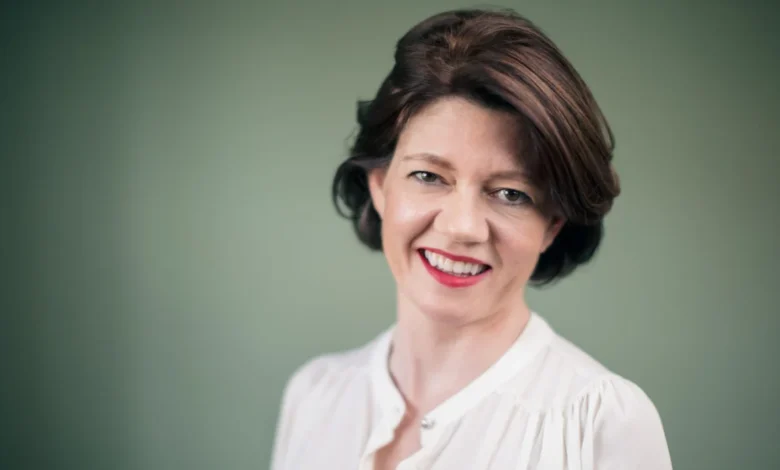
London, UK – In a significant appointment poised to shape the future of British independent cinema, Isabel Davis has been named the new Director of the British Film Institute (BFI) Filmmaking Fund. The announcement, made today by the BFI, marks a pivotal moment for UK film funding, with Davis set to commence her five-year tenure in October 2026. This strategic move brings a seasoned leader with a deep understanding of both national and international film landscapes back into a key BFI leadership role.
Davis arrives at the BFI following an eight-year impactful period as Executive Director of Screen Scotland, where she was instrumental in fostering the growth and development of Scotland’s screen sector. Her previous experience also includes a substantial and formative tenure at the BFI itself, where she held the position of Head of International. This dual experience – cultivating a national film industry and navigating global film markets – positions her uniquely for the complexities of the Filmmaking Fund.
The BFI Filmmaking Fund serves as a critical engine for independent British cinema, providing essential financial support that empowers filmmakers to bring their visions to the screen. It is a cornerstone of the UK’s creative industries, nurturing talent, fostering innovation, and ensuring a diverse and vibrant cinematic output. Davis takes the helm from Mia Bays, whose directorship since October 2021 has overseen the backing of a notable slate of films. During Bays’ leadership, the fund supported projects such as the critically acclaimed Kneecap, My Father’s Shadow, and the BAFTA-winning animated short Two Black Boys in Paradise. The transition signifies a continuity of commitment to supporting British filmmaking, while ushering in a new strategic direction under Davis’s experienced leadership.
A Leader Praised for Tenacity and Vision
The appointment has been met with widespread approval from industry leaders, with BFI CEO Ben Roberts expressing his profound confidence in Davis’s capabilities. "Isabel is tenacious when it comes to doing the right thing for UK independent film and filmmakers," Roberts stated. "This is such a huge job, a cornerstone of UK independent film, and Isabel brings experience, passion, and a national and a global outlook, and a firm commitment to fairness and public service. She will be an asset to the film community and the BFI."
Roberts’ endorsement underscores Davis’s reputation for advocacy and strategic insight within the film sector. Her eight years at Screen Scotland were marked by a proactive approach to policy development, talent support, and the attraction of international productions, contributing significantly to Scotland’s growing reputation as a filming destination and a hub for creative talent. Her previous role as Head of International at the BFI provided her with an in-depth understanding of the global film market, distribution strategies, and the importance of international co-productions, knowledge that will undoubtedly inform her approach to funding.
The rigorous recruitment process, led by BFI CEO Ben Roberts and Deputy CEO Harriet Finney, involved a diverse panel of industry experts. This ensured a comprehensive evaluation of candidates, reflecting the BFI’s commitment to transparency and robust governance. The inclusion of external panellists – esteemed producers Elizabeth Karlsen and Hakan Kousetta, and Nicky Bentham, co-chair of Pact’s Film Producers’ Group – brought invaluable industry perspectives to the selection process, further validating the significance of Davis’s appointment.
Davis’s Vision for a Resilient and Innovative Future
In her own statement, Isabel Davis expressed her profound sense of honour and responsibility upon accepting the role. "I am honoured to be stepping into this role at a time when this public funding is critical to building a successful future for UK film and the public value it represents," she remarked. Her words immediately set a tone of urgency and purpose, acknowledging the current landscape of the UK independent film industry.
Davis candidly addressed the challenges facing the sector, stating, "It’s a challenging moment for UK independent film, economically and structurally." This acknowledgement resonates with ongoing industry discussions regarding funding sustainability, the impact of streaming services on theatrical releases, and evolving audience consumption habits. However, she swiftly pivoted to a more optimistic outlook, highlighting the inherent strengths of British cinema. "But audience appetite for great stories, and for the communal experience of cinema-going, is strikingly resurgent and our filmmaking talent continues to be among the world’s best," she asserted.
Her strategic vision for the Filmmaking Fund centres on enabling filmmakers to create work that connects with a broad spectrum of audiences. "Enabling filmmakers to produce work that connects with a broad range of audiences across the UK – through ambition, inventiveness and heart – has to be at the core of our response," Davis elaborated. This focus on audience engagement, coupled with an emphasis on creative ambition and innovation, suggests a forward-thinking approach that aims to ensure the continued relevance and success of British independent films. She concluded her remarks with a sentiment that balances the gravity of the task with an infectious enthusiasm: "Daunting, yes, but exciting too."
A Truly UK-Wide Perspective
A significant aspect of Davis’s appointment, and one she emphasized in her statement, is her commitment to a truly pan-UK approach to film funding. Drawing directly from her experience at Screen Scotland, she declared, "I’ll bring my experience in Scotland to this role, and with it a truly UK-wide perspective on the BFI’s support of independent film." She explicitly stated that "Scotland hasn’t seen the last of me – nor indeed have Northern Ireland, Wales and the English regions." This commitment signals an intent to foster a more equitable distribution of resources and opportunities across all constituent nations and regions of the United Kingdom, addressing potential imbalances and ensuring that diverse voices and stories from across the country have the support they need to flourish.
This focus on a UK-wide perspective is particularly pertinent given the varied strengths and needs of the film industries in different regions. Screen Scotland, under Davis’s leadership, has been a model for regional film agencies, demonstrating how targeted investment and strategic support can cultivate a thriving local sector. Her intention to extend this ethos to the national level suggests a desire to build on existing regional successes and identify new areas for growth and development.
The BFI Filmmaking Fund: A Legacy of Success and Future Potential
The BFI Filmmaking Fund has a distinguished history of supporting groundbreaking and award-winning cinema. Its impact can be seen in a diverse range of films that have garnered critical acclaim and resonated with audiences both domestically and internationally. Recent examples of films supported by the fund this year underscore its commitment to nurturing both emerging talent and established filmmakers. These include Shalini Adnani’s Our Share of Sand, slated for a prestigious premiere at the Venice Film Festival, showcasing the fund’s ability to identify projects with international potential.
Furthermore, Theo Rhys’s Stuffed, a world premiere at the Toronto International Film Festival starring acclaimed actors Jodie Comer and Harry Melling, highlights the fund’s role in enabling ambitious narrative features with significant artistic and commercial appeal. Clio Barnard’s I See Building Fall Like Lightning further exemplifies the fund’s support for distinctive directorial voices, having won the People’s Choice award in the Directors’ Fortnight at Cannes, a testament to its ability to champion films that connect deeply with audiences.
These examples serve as a powerful illustration of the BFI Filmmaking Fund’s vital role in the ecosystem of independent cinema. Under Isabel Davis’s leadership, there is a clear expectation that this legacy will not only continue but will be further amplified, with a renewed focus on innovation, inclusivity, and a truly nationwide impact. Her appointment is a strong signal that the BFI remains dedicated to championing the stories that define and enrich British culture, ensuring that the independent film sector continues to thrive and inspire for years to come.