New York’s Fragmented Mosquito Surveillance System Under Scrutiny Amid Rising Public Health Threats

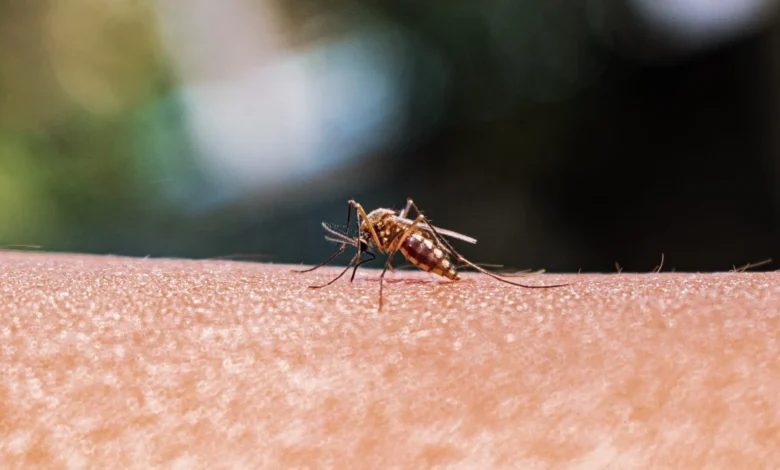
New York State’s current approach to monitoring mosquito populations, crucial for preventing outbreaks of vector-borne diseases, is characterized by a patchwork system that experts warn is both inefficient and potentially dangerous. This fragmented structure, largely managed at the county level with varying resources and coordination, faces significant challenges ranging from logistical hurdles and escalating costs to a lack of cohesive data sharing and the increasing threat of invasive species. A proposed bill in the New York State Legislature, Senate Bill S10393, aims to fundamentally reshape this system, advocating for a comprehensive, centralized surveillance program designed to enable proactive public health responses rather than reactive measures in the face of an impending crisis.
The Laborious and Costly Nature of Current Mosquito Monitoring
Mosquito monitoring programs are inherently resource-intensive, demanding substantial investments in labor, specialized equipment, and scientific expertise. The process typically involves dedicated teams deployed across diverse landscapes to set and regularly inspect various types of traps. These traps are strategically designed to attract specific mosquito species, often targeting female mosquitoes which are the primary vectors for disease transmission. One common method utilizes "stinky water," essentially a concoction of decaying organic material, to mimic natural breeding sites and attract gravid females seeking a place to lay eggs. Another technique employs dry ice, which sublimes to release carbon dioxide, a potent attractant for mosquitoes that detect CO2 plumes emitted by mammals they seek to feed upon.
However, the practical implementation of these methods can be fraught with difficulties, particularly in the geographically diverse and often rural expanses of New York State. The availability of specialized materials, such as dry ice, can be a significant impediment. In many remote areas, access to dry ice is limited, forcing monitoring teams to invest time and resources into producing their own, adding another layer of complexity and expense to an already demanding operation. Beyond the initial trapping, the samples collected are then transported to laboratories where specialists meticulously identify, sort, and test the mosquitoes for the presence of pathogens like West Nile Virus, Eastern Equine Encephalitis (EEE), Zika, or Dengue. This requires highly trained entomologists and virologists, whose expertise is both rare and costly, further contributing to the overall financial burden of these essential public health initiatives. The entire cycle, from trap deployment to laboratory analysis and data interpretation, represents a continuous, high-investment endeavor.
A Disintegrated System: The Perils of County-Level Autonomy
Beyond the tangible costs and logistical complexities, the most critical vulnerability in New York’s current mosquito surveillance framework lies in its organizational structure. As Dr. Laura Leydet, an expert in the field and a key voice on the issue, highlighted, "One of the problems with states that are not comprehensively doing these surveillance programs is that surveillance is hit or miss." Leydet, whose lab at Cornell University has been instrumental in studying these patterns, underscores that a significant portion of these surveillance programs are managed independently by individual counties. New York State comprises 62 counties, each with its own budget, priorities, and operational capacities. This decentralized approach often results in a profound lack of communication and coordination among neighboring jurisdictions.
The consequence is a "patchwork system" where efforts are not harmonized, data is not consistently shared, and a holistic understanding of mosquito populations and disease risks across the state remains elusive. One county might have a robust, well-funded program, while an adjacent county, perhaps with fewer resources or different public health priorities, might conduct minimal or no surveillance. This creates dangerous gaps where mosquito populations, and the diseases they carry, can proliferate undetected. Mosquitoes, of course, do not recognize county lines, and an outbreak in one area can quickly spread to others. This siloed approach means that invasive mosquito species, which pose a growing threat, can easily "fly under the radar," establishing footholds and expanding their ranges before their presence is even acknowledged by the authorities. The absence of a centralized reporting mechanism or a unified data platform exacerbates these issues, making it nearly impossible for state-level public health officials to gain a comprehensive, real-time picture of the entomological landscape.
The Financial Underpinnings of Surveillance Failure
Funding remains a perennial and often insurmountable obstacle to effective mosquito surveillance. "If the county doesn’t have money or resources, these programs fade away," Leydet explained. This stark reality means that the continuity and quality of surveillance efforts are directly tied to the fluctuating economic health and political will of individual county governments. When budgets tighten, public health initiatives that are not immediately perceived as urgent, such as preventative mosquito monitoring, are often the first to face cuts.
This cycle of underfunding leads directly to a reactive rather than proactive public health strategy. As Leydet articulates, "If we don’t have these surveillance programs, then all we’re doing is responding to a problem when it’s already a problem, and that’s never how prevention works." The cost of responding to a full-blown outbreak of a mosquito-borne disease – including emergency public health campaigns, widespread pesticide spraying, healthcare costs for affected individuals, and economic disruption – far outweighs the investment required for consistent, preventative surveillance. For instance, a major West Nile Virus outbreak could lead to millions of dollars in healthcare expenses and lost productivity, alongside the immeasurable human suffering. The long-term economic benefits of prevention, though less visible in the short term, are undeniable, protecting both public health and the state’s economy from the devastating impacts of epidemics.
Legislative Action: Senate Bill S10393 for a Unified Approach
The recognition of these systemic flaws has prompted legislative action in New York State. Senate Bill S10393, introduced during the current legislative session, represents a significant attempt to rectify the existing "sparse and disintegrated" system. The bill aims to "lay the groundwork for a comprehensive mosquito surveillance program," fundamentally shifting the paradigm from fragmented county-level efforts to a more integrated, statewide strategy.
While the specific details of the bill’s implementation plan are still being developed, its core objective is clear: to enable public health officials to respond effectively before an outbreak reaches critical levels. This involves establishing a coordinated framework for data collection, sharing, and analysis across all counties, likely overseen by a central state agency such as the Department of Health. Such a framework would standardize monitoring protocols, ensure consistent funding streams, and facilitate the rapid dissemination of critical information, allowing for timely and targeted interventions. The bill recognizes that a unified approach is not merely a matter of efficiency but a critical component of modern public health infrastructure, essential for protecting New Yorkers from the growing threat of mosquito-borne illnesses.
Proactive Measures: A Multi-faceted Defense
A comprehensive surveillance program is the cornerstone of effective proactive measures against mosquito-borne diseases. With accurate and timely data, public health officials can deploy targeted interventions that are both effective and environmentally responsible. These proactive measures include:
- Removing Pools of Standing Water: This is arguably the most fundamental and cost-effective preventative strategy. Mosquitoes, particularly species like Aedes aegypti and Aedes albopictus (the Asian Tiger Mosquito), can breed in incredibly small amounts of standing water – bottle caps, clogged gutters, old tires, bird baths, and unmaintained swimming pools. Public awareness campaigns and community efforts to eliminate these breeding habitats are crucial.
- Applying Targeted Larvicides: When surveillance identifies specific breeding habitats with high larval populations, environmentally approved larvicides can be applied. These substances kill mosquito larvae before they can develop into flying, biting adults, minimizing the need for more widespread and potentially disruptive adulticide spraying.
- Warning the Public: Timely communication is vital. When surveillance data indicates an elevated risk of disease transmission in a particular area, public health officials can issue warnings, advising residents to take personal protective measures. These include using EPA-registered insect repellents containing DEET, picaridin, or oil of lemon eucalyptus, and covering bare skin with long sleeves and pants, especially during peak mosquito activity hours (dawn and dusk).
- Community Education: Continuous public education on mosquito biology, disease risks, and personal protection strategies empowers individuals to take an active role in prevention.
While these proactive measures are highly effective, it is important to acknowledge that in the event of a severe outbreak or the rapid spread of a highly pathogenic disease, more widespread pesticide spraying (adulticiding) may become necessary as an emergency response. However, the goal of a robust surveillance system is to minimize the frequency and scope of such interventions by allowing for earlier, more localized, and less intrusive control methods.
The Broader Context: Climate Change and Expanding Mosquito Ranges
The urgency for an improved mosquito surveillance system in New York is further amplified by the overarching context of climate change. Global warming is directly impacting mosquito populations and their geographical distribution. Warmer temperatures can accelerate mosquito development, increase their biting rates, and shorten the extrinsic incubation period of viruses within the mosquito, meaning they become infectious more quickly. Altered precipitation patterns, including more frequent heavy rainfall followed by periods of drought, can create ideal breeding conditions by leaving behind numerous temporary pools of standing water.
Consequently, many mosquito species, including those capable of transmitting diseases not historically common in New York, are expanding their ranges northward. For instance, the Asian Tiger Mosquito (Aedes albopictus), an aggressive daytime biting mosquito known to transmit West Nile, Dengue, Chikungunya, and Zika viruses, has been steadily expanding its presence in New York State. Similarly, Aedes aegypti, the primary vector for Dengue, Zika, and Chikungunya, is also showing signs of northern migration. Without a comprehensive and adaptable surveillance program, these invasive species and the diseases they carry can establish themselves unnoticed, posing unprecedented public health challenges. The "Inside Climate News" origin of the initial report underscores this critical link between environmental shifts and public health imperatives.
Expert Perspectives and the Challenge of Centralization
Dr. Leydet’s insights consistently highlight the tension between the clear public health benefits of a centralized program and the practical challenges of implementation in a large, diverse state like New York. "There is general interest in these programs," Leydet noted, indicating a theoretical recognition of their importance. However, this interest often wanes "when you start seeing what they cost, it’s like, ‘Maybe we’re not that interested.’" This sentiment encapsulates the perpetual struggle between public health investment and fiscal austerity. While the upfront costs of establishing a comprehensive, state-run or state-coordinated surveillance program can be substantial, the long-term savings in healthcare costs, reduced economic disruption, and improved quality of life for residents are considerable.
Centralization would require a significant shift in governance, potentially reallocating resources and decision-making authority from individual counties to a more unified state-level entity. This can generate resistance from local jurisdictions accustomed to autonomy. However, proponents argue that such a shift is not about stripping local control but about enhancing overall effectiveness through shared resources, standardized protocols, and coordinated responses, ultimately strengthening public health protections for all New Yorkers. The challenge lies in building consensus and securing the necessary, consistent funding to overcome these hurdles.
Implications and the Path Forward
The potential implications of Senate Bill S10393 are far-reaching. If enacted and effectively implemented, it could transform New York’s approach to mosquito-borne disease prevention.
- Improved Public Health Outcomes: A coordinated system would lead to earlier detection of mosquito-borne pathogens, allowing for more timely and targeted interventions, ultimately reducing the incidence of diseases like West Nile Virus and EEE.
- Enhanced Preparedness for Emerging Threats: With a robust statewide network, New York would be better positioned to detect and respond to the arrival of new invasive mosquito species and emerging arboviruses, such as Zika or Dengue, before they can establish widespread transmission.
- Economic Savings: Proactive prevention is invariably more cost-effective than reactive crisis management. By mitigating outbreaks, the state could save millions in healthcare costs, lost productivity, and emergency response efforts.
- Data-Driven Decision Making: Centralized data collection and analysis would provide public health officials with a more accurate and comprehensive understanding of mosquito populations and disease dynamics, enabling evidence-based policy decisions.
- Environmental Responsibility: Targeted interventions based on precise surveillance data would reduce the reliance on widespread, non-specific pesticide applications, leading to more environmentally friendly vector control strategies.
The journey towards a truly comprehensive mosquito surveillance program in New York State will undoubtedly involve ongoing legislative debates, budgetary allocations, and inter-agency cooperation. However, as Leydet pragmatically concluded, "any help is better than nothing." The introduction of Senate Bill S10393 signifies a critical step forward, acknowledging the deficiencies of the current system and offering a blueprint for a more resilient and protective public health infrastructure in the face of evolving environmental and epidemiological challenges. The health and safety of New Yorkers depend on the state’s ability to adapt and invest in preventative measures against these tiny, yet potent, public health threats.