Flagstaff School District Under Scrutiny for Alleged Policy Breaches in Facilitating Anti-ICE Student Walkout

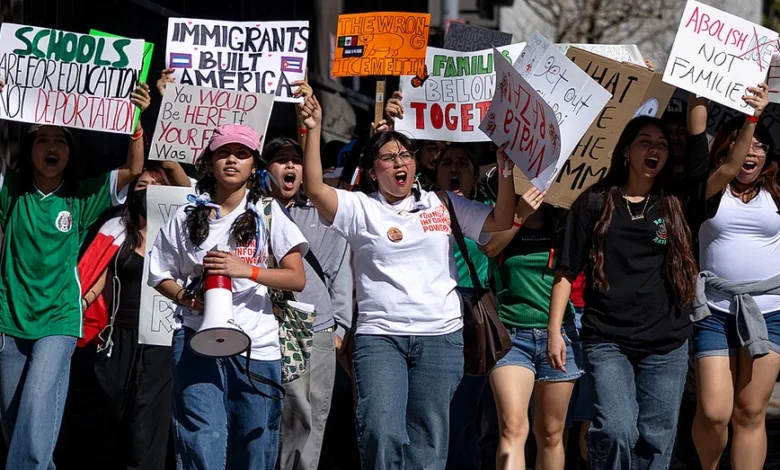
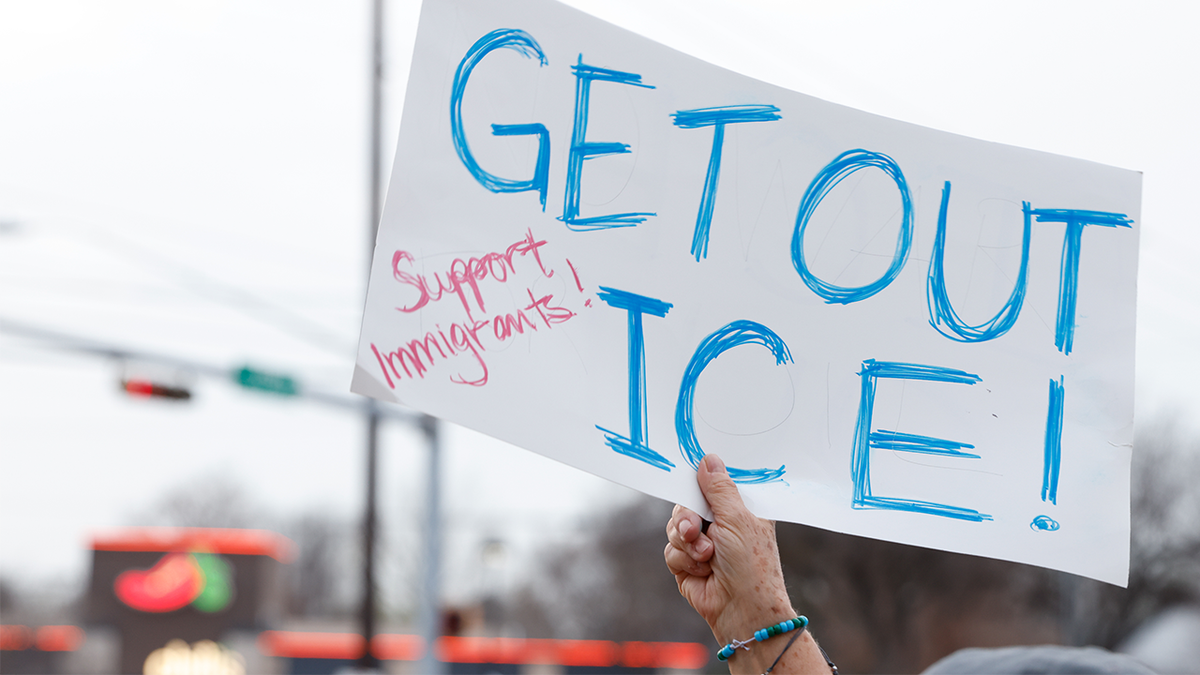
FLAGSTAFF, AZ – The Flagstaff Unified School District (FUSD) is facing intense scrutiny following allegations that school staff members facilitated a student walkout protesting U.S. Immigration and Customs Enforcement (ICE) earlier this year, purportedly breaching security protocols and violating multiple district policies. Internal emails, messages, and memos obtained by the conservative watchdog group America First Legal (AFL) suggest a level of coordination and awareness among FUSD staff that raises serious questions about the district’s conduct and its adherence to established guidelines regarding student safety, parental notification, and school operations.
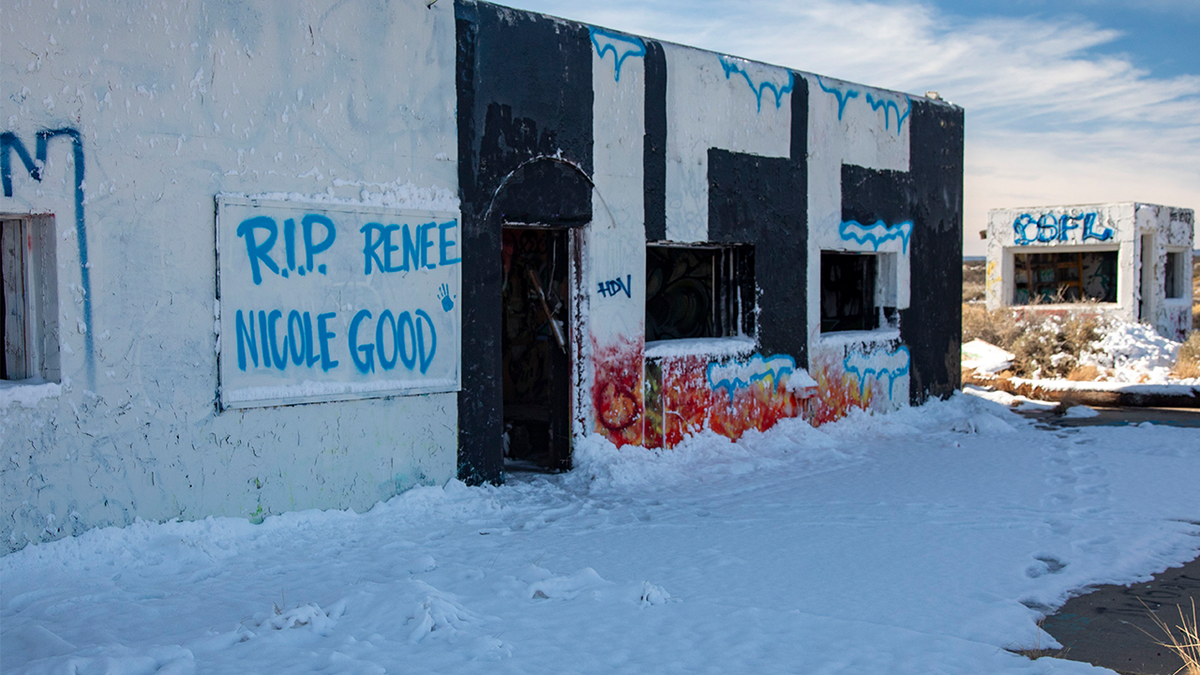
The incident, which saw hundreds of Flagstaff high school and middle school students leave their classes on January 28, occurred amid a broader national controversy stemming from the deaths of anti-ICE activists Renee Good and Alex Pretti in Minnesota. This context fueled a heightened emotional atmosphere surrounding immigration issues, contributing to the student-led protest. Immediately following the walkout, a wave of outrage erupted from parents who claimed they were neither informed nor provided consent for their children to depart school premises, citing profound safety concerns. One particularly distressed parent, with children under the age of 12, explicitly stated that the "district failed us as parents," encapsulating a sentiment of betrayal and negligence.
The America First Legal Investigation: Unveiling Internal Communications
America First Legal, a prominent conservative legal organization known for its focus on governmental accountability and transparency, launched an investigation into the Flagstaff walkout. Their efforts culminated in a lawsuit that compelled FUSD to comply with a public records request, leading to the disclosure of a trove of internal documents. These documents, subsequently reviewed by Fox News Digital, form the core of AFL’s allegations, painting a picture of a district that was not merely aware of the impending protest but actively engaged in its orchestration and oversight in ways that appear to contradict official policies.
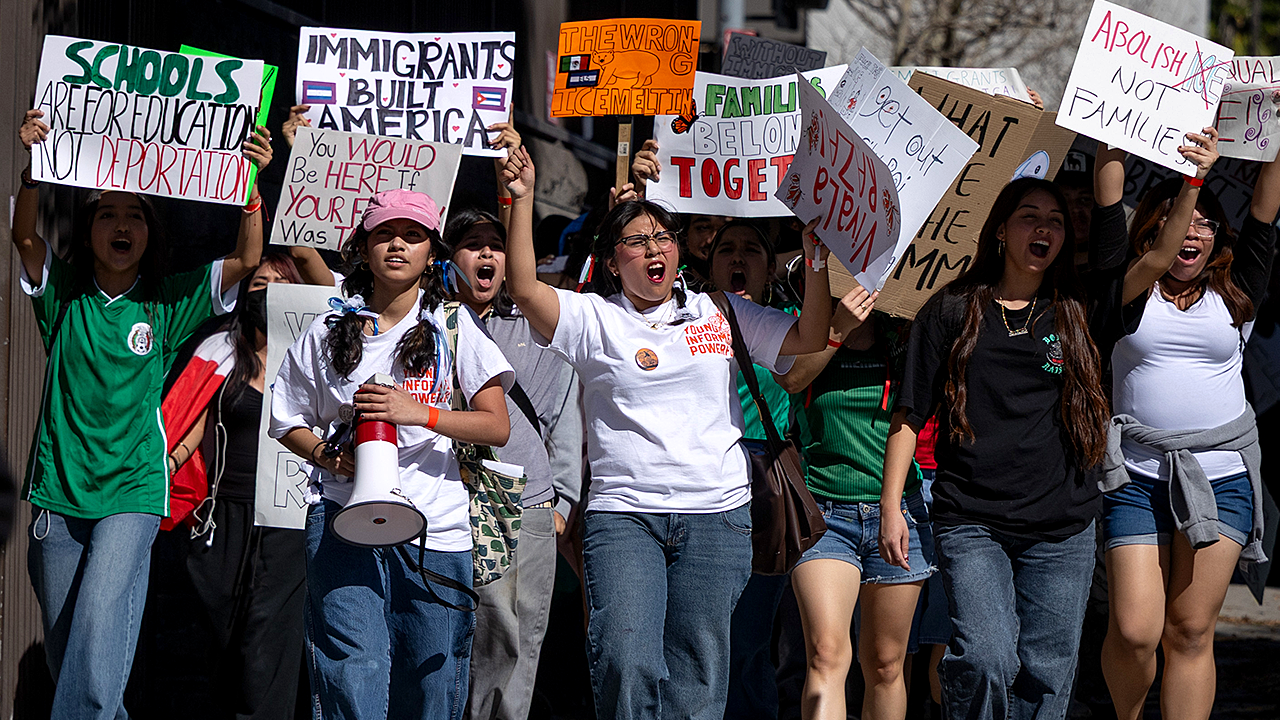
The internal communications reveal a detailed chronology of events and discussions among FUSD personnel. Screenshots from a district staff text group, for instance, capture real-time coordination among faculty during the walkout. One staff member texted, "We have 75 plus students staged outside of fhs [Flagstaff High School] getting ready to walk." Disturbingly, the same message noted, "Looks like we have some members of the public joining," highlighting an external element that could further complicate security and supervision responsibilities. Another alarming text from a staff member read, "Be aware of propped open doors that are left for reentry," suggesting a deliberate bypassing of security measures designed to control access to school buildings. Such an action could be construed as a direct contravention of school safety protocols, potentially jeopardizing students who remained inside and opening the campus to unauthorized individuals.
Chronology of Alleged Facilitation and Policy Breaches
The timeline of events, as pieced together from the obtained documents, suggests a calculated approach by some FUSD staff members leading up to and during the protest:
- Days Before the Walkout: An email from a student to then-Flagstaff High School Principal Tadd Ragan demonstrated that district staff were aware of the planned protest at least two days in advance. The student explicitly informed Ragan that students intended to walk out of classes at 11:45 a.m. to protest ICE, seeking advice on "finding a more organized way of going about this" and mentioning plans to protest "near a main road for more recognition." Ragan’s response, stating that "as a District and School we have a plan to maintain a peaceful protest," followed by an invitation for the student to visit his office, suggests a level of engagement that goes beyond mere passive awareness.
- The Day Before the Protest: Janet Chavez-Vesely, a Flagstaff "instructional coach," emailed several school administrators, disclosing that she had discussed the planned walkout with the student Hispanic Culture Club. She claimed to have "stayed neutral and answered questions while they planned," yet she also noted that a student planned to follow up with her and explicitly offered her availability to "support supervision," asking administrators to "just let me know where." This communication implies a readiness to be involved in the event’s execution.
- Morning of the Protest: Christopher Koenker, Principal of Sinagua Middle School, sent an email indicating FUSD’s awareness of "student-led events planned" and stating that the district "supports our students’ constitutional rights to peaceful assembly and free expression." While he added that "schools will neither encourage nor discourage student participation," he also mentioned the district was "looking into providing additional staff and law enforcement presence ‘for protection and supervision, not to suppress student expression’." This statement, while framed in terms of support for constitutional rights, could be interpreted by students as tacit approval or even endorsement.
- During the Walkout: The text messages exchanged among staff members, detailing student numbers and public participation, indicate active monitoring and coordination. The mention of propped-open doors further reinforces the perception of a relaxed approach to security during the event.
- Post-Walkout Debrief: An internal "Walk Out Debrief" memo later emphasized that "school isn’t responsible for students’ safety after they leave campus." This statement, made after the event, appears to contradict the district’s stated commitment to student safety during the walkout and highlights a potential legal liability concern. Another memo noted that a teacher, "Ms. Donovan," took her class outside to observe "rights vs. responsibilities" during the walkout, with only three students remaining inside. An administrator eventually asked Donovan to bring the class back inside, acknowledging it "might appear that she was influencing them to be outside." The memo further detailed Donovan’s classroom discussions on ICE operations, including a specific, unverified anecdote about officers using a five-year-old to lure a family. A student reported that after the protest, Donovan congratulated participating students for "standing up for your first amendment rights," which parents could perceive as endorsement or encouragement.
FUSD’s Official Response and Conflicting Policies
In response to America First Legal’s allegations, a spokesperson for the Flagstaff Unified School District offered a defense, stating, "We respectfully disagree that the Flagstaff Unified School District encouraged students to attend or intentionally ignored District policies." The spokesperson contended that the "District was placed in the challenging position of balancing students’ First Amendment rights, student safety and school operations in the most appropriate way it could."
However, this defense appears to be challenged by the district’s own explicit policies. FUSD policy clearly dictates that "the Superintendent shall limit access to school buildings and grounds" and that faculty must "maintain protocols regarding the distribution of keys or equipment to access District property." Furthermore, FUSD policy stipulates that students aged six to 16 are "required to attend school during the school’s hours" and mandates that "the school in which the student is enrolled shall make a reasonable effort to promptly telephone and notify the parent/legal guardian or other person who has custody of the student of the student’s absence from school." The evidence of pre-planned coordination, alleged propped doors, and the failure to notify parents in real-time or in advance directly contradicts these stated policies. The assertion of balancing First Amendment rights against safety concerns rings hollow to many when existing safety and truancy policies appear to have been overlooked or deliberately circumvented.
Parental Outcry and Erosion of Trust
The most vocal and immediate fallout from the walkout came from parents, many of whom learned of their children’s participation only after the fact. Their outrage stemmed from a combination of safety concerns, a lack of notification, and a perception of school endorsement of political activism. Several parents proactively contacted the district before the walkout, expressing their apprehension. One mother emailed Principal Ragan on Tuesday, the day before the walkout, stating, "I am keeping my daughter home from school this Wednesday as it has been brought to my attention that both Flagstaff high school and Coconino high school have planned out an entire protest." She added, "This is not something that I want my child involved in nor do I want her around during it nor do I want her suffering any of the consequences that come with not participating and or being pressured into participating in potentially getting in a violent situation." Another parent echoed these fears, writing late Tuesday night, "My kids will not be at school tomorrow," citing concerns about the potential for violence and the inappropriateness of exposing children to such situations.
After the walkout, the parental anger intensified. One mother articulated her family’s terror that their daughter might have been "peer pressured (by friends, classmates, teachers, and the school district) to be a part of this." She highlighted the "what if" scenario of student harm during the walkout, demanding transparency and an assurance that the district would not "jeopardize our children’s safety." A middle school parent, particularly incensed, noted they were not contacted until the end of the day and that their child "was under the impression this was a school sponsored event," allegedly due to faculty providing "maps" and directions. This parent concluded, "This school district has broken my trust and neglected your responsibilities and disregard for your own policies." This sentiment underscores a profound breach of trust between the school administration and the community it serves.
Broader Context: Student Activism, First Amendment, and School Responsibility
The Flagstaff incident reignites a perennial debate in American education: the delicate balance between students’ First Amendment rights to free speech and assembly, and a school district’s fundamental responsibilities for student safety, education, and adherence to established policies. The landmark Supreme Court case Tinker v. Des Moines Independent Community School District (1969) established that students do not "shed their constitutional rights to freedom of speech or expression at the schoolhouse gate." However, Tinker also acknowledged that schools can regulate speech that "materially and substantially disrupts the work and discipline of the school" or invades the rights of others.
The FUSD’s argument of "balancing First Amendment rights" is valid within this framework. Schools are generally expected to provide a safe environment for students to express their views, even on controversial topics. However, the alleged actions of FUSD staff – including pre-planning discussions, offering supervision, potentially circumventing security, and failing to notify parents – appear to cross the line from protecting student rights to actively facilitating and potentially endorsing a political protest, while simultaneously neglecting critical duties of care and parental consent.
Educational policy experts often emphasize that while students have rights, school districts have obligations. These obligations include maintaining a secure learning environment, enforcing attendance, and ensuring parental involvement in decisions affecting their children’s presence on campus. When a school allows hundreds of students to leave campus during instructional hours for a protest without explicit parental consent or timely notification, it potentially abdicates these responsibilities. The claim of "not responsible for students’ safety after they leave campus" in a debrief memo highlights a stark contradiction if staff facilitated their departure in the first place.
Implications and Future Outlook
The allegations brought forth by America First Legal against the Flagstaff Unified School District carry significant implications:
- Legal Scrutiny: The AFL’s successful public records lawsuit indicates a willingness to pursue legal avenues, and further litigation concerning alleged policy breaches or parental rights violations remains a possibility.
- Policy Review: The district will likely face pressure to conduct a thorough review of its policies regarding student walkouts, protests, parental notification, and staff conduct during such events. Clearer guidelines on the distinction between accommodating student expression and facilitating political activism may be necessary.
- Trust Deficit: The erosion of trust between parents and the school district is a critical long-term consequence. Rebuilding this trust will require transparent investigations, accountability for any proven misconduct, and a renewed commitment to parental rights and student safety.
- Reputational Damage: The negative publicity stemming from these allegations can significantly harm the district’s reputation, potentially affecting enrollment, community support, and staff morale.
- National Precedent: This case could serve as a cautionary tale or a point of reference for other school districts grappling with student activism and the complexities of balancing constitutional rights with institutional responsibilities. The debate over the politicization of education and the role of schools in fostering or restraining student political expression is a national one, and the Flagstaff situation adds another layer to this ongoing discussion.
As America First Legal Senior Counsel James Rogers succinctly put it, "What these documents show is a stunning betrayal of that trust." He further asserted that FUSD’s "conduct raises serious questions about whether district employees crossed that line." Rogers concluded, "Parents deserved to know where their children were. The law required these officials to act, and they failed on both counts." The Flagstaff Unified School District now faces the challenging task of addressing these serious allegations, restoring confidence among its stakeholders, and demonstrating a clear commitment to its policies and primary duty of care for its students. The outcome of this controversy will undoubtedly have lasting repercussions for the district and its community.
Related posts: