Waymo Robotaxi Service Restores Operations in San Francisco Following City-Wide Power Outage

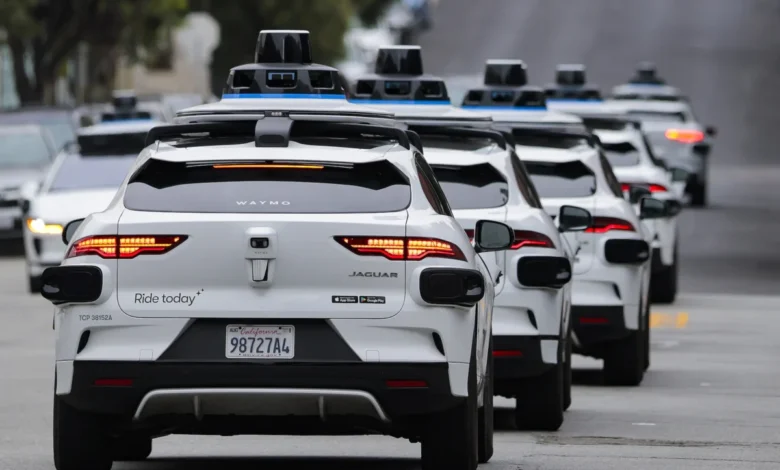
San Francisco, CA – Waymo, the autonomous vehicle subsidiary of Alphabet, announced today that its robotaxi service has fully resumed operations in San Francisco after a temporary suspension triggered by a significant power outage. The disruption, which affected approximately 7,000 Pacific Gas and Electric Company (PG&E) customers across various districts of the city, prompted Waymo to implement "temporary adjustments" to its service protocols, including a brief halt to all rides and the unavailability of freeway routes. The incident marks another instance where critical urban infrastructure failures have directly impacted the nascent autonomous vehicle industry, reigniting debates over regulatory oversight and operational resilience.
Chronology of the Disruption
The power outage commenced earlier today, casting a shadow over parts of San Francisco and immediately raising concerns among residents and businesses. Initial reports from SFGate indicated the scale of the outage, pinpointing its impact on thousands of PG&E customers. As the blackout unfolded, Waymo’s automated system detected the deteriorating conditions.
At approximately 12:30 PM PDT, Waymo began communicating with its San Francisco customer base. A screenshot widely circulated on social media, notably by Ethan McKanna on platform X (formerly Twitter), revealed a message from Waymo informing riders that service was "temporarily paused" and that "freeway routes are unavailable." This immediate cessation of service, while precautionary, left some customers stranded or seeking alternative transportation during the affected period.
TechCrunch, upon learning of the service interruption, reached out to Waymo for an official statement. A spokesperson for the Alphabet-owned company initially stated, "We are making temporary adjustments to our service while we monitor local conditions. We know riders depend on us, and we will return to normal operations as soon as possible." This preliminary response indicated a cautious approach by Waymo as it assessed the unfolding situation.
Following the initial publication of this report, Waymo provided further clarification. A spokesperson added that the company "decided to pause service for approximately one hour to assess the scale of the power outage affecting a large portion of San Francisco and coordinate with local officials." This updated statement underscored Waymo’s commitment to safety and its proactive engagement with city authorities during unforeseen infrastructure challenges. By early afternoon, with power being progressively restored across the affected areas, Waymo confirmed that its robotaxi service had fully resumed, minimizing the overall duration of the disruption.
The Broader Context: AVs and Infrastructure Vulnerability
This incident is not an isolated event but rather another data point in a growing trend highlighting the susceptibility of autonomous vehicle operations to external infrastructure failures. San Francisco, a pioneering city for robotaxi deployment, has witnessed several such disruptions in recent history, leading to increased scrutiny from city officials and the public alike.
One notable precedent occurred in December 2025, when a city-wide blackout led to a number of Waymo vehicles stalling on San Francisco streets. This incident caused significant traffic congestion and raised questions about the vehicles’ ability to safely navigate or pull over in the absence of critical grid power and communication infrastructure. The unexpected paralysis of these advanced vehicles underscored a critical vulnerability: while autonomous cars are designed to react to dynamic road conditions, their reliance on external signals, mapping data, and remote human support can be compromised during widespread power failures.
Similarly, an incident during the Fourth of July fireworks show in San Francisco paralyzed traffic when a combination of network congestion and localized power issues reportedly impacted autonomous vehicles, leading to further gridlock. These repeated occurrences have fueled a robust debate about the robustness of autonomous systems in real-world, high-stress scenarios that extend beyond typical driving conditions.
The underlying issue often revolves around the autonomous vehicles’ sensor suite and communication capabilities. While equipped with lidar, radar, and cameras, these systems require consistent power. More critically, the vehicles often rely on cloud connectivity for real-time map updates, remote assistance, and operational directives. Widespread power outages can degrade cellular networks or local Wi-Fi, severing this vital link and potentially forcing vehicles into a safe but immobile state. The protocol for autonomous vehicles during such events typically involves either continuing to a safe stop, if possible, or entering a minimal risk condition (MRC), which often means pulling over and waiting for human intervention or the restoration of critical services.
Official Reactions and Calls for Stricter Regulations
The recurring nature of these incidents has not gone unnoticed by San Francisco’s leadership. Mayor Daniel Lurie has been a vocal proponent for more stringent state regulations governing autonomous vehicles, particularly regarding their operational protocols during major incidents, whether planned events or unforeseen emergencies like power outages.

Mayor Lurie’s calls for tougher rules, first articulated after the Fourth of July traffic fiasco and reiterated in July 2026, reflect a growing sentiment among municipal authorities that the current regulatory framework, largely overseen by the California Public Utilities Commission (CPUC) and the Department of Motor Vehicles (DMV), may not adequately address the complexities of integrating autonomous fleets into dense urban environments. City officials and emergency services have expressed concerns about the potential for stalled robotaxis to impede first responders, block essential routes, or exacerbate chaotic situations during crises.
The proposed regulations aim to mandate more robust contingency plans for autonomous vehicle operators, including improved communication protocols with city agencies, clearer guidelines for vehicle recovery during failures, and potentially stricter requirements for "fail-operational" capabilities that allow vehicles to continue to a designated safe zone even under degraded conditions. These discussions are part of a broader statewide effort to balance innovation with public safety, ensuring that the rollout of cutting-edge technology does not compromise the operational efficiency and safety of California’s cities.
Analysis of Implications: Operational Resilience and Public Trust
The temporary pause in Waymo’s San Francisco service, though brief, underscores several critical implications for the autonomous vehicle industry and urban mobility:
-
Operational Resilience: The incident highlights the inherent vulnerability of highly networked and power-dependent systems like autonomous vehicles to disruptions in foundational infrastructure. As cities increasingly integrate AVs into their transportation ecosystems, ensuring these systems can withstand or gracefully recover from power outages, network failures, or natural disasters becomes paramount. This necessitates not just robust on-board systems but also coordinated emergency response plans between AV operators, utility companies, and municipal services. The ability of Waymo to quickly assess, coordinate, and resume service demonstrates a level of preparedness, but also indicates the constant need for vigilance and adaptation.
-
Regulatory Scrutiny: Each incident, regardless of its severity, adds to the mounting pressure on regulatory bodies like the CPUC to refine and potentially tighten the rules governing AV deployment. The balance between fostering innovation and safeguarding public welfare is delicate, and repeated disruptions tip the scales towards greater oversight. This particular incident, affecting thousands of PG&E customers, provides a tangible scenario for regulators to analyze the real-world impact of AV operations during widespread urban infrastructure challenges.
-
Public Perception and Trust: While Waymo’s swift resumption of service helps mitigate long-term negative impacts, frequent disruptions, even minor ones, can erode public trust in autonomous technology. For robotaxis to achieve widespread adoption, they must be perceived as not only safer but also more reliable than human-driven alternatives, especially during emergencies. Transparency, clear communication, and demonstrated responsiveness during incidents are crucial for maintaining and building this trust. Passengers who rely on these services for daily commutes need assurance that they won’t be left stranded.
-
Technological Development: These real-world challenges drive further technological innovation. AV companies are compelled to invest more in robust on-board power systems, enhanced local processing capabilities that reduce reliance on constant cloud connectivity, and advanced "limp-home" modes that allow vehicles to navigate to a designated safe zone even with significant system degradation. The lessons learned from each outage contribute to the evolution of more resilient and intelligent autonomous driving systems.
-
Inter-Agency Coordination: The incident underscores the critical need for seamless coordination between autonomous vehicle companies, utility providers, emergency services, and city planning departments. Developing joint protocols for communication, incident response, and service restoration during large-scale urban disruptions is essential. Waymo’s statement about coordinating with local officials during the pause is a positive indicator of such efforts, but formalizing these partnerships remains a significant challenge.
Looking Ahead
As San Francisco and other cities continue to embrace autonomous vehicle technology, the latest Waymo service disruption serves as a poignant reminder of the complex interplay between advanced robotics, urban infrastructure, and public policy. The brief pause and swift resumption demonstrate a maturing response capability from Waymo, yet the underlying vulnerability to widespread power outages remains a systemic challenge.
The ongoing dialogue initiated by Mayor Lurie and other city leaders about tougher regulations will undoubtedly gain further momentum. The focus will likely shift towards proactive measures, such as mandatory incident response plans, enhanced data sharing between AV operators and city emergency services, and perhaps even specific hardware requirements for resilience in critical situations.
Ultimately, the future success of autonomous ride-hailing services in dense urban environments will hinge not just on their ability to navigate traffic and avoid accidents, but also on their proven resilience in the face of unpredictable real-world events. The industry, regulators, and cities must continue to collaborate to build a framework that ensures both the safety and the unwavering reliability of this transformative technology, even when the lights go out.