Category Commercial Real Estate

Category Commercial Real Estate: A Definitive Guide to Investment and Development
Commercial real estate (CRE) encompasses all properties used for business purposes, distinct from residential real estate. This broad category is further segmented into various sub-categories, each with its unique characteristics, investment drivers, and risk profiles. Understanding these distinctions is paramount for investors, developers, and businesses seeking to acquire, lease, or manage commercial properties. This article provides a comprehensive overview of the primary categories within commercial real estate, exploring their investment potential, development considerations, and market dynamics.
Office Buildings: Functionality, Location, and Tenant Demand
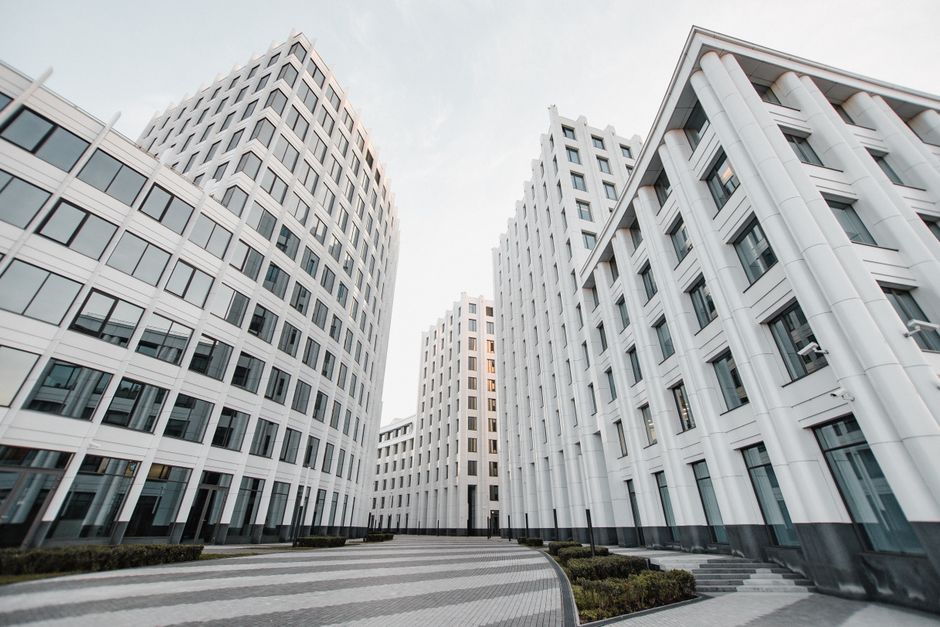
Office buildings represent a cornerstone of commercial real estate. They are designed to house businesses and their employees, ranging from single-tenant structures to multi-story complexes. The classification of office buildings is typically based on their quality, age, and amenities, leading to classifications like Class A, Class B, and Class C. Class A properties are the most desirable, characterized by prime locations, modern construction, high-end amenities (e.g., gyms, conference centers, advanced technology infrastructure), and sophisticated property management. These buildings command the highest rental rates and attract premium tenants. Class B buildings are older or in less prestigious locations but still offer functional space and a good standard of amenities. Class C properties are typically older, require significant renovation, and are located in less desirable areas, attracting tenants seeking affordability.
Investment in office buildings is driven by demand from businesses seeking physical space for operations, collaboration, and client meetings. Key factors influencing tenant demand include economic growth, job creation, industry-specific trends (e.g., tech sector expansion), and the increasing prevalence of remote work and hybrid models, which has led to shifts in space requirements. Investors analyze office building performance based on factors such as occupancy rates, lease terms, rental income, operating expenses, and the creditworthiness of tenants. The lifecycle of office buildings involves initial development, leasing, and management, with potential for capital appreciation through property value increases or repositioning through renovations. The market is susceptible to economic downturns, which can lead to increased vacancy rates and downward pressure on rents. Emerging trends include the rise of co-working spaces, flexible office solutions, and the integration of smart building technology to enhance employee experience and operational efficiency.
Retail Properties: Foot Traffic, Consumer Behavior, and E-commerce Impact
Retail properties are designed to facilitate the sale of goods and services directly to consumers. This category encompasses a wide spectrum of property types, from standalone stores and neighborhood strip centers to large regional malls and power centers. The success of retail properties is intrinsically linked to consumer behavior, foot traffic, and accessibility. Location is a critical determinant, with visibility, proximity to residential areas, and ease of access being paramount. The nature of the retail tenant also plays a significant role, with anchor tenants (e.g., major grocery stores or department stores) often driving traffic to smaller businesses within a center.
The investment thesis for retail real estate is centered on generating rental income from tenants and potential capital appreciation. Factors influencing investment returns include sales performance of tenants, lease structures (e.g., gross leases, net leases, percentage rent leases), lease duration, and the overall economic health impacting consumer spending. The advent and continued growth of e-commerce have presented a significant challenge and transformation for the traditional retail sector. This has led to a bifurcation in the market, with well-located, experiential retail and convenience-oriented centers performing strongly, while less desirable or outdated malls struggle. Investors and developers are adapting by incorporating mixed-use elements, focusing on experiential retail, and optimizing for omnichannel strategies. Redevelopment of underperforming retail assets into other CRE categories, such as residential or logistics, is also a growing trend.
Industrial Properties: Logistics, Manufacturing, and the E-commerce Boom
Industrial properties are utilized for manufacturing, warehousing, distribution, and research and development. This category has experienced significant growth and transformation, largely driven by the explosive expansion of e-commerce and the increasing demand for efficient supply chains. Key sub-types include manufacturing facilities, warehouses, distribution centers, flex spaces (combining office and industrial components), and cold storage facilities. The location of industrial properties is dictated by proximity to transportation networks (highways, rail lines, ports, airports), labor availability, and the need to serve specific markets.
Investment in industrial real estate is propelled by the need for companies to store, process, and distribute goods. The surge in online shopping has created an unprecedented demand for strategically located distribution and fulfillment centers. Investors evaluate industrial properties based on factors such as rental income, lease terms (often longer-term leases with industrial tenants), operational efficiency of the facility, and the cost of labor. The resilience of the industrial sector, even during economic downturns, is a significant attraction for investors. Emerging trends include the demand for last-mile delivery facilities located closer to urban centers, the integration of automation and robotics within warehouses, and the increasing importance of sustainable building practices. The development of new industrial facilities is often focused on meeting specific tenant requirements related to building specifications, loading docks, and power infrastructure.
Multifamily Properties: Housing Demand, Rental Income, and Lifestyle Factors
Multifamily properties are residential buildings containing multiple dwelling units, such as apartment complexes, townhouses, and condominiums intended for rent. This category is considered a defensive investment due to the consistent demand for housing, regardless of economic conditions. The primary drivers of investment in multifamily properties are stable rental income and long-term capital appreciation. Factors influencing property value and performance include location (proximity to jobs, transportation, amenities), property class (Class A, B, C, similar to office buildings, reflecting age, amenities, and finishes), occupancy rates, rental growth potential, and the quality of property management.
The demand for multifamily housing is shaped by demographic trends, urbanization, and changing lifestyle preferences. A growing population, a preference for renting over homeownership (especially among younger generations), and increasing urbanization all contribute to a robust demand for apartment living. Investors analyze the local rental market, competitive supply, and economic indicators to assess the potential for rental growth and sustained occupancy. The development of new multifamily projects is a capital-intensive undertaking, requiring careful site selection, design, and construction management. Trends in the multifamily sector include the demand for modern amenities (e.g., fitness centers, co-working spaces, pet-friendly facilities), smart home technology, and the development of mixed-use communities that integrate residential units with retail and office spaces.
Hospitality Properties: Tourism, Business Travel, and Economic Sensitivity
Hospitality properties encompass hotels, motels, resorts, and other lodging establishments that provide temporary accommodation for travelers. This sector is highly sensitive to economic cycles, consumer confidence, and global events. Investment in hospitality real estate is driven by revenue generated from room rates and ancillary services (food and beverage, meeting spaces). Key factors influencing performance include occupancy rates, average daily rate (ADR), revenue per available room (RevPAR), location (proximity to tourist attractions, business centers, airports), brand affiliation, and the quality of service and amenities offered.
The hospitality market experiences significant fluctuations due to seasonal demand, business travel patterns, and leisure spending. Major events, economic downturns, and even public health crises can have a profound impact on occupancy and profitability. Investors in this sector often focus on identifying specific market segments (e.g., luxury, budget, extended stay) and geographic locations with strong tourism or business travel drivers. Development of new hospitality properties is subject to high construction costs, operational complexities, and the need to align with specific brand standards. The sector is adapting to evolving guest expectations, with an increased focus on technology, personalized experiences, and sustainable practices. The rise of alternative accommodations (e.g., short-term rentals) also presents a competitive dynamic for traditional hotels.
Healthcare Properties: Demographics, Technology, and Specialization
Healthcare properties are designed for medical services and encompass a range of facilities, including hospitals, medical office buildings (MOBs), skilled nursing facilities, assisted living centers, and specialized clinics. This sector has shown remarkable resilience and growth, driven by an aging population, advancements in medical technology, and increasing demand for healthcare services. Investment in healthcare real estate is influenced by the stability of tenant income (often generated by creditworthy healthcare providers or insurance companies), long-term leases, and the critical nature of the services provided.
Medical office buildings, in particular, are a strong sub-sector, as physicians and healthcare systems seek to consolidate services and improve patient convenience. The demand for healthcare facilities is intrinsically linked to demographic trends, with an increasing elderly population requiring more specialized care. Technological advancements in medicine also influence the design and functionality of healthcare properties, requiring specialized infrastructure and equipment. Investors analyze factors such as the creditworthiness of tenants, lease structures, the specific medical specialties housed within a facility, and the overall healthcare market dynamics in a given region. Development of healthcare properties is complex, requiring adherence to strict regulatory requirements and specialized construction standards. The trend towards outpatient care and specialized treatment centers is driving ongoing development and investment in this sector.
Special Purpose Properties: Unique Functionality and Niche Markets
Special purpose properties represent a diverse group of commercial real estate assets that are designed for a specific use and are not easily converted to another purpose without significant modification. Examples include self-storage facilities, car washes, movie theaters, bowling alleys, entertainment venues, and funeral homes. The investment potential of these properties is highly dependent on the demand for their specific service and the operational efficiency of the business occupying them.
The appeal of special purpose properties for investors lies in their potential for high, consistent cash flow, especially in sectors with strong recurring demand like self-storage. However, their niche nature also means that market analysis must be highly targeted to understand the specific demand drivers and competitive landscape. Development of these properties is often driven by entrepreneurial ventures or specialized operators. The success of a special purpose property is closely tied to the management of the underlying business and its ability to attract and retain customers. While they may not offer the same diversification as broader CRE categories, they can provide attractive yields for investors with expertise in specific niche markets.
Conclusion
The commercial real estate landscape is a multifaceted ecosystem of diverse property types, each with its unique investment characteristics and market dynamics. From the foundational office and retail sectors to the rapidly evolving industrial and healthcare segments, understanding the nuances of each category is crucial for informed decision-making. Investors and developers must conduct thorough due diligence, analyze market trends, and assess risk profiles to capitalize on opportunities within this dynamic and essential sector of the economy. The continued evolution of technology, consumer behavior, and societal needs will undoubtedly shape the future of commercial real estate, presenting ongoing challenges and opportunities for innovation and adaptation.