Money Raised On Gofundme Could Affect Federal Aid For Victims Of La Wildfires

The Impact of GoFundMe Donations on Federal Disaster Aid for Wildfire Victims
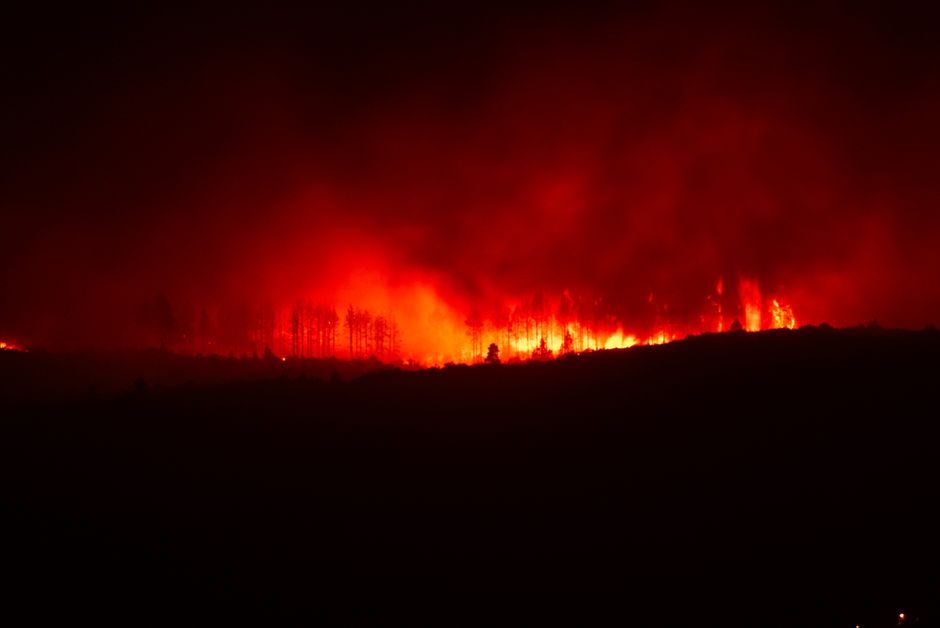
The increasing frequency and intensity of wildfires across federal lands, particularly in states like California, have led to devastating losses for individuals and communities. In the aftermath of such events, victims often turn to crowdfunding platforms like GoFundMe to bridge the financial gaps left by immediate relief efforts. A crucial question that arises is how these private donations might influence the availability or amount of federal disaster aid distributed by agencies such as FEMA (Federal Emergency Management Agency). Understanding this interplay is vital for affected individuals to navigate the complex landscape of disaster recovery.
Federal disaster aid, primarily administered through FEMA, is designed to provide financial assistance and support to individuals, families, and public entities impacted by major disasters declared by the President. This aid can include grants for temporary housing, home repairs, and other serious needs not met by insurance or other forms of assistance. FEMA’s assistance is generally intended to be supplementary, not duplicative of other available resources. The core principle guiding federal aid is to help victims recover and rebuild to a safe and sanitary standard, not to provide full compensation for all losses. This is where the consideration of private donations, like those raised on GoFundMe, becomes significant.
The Stafford Act, the primary legislation governing federal disaster response, outlines the framework for FEMA assistance. Section 408 of the Stafford Act, for instance, deals with Other Needs Assistance (ONA), which can cover disaster-related expenses not addressed by housing assistance, such as personal property, vehicles, and medical expenses. A key provision within the Stafford Act and its implementing regulations emphasizes that federal assistance should not duplicate benefits received from other sources. This includes insurance proceeds, state or local government aid, and private charitable donations. Therefore, when assessing eligibility and determining the amount of federal aid, FEMA will typically inquire about and consider any other financial assistance an applicant has received or is expected to receive.
GoFundMe campaigns, while driven by individual generosity and community solidarity, represent a form of private financial assistance. When victims receive donations through these platforms, this income is generally considered a "benefit" that FEMA must account for. The agency’s objective is to prevent an individual from profiting from a disaster or receiving more financial assistance than they need to recover. Therefore, if a wildfire victim has successfully raised a significant sum through a GoFundMe campaign to cover losses such as rebuilding costs, temporary living expenses, or replacement of essential belongings, FEMA will likely reduce the amount of its direct financial assistance by that donated amount. This is not a penalty but rather an application of the "duplication of benefits" rule.
It is essential for wildfire victims to maintain meticulous records of all donations received through GoFundMe. This includes documentation of the total amount raised, the dates of donations, and how the funds have been or will be used. When applying for FEMA assistance, applicants will be required to disclose all other sources of financial assistance. Failure to disclose GoFundMe donations could lead to a denial of benefits or a requirement to repay funds already received. Transparency and honesty in the application process are paramount. Victims should be prepared to provide proof of their fundraising efforts and the use of those funds when requested by FEMA.
The process of accounting for GoFundMe donations can sometimes be complex. For example, if a GoFundMe campaign is established to cover a specific need, such as replacing a destroyed vehicle, and the funds raised are precisely used for that purpose, the reduction in FEMA aid might be directly proportional to that specific expense. However, if the funds are more general, intended to cover a broad range of losses, FEMA may assess the overall financial recovery of the applicant and adjust their assistance accordingly. The agency aims to ensure that federal funds are used to address unmet needs that remain after all other available resources have been utilized.
Furthermore, the timing of GoFundMe donations can also play a role. If donations are received before a federal declaration and FEMA assistance application, they are more likely to be directly factored into the initial assessment of needs and benefits. If donations are received after an initial FEMA determination, it might trigger a review or appeal process. In such scenarios, the applicant should proactively inform FEMA of the new financial resources, providing documentation, to avoid potential issues.
It’s crucial to differentiate between GoFundMe donations and other forms of disaster relief that might not be subject to the same duplication of benefits rules. For instance, certain donations to non-profit organizations that provide direct services (like providing food, clothing, or temporary shelter) might be viewed differently than direct cash transfers to individuals. However, for GoFundMe donations that are essentially cash received by the victim to offset financial losses, the duplication of benefits principle generally applies.
The impact of GoFundMe on federal aid also raises questions about the adequacy of both private and public recovery mechanisms. While GoFundMe provides a valuable avenue for immediate, community-driven support, it cannot replace the scale of resources that can be mobilized through federal disaster relief programs. For individuals facing catastrophic losses, GoFundMe donations, while immensely helpful, might not fully cover the extensive costs of rebuilding a home or replacing a lifetime of possessions. This highlights the critical role of FEMA and other federal agencies in providing a safety net for disaster survivors.
Conversely, the presence of significant GoFundMe donations could potentially influence how federal resources are allocated in broader disaster scenarios. If a particular community or set of individuals is demonstrably able to raise substantial private funds, it might, in theory, lead to a reassessment of the scale of federal assistance required for that specific population. However, FEMA’s primary mandate is to respond to the declared disaster and assist all eligible individuals based on their unmet needs, regardless of the success of private fundraising efforts. The agency’s decisions are driven by damage assessments and established eligibility criteria.
The relationship between GoFundMe and federal aid is also subject to evolving interpretations and administrative practices. Disaster relief is a dynamic field, and agencies like FEMA continually refine their policies and procedures. It is always advisable for wildfire victims to consult the most up-to-date information from FEMA and to seek guidance from disaster relief organizations or legal aid services if they have questions about how their GoFundMe donations will affect their eligibility for federal assistance.
Beyond direct financial aid, federal programs can also encompass other forms of support, such as low-interest loans from the Small Business Administration (SBA) for homeowners and businesses. The duplication of benefits rule typically applies to these loan programs as well. If GoFundMe funds are used to cover expenses that would otherwise be eligible for an SBA loan, those funds will be factored into the loan eligibility and amount.
In conclusion, GoFundMe donations, while a vital source of immediate relief and community support for wildfire victims, will most certainly impact the amount of federal disaster aid they receive from FEMA. The principle of preventing duplication of benefits dictates that these private funds will be considered alongside other sources of assistance. Victims must maintain transparency, meticulously document all donations and their use, and proactively communicate with FEMA throughout the application and appeals process. The interplay between private generosity and public assistance underscores the multifaceted nature of disaster recovery, where every dollar received, from whatever source, plays a role in the journey back to normalcy. Understanding this dynamic is crucial for wildfire survivors to effectively navigate the financial complexities of rebuilding their lives after devastation.


