Climate Refugees Face Vanishing Horizons as US Immigration Policies Tighten Amid Global Environmental Crisis

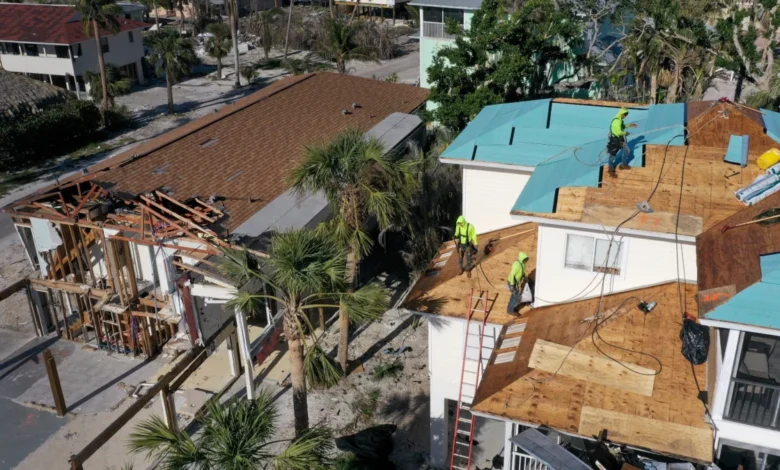
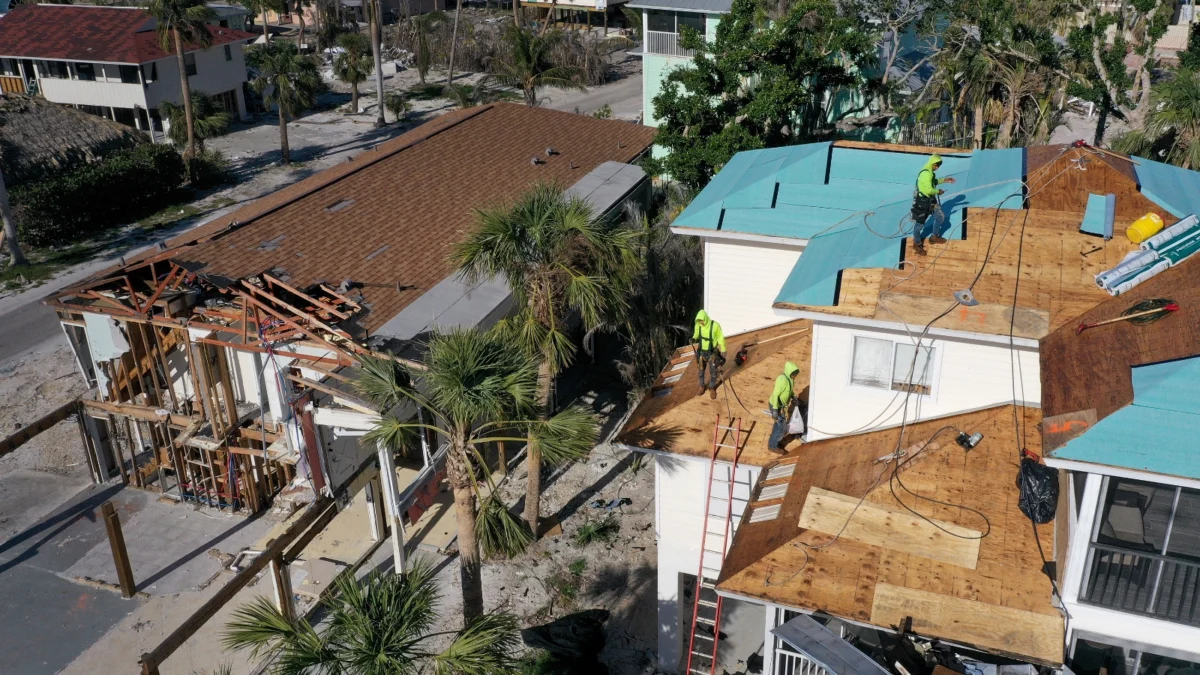
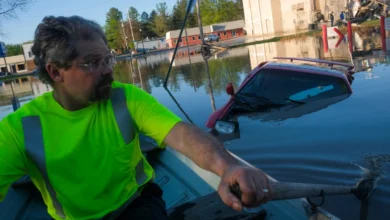
The intersection of escalating global temperatures and restrictive migration policies has created a burgeoning humanitarian crisis, leaving millions of people displaced by environmental disasters with no clear legal pathway to safety. As floods, catastrophic storms, and record-breaking heatwaves upend lives from Central America to Sub-Saharan Africa, those seeking refuge in the United States are discovering that the nation’s doors are more firmly shut than at any point in recent history. Despite the mounting scientific evidence linking the burning of fossil fuels to the increased frequency and intensity of natural disasters, neither United States domestic law nor international legal frameworks currently recognize environmental hazards as a valid basis for claiming asylum.
The crisis of climate-related displacement is no longer a distant projection; it is a present reality. However, for those forced to flee their homelands due to the "overheating planet," the journey is often met with a labyrinth of legal barriers and an increasingly hostile political environment. Under the current administration’s intensified immigration crackdown, even those who managed to enter the U.S. through alternative channels now find themselves in a state of extreme precarity. The absence of a formal system to assist climate-displaced individuals has left a significant portion of the global population in a legal limbo, where their survival is dictated by geography and shifting political whims rather than humanitarian necessity.
The Legal Gap: A History of Non-Recognition
The fundamental challenge for climate refugees lies in the narrow definitions established decades ago. The 1951 Refugee Convention and its 1967 Protocol define a refugee as someone who has a "well-founded fear of being persecuted for reasons of race, religion, nationality, membership of a particular social group or political opinion." This definition, crafted in the aftermath of World War II, does not account for the slow-onset degradation of land or the sudden destruction caused by climate-fueled weather events.
In the United States, the Immigration and Nationality Act (INA) mirrors these international standards. While the U.S. government has occasionally granted Temporary Protected Status (TPS) to citizens of countries hit by major disasters—such as the 2010 earthquake in Haiti or Hurricane Mitch in 1998—these protections are, by definition, temporary and do not provide a path to permanent residency or citizenship. Furthermore, the current administration has moved to restrict the use of TPS and has effectively blocked asylum claims that do not meet the strict criteria of personal persecution by a government or specific entity.
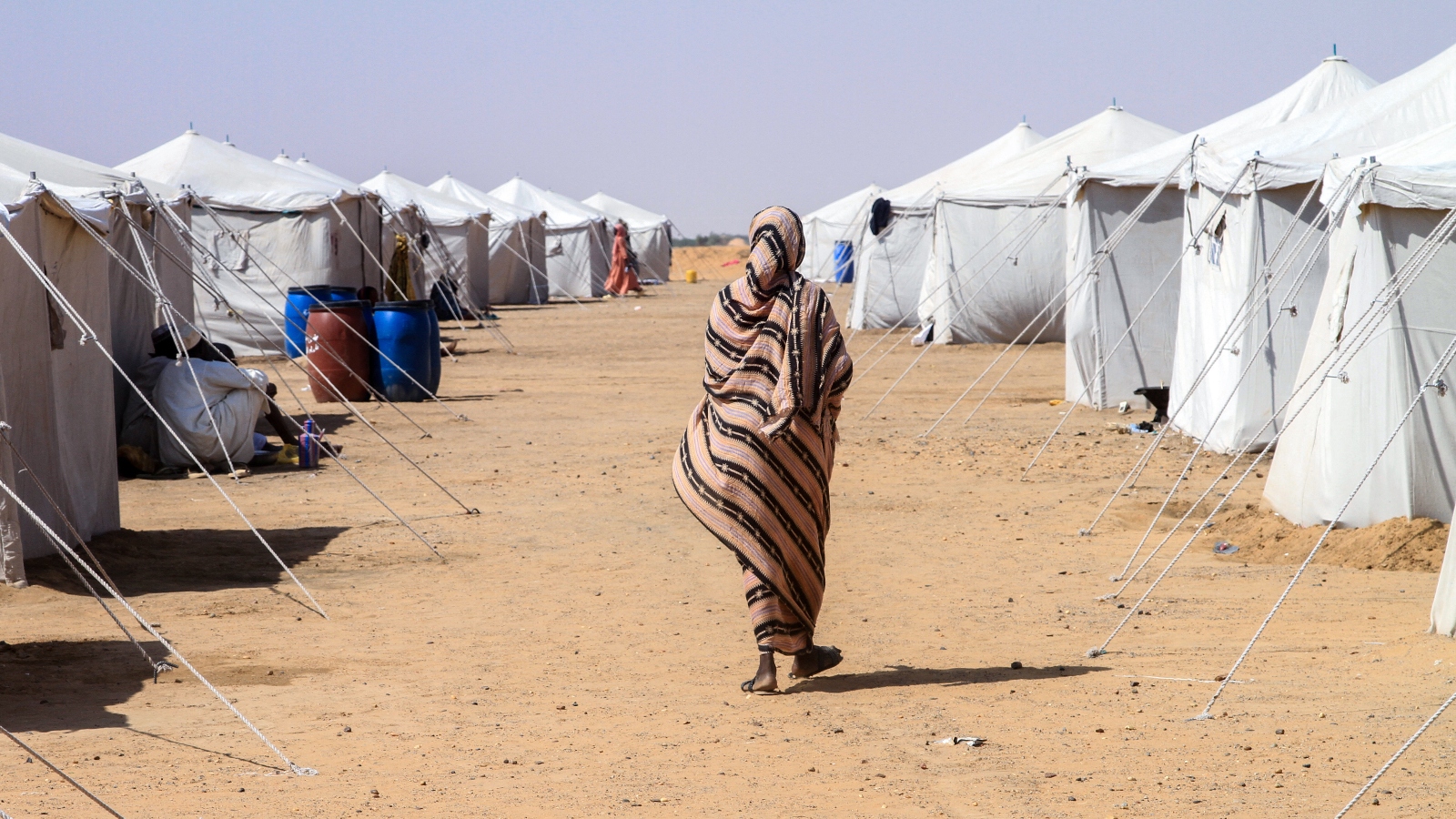
Case Studies in Displacement: Honduras, Sudan, and Somalia
The human cost of this legal vacuum is best understood through the lived experiences of those who have survived the frontlines of the climate crisis. For many, the decision to leave is not a choice but a final act of survival.
Honduras: The Legacy of Hurricane Mitch
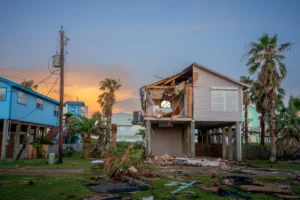
In 1998, Hurricane Mitch tore through Central America, claiming over 7,000 lives in Honduras alone. Evelyn, a resident of New York who requested that her full name not be used, was a teenager when the storm reduced her family home to "unsalvageable ruins." She recalls a landscape of devastation: "There were bodies and dead animals floating in the water, the house was messed up, the furniture was all gone—doors, windows gone."
The aftermath was as deadly as the storm itself. Stagnant water led to outbreaks of mosquito-borne illnesses, and the lack of basic services in a poverty-stricken nation made rebuilding impossible. While Evelyn was able to relocate to the U.S. due to the help of relatives already living in New York, she notes that the barriers today are significantly higher. Science suggests that storms of Mitch’s ferocity are becoming more frequent as the atmosphere and oceans warm. Yet, as the physical danger increases, the legal avenues for escape are being systematically dismantled.
Sudan: The Intersection of Drought and Conflict
The relationship between environmental degradation and civil unrest is starkly evident in Sudan. A severe and prolonged drought has decimated agricultural lands, leading to a "perfect storm" of resource scarcity and armed conflict. A Sudanese doctor currently residing in the U.S. explains that millions have fled because "there isn’t enough water."
In Sudan, the competition for dwindling fertile land and water sources has exacerbated a fierce civil war. "There is climate change and the difficulty of people sharing resources, and the conflicts are affected by that," the doctor stated. Despite his professional qualifications and the clear danger awaiting him in his home country, he now faces the prospect of deportation under a new administration edict that has blocked entry and extended removal orders for nationals from dozens of countries, including Sudan.
Somalia: Total Ecological Collapse
Somalia presents another harrowing example of the climate-conflict nexus. The country has been racked by a cycle of extreme droughts and flash floods, which have destroyed livestock and crops, forcing rural populations into overcrowded urban centers like Mogadishu. One Somali man, currently seeking asylum in the U.S., described the collapse of his community: "People from the farming lands, they’re dying, with no water. Also the animals, they die… everything can get hard."
The move to the city, however, offered no safety. Displaced populations are often targeted by extremist groups who exploit the desperation of the climate-impacted poor. This man eventually fled to the U.S., only to find that the asylum system has been effectively shuttered for almost all nationalities except for a few specific groups. "It’s scary with the government here, how they are treating people," he remarked, reflecting on the transition from one form of insecurity to another.
Supporting Data: The Scale of Global Displacement
The statistics provided by international monitoring bodies underscore the magnitude of the problem. According to a report by the United Nations and the Internal Displacement Monitoring Centre (IDMC), environmental factors have displaced approximately 250 million people worldwide over the past decade.
- Internal vs. External: While the majority of climate-driven movement is internal—people moving from rural areas to cities within their own country—the World Bank’s "Groundswell" report estimates that by 2050, up to 216 million people could be forced to move within their own countries due to climate change.
- The Multiplier Effect: Research consistently shows that climate change acts as a "threat multiplier," worsening existing social, economic, and political tensions. In regions like the Sahel or Central America’s Dry Corridor, the loss of livelihoods due to heat and drought is a primary driver of migration toward the U.S. border.
- Economic Impact: The cost of climate-related disasters in 2025 alone exceeded $300 billion globally, with developing nations bearing the brunt of the damage despite contributing the least to global carbon emissions.
The Political Landscape and Official Responses
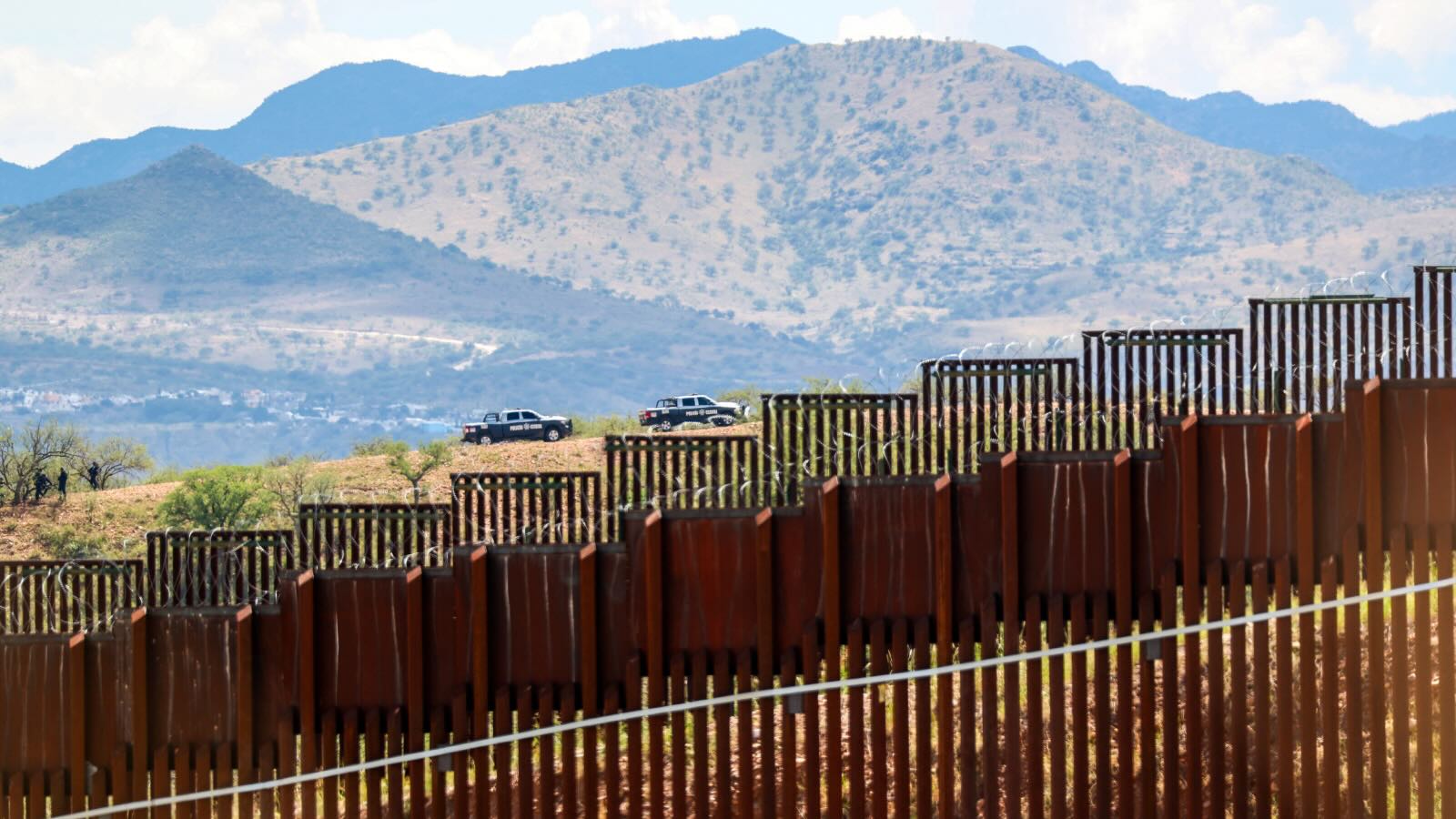
In the United States, the political response to climate migration has been characterized by a sharp divide. In recent legislative sessions, some Democratic lawmakers have attempted to introduce the "Climate Displaced Persons Act." This proposed legislation would create a new humanitarian visa category specifically for those fleeing environmental disasters. However, these efforts have stalled in the face of a political climate that has shifted toward border securitization and the reduction of all forms of immigration.
Felipe Navarro, associate director of policy and advocacy at the Center for Gender and Refugee Studies, argues that the current administration’s policies are not merely a byproduct of neglect but are rooted in a broader ideological shift. "If you were displaced by climate change, that door is closed," Navarro said. He suggested that the administration’s focus on restrictive measures often overlooks the root causes of migration, such as climate change, in favor of blanket bans based on nationality or race.

The administration’s official stance remains focused on "border integrity." Statements from the Department of Homeland Security emphasize the need to deter "irregular migration" and maintain strict adherence to existing asylum laws, which do not include environmental factors. This focus on deterrence fails to account for the reality that for many, staying in their home country is a death sentence.
Timeline of Escalating Barriers
- 1998: Hurricane Mitch strikes Central America. The U.S. grants TPS to Hondurans and Nicaraguans, recognizing the impossibility of safe return.
- 2015: The Paris Agreement acknowledges the need to protect the rights of persons displaced by climate change, but provides no binding legal framework for "climate refugees."
- 2021-2024: A series of executive orders and policy shifts under the previous and current administrations begin to tighten asylum eligibility, making it harder for those from climate-vulnerable regions to claim "credible fear."
- 2025-2026: The U.S. implements a near-total ban on asylum for individuals from dozens of "high-risk" countries, many of which are simultaneously experiencing the worst effects of global warming.
Broader Implications and Future Outlook
The refusal to address climate migration through formal legal channels has several far-reaching implications. First, it forces migrants into increasingly dangerous and "irregular" pathways. When legal doors are closed, people do not stop moving; they instead turn to human smugglers and perilous routes through jungles and across seas, increasing the risk of human trafficking and death.
Second, the lack of a proactive climate migration strategy undermines regional stability. As climate-vulnerable nations lose their workforce and face internal social strain, the likelihood of regional conflict increases. The U.S. policy of "containment" at the border does little to address the underlying drivers of movement, ensuring that the pressure on the border will only continue to grow as the planet warms.
Finally, there is the moral and ethical dimension. As one of the world’s largest historical emitters of greenhouse gases, the United States faces increasing international pressure to take responsibility for the displacement caused by those emissions. By closing its doors to climate refugees, the U.S. is seen by many international observers as retreating from its humanitarian obligations.
"It’s hard to predict the long-term effects of these policies," said Navarro. "When we close doors, though, people always find another path to move." As the 21st century progresses, the "climate refugee" will likely become the defining figure of global migration. Whether the international community, and the United States in particular, chooses to meet this challenge with new legal frameworks or continued exclusion will determine the fate of millions of people caught in the crosshairs of a changing world.
Related posts: