The Acquisition of Everlane by Shein and the Shifting Paradigm of Sustainable Fashion Retail

The landscape of modern apparel retail underwent a seismic shift last week following the announcement that Everlane, the direct-to-consumer brand once synonymous with "radical transparency" and ethical manufacturing, has been acquired by the ultra-fast-fashion conglomerate Shein. The deal, orchestrated by Everlane’s majority owner, the private equity firm L Catterton, marks a definitive turning point for the "millennial minimalist" aesthetic and raises profound questions regarding the viability of sustainability-focused business models in an era dominated by hyper-consumerism and AI-driven supply chains.
The Rise of Everlane and the Era of Radical Transparency
Founded in 2011 by Michael Preysman and Jesse Farmer, Everlane entered the market at a time when the venture capital-backed direct-to-consumer (DTC) model was beginning to disrupt traditional retail. Its value proposition was distinct: "Modern Basics. Radical Transparency." By bypassing traditional brick-and-mortar overhead and selling exclusively online, the company promised to offer high-quality garments—starting with $15 pima cotton t-shirts—at a fraction of the price of luxury competitors.
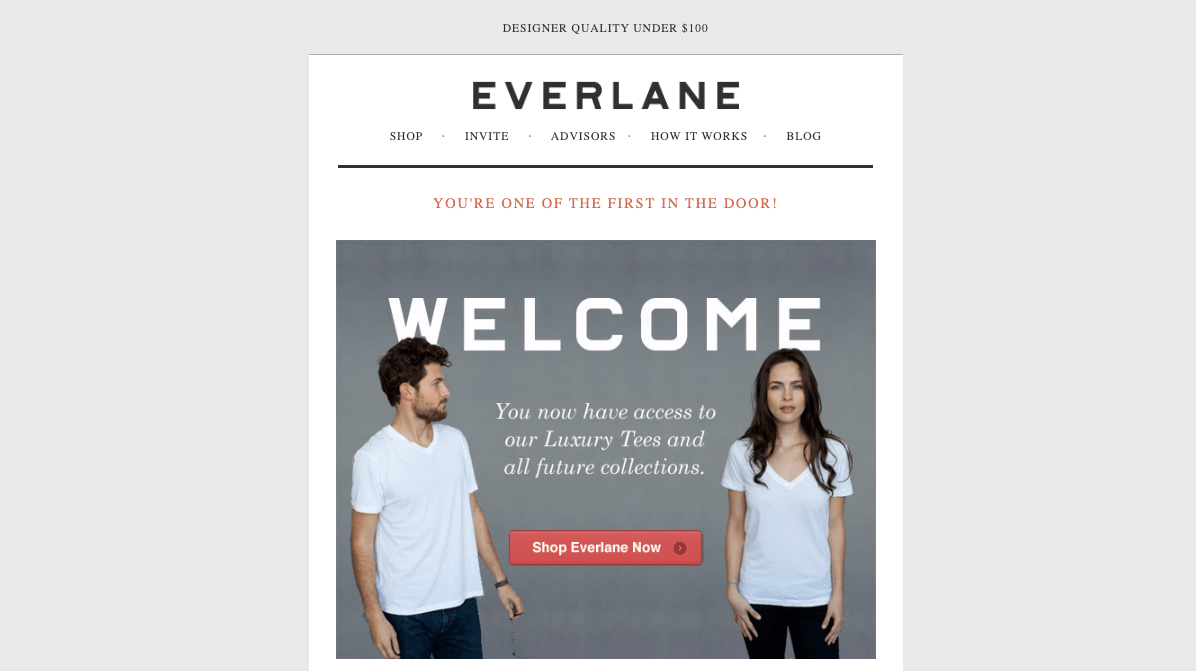
Everlane’s marketing strategy initially relied on a sense of curated exclusivity. Much like the early beta-testing phase of Gmail, prospective customers were required to join a waitlist or receive an invitation to shop. This tactic cultivated a loyal following among college students and young professionals who were increasingly disillusioned with the "throwaway" culture of fast-fashion giants like H&M and Zara.
Central to Everlane’s identity was its commitment to showing customers the "true cost" of their clothes. The company published infographics detailing the costs of materials, labor, and transport for each item, contrasting their prices with traditional retail markups. This approach resonated with a generation of consumers who believed that social and environmental change could be achieved through conscientious purchasing.
A Chronology of Everlane’s Evolution (2011–2025)
The trajectory of Everlane from a disruptive startup to a subsidiary of a global fast-fashion giant reflects broader trends in the global economy and the retail sector.
- 2011: Everlane launches with a focus on luxury-quality basics sold at non-luxury prices. The brand operates as a "branding exercise," prioritizing aesthetic and ethos over a vast product catalog.
- 2014–2016: The brand expands its offerings to include footwear, outerwear, and denim. It gains a cult following for its "Day Heel" and "Modern Loafer," solidifying its status as a staple for the professional millennial woman.
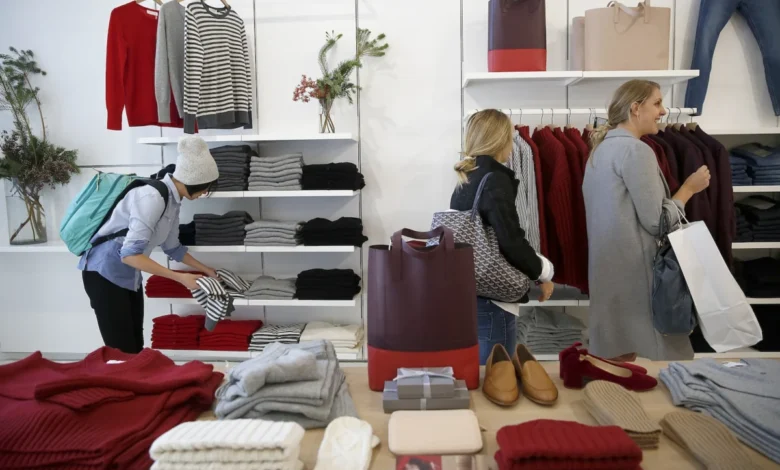
- 2017: Despite Preysman’s earlier insistence that the company would "never" open a physical store, Everlane debuts its first brick-and-mortar location in New York City’s SoHo neighborhood.
- 2018–2020: The company faces internal and external scrutiny. Reports of labor disputes and criticisms regarding its internal culture challenge the "Radical Transparency" narrative. During this period, the brand launches its "ReNew" collection, utilizing recycled plastic bottles, and its "Clean Silk" initiative.
- 2021: Everlane announces an ambitious roadmap to reach net-zero emissions by 2050 and to eliminate all virgin plastic from its supply chain.
- 2022: Michael Preysman steps down as CEO, moving into a Founder and Executive Chairman role. The company seeks new leadership to navigate a post-pandemic retail environment characterized by rising logistics costs and shifting consumer habits.
- 2024–2025: Following a period of financial restructuring under majority owner L Catterton, Everlane is sold to Shein.
The Sustainability Paradox: Data and Disclosures
Everlane’s sustainability efforts were among the most documented in the apparel industry. In its 2025 impact report, the company claimed to have reduced its Scope 1, 2, and 3 emissions by 60 percent since 2019. Furthermore, the report noted a 42 percent reduction in carbon emissions per individual product. The brand heavily promoted its use of Global Organic Textile Standard (GOTS) certified cotton and its transition to renewable energy sources in its key manufacturing hubs in Vietnam and China.
However, the acquisition by Shein highlights the inherent tension between environmental goals and the financial necessity of growth. Critics argue that even "better" consumption is still consumption. A 2025 study published in the Journal of Consumer Research found that shoppers who frequently buy from "sustainable" or secondhand sources do not necessarily reduce their overall consumption of new, virgin-resource-heavy clothing. Instead, sustainable options often act as a psychological "license" to continue shopping at high volumes.
Preysman himself acknowledged the limitations of the term "sustainability" in a 2021 interview with Forbes, stating, "Show me a fashion brand that claims it is sustainable, and I will show you a fashion brand that is not honest." This candid admission suggests that Everlane’s leadership was aware of the structural impossibilities of operating a truly sustainable business within a capitalist framework that demands perpetual expansion.
Shein: The Antithesis of the Everlane Ethos?
The sale to Shein has shocked industry observers primarily because of the vast ideological gulf between the two companies. Shein, the Singapore-based e-commerce titan, has been identified as the largest polluter in the fast-fashion sector. According to environmental data, Shein’s business model—which relies on producing up to 10,000 new items per day—is responsible for a significant portion of the textile industry’s carbon footprint.
Shein’s success is built on "ultra-fast fashion," a model that uses artificial intelligence to scan social media for emerging trends and translates them into manufactured goods within days. While Everlane focused on "timeless" basics intended to last years, Shein caters to "nanotrends" with a lifespan often measured in weeks.
The acquisition is viewed by some analysts as a strategic move by Shein to "greenwash" its reputation or to gain a foothold in the higher-margin, "ethical" consumer segment. Shein has recently attempted to improve its public image through influencer-led factory tours and the launch of a resale platform, though these efforts have been met with skepticism from environmental advocates who point to the company’s lack of transparency regarding its massive supply chain.
Industry Reactions and Economic Implications
The reaction from the fashion community has been one of collective disbelief. Laura Sherman, the fashion reporter who broke the story for Puck News, noted that the sale was driven by L Catterton, suggesting that financial pressures outweighed the brand’s founding mission. Michael Preysman publicly stated on LinkedIn that he found out about the sale "at the same time as everyone else," indicating a rift between the brand’s original visionary and its financial backers.
Industry experts suggest that Everlane’s fate is a cautionary tale for the DTC sector. Many brands that launched in the early 2010s with high valuations and ethical promises have struggled to maintain profitability as the cost of digital customer acquisition has skyrocketed. To survive, many have been forced to sell to larger conglomerates or private equity firms that prioritize the bottom line over social impact.
"The Everlane sale marks the end of the ‘Millennial Sustainability’ era," wrote a columnist for Vogue. "It proves that in the current market, the volume-based model of Shein is winning over the value-based model of the early 2010s."
Broader Impact and the Future of Retail
The acquisition of Everlane by Shein raises a critical question for the future of the planet: Can the apparel industry ever be sustainable if its primary metric for success is the volume of units sold?
As Everlane’s clothes increasingly appear on the racks of secondhand stores like Goodwill—often right next to discarded Shein items—the distinction between "good" brands and "bad" brands begins to blur. The environmental impact of a garment is determined not just by how it was made, but by how long it stays in use.
For the broader retail industry, this acquisition may signal a consolidation phase where "purpose-driven" brands are absorbed by "efficiency-driven" giants. While Everlane may continue to operate as a separate brand under the Shein umbrella, the "Radical Transparency" that once defined it will now be viewed through the lens of a parent company known for its opacity.
The move suggests that for a fashion brand to survive in the mid-2020s, it must either achieve the massive scale and technological efficiency of a Shein or find a way to operate entirely outside the traditional venture capital and private equity cycles—a path Michael Preysman has signaled he intends to take with his next venture. For consumers, the message is equally clear: the most sustainable garment is not the one with the best marketing, but the one that is never produced in the first place.