The Chevron Shadow: How Big Oil is Shaping the Future of California’s Chaotic Gubernatorial Race

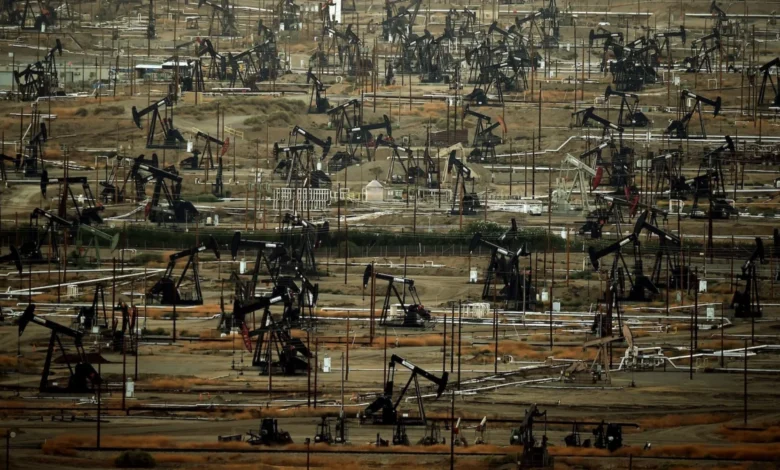
As California prepares for a pivotal transition in its executive leadership, the most influential figure in the state’s crowded and contentious gubernatorial race may not be found on a debate stage or in the halls of the state capitol in Sacramento. While outgoing Governor Gavin Newsom’s legacy and the potential return of Donald Trump to the federal stage loom large, the defining force of the 2026 election cycle is arguably Chevron. The multinational oil titan, founded in the Golden State over a century ago, has become the central protagonist in a high-stakes political drama that pits the state’s ambitious climate goals against the immediate economic realities of its residents.
Chevron remains one of the largest producers, refiners, and distributors of petroleum products in a state that is simultaneously the nation’s leader in electric vehicle (EV) adoption. This dual identity has turned the company into a political Rorschach test: to some, it is a "bad actor" strangling consumers through price gouging; to others, it is an essential pillar of an economy being suffocated by over-regulation. With the June 2 primary rapidly approaching, the company’s financial weight and its role in the state’s energy infrastructure have forced every major candidate to define their platform in relation to the "Big Oil" behemoth.
The Quote That Reshaped the Primary
The tension surrounding the industry reached a boiling point last month during an interview with the leading Democratic candidate, Xavier Becerra. The former California Attorney General and U.S. Secretary of Health and Human Services was questioned regarding Chevron’s significant financial contributions to his campaign. His response was unexpectedly blunt, sparking a firestorm among the progressive wing of the Democratic party.
"Chevron, that’s the problem with politics. They’re not the bad guy," Becerra stated. "Does everybody here drive an electric vehicle? You need Chevron. I need Chevron. My people of the state of California need Chevron… Chevron wants to give me a check, that’s—that’s their prerogative."
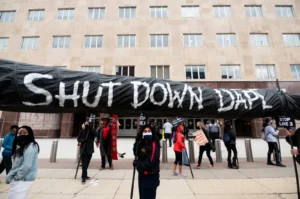
The phrase "I need Chevron" was immediately seized upon by Becerra’s opponents. Climate activists, led by actress Jane Fonda, released videos suggesting that Becerra’s "need" for Chevron was electoral rather than practical. Progressive billionaire Tom Steyer, Becerra’s primary Democratic rival, called for the return of the donations, accusing Becerra of "doing the bidding" of the oil industry. Representative Katie Porter, another high-profile Democrat in the race, distanced herself by emphasizing her record of refusing corporate PAC money from the fossil fuel sector.
Despite the political optics, Becerra’s statement reflects a stark logistical reality. California consumes approximately 13 billion gallons of gasoline annually. Due to the state’s unique environmental standards, this fuel must be a specific "California Grade" blend, which is produced by only a handful of refineries. Chevron operates two of the state’s six major refineries, accounting for roughly one-third of California’s total production. This concentration of infrastructure gives the company immense leverage over the state’s energy security.
The Economic Island: Why California Gas Prices Are Unique
To understand the political weight of Chevron, one must understand California’s "energy island" status. The state is not connected to the rest of the United States via interstate oil pipelines, meaning it must rely entirely on local production or tankers from abroad. When local refineries experience maintenance issues or shut down, prices spike because there is no immediate way to pipe in surplus fuel from Texas or the Midwest.
This isolation has led to the "mystery gasoline surcharge," a phenomenon that emerged in 2015 following a major refinery fire in Torrance. Even after accounting for California’s high taxes and environmental fees, consumers pay an average of $1 more per gallon than the rest of the country. A 2025 report by the California Energy Commission (CEC) concluded that the monopoly power held by a few large refiners, including Chevron, is likely the primary driver behind these sustained price gaps.
Governor Newsom spent much of his second term attempting to dismantle this power. His administration passed SB X1-2, which created an oil-focused watchdog agency and empowered the state to impose profit caps on refineries. These measures, along with multiple carbon taxes, have significantly compressed profit margins for refiners, leading to a deteriorating relationship between the state government and the oil industry.
A Chronology of Conflict: 2024–2026
The current crisis is the culmination of several years of escalating hostilities between Sacramento and the oil industry.
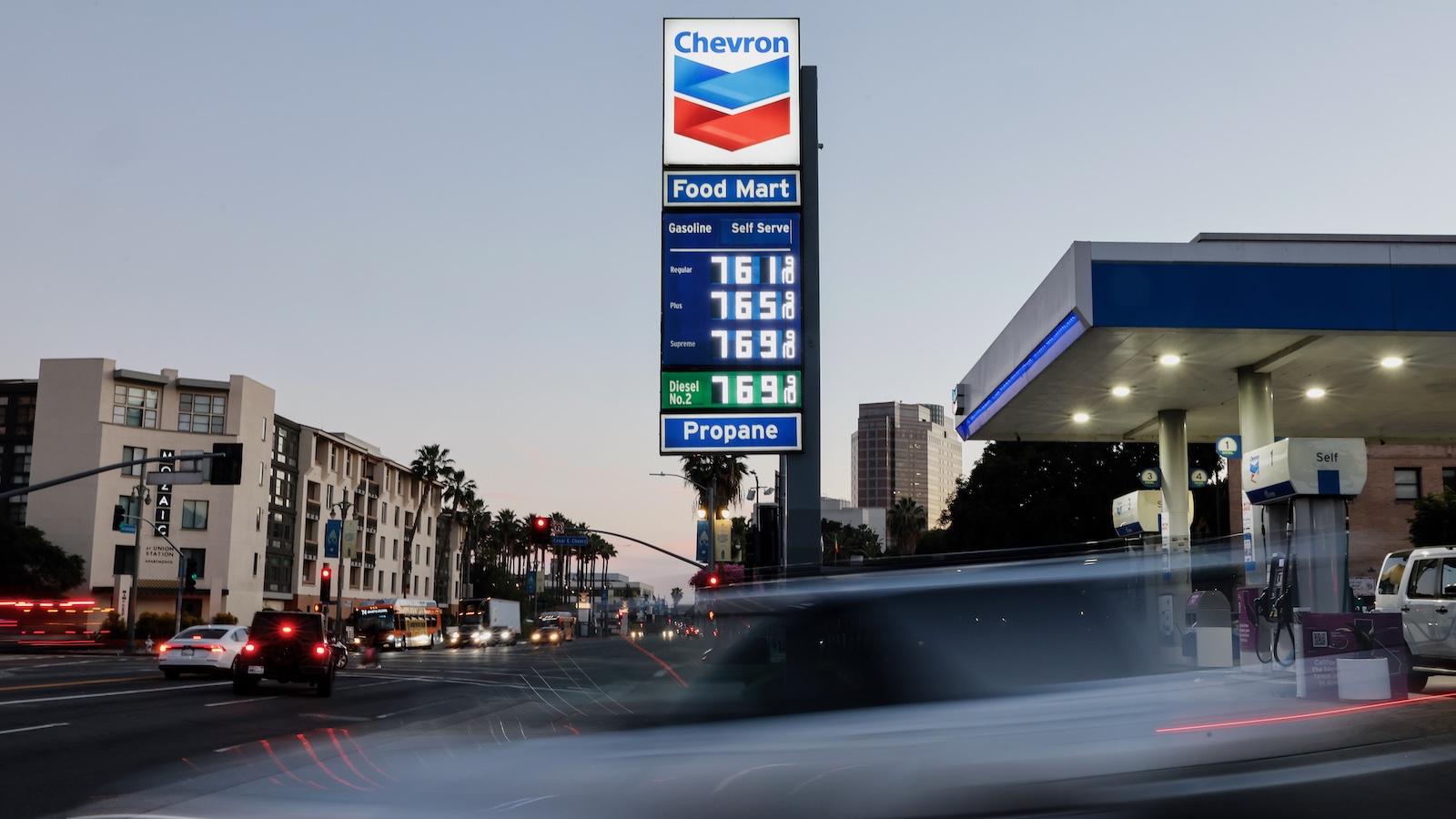
- August 2024: Chevron announces it is relocating its corporate headquarters from San Ramon, California, to Houston, Texas, citing a "difficult regulatory environment."
- October 2024: Phillips 66 announces the closure of its Wilmington refinery in Los Angeles, further tightening the state’s refining capacity.
- March 2025: Andy Walls, President of Chevron’s refinery business, writes an open letter to Governor Newsom, warning that proposed regulations will "cripple the survivability" of the state’s remaining refineries.
- Late 2025: The Newsom administration attempts a "grand bargain," easing some drilling rules in Kern County and delaying profit caps in exchange for a commitment from refiners to maintain minimum storage levels.
- January 2026: Tensions in the Middle East escalate, threatening the supply of crude oil through the Strait of Hormuz and highlighting California’s vulnerability as an importer of 60 percent of its oil.
- April 2026: Chevron and California Resources Corporation contribute over $1 million to committees supporting Xavier Becerra, marking Chevron’s first direct involvement in a gubernatorial race in over a decade.
The Transition Dilemma: Managed Decline vs. Sudden Collapse
The central challenge for the next governor will be managing the "managed decline" of the fossil fuel industry. California’s gasoline consumption has already dropped 15 percent from its 2004 peak, and with the state’s mandate to end the sale of new internal combustion engine vehicles by 2035, demand is projected to fall by half over the next two decades.
"It’s messy," says Emily Grubert, a civil engineer and sociologist at Notre Dame who has advised the state on its energy transition. "As soon as you realize that actually transitioning away from fossil fuels means you have to close things, people get really freaked out."
Grubert argues that a smooth transition is impossible without a centralized coordinating function. If the state allows refineries to close one by one in an uncoordinated fashion, it risks creating massive price spikes and fuel shortages for the millions of Californians who cannot yet afford or access electric vehicles.
A recent, overlooked report from the California Energy Commission suggested radical options for the next administration, including "legal obligations to operate," "centralized planning of closures," and even "direct state management or ownership of assets." Such policies would represent a historic shift toward state intervention in the private energy market, a move that would likely trigger years of litigation from companies like Chevron.
Candidate Strategies: Conciliation vs. Confrontation
The leading candidates offer two starkly different paths for handling this transition.
Xavier Becerra has positioned himself as a pragmatist. While he acknowledges the need for decarbonization, his campaign focuses on "affordability and reliability." By accepting oil industry support, Becerra is betting that voters—particularly working-class and Latino families—are more concerned about the price of gas today than the climate targets of 2045. Political strategist Mike Madrid notes that this approach resonates with a specific demographic: "Young Latino working-class men are the demographic most affected by gas prices. Do you think they’re saying we need to get rid of Chevron? Of course not."
Tom Steyer, conversely, has made his opposition to Big Oil the centerpiece of his campaign. He has proposed activating refinery profit caps immediately, taxing private jet fuel, and creating a state-run oil reserve to buffer against price shocks. However, Steyer has faced scrutiny over his own past; the hedge fund he founded, Farallon Capital, was a major financier of coal projects in Asia. While Steyer says he no longer profits from those investments, the connection provides fodder for his critics.
Steve Hilton, the leading Republican in the race, represents a third path: total deregulation. Hilton argues that California’s high prices are entirely a "self-inflicted wound" caused by Newsom’s climate policies. He has vowed to repeal the state’s carbon taxes and streamline drilling permits to restore California’s energy independence.
Broader Impact and Global Implications
The outcome of the June primary and the subsequent general election will have implications far beyond California’s borders. As the world’s fifth-largest economy, California serves as a laboratory for climate policy. If the state can successfully manage the decline of its oil industry without triggering an economic crisis, it will provide a roadmap for other industrialized nations. If it fails, resulting in blackouts or $10-per-gallon gasoline, it could provide a cautionary tale that halts global climate progress.
The role of Chevron in this race underscores the difficulty of decoupling a modern economy from fossil fuels. Even as the state surpases 2.5 million ZEV sales, the physical infrastructure of the 20th century remains the backbone of daily life. The next governor will not just be a political leader, but a "coordinator of decline," tasked with the delicate job of keeping the lights on and the cars moving while simultaneously dismantling the very industry that makes it possible.
As the primary date nears, the "Chevron Shadow" remains long. Whether the voters choose Becerra’s path of conciliation or Steyer’s path of confrontation, the reality remains: the transition to a green future must pass through the very refineries the state is trying to leave behind. If Chevron’s recent political investments are any indication, the company has no intention of going quietly into the night.