Colonization and Climate Change in Aotearoa New Zealand: The 2026 National Risk Assessment and the Path Toward Māori-Led Adaptation


Aotearoa New Zealand is facing a transformative period in its environmental history as record-breaking storms, rising sea levels, and catastrophic flooding increasingly threaten the nation’s infrastructure and social fabric. However, a landmark government report has identified that these environmental hazards do not affect all populations equally. The 2026 National Climate Change Risk Assessment, a comprehensive analysis of the country’s vulnerability to a warming planet, has concluded that the legacies of colonization have significantly intensified the climate risks faced by Māori communities. By pushing Indigenous populations to the geographic and economic margins over the course of 150 years, colonial policies have created a framework of systemic vulnerability that now compounds the physical threats of climate change.
The 2026 assessment is a multi-volume work composed of four primary reports, including a specialized companion document dedicated exclusively to Māori interests, land, and culture. This specific report argues that climate change is not merely an environmental phenomenon but a socio-political one that is likely to deepen existing inequities. These inequities are the direct result of historical land alienation, exclusion from high-level decision-making processes, and a chronic lack of investment in Māori-owned infrastructure and services. The report suggests that without a fundamental shift in how the state approaches climate adaptation, the Indigenous people of Aotearoa will continue to bear a disproportionate burden of the coming environmental crises.
The Historical Context of Marginalization
To understand the current climate risk profile for Māori, it is necessary to examine the historical trajectory of land ownership and settlement in New Zealand. Following the signing of the Treaty of Waitangi in 1840, an aggressive process of colonization led to the large-scale transfer of fertile, well-protected lands to the Crown and private settlers. Māori were frequently relocated to "marginal" lands—areas more prone to erosion, flooding, and isolation.
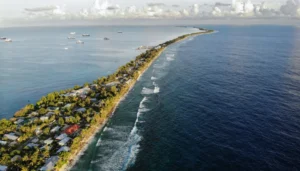
Paora Tapsell, a member of Ngāti Whakaue and Ngāti Raukawa and the director of the Kāika Institute of Climate Resilience at Lincoln University, notes that this was an intentional and "aggressive" process. For more than a century and a half, Māori communities have been forced into geographic positions that are now the front lines of climate change. When sea levels rise or river systems swell, it is often these marginalized ancestral lands that are the first to be submerged or washed away. This geographic displacement is now being met with a new era of "climate-driven displacement," where the very places Māori were forced to inhabit are becoming uninhabitable.
The Seven Interconnected Risk Areas
The 2026 assessment identifies seven interconnected risk areas that span environmental, cultural, and economic domains. These risks are not isolated; rather, they form a web of compounding impacts that can overwhelm a community’s ability to recover.
- Ecosystems and Biodiversity: The loss of protected endemic species is cited as a primary concern. For Māori, biodiversity is tied to mahinga kai (traditional food gathering) and the Maramataka (the Māori lunar calendar). As species disappear or migration patterns shift due to warming oceans and forests, the traditional knowledge systems used to navigate the seasons are rendered less effective.
- Cultural Heritage and Identity: Rising tides and increased erosion threaten marae (tribal meeting grounds) and urupā (burial sites). Many of these sites are located near the coast or riverbeds. The report warns that the destruction of these sites leads to "cultural fragmentation," as the physical anchors of ancestral lineage are lost.
- Economic Resilience: The Māori economy, valued at approximately $70 billion, is heavily invested in primary industries such as forestry, farming, aquaculture, and horticulture. These sectors are highly sensitive to climate volatility. Droughts in the East Coast or acidified waters in the south directly impact Māori-owned enterprises that lack the capital reserves of larger multinational corporations.
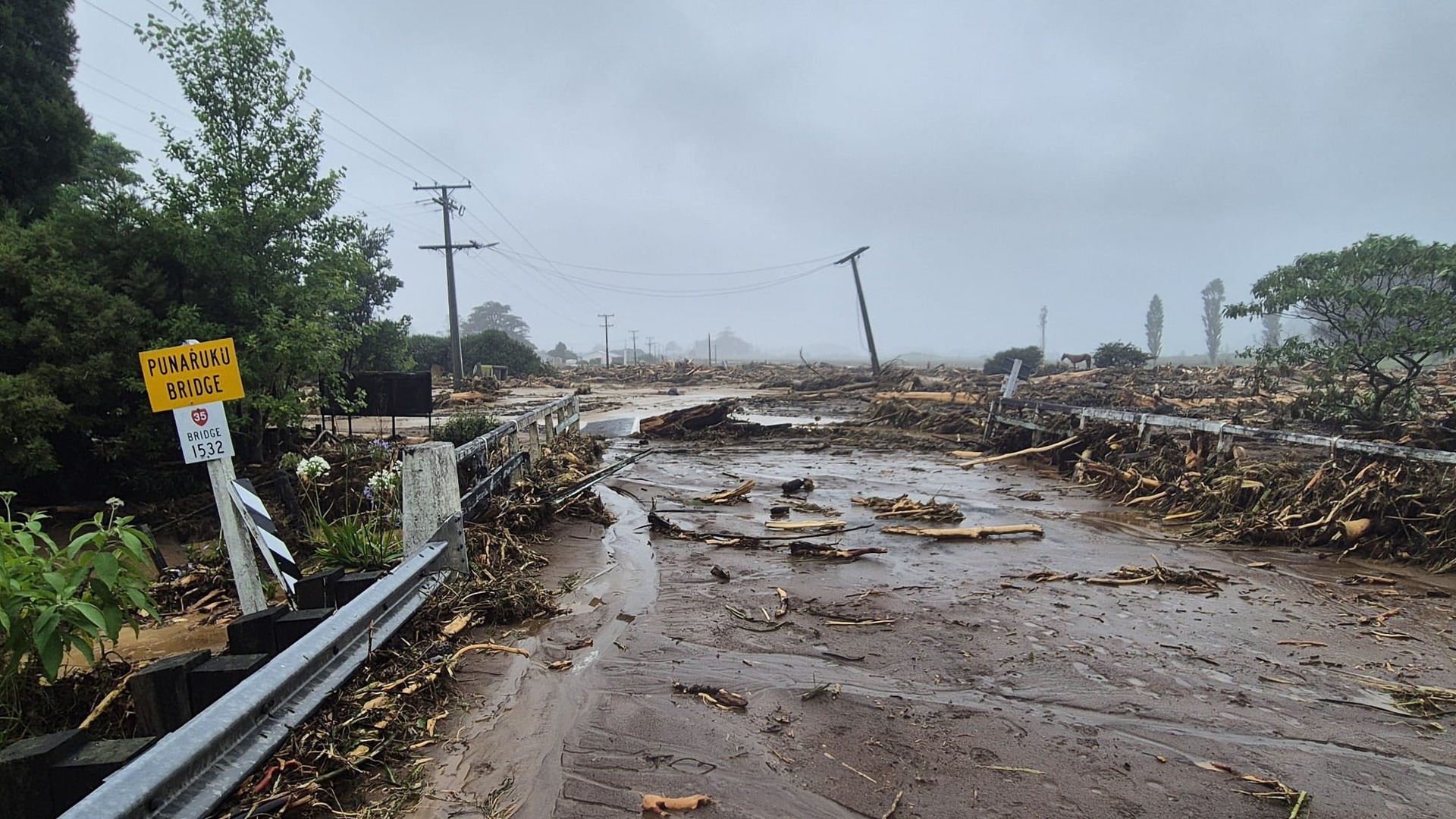
- Infrastructure and Housing: Many kāinga (Māori settlements) are serviced by "last-mile" infrastructure—roads and bridges that are the first to fail during extreme weather and the last to be repaired.
- Human Health: Climate change exacerbates existing health disparities. Heatwaves and the spread of new pathogens place additional stress on Māori health providers who are already operating with fewer resources.
- Intergenerational Knowledge: The report emphasizes that as communities are displaced, the "transmission of language, customary practices, and lineage relationships" is disrupted. If the youth are forced to move to urban centers for safety or work, the chain of oral history is broken.
- Governance and Authority: Perhaps the most critical risk is the continued exclusion of Māori from the rooms where climate policy is written. The assessment describes "governance failure" as a major risk multiplier.
A Global Pattern of Indigenous Vulnerability
The findings in Aotearoa New Zealand are part of a growing international consensus regarding the intersection of colonization and climate change. The 2026 report follows similar findings in other nations with colonial histories. In 2023, the United States’ Fifth National Climate Assessment explicitly stated that land theft and historical colonial policies had exacerbated the climate crisis for Indigenous tribes, often forcing them onto lands with limited water rights or high exposure to wildfires.
Similarly, Australia’s 2022 State of the Environment report, which featured an Indigenous lead author for the first time, concluded that Aboriginal and Torres Strait Islander peoples were disproportionately impacted by extreme weather events. These reports collectively highlight a global trend: Indigenous peoples, who have contributed the least to global carbon emissions, are the most vulnerable to the consequences and are frequently excluded from the financial mechanisms intended to fight the crisis. Despite these documented findings, Indigenous leaders globally maintain that national governments are failing to translate these reports into meaningful, well-funded policy changes.
Recent Climate Events as a Catalyst for Change
The urgency of the 2026 assessment is underscored by New Zealand’s recent history of severe weather. The nation recently navigated one of its most active weather seasons on record, including the devastating Auckland Anniversary floods and Cyclone Gabrielle in 2023. During these events, multiple states of emergency were declared.
A significant observation from these disasters was the role of Māori communities as first responders. Shaun Awatere, of Ngāti Porou and the lead author of the companion report, pointed out that marae across the country became hubs for emergency housing, food distribution, and emotional support, often before official government aid could reach isolated areas. "The report accurately acknowledges that many kāinga, despite their relative impoverishment, are still willing first responders on the front line," Awatere stated. However, he noted that this reliance on Māori goodwill is not a sustainable adaptation strategy if those same communities are not given the resources to protect their own homes.
Economic and Structural Implications
The economic vulnerability of Māori enterprises is a focal point of the report’s warnings. Without structural reform, the assessment suggests that the "wealth gap" between Māori and non-Māori will widen as climate impacts intensify. Māori-owned land is often held under collective titles, which can make it more difficult to secure traditional bank loans for adaptation projects like sea walls or irrigation systems.
Furthermore, the report highlights that "climate events do not arrive one at a time." Awatere explained that the compounding nature of these harms is what makes them so destructive. A single storm can flood a road, which then prevents access to a marae, which then disrupts a funeral service, while simultaneously eroding the land used for mahinga kai. This "cascading failure" means that the cost of recovery is often higher for Māori communities than for urban centers with redundant infrastructure.
The Path Forward: Māori-Led Adaptation
To mitigate these risks, the 2026 National Climate Change Risk Assessment calls for a paradigm shift toward Māori-led adaptation. This approach is based on several key pillars:
- Indigenous Data Sovereignty: Ensuring that Māori have control over the data collected about their lands and people, and that this data is used to benefit the community rather than just the state.
- Tikanga-Based Policy: Grounding climate strategies in tikanga (Māori customs and values), which prioritize long-term kaitiakitanga (guardianship) over short-term economic gain.
- Treaty Obligations: The report reminds the government of its obligations under the Treaty of Waitangi (Te Tiriti o Waitangi), the nation’s founding document. The Treaty guarantees Māori "te tino rangatiratanga" (full authority) over their lands and treasures. The report argues that current climate planning often fails to uphold this constitutional partnership.
The assessment concludes that Māori knowledge is not just a cultural asset but a practical tool for survival. Indigenous knowledge systems have tracked environmental changes over centuries, and incorporating this "deep time" perspective into modern climate modeling could provide more robust solutions for all New Zealanders.
The central question remaining for the New Zealand government is whether the evidence presented in the 2026 assessment will lead to a redistribution of resources and decision-making power. As Shaun Awatere suggested, the future of Aotearoa depends on whether adaptation plans will finally reflect the reality of those on the front lines, or whether Māori communities will be left to carry a disproportionate risk of harm in a rapidly changing world. The report serves as both a warning and a roadmap, suggesting that the only way to build true national resilience is to address the historical injustices that made certain communities vulnerable in the first place.