Stanford Palo Alto Housing Plans

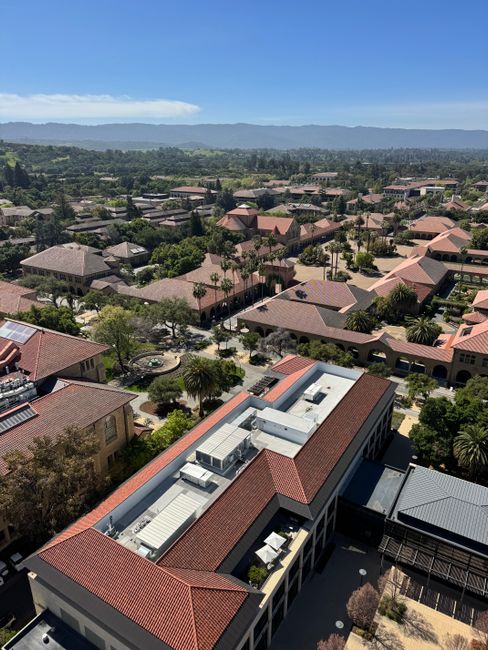
Stanford Palo Alto Housing Plans: Navigating the Complex Landscape of Development and Community Impact
Stanford University’s proposed housing plans in Palo Alto represent a critical intersection of academic expansion, community needs, and the ever-present challenge of housing affordability in the Bay Area. These plans, often involving the development of new residential units on university-owned land within or adjacent to Palo Alto city limits, are subject to extensive review, public scrutiny, and intricate planning processes. Understanding the nuances of these proposals requires delving into the motivations behind them, the specific projects under consideration, the environmental and infrastructural considerations, and the significant community dialogue that inevitably surrounds such ambitious endeavors.
The core driver behind Stanford’s housing initiatives is multi-faceted, stemming primarily from its mission to attract and retain top-tier faculty and staff. The high cost of living in Palo Alto and surrounding communities presents a significant barrier to recruitment and retention. Without adequate and affordable housing options, the university struggles to compete with other leading institutions and industries in the region, impacting its research capabilities and educational excellence. Furthermore, the university’s own growth, both in terms of student enrollment and the expansion of its research enterprise, necessitates a corresponding increase in housing for those who comprise its academic and operational backbone. These housing plans are not merely about accommodating more people; they are strategic investments in the university’s long-term viability and its ability to fulfill its academic mission. The proximity of housing to the campus also aims to reduce commute times, improve work-life balance for employees, and foster a more integrated university community, thereby enhancing the overall campus experience and its ability to attract and retain a diverse and talented workforce.
Specific housing proposals from Stanford often focus on parcels of land the university owns, which can be within the city of Palo Alto, unincorporated Santa Clara County areas bordering Palo Alto, or even on the main Stanford campus itself, with implications for Palo Alto’s housing stock and infrastructure. These projects typically involve a mix of housing types, including apartments, townhouses, and potentially single-family homes, designed to cater to a range of income levels and household sizes. The scale of these developments can vary significantly, from smaller infill projects to more substantial community-building initiatives. For instance, past and potential future projects might include the development of new neighborhoods with dedicated amenities like parks, community centers, and retail spaces, designed to create self-sustaining environments that reduce the reliance on external resources and enhance the quality of life for residents. The zoning regulations and land-use policies of both the City of Palo Alto and Santa Clara County play a pivotal role in shaping the feasibility and scope of these projects, requiring careful negotiation and adherence to established planning frameworks.
Environmental considerations are paramount in the planning and approval of any new housing development, and Stanford’s proposals are no exception. The university is subject to stringent environmental review processes, including the California Environmental Quality Act (CEQA), which mandates the assessment of potential impacts on air quality, water resources, traffic, biological habitats, historical resources, and noise levels. Mitigation measures are often required to address identified environmental concerns, which can include the preservation of open space, the implementation of water conservation strategies, the promotion of public transportation and alternative modes of transit, and the protection of sensitive ecological areas. The university’s commitment to sustainability also influences the design and construction of new housing, with an emphasis on energy efficiency, the use of green building materials, and the integration of renewable energy sources. Furthermore, the potential impact on the local ecosystem, including the presence of protected species and the maintenance of natural habitats, is a significant aspect of the environmental review.
The infrastructural impact of new housing developments is another critical area of examination and negotiation. The addition of hundreds or even thousands of new residents directly affects existing infrastructure, including roads, public transportation, water and sewer systems, and utility services. Traffic congestion is a perennial concern in Palo Alto and the surrounding region, and any significant increase in population will inevitably place additional demands on the existing road network. This often necessitates a comprehensive traffic impact analysis and the development of mitigation strategies, such as road improvements, the enhancement of public transit services, and the promotion of carpooling and ride-sharing programs. Similarly, the capacity of water and wastewater treatment facilities must be assessed, and upgrades or new infrastructure may be required to accommodate the increased demand. The university often collaborates with local agencies and utility providers to ensure that necessary infrastructure upgrades are planned and funded in conjunction with the housing development. This can involve shared responsibilities for the construction and maintenance of new infrastructure, ensuring that the community’s essential services can support the growing population without degradation.
Community engagement and dialogue are indispensable components of Stanford’s housing planning process. Given the significant impact these developments can have on the existing community, extensive public outreach and consultation are undertaken. This typically involves public hearings, community workshops, and the establishment of advisory committees to gather feedback from residents, local businesses, and other stakeholders. Concerns often raised by the community include traffic impacts, strain on public services, the preservation of neighborhood character, and the potential for increased housing costs in the surrounding areas. Stanford, in turn, endeavors to address these concerns through open communication, responsiveness to feedback, and the incorporation of community input into the project designs and mitigation plans. The goal is to foster a collaborative approach that seeks to balance the university’s housing needs with the broader interests and concerns of the Palo Alto community. This dialogue can be lengthy and complex, involving multiple rounds of revisions and negotiations to arrive at mutually acceptable solutions that address the diverse perspectives of all involved parties.
The financial aspects of Stanford’s housing plans are also a significant consideration. The university bears the cost of land acquisition, planning, design, and construction, which can be substantial in the Bay Area. These developments are often financed through a combination of the university’s endowment, debt financing, and potentially private investment. The affordability of the housing units themselves is a key objective, with the university often aiming to provide a range of price points to accommodate different income levels among its employees. This can involve offering rental units, condominiums, or even opportunities for homeownership, with various subsidy programs or partnerships to make housing more accessible. The economic impact of these developments extends beyond the university, as they can stimulate local economies through job creation during the construction phase and ongoing resident spending. However, the potential for increased property values and rents in the surrounding areas is also a concern that needs to be carefully managed through thoughtful planning and community-focused strategies.
The regulatory framework governing Stanford’s housing developments is complex, involving multiple layers of government oversight. In addition to CEQA, projects must comply with zoning ordinances, building codes, and land-use plans established by the City of Palo Alto and Santa Clara County. The university may also need to secure permits and approvals from various state and federal agencies, depending on the nature and location of the proposed development. The approval process can be lengthy and iterative, requiring extensive documentation, environmental impact reports, and public review periods. Negotiating these regulatory hurdles is a critical step in bringing housing projects to fruition, and often involves close collaboration with city and county planning departments. The university’s ability to successfully navigate these regulations is contingent upon its proactive engagement with regulatory bodies and its commitment to meeting or exceeding established standards.
The long-term vision for Stanford’s housing development is tied to its strategic goals for growth and its commitment to being a vibrant and sustainable academic institution. As the university continues to evolve and expand its research and educational endeavors, the need for housing for its growing community will persist. Future plans may involve further development on existing university-owned land, or the exploration of innovative housing solutions that address the unique challenges of the Bay Area. The emphasis on creating integrated communities that offer a high quality of life, promote sustainability, and foster a strong sense of belonging will likely continue to guide these efforts. The ongoing evolution of these plans reflects a dynamic process of adaptation to changing needs, technological advancements, and the ever-present imperative to balance growth with responsible community development and environmental stewardship. The success of these endeavors will ultimately be measured not only by the number of housing units built but also by their contribution to the well-being of both the Stanford community and the broader Palo Alto region.


