Self Driving Startup Nuro Raises 106 Million At Lower Valuation 2

Nuro Raises $106 Million at Lower Valuation, Navigating the Autonomous Delivery Landscape
Nuro, a prominent player in the autonomous delivery vehicle sector, has successfully secured $106 million in its latest funding round. This investment, however, arrives with a notable adjustment in valuation, signaling a recalibration within the competitive and capital-intensive self-driving industry. While specific valuation figures are not always publicly disclosed with precision, industry reports and market analyses indicate that Nuro’s valuation in this round is lower than previous funding rounds. This strategic move by Nuro reflects a broader trend in the venture capital landscape, where a greater emphasis is being placed on demonstrable profitability and sustainable business models, particularly for companies operating in nascent and technologically complex fields like autonomous driving. The $106 million infusion, though substantial, underscores the ongoing need for capital in developing and scaling autonomous vehicle technology, while also highlighting the increased scrutiny investors are applying to future growth projections and the path to commercial viability.
The implications of this funding round at a potentially reduced valuation are multifaceted. For Nuro, it signifies a pragmatic approach to securing the necessary resources for continued research and development, fleet expansion, and operational scaling. It suggests a willingness to accept a more conservative valuation in exchange for essential capital, a prudent decision in an environment characterized by fluctuating market sentiment and a growing demand for tangible returns. This move could also be interpreted as a strategic decision to extend its runway and focus on achieving key operational milestones that will bolster its valuation in future rounds. The company’s ability to attract significant funding, even at a potentially lower valuation, speaks to its underlying technological capabilities, established partnerships, and the inherent market potential of autonomous last-mile delivery.
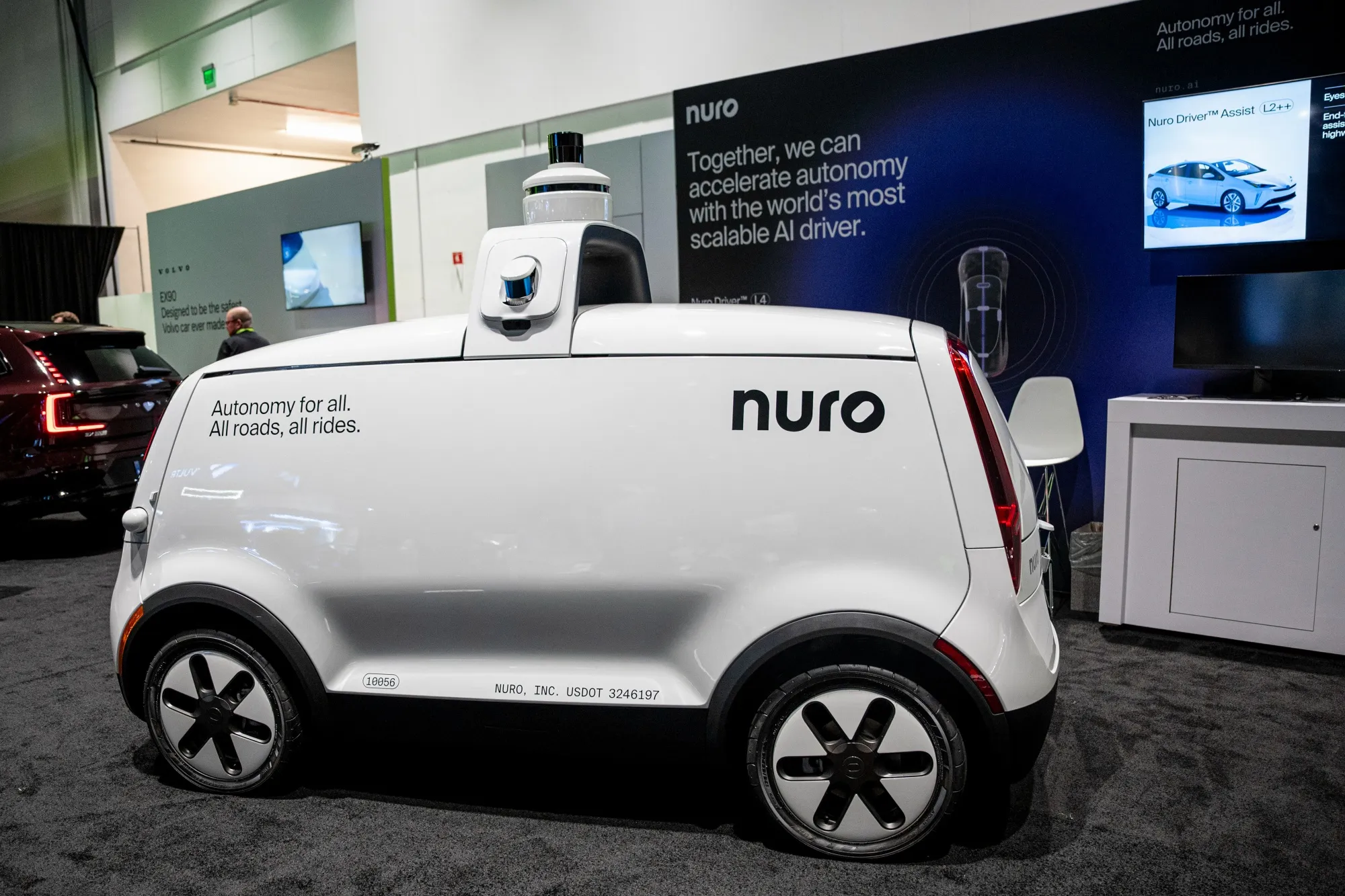
Nuro’s core business revolves around the development and deployment of autonomous delivery vehicles designed specifically for transporting goods, not passengers. Their flagship vehicle, the R2, is a purpose-built, driverless electric vehicle that operates at low speeds on public roads. This distinct focus differentiates Nuro from many other autonomous vehicle startups that initially prioritized passenger transport. The R2 is designed to be compact, agile, and safe, with features like advanced sensor suites, redundant braking systems, and a protected cargo bay. The company has been actively engaged in pilot programs and commercial deployments with various partners, including grocery retailers, restaurants, and pharmaceutical companies, demonstrating the practical application and demand for its services. These real-world deployments are crucial for generating revenue, gathering valuable operational data, and proving the efficacy of their technology.
The autonomous delivery market is rapidly evolving, driven by several key factors. The burgeoning e-commerce sector, accelerated by recent global events, has created an insatiable demand for efficient and cost-effective last-mile delivery solutions. Traditional delivery methods, often reliant on human drivers, face challenges related to labor shortages, rising fuel costs, and the inherent inefficiencies of urban logistics. Autonomous delivery vehicles offer a compelling alternative, promising reduced operational costs, increased delivery speed, and enhanced safety. Nuro is strategically positioned to capitalize on this growing market, offering a unique solution that addresses these pain points. Their technology is not only about replacing human drivers but also about re-imagining the entire delivery process, making it more streamlined and accessible.
However, the path to widespread adoption of autonomous delivery is not without its hurdles. Regulatory frameworks for autonomous vehicles are still in their nascent stages and vary significantly across different jurisdictions. Obtaining permits and navigating these evolving regulations is a complex and time-consuming process. Furthermore, public perception and acceptance of driverless vehicles on public roads remain a critical factor. Accidents, even those not involving autonomous vehicles, can significantly impact public trust and accelerate regulatory scrutiny. Nuro, like other companies in this space, must not only perfect its technology but also actively engage in building public confidence and advocating for supportive regulatory environments.
The competitive landscape in autonomous delivery is increasingly crowded. While Nuro has carved out a distinct niche with its goods-only vehicles, it faces competition from established automotive manufacturers exploring autonomous solutions, other dedicated AV startups, and even existing logistics companies developing their own in-house capabilities. Companies like Waymo (part of Alphabet), Aurora, and Zoox (acquired by Amazon) are also investing heavily in autonomous technology, though their primary focus may differ. The race to achieve commercial scale and profitability is intense, requiring continuous innovation, strategic partnerships, and efficient capital management.
Nuro’s $106 million funding round, while at a potentially lower valuation, is a testament to the company’s progress and the enduring belief in the long-term potential of autonomous delivery. This funding will likely be allocated to several critical areas. Firstly, continued investment in research and development is paramount to refine their autonomous driving software, enhance sensor technology, and improve the overall performance and safety of their vehicles. Secondly, scaling their operational footprint is crucial. This involves expanding their delivery zones, increasing the size of their vehicle fleet, and optimizing their logistics and operational infrastructure. Building out charging networks and maintenance facilities will also be essential as their fleet grows. Thirdly, forging and strengthening strategic partnerships will be key to unlocking new markets and securing broader adoption. Collaborations with retailers, food service providers, and other businesses that rely on last-mile delivery are vital for Nuro’s growth trajectory.
The valuation adjustment in this funding round can be viewed through the lens of evolving investor expectations. In the early stages of autonomous vehicle development, investors were often willing to support companies with aggressive growth projections, prioritizing technological breakthroughs and market capture over immediate profitability. However, as the industry matures and the challenges of commercialization become more apparent, there is a growing demand for companies to demonstrate a clear path to profitability and sustainable business models. This shift can lead to more conservative valuations for companies that are still in the development and early deployment phases. For Nuro, this might mean a greater emphasis on optimizing unit economics, demonstrating efficient operational costs, and proving the long-term economic viability of their autonomous delivery service.
The significance of this funding for Nuro cannot be overstated. It provides the essential capital needed to navigate the complex and capital-intensive journey of bringing autonomous delivery to scale. The company’s ability to secure this funding, even with a recalibrated valuation, highlights its resilience and the underlying strength of its business proposition. In a market that demands both technological innovation and economic prudence, Nuro’s latest funding round signals a strategic pivot towards a more focused and sustainable growth strategy. The company’s ongoing efforts in pilot programs and commercial deployments, coupled with this renewed financial backing, will be critical in shaping its future success and its contribution to the evolving landscape of autonomous logistics. The focus now will likely be on translating this capital into tangible operational achievements, expanding their reach, and solidifying their position as a leader in the autonomous delivery revolution.