Refugee Arrivals Bay Area California
Refugee Arrivals Bay Area California: Navigating Resettlement and Integration
The San Francisco Bay Area, a region renowned for its economic dynamism and progressive social policies, has long served as a destination for individuals seeking refuge from persecution, conflict, and disaster. Refugee arrivals in the Bay Area represent a complex interplay of international humanitarian efforts, federal resettlement policies, and the unique socio-economic landscape of Northern California. Understanding the scope, challenges, and integration processes associated with these arrivals is crucial for both the refugee population and the host communities. This article will delve into the multifaceted aspects of refugee resettlement in the Bay Area, examining the demographics of arriving populations, the services available, the economic and social impacts, and the policy considerations that shape their experiences.
The United States, through its Refugee Admissions Program, admits individuals who have been displaced from their home countries and meet the definition of a refugee under U.S. law. These individuals are often referred by the United Nations High Commissioner for Refugees (UNHCR) or through specific diplomatic channels. Once approved for resettlement, they are assigned to designated resettlement agencies across the country, many of which are located in urban and suburban areas with existing immigrant communities and established support networks. The Bay Area, with its diverse population and historical role as a welcoming gateway, has consistently received a significant number of refugee arrivals. Federal agencies, such as the U.S. Department of State’s Bureau of Population, Refugees, and Migration (PRM), fund and oversee this process, working in conjunction with non-governmental organizations (NGOs) on the ground to provide initial resettlement services.
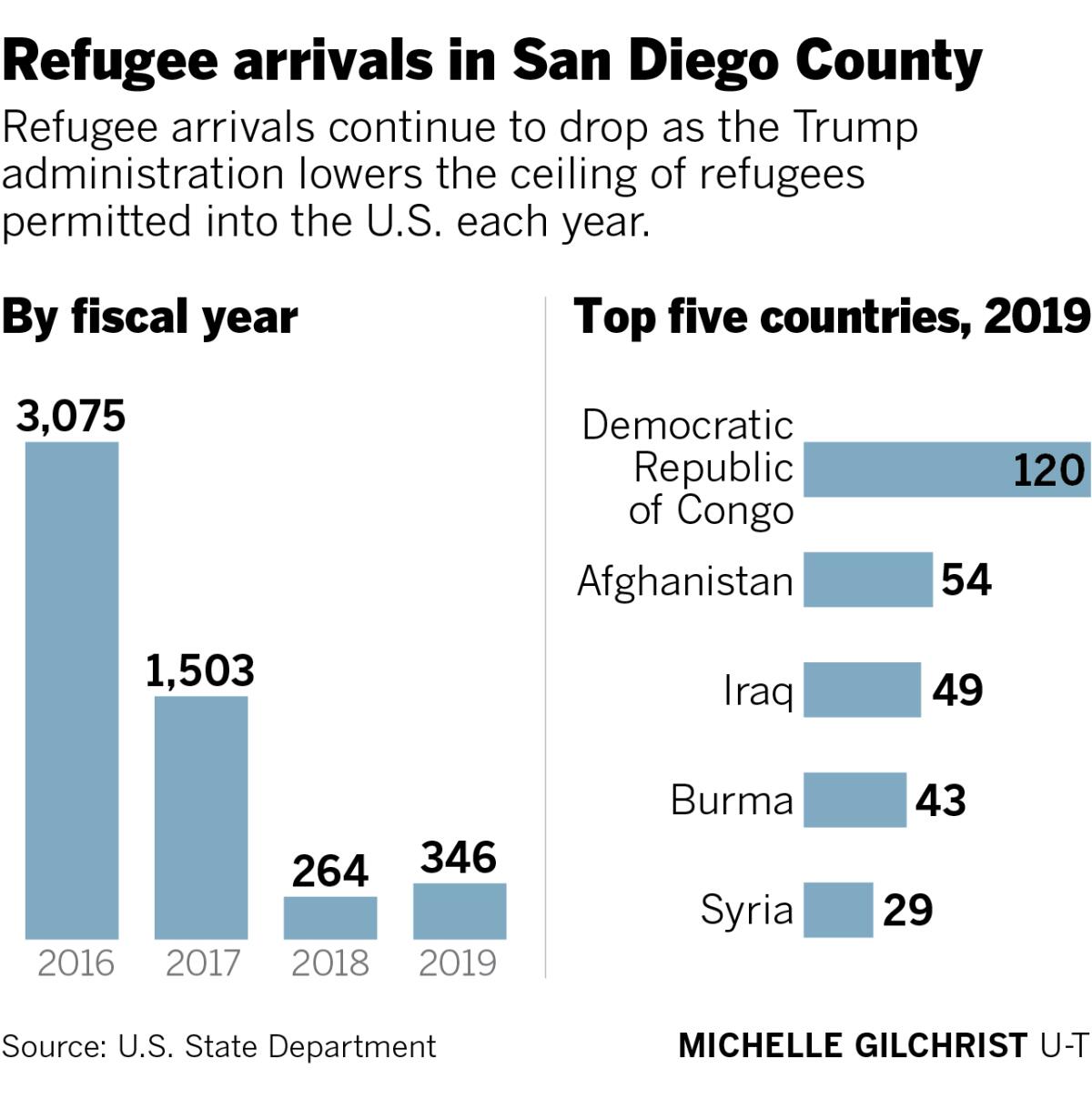
Demographically, refugee arrivals in the Bay Area are a diverse group, reflecting global displacement trends. Historically, populations from Southeast Asia, particularly Vietnam, Cambodia, and Laos, formed a substantial portion of early refugee waves. In more recent decades, arrivals have included individuals from Afghanistan, Syria, Iraq, the Democratic Republic of Congo, Venezuela, and Ukraine, among others. The specific nationalities and ethnic backgrounds of refugees admitted to the Bay Area fluctuate based on global events, U.S. foreign policy, and the capacity of resettlement agencies. Language proficiency, cultural backgrounds, and religious affiliations vary widely, presenting a complex mosaic of needs and integration pathways. For instance, an Afghan family fleeing political instability will have distinct immediate needs and long-term integration challenges compared to a Congolese family escaping ethnic violence. These differences necessitate tailored support services and a nuanced understanding of each group’s specific context.
Upon arrival, refugees are typically met at the airport by representatives of their assigned resettlement agency. The initial period of resettlement, often referred to as the "initial resettlement phase," is critical and typically lasts for 90 days, though support often extends beyond this timeframe. During this crucial period, agencies focus on providing immediate necessities and essential services. This includes securing safe and affordable housing, which is a significant challenge in the high-cost Bay Area housing market. Refugees are often placed in apartments or houses, with initial rent assistance provided by the federal government. Agencies assist with furnishing the homes, often through donations from community members and organizations. Essential household items, including furniture, kitchenware, and bedding, are vital for establishing a semblance of normalcy.
Beyond housing, resettlement agencies facilitate access to basic necessities and legal status. This involves assisting refugees in obtaining Social Security cards, which are essential for employment and accessing public benefits. They also help with initial medical screenings and enrollment in health insurance programs, addressing immediate health concerns and establishing ongoing healthcare access. Navigating the U.S. healthcare system, which can be complex and costly, is a significant hurdle. Language barriers often compound these challenges, requiring the provision of interpreters and culturally sensitive health education. Furthermore, resettlement agencies guide refugees through the process of applying for public benefits, such as Temporary Assistance for Needy Families (TANF) or Supplemental Nutrition Assistance Program (SNAP), if they are eligible.
Education is a cornerstone of refugee integration. For refugee children, the priority is enrollment in local public schools. Resettlement agencies work closely with school districts to ensure that children receive appropriate educational support, including English as a Second Language (ESL) programs. This transition can be particularly challenging, as refugee children may have experienced interrupted schooling, trauma, or different educational systems. Beyond formal schooling, adult refugees are offered English language classes, which are paramount for economic self-sufficiency and social integration. These classes are offered at various proficiency levels and are often held at community centers, libraries, or agency offices. The ability to communicate effectively in English is a direct determinant of a refugee’s ability to secure employment, engage with their community, and advocate for their needs.
Employment is a primary goal for most refugees, aiming for economic independence and self-sufficiency. Resettlement agencies provide vocational training, job readiness workshops, and direct job placement assistance. This can involve resume writing, interview preparation, and understanding U.S. workplace norms. However, refugees often face significant barriers to employment. These can include a lack of recognized professional licenses or certifications from their home countries, language proficiency limitations, and discrimination. Many refugees arrive with valuable skills and experience that are not easily transferable to the Bay Area job market without additional training or credentialing. The region’s high cost of living also places immense pressure on refugees to find stable employment quickly. Consequently, many initially take lower-wage jobs, with the hope of advancing their careers over time.
The economic impact of refugee arrivals on the Bay Area is a topic of ongoing discussion and research. While initial resettlement incurs federal costs, refugees also contribute to the economy as consumers, taxpayers, and entrepreneurs. Studies have shown that refugees often start businesses at higher rates than the native-born population, filling niche markets and creating jobs. Their presence also contributes to the region’s cultural diversity, enriching the social fabric and fostering innovation. However, the immediate demand for social services, housing, and educational support can place a strain on local resources, particularly in areas with a high concentration of refugee arrivals. This necessitates proactive planning and investment from local and state governments to ensure adequate service provision and to facilitate successful integration.
The social integration of refugees into Bay Area communities is a multifaceted process that involves building connections, fostering understanding, and overcoming cultural differences. Resettlement agencies play a crucial role in facilitating this by organizing cultural orientation programs, community events, and intergroup dialogues. They connect refugees with local volunteers, faith-based organizations, and community groups who can offer mentorship, friendship, and practical support. The establishment of strong social networks is vital for refugee well-being, reducing isolation and promoting a sense of belonging. However, integration is not a one-way street; it requires mutual understanding and adaptation from both refugees and host communities. Challenges can arise from cultural misunderstandings, prejudice, and discrimination, which can hinder the integration process.
Policy considerations play a significant role in shaping the refugee experience in the Bay Area. Federal policies, including annual refugee admission ceilings and funding allocations for resettlement programs, directly impact the number of refugees arriving and the resources available for their support. State and local policies also contribute to the integration landscape. For instance, California has implemented various initiatives to support refugees, including state-funded programs for ESL, workforce development, and legal services. The availability and accessibility of these programs can significantly influence a refugee’s ability to achieve self-sufficiency and thrive. Furthermore, advocacy by local organizations and community leaders can influence policy decisions at all levels of government, aiming to create a more welcoming and supportive environment for refugees.
The role of non-governmental organizations and community-based organizations (CBOs) in the Bay Area’s refugee resettlement ecosystem cannot be overstated. These organizations, often funded by federal grants, private donations, and some state and local funding, are the frontline providers of essential services. They include large national resettlement agencies with local offices, as well as smaller, community-specific CBOs that provide culturally and linguistically tailored support. These CBOs are often led by individuals from refugee backgrounds themselves, offering invaluable insight and trust within their communities. They provide a range of services, from trauma-informed counseling and mental health support to legal assistance for immigration cases and community organizing. Their intimate knowledge of the challenges faced by specific refugee groups makes them indispensable partners in the resettlement process.
Challenges in the Bay Area’s refugee resettlement context are significant and persistent. The soaring cost of housing is perhaps the most acute. Rents in major Bay Area cities are among the highest in the nation, making it incredibly difficult for refugees, who often arrive with limited financial resources, to secure affordable and stable housing. This can lead to overcrowding, precarious living situations, and increased stress, impacting both physical and mental well-being. Beyond housing, limited access to affordable childcare can be a major barrier to employment for refugee parents, particularly mothers. The need for specialized mental health services to address trauma experienced by refugees is also a critical area requiring increased resources and culturally competent providers. Furthermore, the ongoing need for language services across all sectors – healthcare, education, legal, and social services – highlights the importance of sustained investment in language access initiatives.
Opportunities for enhanced refugee integration in the Bay Area exist and are being actively pursued. Public-private partnerships are crucial, fostering collaboration between government agencies, resettlement organizations, businesses, and philanthropic foundations. These partnerships can leverage diverse resources and expertise to address complex challenges. Innovative approaches to job training and credential recognition are vital for enabling refugees to utilize their existing skills and pursue meaningful employment. Expanding access to affordable housing solutions, including innovative models and targeted subsidies, is paramount. Furthermore, promoting civic engagement and leadership development within refugee communities empowers them to advocate for their needs and contribute to policy discussions. Education remains a cornerstone, with a continued focus on early childhood education, K-12 support, and adult language and vocational training.
In conclusion, refugee arrivals in the Bay Area represent a critical humanitarian effort intertwined with the region’s economic and social dynamics. While federal, state, and local entities, alongside a robust network of NGOs, provide essential resettlement services, the challenges of housing, employment, and cultural integration are substantial. Addressing these challenges requires sustained investment, innovative policy solutions, and a commitment to fostering inclusive communities. The ongoing presence of refugees in the Bay Area, while demanding, enriches the region’s diversity and offers opportunities for economic growth and cultural exchange, underscoring the imperative for continued support and proactive integration strategies.