Miss Manners Wedding Rules

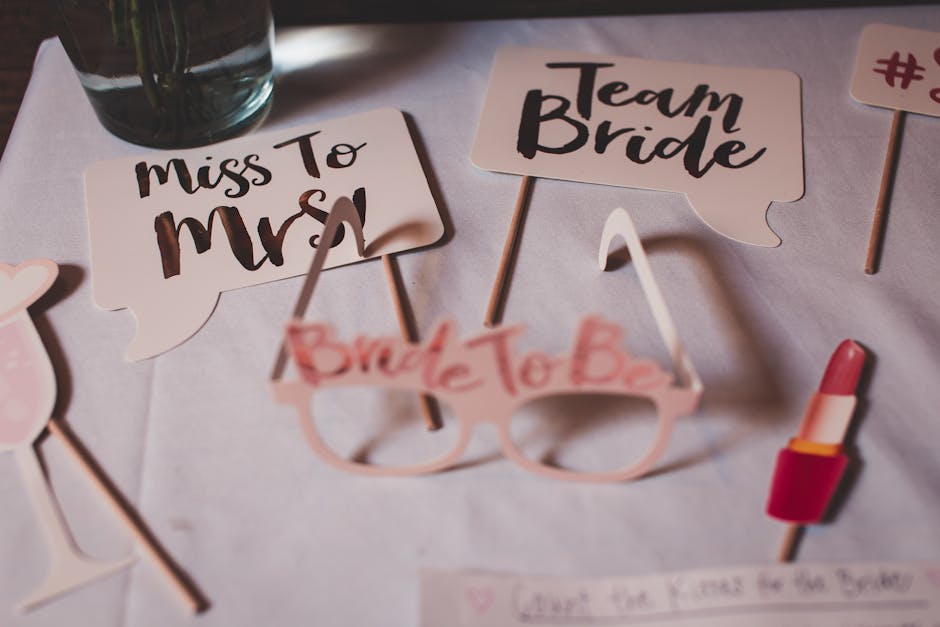
Miss Manners’ Wedding Etiquette: Navigating Nuptial Niceties for a Harmonious Celebration
Wedding etiquette, a delicate dance of tradition and modern sensibilities, is an area where Miss Manners, the venerable arbiter of civility, offers invaluable guidance. Her principles, rooted in respect, consideration, and good taste, aim to ensure a wedding celebration that is not only joyous for the couple but also comfortable and considerate for all guests. Understanding and adhering to these guidelines can transform potential points of friction into moments of grace, fostering a truly memorable and harmonious event.
The fundamental principle underpinning Miss Manners’ wedding advice is that a wedding is, first and foremost, a celebration of the couple’s commitment. Every decision, from the guest list to the menu, should ultimately serve their happiness and reflect their intentions. This does not, however, negate the importance of guest comfort and respect. The wedding party, in its role as host, is entrusted with orchestrating an event where guests feel welcomed, appreciated, and informed. This balance between the couple’s desires and the guests’ experience is paramount.
The Invitation: The First Impression and Its Etiquette
The wedding invitation is the initial point of contact for guests and sets the tone for the entire event. Miss Manners emphasizes clarity, accuracy, and appropriate formality. Traditional etiquette dictates that invitations should be engraved or printed on high-quality paper, with the full names of the hosts clearly stated. This often includes the parents of the bride, and traditionally, the parents of the groom. However, in modern unions, where couples may be self-hosting or have blended families, the host line can be adjusted accordingly. The wording should be precise, outlining the date, time, and location of both the ceremony and the reception.
Crucially, the invitation must clearly indicate who is invited. A "Mr. and Mrs. John Smith" implies an invitation for Mr. and Mrs. Smith only. If their children are to be included, the invitation should explicitly state "The Smith Family" or list each child by name. The Miss Manners adage of "no children" should be clearly communicated, either through a discreet note or by addressing the invitation only to adult guests. Conversely, if children are welcome, this should also be made explicit, preventing awkward assumptions. The RSVP card is another critical element. It should include a clear deadline for response, contact information for the host, and spaces for guests to indicate their attendance and any dietary restrictions. This facilitates accurate headcount for catering and seating arrangements.
The Wedding Party: Roles, Responsibilities, and Respect
The wedding party, typically comprising bridesmaids, groomsmen, and other key figures, plays a vital role in supporting the couple. Miss Manners stresses that these individuals are chosen for their love and support, not for their financial contributions or ability to perform specific tasks. While it is customary for the wedding party to contribute to certain expenses, such as attire or pre-wedding events, the ultimate financial burden should not fall disproportionately on them. The couple should have open conversations about expectations regarding financial contributions and delegate responsibilities thoughtfully.
Bridesmaids, under the guidance of the maid of honor, are expected to assist with planning and executing pre-wedding events like the bridal shower and bachelorette party. Groomsmen, led by the best man, often handle the bachelor party and assist with logistical matters on the wedding day. Miss Manners advises against overly extravagant or costly events that place undue pressure on the wedding party. The focus should remain on celebrating the couple, not on opulent displays that may strain friendships. Furthermore, the wedding party should be treated with respect and consideration. Their attire, while coordinated, should be chosen with their comfort and budget in mind. Their roles on the wedding day should be clearly defined, and they should be afforded opportunities to enjoy the celebration themselves.
The Guest List: Inclusivity, Exclusivity, and the "Plus-One" Protocol
The guest list is often one of the most contentious aspects of wedding planning, and Miss Manners offers pragmatic advice to navigate these waters. The primary consideration is the couple’s desire for intimacy and the financial and logistical constraints of the event. Miss Manners advises against inviting people out of obligation. A wedding is a celebration for those closest to the couple, and forcing the inclusion of distant relatives or acquaintances who may feel out of place can detract from the overall joy.
The "plus-one" protocol requires careful consideration. Generally, a plus-one should be extended to individuals in serious, committed relationships, married couples, or those who would otherwise be attending the wedding alone and might feel uncomfortable. It is also considered gracious to offer a plus-one to members of the wedding party. However, for single guests who are not in a long-term relationship, the decision to offer a plus-one rests with the couple and their budget. Miss Manners suggests that if a couple intends to limit plus-ones, this should be clearly indicated on the invitation by addressing it specifically to the invited guest. If a guest is unsure, they should inquire discreetly with the couple or their parents.
Attire: Dress Codes, Expectations, and Personal Style
The wedding invitation often specifies a dress code, and Miss Manners emphasizes the importance of adhering to these guidelines. Understanding common dress codes is crucial for guests. "White tie" is the most formal, requiring floor-length gowns for women and tailcoats for men. "Black tie" is slightly less formal, with floor-length gowns or elegant cocktail dresses for women and tuxedos for men. "Cocktail attire" suggests knee-length or midi dresses for women and suits for men. "Semi-formal" or "dressy casual" allows for more flexibility, but generally implies smart attire.
Miss Manners firmly discourages guests from wearing white, ivory, or cream to a wedding, as these colors are traditionally reserved for the bride. The exception might be if explicitly stated on the invitation, but this is exceptionally rare. Similarly, guests should avoid overly revealing or casual attire that clashes with the formality of the occasion. For the wedding party, the couple typically dictates the attire, but as mentioned earlier, consideration for the wedding party’s budget and comfort is advised. The goal is for everyone to feel appropriately dressed and contribute to the overall aesthetic of the celebration.
Gifts: The Art of Giving and Receiving
Wedding gifts are a traditional way for guests to show their support and affection for the newlyweds. Miss Manners distinguishes between wedding gifts given before the wedding, at the shower, or on the wedding day itself. Gifts are ideally sent directly to the couple’s home before the wedding, allowing them to enjoy their gifts as they begin their married life. If guests choose to bring gifts to the wedding, a designated table should be provided, and it is the responsibility of the couple or their appointed helpers to transport these gifts home safely.
The registry system, while convenient, can sometimes be viewed as presumptive. Miss Manners suggests that while a registry is helpful, it should not be the sole focus of gift-giving. Guests should feel free to deviate from the registry if they have a more personal or thoughtful gift in mind. Furthermore, cash gifts are increasingly common and acceptable, especially for couples who may already have established households. When giving a cash gift, it should be presented in a card, and the amount should be whatever the guest feels comfortable and able to give. The emphasis is on the sentiment behind the gift, not its monetary value. Miss Manners also strongly advises against openly discussing gift values or comparing gifts amongst guests, as this is considered poor taste.
The Ceremony: Reverence and Respect for the Sacred Moment
The wedding ceremony is the heart of the celebration, a moment of profound significance for the couple. Miss Manners stresses the importance of reverent behavior from guests during this time. This includes arriving on time, silencing mobile phones (and keeping them out of sight), and refraining from loud talking or disruptive behavior. The ceremony is not the time for social interaction or catching up with friends. Guests should remain seated and attentive, respecting the solemnity of the vows and the commitment being made.
Photography during the ceremony can be a delicate issue. While many couples now opt for professional photographers, guests should be mindful of their flash photography and their positioning, ensuring they do not obstruct the view of others or interfere with the official photographer. Some couples may opt for a "no photos" policy during the ceremony, and this should be strictly adhered to. The focus should remain on the couple and their sacred union.
The Reception: Celebration, Conversation, and Consideration
The reception is a time for celebration, and Miss Manners offers guidance on navigating the social dynamics of this portion of the wedding. It is the couple’s opportunity to thank their guests for celebrating with them, and guests, in turn, have a responsibility to contribute to a positive and enjoyable atmosphere. This means engaging in pleasant conversation, showing gratitude for the hospitality, and participating in the festivities.
Toasts, a traditional element of the reception, should be kept brief, sincere, and appropriate. The best man and maid of honor typically offer toasts, but other designated individuals may also participate. Miss Manners advises against lengthy, rambling, or potentially embarrassing speeches. The focus should be on celebrating the couple and their future.
Dancing is often a significant part of the reception. While guests are encouraged to join in, they should be mindful of their exuberance and avoid anything that could be considered disruptive or unsafe. The dance floor is for celebration, not for competitive displays of athleticism.
Modern Adaptations and Enduring Principles
While Miss Manners’ teachings are rooted in tradition, she also acknowledges the evolving nature of weddings. Modern couples may choose non-traditional venues, incorporate diverse cultural practices, or embrace more casual celebrations. The core principles of respect, consideration, and good taste, however, remain immutable. Whether it’s a grand ballroom affair or an intimate backyard gathering, the foundation of good wedding etiquette lies in ensuring that the couple feels celebrated and that their guests feel welcomed and cherished. The goal is to create an atmosphere of joy and harmony, where the focus is on love, commitment, and the beginning of a shared journey. By understanding and applying Miss Manners’ timeless wisdom, couples can orchestrate weddings that are not only beautiful but also deeply considerate, leaving everyone with cherished memories.


