Supreme Court Vaping Fda

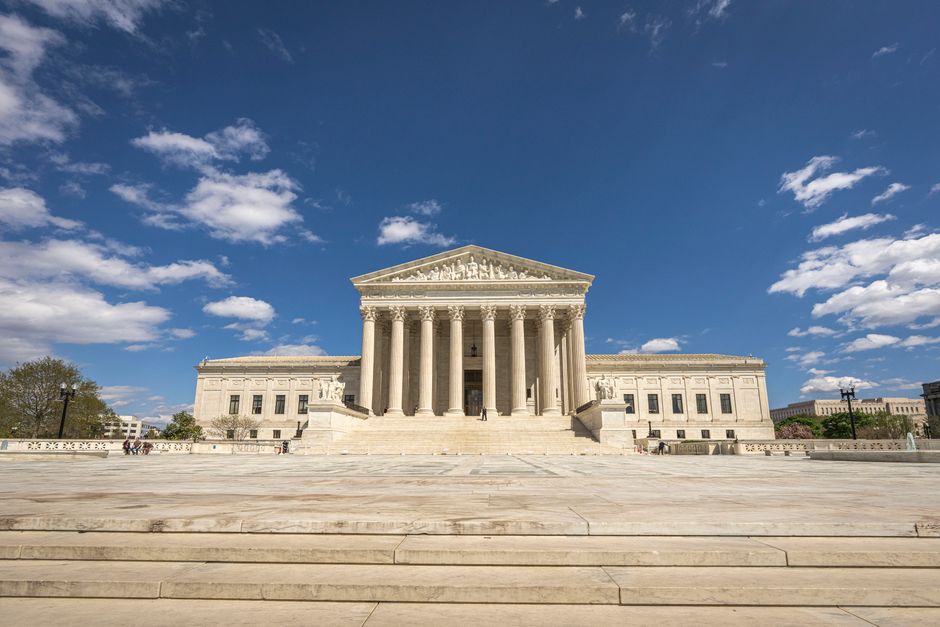
Supreme Court Vaping FDA: Navigating the Regulatory Crossroads
The United States Supreme Court’s involvement in vaping regulation, particularly concerning the Food and Drug Administration’s (FDA) oversight, represents a critical juncture for the burgeoning industry and public health policy. This intersection of legal challenges, scientific evidence, and regulatory authority has profound implications for manufacturers, consumers, and the ongoing debate about harm reduction versus public health concerns. Understanding the specific cases, the FDA’s statutory powers, and the potential Supreme Court rulings is crucial for anyone invested in the future of vaping and its place in the American marketplace. The FDA’s authority to regulate tobacco products, including e-cigarettes and vaping devices, stems from the Family Smoking Prevention and Tobacco Control Act of 2009. This landmark legislation granted the agency broad powers to oversee the manufacturing, marketing, and distribution of tobacco products, with the stated goal of protecting public health. Central to the FDA’s regulatory framework for vaping are the Premarket Tobacco Product Applications (PMTAs). Manufacturers are required to submit these applications to the FDA, demonstrating that their products are “appropriate for the protection of public health” (APPH). This standard requires a complex scientific assessment, weighing the risks and benefits of the product, including whether it helps reduce the harms associated with traditional cigarette smoking. The PMTA process has been a significant hurdle for many vaping companies, leading to a substantial number of product denials and the withdrawal of many others from the market. These denials have often cited a lack of sufficient scientific evidence to support the APPH standard, particularly concerning the long-term health effects of vaping and the product’s potential to help adult smokers quit combustible cigarettes. The legal challenges that have reached the Supreme Court, or are on the cusp of doing so, typically center on the scope of the FDA’s authority, the interpretation of the APPH standard, and the procedural fairness of the regulatory process. One of the primary areas of contention revolves around the FDA’s interpretation of what constitutes sufficient scientific evidence to meet the APPH standard. Critics argue that the FDA’s requirements are overly stringent and may not adequately account for the potential of vaping products to serve as a less harmful alternative for adult smokers. This perspective often highlights studies suggesting that vaping is significantly less harmful than smoking traditional cigarettes and can be an effective tool for smoking cessation. Conversely, public health advocates and many within the FDA express concerns about the appeal of vaping to youth, the unknown long-term health consequences, and the potential for e-liquids to contain harmful chemicals. The debate often boils down to a balancing act: how to allow for effective harm reduction for adult smokers without inadvertently creating a new generation of nicotine-dependent individuals, particularly adolescents. The PMTA process, while intended to be a scientific gatekeeper, has also become a focal point of legal scrutiny. Companies have challenged the FDA’s decision-making process, alleging arbitrary and capricious actions, inadequate consideration of submitted evidence, and a lack of transparency. These legal battles can be lengthy and expensive, often resulting in injunctions that temporarily allow products to remain on the market while litigation is ongoing, creating a state of regulatory uncertainty. The Supreme Court’s potential involvement in vaping FDA cases stems from the fundamental questions of administrative law and statutory interpretation at play. If a case reaches the Court, justices will likely grapple with the extent to which Congress intended the FDA to have such broad authority over novel tobacco products. They will also consider the interpretation of key phrases like “appropriate for the protection of public health” and the standards by which the FDA’s decisions are reviewed. A Supreme Court ruling could set a significant precedent for how regulatory agencies interpret and enforce their mandates, particularly in rapidly evolving technological and consumer product sectors. The economic impact of the FDA’s regulatory actions on the vaping industry is substantial. The rigorous PMTA process requires significant investment in scientific research, product development, and legal expertise. Companies that fail to secure marketing orders face the prospect of significant financial losses, product recalls, and even business closures. This has led to a consolidation within the industry, with larger companies better equipped to navigate the complex regulatory landscape. The smaller, independent manufacturers have been disproportionately affected, leading to concerns about market competition and consumer choice. The debate over vaping regulation also intersects with public health goals. Proponents of vaping as a harm reduction tool argue that it offers a viable alternative for millions of adult smokers who have been unable to quit using traditional methods. They point to public health organizations in other countries that have embraced vaping as a less harmful option, emphasizing the importance of providing smokers with a pathway away from combustible cigarettes. The FDA, however, has expressed caution, citing concerns about the “dual use” phenomenon, where individuals may use both e-cigarettes and traditional cigarettes, and the potential for vaping to act as a gateway to smoking for non-smokers, particularly youth. The youth vaping epidemic, characterized by a significant increase in e-cigarette use among adolescents, has been a primary driver for stricter FDA regulation. While the focus of many legal challenges is on the market authorization for adult smokers, the concern about youth access and appeal looms large in the FDA’s decision-making and in the public discourse surrounding vaping. The scientific evidence regarding the health effects of vaping is still evolving. While there is a general consensus that vaping is less harmful than smoking, definitive long-term data is limited. This scientific uncertainty poses a challenge for both regulators and the industry, as it makes it difficult to establish clear benchmarks for what constitutes an “appropriate” product for public health. The FDA’s approach has often been to err on the side of caution, demanding robust scientific evidence before granting marketing authorization. This cautious approach, however, has been criticized by some as being too slow to acknowledge the potential benefits of vaping for adult smokers. The legal ramifications of Supreme Court involvement extend beyond the immediate regulatory decisions. A ruling could reshape the relationship between government agencies and the industries they regulate, influencing how future technologies and products are brought to market. It could also impact the balance of power between federal agencies and the courts, particularly in matters of scientific expertise and policy interpretation. The classification of e-cigarettes by the FDA as tobacco products, rather than medical devices, has been a key element in the regulatory framework. This classification subjects vaping products to the Tobacco Control Act, which is distinct from the regulatory pathways for pharmaceuticals or medical devices. This distinction has been a source of debate, with some arguing that a medical device classification might be more appropriate given the potential for nicotine replacement therapy and the need for rigorous scientific evaluation of health claims. However, the majority of vaping products contain nicotine, which is a psychoactive substance derived from the tobacco plant, thus firmly placing them within the FDA’s tobacco product regulatory purview. The “substantial equivalence” pathway, which was initially available for certain new tobacco products, was largely phased out with the implementation of the PMTA requirement. This change significantly increased the burden of proof for manufacturers, requiring them to demonstrate that their products were not only substantially equivalent to an existing predicate product but also met the APPH standard. This transition marked a significant tightening of regulatory control. The potential for flavor bans has also been a highly contentious issue. The FDA has explored the possibility of restricting or banning certain flavors in e-liquids, citing their appeal to youth. While some courts have upheld the FDA’s authority to implement such bans under specific circumstances, the broader implications and the scientific justification for such measures remain subjects of ongoing debate and legal challenges. The Supreme Court, if it were to take up a case involving flavor restrictions, would have to weigh the FDA’s public health mandate against potential arguments concerning consumer choice and the harm reduction benefits of flavored products for adult smokers. The concept of “preemption” is also relevant. The FDA has argued that its authority over tobacco products preempts certain state and local regulations. This legal principle could become a factor in Supreme Court cases, particularly if a ruling addresses the scope of federal oversight. The ongoing litigation surrounding vaping and the FDA highlights the dynamic nature of regulatory policy in the face of emerging products and evolving scientific understanding. The Supreme Court’s ultimate decision, should it be involved, will have far-reaching consequences, shaping the future of the vaping industry, influencing public health strategies for smoking cessation and harm reduction, and setting precedents for administrative law in the 21st century. The legal and scientific complexities demand a thorough understanding of the regulatory landscape, the specific cases under consideration, and the potential interpretations of the law. The future of vaping in the United States hinges significantly on how these legal and regulatory battles are resolved, with the Supreme Court poised to play a pivotal role in defining the boundaries of FDA authority and the public health framework for tobacco and nicotine products.