Obesity Drugs Price Cuts

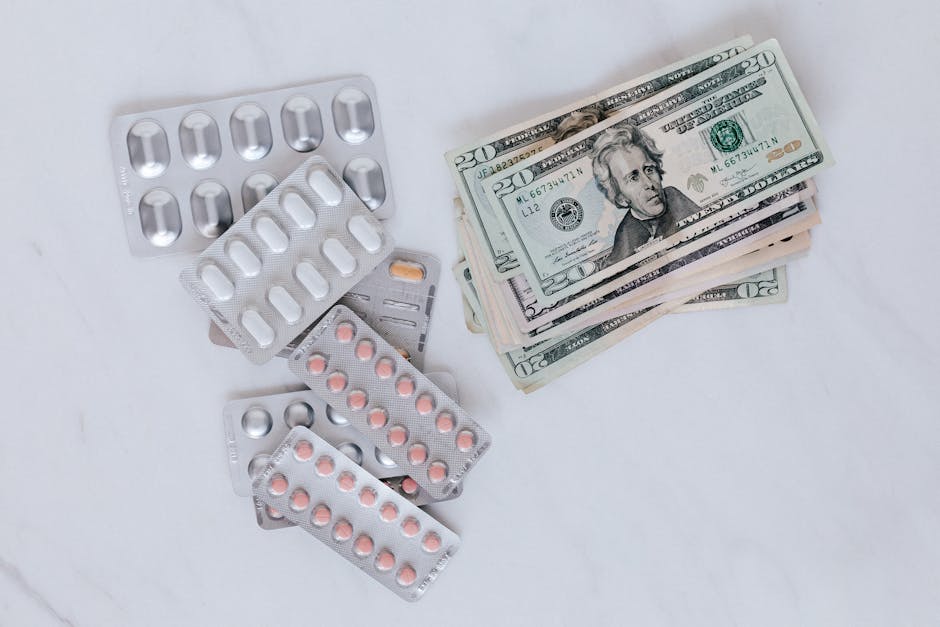
Obesity Drug Price Cuts: A Deep Dive into Affordability and Accessibility
The pharmaceutical landscape for obesity medications is undergoing a significant shift as manufacturers implement price cuts, aiming to enhance affordability and broaden patient access. This strategic move addresses a critical barrier to treatment: cost. Historically, the high price of these innovative drugs has relegated them to a niche market, accessible primarily to those with robust insurance coverage or significant disposable income. The recent price reductions, particularly for GLP-1 receptor agonists like semaglutide (Ozempic, Wegovy) and tirzepatide (Mounjaro, Zepbound), signal a potential paradigm shift in weight management therapy. These medications have demonstrated remarkable efficacy in clinical trials, leading to substantial weight loss and improvements in obesity-related comorbidities such as type 2 diabetes, hypertension, and obstructive sleep apnea. However, their widespread adoption has been hampered by their prohibitive retail prices, often exceeding $1,000 per month.
The driving forces behind these price cuts are multifaceted. Pharmaceutical companies are responding to increasing pressure from payers, including government programs and private insurers, who are scrutinizing the cost-effectiveness of these therapies. Payers are demanding greater evidence of long-term value, including reductions in healthcare utilization and improved patient outcomes, to justify their reimbursement decisions. Furthermore, the impending patent expirations and the potential for generic competition in the future may be encouraging manufacturers to secure market share and establish a broader patient base now. Increased competition within the obesity drug market itself, with the emergence of new agents and expanded indications for existing ones, also plays a crucial role. As more options become available, companies are compelled to be more competitive on pricing to attract and retain patients and prescribers.
For patients, these price reductions represent a beacon of hope. Individuals struggling with obesity, a complex chronic disease with profound health and psychological implications, can now potentially access life-changing treatments that were previously out of reach. The financial burden of obesity extends beyond the cost of medication, encompassing increased healthcare expenditures related to managing its associated conditions. By making effective obesity drugs more affordable, the goal is to not only improve individual health but also to potentially reduce the overall economic burden of obesity on healthcare systems. The accessibility of these drugs is paramount, as obesity affects diverse populations with varying socioeconomic backgrounds. Price cuts can help democratize access, ensuring that effective treatment is not a privilege but a possibility for a wider segment of the population.
The economic implications of these price cuts are far-reaching. For pharmaceutical manufacturers, a broader patient base, even at a lower price point, can translate into higher overall sales volumes. This strategy leverages the principle of economies of scale. Furthermore, by establishing strong market presence and brand loyalty early on, companies can solidify their position in what is expected to be a rapidly growing market. For healthcare systems and payers, the long-term benefits of treating obesity effectively could outweigh the upfront cost of medications. Studies have shown that substantial weight loss achieved through pharmacotherapy can lead to significant reductions in the incidence of type 2 diabetes, cardiovascular events, and the need for more expensive interventions, such as bariatric surgery or intensive management of chronic diseases. This can result in substantial cost savings over the lifetime of a patient.
The impact of these price reductions on market dynamics is already observable. We are seeing an increased number of prescriptions being written, as more physicians feel comfortable recommending these therapies to their patients, knowing that cost is less of a barrier. This, in turn, is likely to spur further innovation and research in the field of obesity pharmacotherapy, as companies see a tangible return on their investment and are incentivized to develop even more effective and accessible treatments. The competitive landscape will likely intensify, leading to a more dynamic and responsive market that ultimately benefits patients. The focus will shift from simply having effective drugs to having effective, accessible, and affordable drugs, driving a more holistic approach to weight management.
However, several challenges remain. While price cuts are a significant step, out-of-pocket costs for patients can still be substantial, especially for those without adequate insurance coverage. Deductibles, co-pays, and co-insurance can still present a formidable financial hurdle. Furthermore, the long-term sustainability of these price reductions is not guaranteed and may be influenced by market conditions, regulatory changes, and the success of ongoing clinical trials. The reimbursement landscape is complex and varies significantly across different insurance providers and geographic regions, meaning that "price cut" for one patient might not translate to affordability for another. The role of pharmacy benefit managers (PBMs) in negotiating these prices and their impact on the final cost to the patient is also a critical factor to consider.
Patient education and physician training are also crucial elements in maximizing the benefit of these price cuts. Patients need to understand the appropriate use of these medications, potential side effects, and the importance of lifestyle modifications in conjunction with pharmacotherapy. Physicians require comprehensive training on patient selection, dosage titration, and ongoing monitoring to ensure optimal outcomes and patient safety. Without proper education and understanding, the full potential of these more accessible treatments cannot be realized. The long-term adherence to these medications is also heavily influenced by patient understanding of their benefits and the management of any side effects.
The regulatory environment plays a pivotal role in shaping the market for obesity drugs. Government agencies, such as the FDA in the United States and the EMA in Europe, have been instrumental in approving these medications, but their policies on pricing and reimbursement can significantly influence accessibility. Discussions around price negotiation for prescription drugs, particularly for widely used therapies like those for obesity and diabetes, are ongoing and could further impact future pricing structures. The potential for government intervention in price setting, either directly or indirectly through bulk purchasing or formulary negotiations, is a significant factor in the pharmaceutical industry’s pricing strategies.
The broader societal implications of increased access to effective obesity treatments are profound. Obesity is a public health crisis with significant health disparities. By making these drugs more affordable, pharmaceutical companies are contributing to a more equitable approach to healthcare, where treatment is not dictated by socioeconomic status. This has the potential to improve the overall health and well-being of the population, reduce the burden of chronic diseases, and enhance quality of life for millions of individuals. The psychological benefits of achieving and maintaining a healthy weight are also substantial, leading to improved self-esteem, reduced depression and anxiety, and greater social engagement.
The competitive response from other pharmaceutical companies is likely to be swift and strategic. As established players adjust their pricing, new entrants may be compelled to offer even more attractive price points or focus on different therapeutic niches within obesity management. This competition can drive down prices further and foster innovation, leading to a wider array of treatment options tailored to individual patient needs and preferences. The development of combination therapies, or drugs targeting different pathways involved in appetite regulation and energy expenditure, could emerge as a result of this competitive pressure. Furthermore, the focus may shift towards developing more personalized treatment approaches, utilizing genetic or metabolic profiling to identify the most effective drug for each individual.
The role of generics and biosimilars in the future of obesity drug pricing cannot be overstated. As patents for current blockbuster obesity medications expire, the introduction of generic or biosimilar versions will inevitably lead to significant price reductions, further enhancing affordability and access. Pharmaceutical companies are likely factoring this into their current pricing strategies, aiming to maximize market share and establish a strong brand presence before generic competition emerges. The pace at which these generics enter the market will be influenced by patent challenges, regulatory pathways, and the complexity of manufacturing these sophisticated biological drugs.
In conclusion, the recent price cuts for obesity drugs represent a pivotal moment in the fight against this complex chronic disease. These reductions are driven by a confluence of factors, including payer pressure, market competition, and the potential for future generic entry. For patients, this means increased access to life-changing treatments, potentially leading to improved health outcomes, reduced healthcare costs, and enhanced quality of life. While challenges related to out-of-pocket expenses and the need for comprehensive patient education remain, these price adjustments signal a positive shift towards greater affordability and accessibility in obesity pharmacotherapy. The long-term success of this strategy will depend on continued collaboration between manufacturers, payers, healthcare providers, and patients to ensure that these innovations are not only accessible but also effectively utilized to combat the global obesity epidemic. The focus on value-based pricing and demonstrating long-term cost-effectiveness will be crucial for sustaining these price reductions and driving further advancements in this critical area of public health.