Democratic Strategist Warns Republican Campaign Missteps and Candidate Quality Open Path to Senate Takeover Ahead of Midterms


As the final hours tick down before a high-stakes midterm election cycle, the battle for control of the United States Congress has intensified dramatically. With Republicans currently defending a razor-thin 53-47 majority in the Senate and widely projected by analysts to lose their narrow margin in the House of Representatives, political operatives on both sides of the aisle are bracing for an unpredictable conclusion at the ballot box. Amid this volatile landscape, prominent Democratic strategist Dan Turrentine has pointed to a combination of disciplined Democratic campaigning and critical Republican candidate missteps as key drivers behind an emerging path for Democrats to seize control of the upper chamber.
Speaking in an exclusive interview with digital media outlets in the lead-up to Tuesday’s election, Turrentine—who previously served as chief of staff to current Colorado Governor Jared Polis during his tenure in the U.S. House of Representatives—outlined how several traditionally safe Republican seats and competitive swing states have shifted significantly in the closing weeks of the campaign. While acknowledging the inherent anxieties that plague political campaigns during final stretches, Turrentine emphasized that strategic execution and vulnerabilities among GOP candidates have opened unprecedented opportunities for the Democratic Party.
The Changing Map: From Traditional Strongholds to Toss-Ups
The electoral map heading into Tuesday features a series of unexpected battlegrounds that stretch far beyond traditional swing states. While classic battlegrounds like Ohio and Michigan remain fiercely contested, recent polling and shifting political dynamics have brought typically deep-red states—such as Texas, Kansas, and Missouri—into the conversation. According to Turrentine, the most glaring illustration of this shift can be found in North Carolina, where long-serving Republican Senator Thom Tillis is retiring.
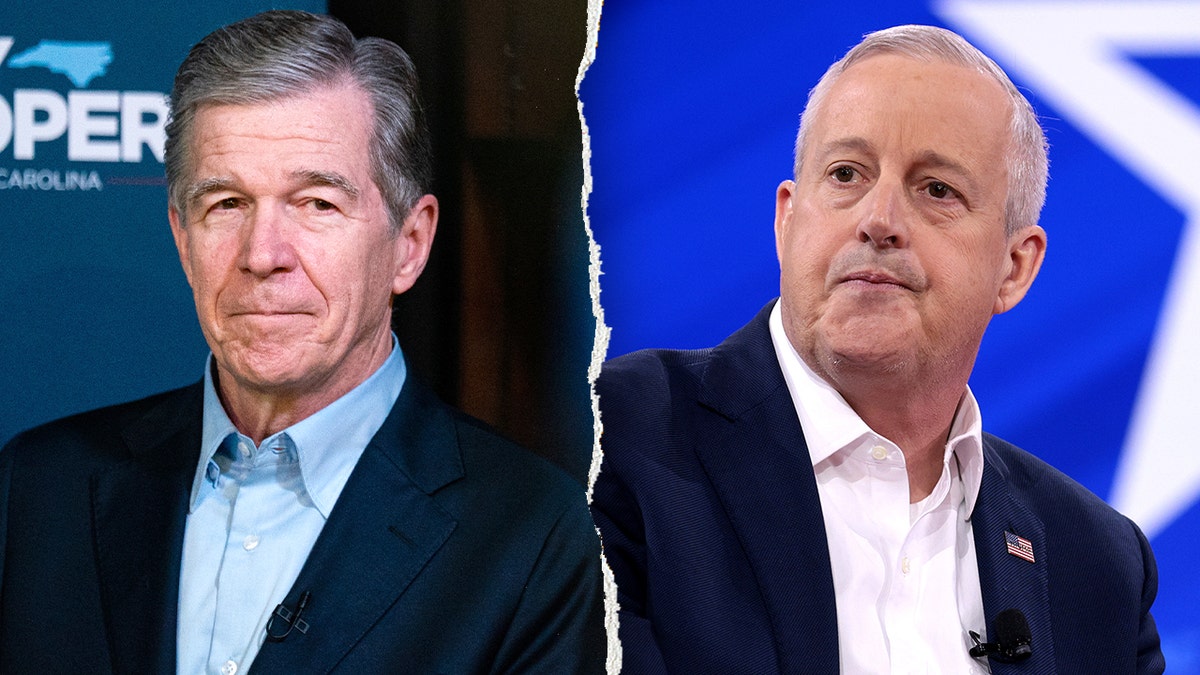
For decades, North Carolina has leaned reliably Republican in federal legislative elections. However, recent polling data indicates that the seat is poised to flip following a commanding lead established by former Democratic Governor Roy Cooper over his Republican opponent, former Republican National Committee chairman Michael Whatley. The apparent vulnerability of this seat has served as a bellwether for Democrats who view North Carolina as a primary anchor for their path toward a Senate majority.

Beyond North Carolina, a constellation of traditionally safe conservative strongholds has seen unexpected tightening. Turrentine explicitly highlighted races in states like Mississippi, Kansas, South Carolina, and Texas, noting that the confluence of local dissatisfaction and candidate-specific controversies has transformed what should have been comfortable Republican defenses into high-stress contests. In South Carolina, shifting dynamics have pushed the race into toss-up territory, while races in states like Alaska and Maine continue to perplex forecasters on both sides of the aisle.
The Candidate Quality Factor
A central thesis of Turrentine’s analysis focuses heavily on the caliber of candidates fielded by the Republican Party in key races. While national economic conditions, presidential approval ratings, and broader partisan sentiment typically dictate midterm outcomes, Turrentine argues that the decisive margin in this election cycle stems from weak candidate performance and self-inflicted campaign wounds at the local level.
Turrentine pointed directly to several high-profile races where he believes Republican contenders are underperforming. He cited figures such as Ken Paxton in Texas, Cindy Hyde-Smith in Mississippi, Roger Marshall in Kansas, and Darlene Graham Nordone—who is running to secure the seat formerly held by her late brother, Senator Lindsey Graham. According to the veteran operative, if the Republican Party ultimately forfeits its majority in the Senate, the loss can likely be traced back to the performance of candidates in these specific jurisdictions.
"While the president’s standing is part of the problem, that last mile comes down to weak candidate quality," Turrentine observed during his assessment. Political scientists and independent analysts have often echoed this sentiment, noting that candidate quality plays an outsized role in modern Senate elections, where individual brand recognition, personal history, and local campaigning frequently override straight-ticket party loyalty among independent and moderate voters.
The Polling Dilemma and the Ghost of Past Surprises
Despite encouraging internal and public polling for Democratic candidates, campaign professionals across the political spectrum remain haunted by the ghosts of recent election cycles. Turrentine candidly admitted that campaign teams are perpetually terrified of relying too heavily on contemporary polling models, noting that modern polling methods have repeatedly struggled to capture late-breaking electoral dynamics in consecutive change elections, specifically citing 2016, 2022, and 2024.
Reaching likely voters has become an increasingly arduous task for pollsters and campaign organizations alike. The steady decline of landline telephone usage, combined with the prevalence of call-screening technology and unknown number blocking, has drastically reduced response rates. Consequently, campaign pollsters often find themselves fighting the last war, utilizing methodologies that may fail to account for a silent majority or shifting voter sentiment in the final seventy-two hours of a cycle.
This uncertainty leaves campaign strategists grappling with fundamental unanswered questions. Will frustrated supporters of former President Donald Trump ultimately stay home, or will they break late for their candidates? Do early Democratic voting surges in traditionally conservative states like Texas reflect an expansion of the active electorate, or merely high-propensity voters banking their ballots ahead of schedule? These unresolved variables have left political operatives with a palpable sense of anxiety as election day approaches.
Alaska, Maine, and the Narrow Margins of Control
The volatility of the current election cycle is perhaps best exemplified by the races in Alaska and Maine, both of which could ultimately serve as the deciding factors in determining which party controls the Senate.
In Alaska, the race initially favored former Democratic Representative Mary Peltola, who maintained a steady lead in public opinion surveys leading into the final week. However, the race was abruptly upended by a bombshell investigative report from The New York Times. The report alleged that Peltola’s campaign and allied Democratic operatives backed a covert scheme to recruit a spoiler candidate—a man named Daniel J. Sullivan—to run against the incumbent Republican Senator, Daniel S. Sullivan. The alleged objective of the maneuver was to create voter confusion at the ballot box, potentially siphoning votes away from the incumbent.
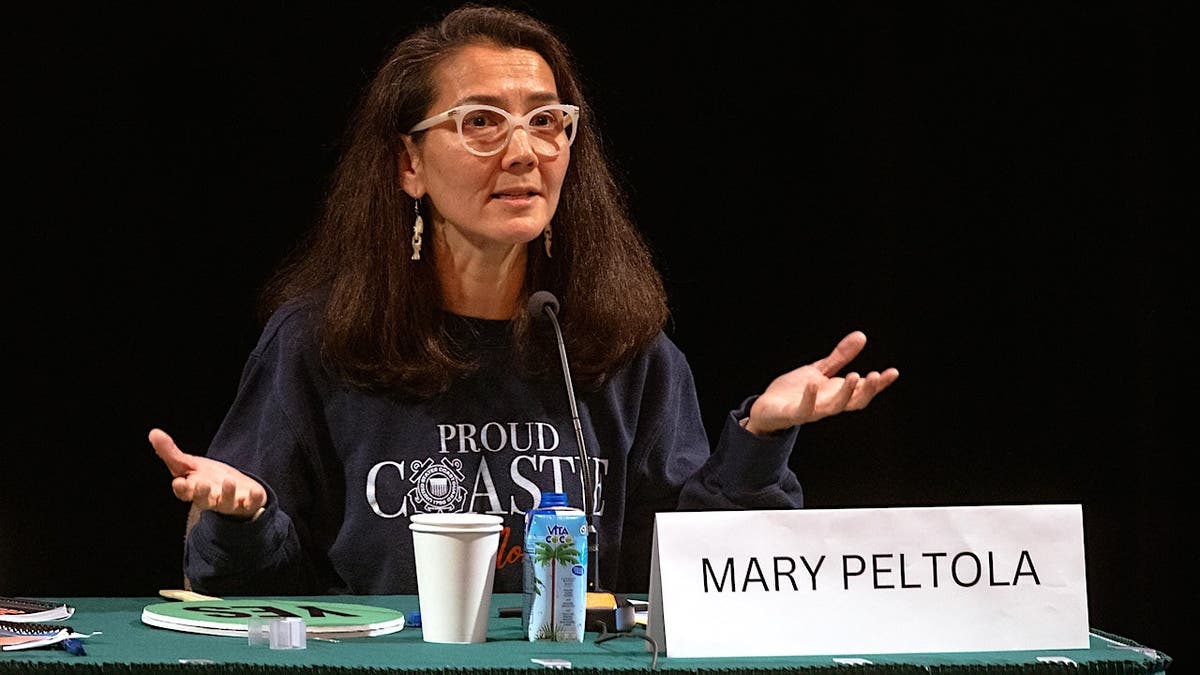
Peltola has forcefully denied any personal involvement or coordination with the independent campaign of the challenger sharing the incumbent’s name. The controversy has injected a fresh layer of unpredictability into the race, forcing Peltola to alter her campaign schedule to manage the fallout. Turrentine noted that if Alaska slips away from Democratic grasp due to the controversy, the path to a Senate majority narrows significantly, transforming the Frontier State back into a pure toss-up.
Should Alaska prove out of reach, Democrats would likely need to sweep competitive contests in Ohio and Texas while securing at least one victory among a secondary tier of unpredictable states, including Michigan, Kansas, Mississippi, and Maine.
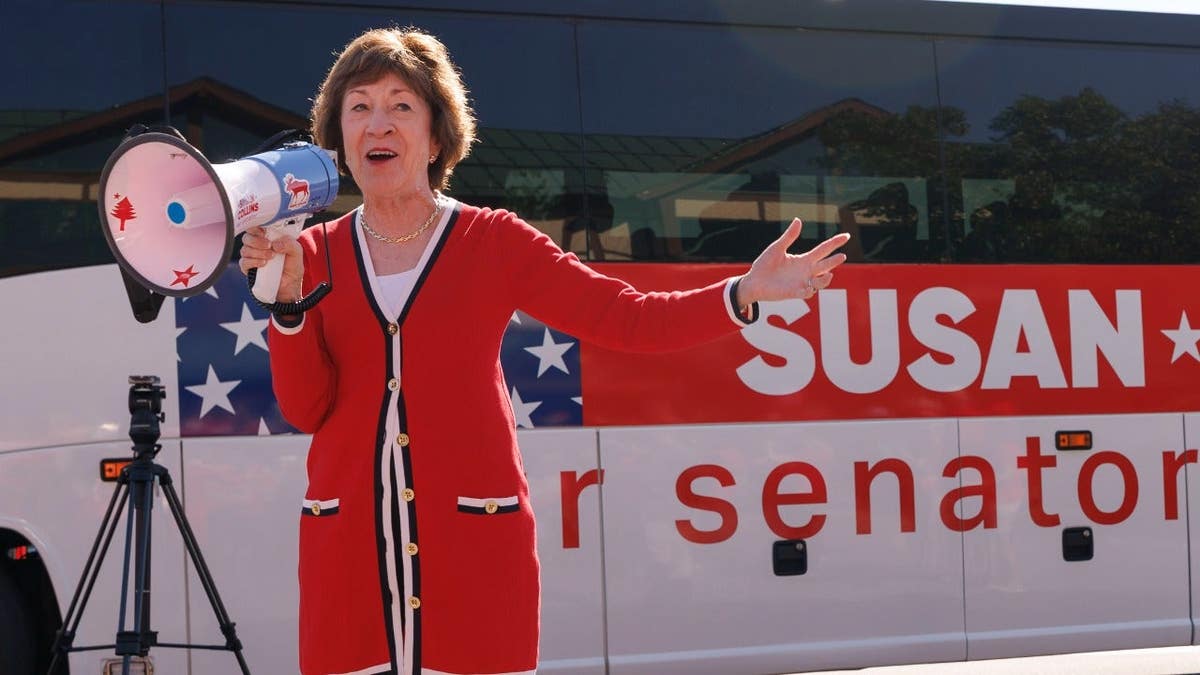
In Maine, veteran Republican Senator Susan Collins faces one of the most formidable challenges of her political career. Historically resilient in a state that frequently splits its ticket, Collins finds herself trailing her Democratic challenger, Troy Jackson, 49% to 45%, according to recent polling data from CNN. Despite decades of electoral survival against national Democratic tides, the closeness of the Maine race has added immense pressure to the national map. "No Democrat wants the majority coming down to Maine or Alaska," Turrentine remarked, underscoring the precarious nature of the final math.
Intra-Party Tensions and Leadership Uncertainty
If Democrats successfully navigate the map to capture the Senate, they will immediately inherit significant internal party management challenges. Turrentine highlighted a growing ideological tension within the Democratic coalition between moderate lawmakers necessary to win competitive or red-leaning states and an increasingly vocal, left-wing progressive base that demands legislative urgency and ideological purity.
This delicate equilibrium relies heavily on effective legislative leadership capable of bridging disparate factions. However, questions remain regarding how leadership structures will adapt if Democrats manage to flip both chambers of Congress. Turrentine pointed to the House of Representatives, where House Minority Leader Hakeem Jeffries is poised to assume the role of Speaker if Democrats wrest control of the lower chamber from the GOP.
According to Turrentine, Jeffries has yet to fully define his leadership persona or secure the universal, unquestioned trust of both the moderate and progressive wings of the party in the manner that former Speaker Nancy Pelosi managed for decades. "Nobody knows where Hakeem Jeffries comes down. And no one knows who Hakeem Jeffries is," Turrentine stated, noting that Pelosi commanded a unique institutional authority that allowed her to successfully navigate intra-party disputes. Jeffries, by contrast, continues to face scrutiny from both ideological flanks regarding his ultimate legislative priorities.
Simultaneously, Senate Majority Leader Chuck Schumer faces his own political pressures, including managing a delicate legislative caucus while keeping a watchful eye on potential primary challenges from the progressive wing of his party in New York. These leadership dynamics suggest that even a triumphant election night for Democrats would immediately usher in an era of complex internal negotiations over policy, legislative strategy, and the future ideological direction of the party.
Conclusion and Outlook
As voters prepare to cast their ballots, the overarching narrative of the midterm elections remains defined by fierce competition, regional idiosyncrasies, and the persistent impact of candidate quality. While Democratic strategists like Turrentine express cautious optimism regarding their party’s potential to seize control of the Senate, the convergence of late-breaking scandals, polling uncertainties, and razor-thin margins in states like Maine and Alaska ensures that the final outcome will remain entirely unpredictable until the last precincts report their totals. Whether the night results in a complete realignment of congressional power or a reaffirmation of the status quo will depend entirely on how these overlapping variables resolve themselves at the ballot box.
Related posts: