Ancient Defensive Architecture Discovered in Morocco Challenges Long-Held Assumptions About North African History

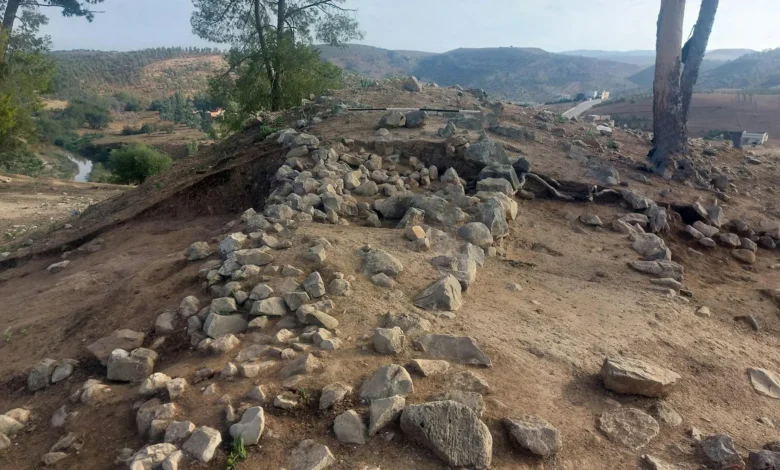
In the rolling hills of north-west Morocco, overlooking the winding Oued Beht river, a monumental archaeological discovery is fundamentally rewriting the history of the Maghreb. Recent excavations have unearthed the earliest known large-scale defensive structure in North Africa outside of the Nile Valley, a find that confirms prehistoric communities in the region were far more sophisticated, organized, and interconnected than previously documented. By shifting our understanding of the second millennium BC, the Oued Beht site acts as a bridge between localized farming societies and the broader, dynamic networks of the ancient Mediterranean world.
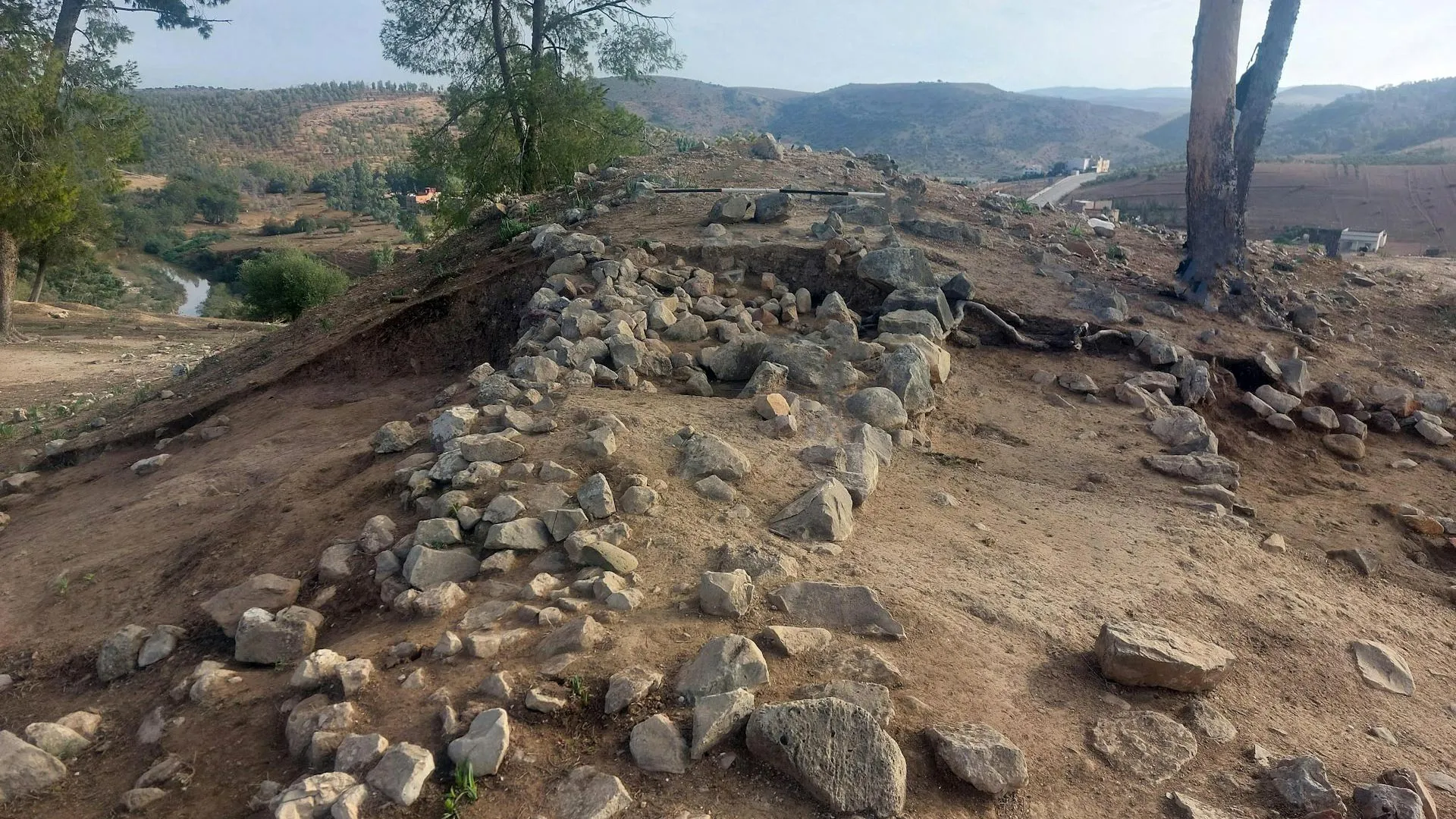
The Oued Beht Archaeological Project, an international effort led by researchers from institutions including the Italian National Research Council (CNR), has spent years peeling back the layers of this once-overlooked site. While previous findings established that the region hosted one of the largest agricultural complexes in Africa—dating back some 5,000 years—the 2023 excavation season provided the critical evidence needed to confirm a transition toward complex defensive planning. The discovery of a robust rampart and ditch system, dating to approximately 4,000 to 3,500 years ago, suggests a significant shift in how these ancient populations asserted power, managed resources, and navigated the geopolitical realities of the Bronze Age.
A Chronology of Human Occupation
To understand the significance of Oued Beht, one must look at the site as a multi-generational center of human activity. The chronology of the site is defined by two primary phases of human engagement, separated by millennia but united by the strategic value of the landscape.
The initial occupation occurred during the Final Neolithic period, between the mid-fourth and early third millennia BC. During this era, Oued Beht functioned as a bustling agricultural hub. Environmental analysis of recovered plant and animal remains indicates a society deeply rooted in the cultivation of wheat and barley, complemented by the husbandry of livestock and the gathering of wild flora. The presence of thousands of polished stone axes and intricately decorated pottery suggests that the site was not merely a subsistence farm, but a hub of specialized craft production.
Following this, the site underwent a dramatic structural transformation. The defensive wall system, identified during the 2023 study, dates to the second millennium BC. This marks a pivotal moment in the regional record, as it represents the first instance of organized, large-scale engineering for defensive purposes in the Maghreb. Finally, the site experienced a "resurgence" during the medieval period, between the 11th and 13th centuries AD. During this era, the prehistoric earthworks were repurposed, a farmstead was established on the hilltop, and a cemetery was constructed between these features, suggesting that the ridge remained a place of symbolic or strategic importance for thousands of years.
Unpacking the Defensive Structure
The identification of the defensive architecture at Oued Beht traces back to the 1930s, when French archaeologist Armand Ruhlmann noted a "barred spur"—a configuration of three walls designed to protect a narrow ridge. However, the exact age and purpose of these earthworks remained a matter of conjecture until the recent application of advanced radiocarbon dating to the deposits associated with the site.
The engineering required to construct the rampart and ditch system at Oued Beht implies a level of social cohesion previously thought absent in the region during this period. Such a project necessitates the mobilization of labor, centralized planning, and a clear chain of command. The transition from the open-air settlements of the Neolithic era to the fortified, defensible positions of the second millennium BC indicates that the population’s priorities shifted.
Archaeologists posit that these structures were likely not built to repel foreign "invaders" in the modern sense, but were rather a response to localized competition. As the population grew and resources became increasingly concentrated, the need to protect arable land, water sources, and transit corridors likely became a primary driver of social conflict. By asserting control over the landscape through architecture, these communities were effectively marking their territory and establishing a form of power that was visible to anyone navigating the river valley.
Mediterranean Connections and Regional Context
For much of the 20th century, the history of the Maghreb was often viewed through the lens of European or Eastern Mediterranean influence, with indigenous North African development frequently relegated to the background. The findings at Oued Beht challenge this narrative, placing North Africa firmly within the active, interconnected sphere of the Bronze Age Mediterranean.
During the same timeframe as the construction of the Oued Beht walls, the Argaric culture of southern Iberia was developing into a complex society defined by hilltop settlements, metallurgy, and stratified social hierarchies. The synchronization between developments in Iberia and the Maghreb is becoming increasingly difficult to ignore. There is growing evidence that the two regions were linked by maritime and land-based networks that facilitated the exchange of goods, ideas, and technologies.
By participating in these wider processes, the communities at Oued Beht were not isolated actors; they were contributors to the technological and social evolution of the Western Mediterranean. The defensive system at the site reflects a wider trend of social transformation, where the emergence of formalized leadership and increased regional interaction necessitated the creation of stronger, more permanent power structures.
Official Reactions and Scientific Implications
The academic community has received these findings as a watershed moment for North African archaeology. By pushing back the evidence for organized defensive architecture in the Maghreb, the research team has effectively moved the "start date" for complex social structure in the region back by centuries.
"The discovery is not just about the wall itself," noted one of the researchers involved in the 2023 excavation. "It is about what the wall represents. It signifies a society that was capable of managing its own development, responding to its own unique environmental and social pressures, and projecting its presence into the landscape in a way that commanded respect and provided security."
The study, published in the Journal of Libyan Studies, underscores a critical reality: the history of North Africa is far more profound and nuanced than current textbooks often allow. The site at Oued Beht serves as a microcosm for the evolution of rural communities, demonstrating how they transitioned from early, fluid farming groups to more rigid, defensive, and structured societies.
Looking Toward the Future
As excavations continue, the focus will likely shift to uncovering more of the medieval occupation layers and understanding the specific social hierarchies that existed during the site’s peak in the Bronze Age. The fact that the ridge was chosen again and again across millennia suggests that the location possesses a "strategic memory"—a quality that made it indispensable to different groups throughout history.
For local stakeholders and the global archaeological community, Oued Beht offers a rare, unbroken window into the past. It provides the data necessary to deconstruct the long-standing "fragmentary" view of the Maghreb’s prehistory and replace it with a narrative of continuity, complexity, and regional significance.
The implications of this research extend beyond the academic sphere. By validating the depth of North African history, these discoveries support a more inclusive understanding of the Mediterranean world—one that recognizes the contributions of the Maghreb as central, rather than peripheral. As researchers continue to sift through the soil of Oued Beht, it is becoming increasingly clear that the history of this region was not written in isolation, but was a key chapter in the grander story of human civilization. The walls of Oued Beht, once built to keep others out, now serve to draw us in, inviting a deeper, more comprehensive look at the origins of organized life in Africa.
Related posts: