Colorado Ranchers and Local Governments Challenge Fossil Fuel Giants in High-Stakes Supreme Court Climate Liability Battle

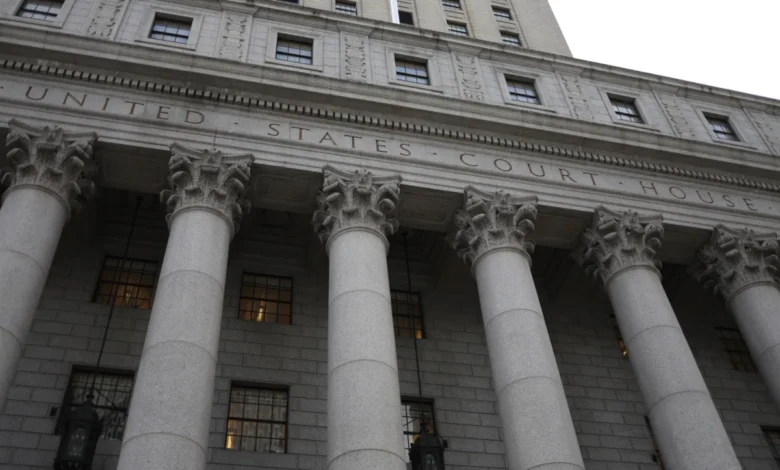
The Supreme Court of the United States is poised to hear oral arguments this coming Monday in a pivotal case that could fundamentally reshape the landscape of climate change litigation in America. At the heart of the dispute is a lawsuit originally filed by the city and county of Boulder, Colorado, against energy majors Suncor and Exxon Mobil. The local governments are seeking damages to offset the mounting costs of climate-related disasters—specifically heat waves, catastrophic wildfires, and systemic flooding—that they contend have been exacerbated by the products and historical actions of these fossil fuel corporations.
While this legal battle has been winding through the judiciary for years, it has recently drawn an unexpected cohort of allies to the side of the plaintiffs: rural ranchers in Colorado who are finding themselves on the front lines of a changing climate.
The Human Cost of Climate Extremes in Colorado
For Deirdre Macnab, a longtime rancher in Rio Blanco County, the legislative and legal decisions made in distant courtrooms have direct, often devastating, consequences on her bottom line and way of life. Macnab’s skepticism of her local government’s intervention in the case was sparked this spring when she discovered that Rio Blanco County had utilized taxpayer funds to join a legal brief supporting the oil and gas industry.
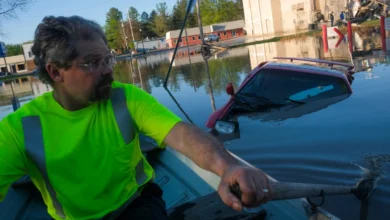
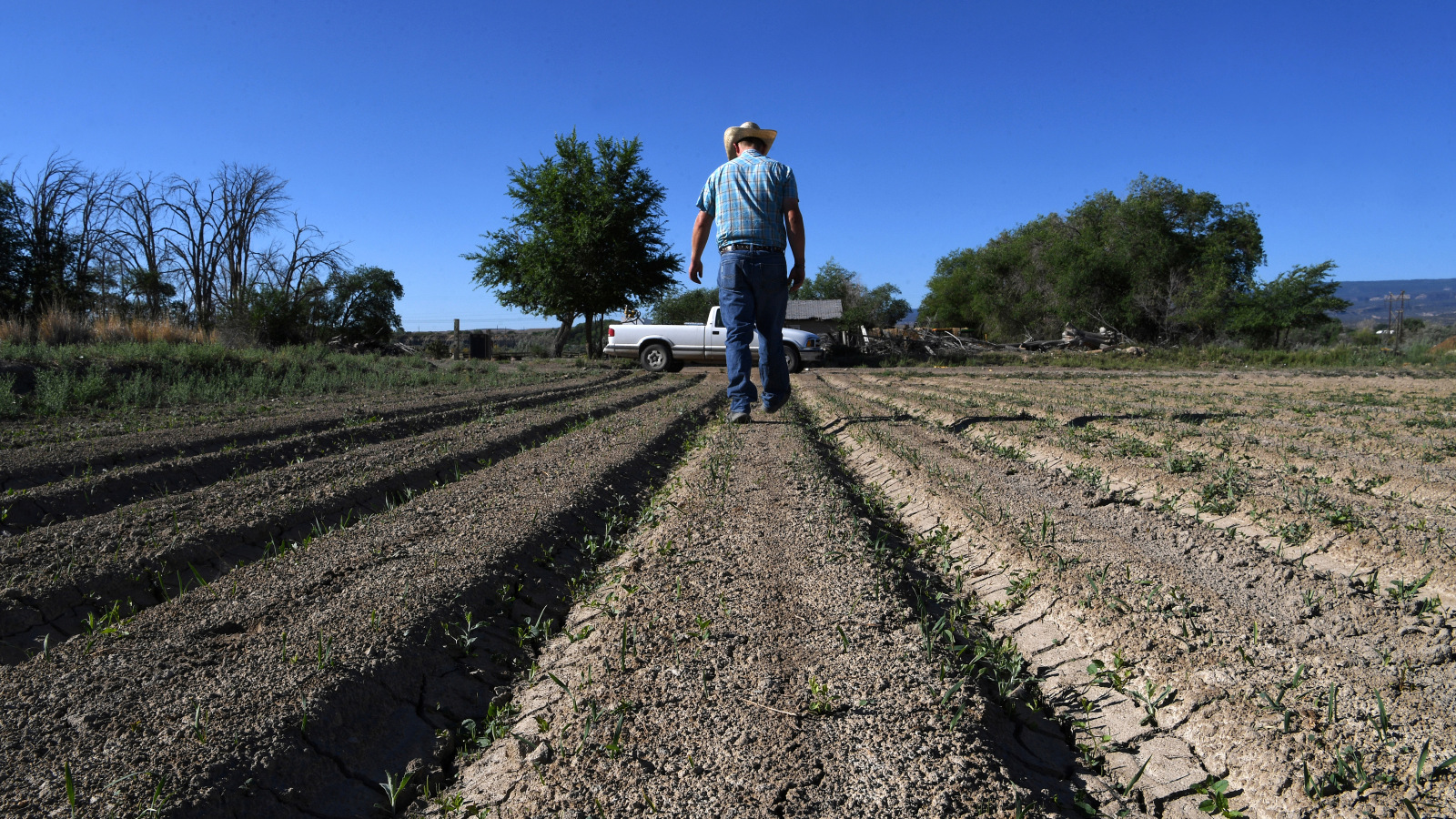
The economic reality for ranchers in northwest Colorado has become increasingly grim. During the state’s record-breaking wildfire season last year, the devastation was not merely limited to scorched earth; it included the loss of livestock on a mass scale. In one instance alone, 60 of a neighboring rancher’s cattle perished in the flames. Beyond the immediate trauma of fire, long-term environmental shifts—including persistent, record-breaking heat and severe drought—have forced ranchers to expend thousands of dollars in emergency funds to transport feed and water to parched grazing lands. For many, the cumulative costs have pushed their operations to the brink of bankruptcy, forcing the liquidation of herds and the sale of generational land.
"It really disturbed me that the county was taking sides," Macnab stated, reflecting on the alignment of local governance with fossil fuel interests. She argues that the operations of these companies are placing the very foundations of rural life—wildlife, livestock, and human populations—at an untenable level of risk.
Chronology of the Boulder Litigation
The legal journey of the Boulder case illustrates the complexity of holding multinational corporations accountable for global environmental issues. The timeline of the case is as follows:
- 2018: The city and county of Boulder, alongside San Miguel County, file a lawsuit in Colorado state court against Suncor and Exxon Mobil, alleging the companies knew of the climate dangers posed by their products but deceived the public.
- 2018–2024: The oil companies engage in a multi-year procedural strategy to move the case from state court to federal court, arguing that federal law preempts state-level climate claims.
- May 2025: The Colorado Supreme Court issues a landmark ruling, determining that the lawsuit should proceed in state court, rejecting the industry’s push for federal jurisdiction.
- Summer 2026: Following appeals, the U.S. Supreme Court agrees to hear the case, prompting a flurry of amicus curiae briefs from industry groups, states, and concerned citizens.
- Current Status: The Court is scheduled to hear oral arguments this Monday to determine if the case can proceed to trial in a state venue.
The Legal Argument: Preemption vs. Accountability
The core of the Supreme Court’s inquiry is not yet the merits of whether fossil fuel companies are responsible for climate change, but rather the procedural question of venue. The defendants argue that the Clean Air Act and broader constitutional provisions regarding the separation of powers preclude state courts from adjudicating climate-related damages. They contend that the lawsuit is a "backdoor" attempt to dictate national energy policy through the tort system.
Legal experts, such as Professor Alejandro Camacho of the UCLA School of Law, note that this strategy is designed to halt the proliferation of similar lawsuits across the country. "These companies are basically trying to say, ‘You shouldn’t be able to make the case in court,’" Camacho explained. By framing the issue as a federal regulatory matter rather than a local harm, the oil majors hope to secure a dismissal that would effectively immunize them from similar litigation nationwide.
However, the industry’s stance is facing pushback from unexpected quarters. Conservative legal scholars, including Jonathan Adler of William & Mary Law School, have argued that there is no clear basis in federal law to prevent these state-level suits from moving forward. Former EPA administrators under Republican administrations, including Christine Todd Whitman and William Reilly, have also voiced support for the principle that state courts should retain their jurisdiction over claims of harm.
Industry Influence and the Recusal of Justice Alito
The political divide surrounding the case is stark, though not absolute. Analysis by Consumer Watchdog indicates that a significant majority of the amicus briefs filed in support of Exxon and Suncor—25 out of 38—were authored by organizations with direct financial ties to the fossil fuel industry or by foundations that have historically opposed climate-science-based regulation.
The procedural calculus for the oil companies shifted significantly this week following the announcement that Supreme Court Justice Samuel Alito would recuse himself from the case. Justice Alito’s decision, reportedly linked to his financial holdings in the energy sector, removes a consistent conservative vote. This withdrawal complicates the industry’s path toward securing a five-justice majority to shut down the litigation, though the court remains conservative-leaning.
Broader Implications for Climate Policy
The outcome of the Boulder case will likely serve as a bellwether for the future of climate accountability. Across the United States, other jurisdictions are watching closely. In Louisiana, for instance, coastal parishes are currently suing oil majors to recover costs associated with the degradation and loss of land—a direct consequence of sea-level rise and industrial activity.
As Camacho points out, the phenomenon is becoming increasingly bipartisan in practice, if not in rhetoric. Conservative communities that find themselves footing the bill for infrastructure repairs, disaster relief, and emergency services are increasingly looking to the judiciary as a means of cost recovery. If the Supreme Court permits these cases to move forward in state courts, it could open the door for a wave of litigation that would force energy companies to quantify their liabilities in front of local juries.
The Path Forward for Colorado Ranchers
For individuals like Macnab, the Supreme Court’s decision is fundamentally about the survival of the agricultural sector in the face of an accelerating climate crisis. She maintains that the role of government should be to protect its citizens from external threats, not to subsidize the legal defenses of corporations that have historically resisted transparency regarding their environmental impact.
"Until they’re held responsible for the consequences that they have known about for decades, they are not going to be part of the solution," Macnab concluded. Her plea highlights the tension between the interests of the energy sector and the immediate, material needs of those whose livelihoods depend on the stability of the land. As the Supreme Court prepares to hear arguments, the nation will be watching to see if the bench opts to preserve the status quo or if it will allow the judicial process to serve as a forum for those seeking redress for the mounting, tangible costs of a warming world. The result will determine whether climate change remains a policy debate held in Washington, or a liability issue litigated in the communities that feel its effects most acutely.