Colorado Neighborhood Shows Geothermal Potential for the Future of Sustainable Housing

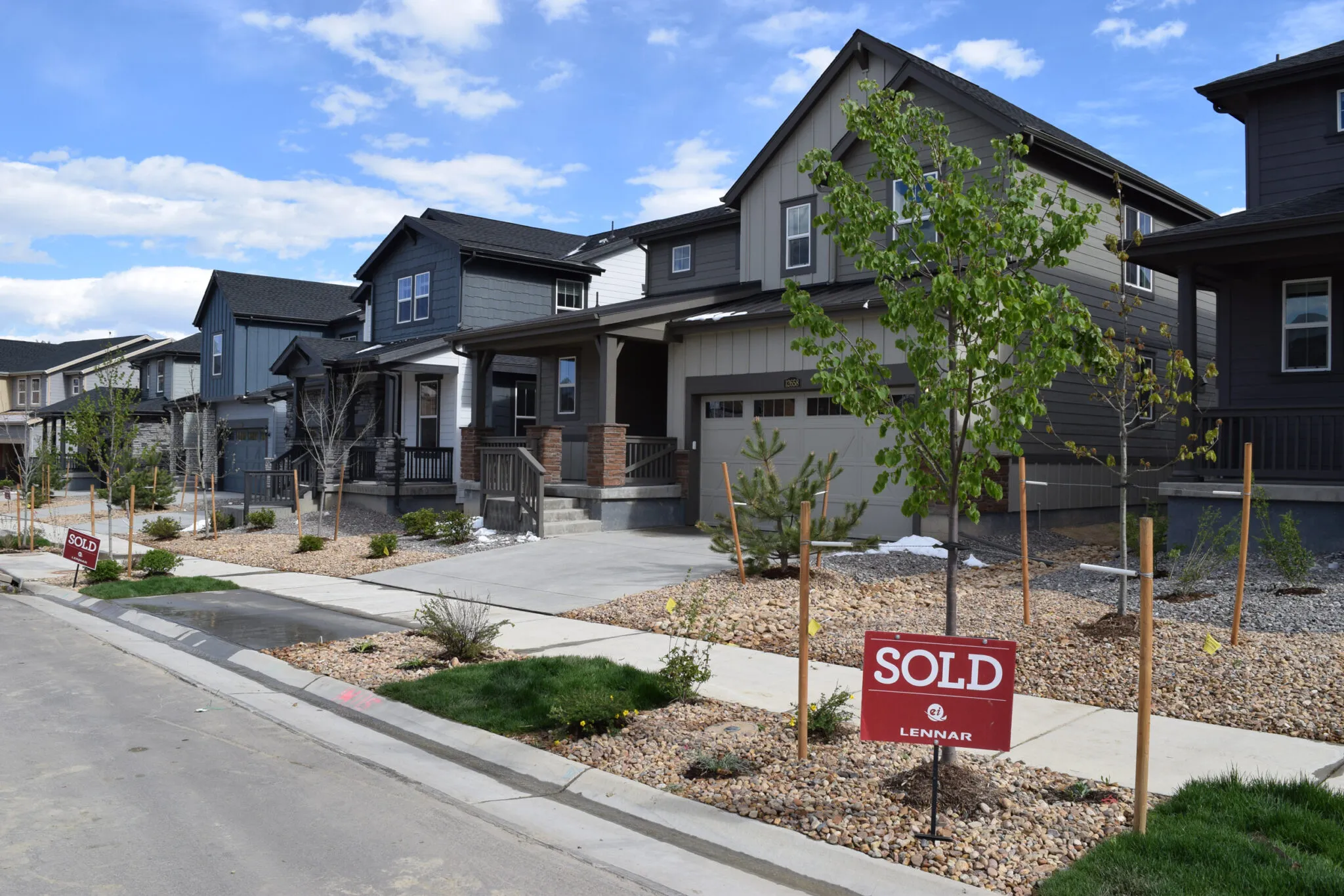
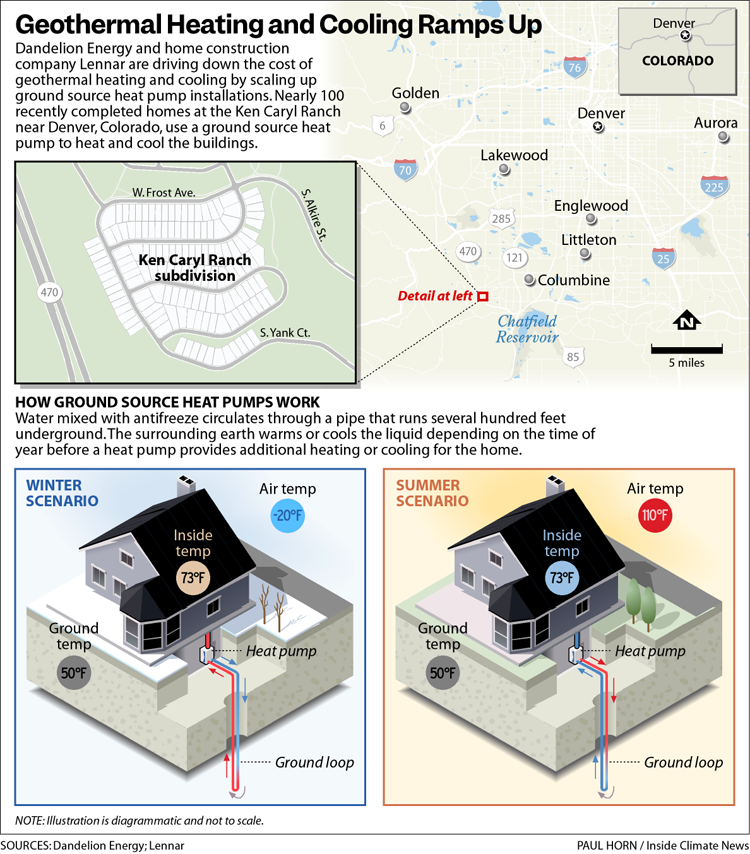
A quiet residential development at the base of Colorado’s Front Range is currently serving as the epicenter for a radical shift in how the United States approaches residential heating and cooling. At the Ken Caryl Ranch in Littleton, Colorado, a high-stakes partnership between homebuilder Lennar and geothermal startup Dandelion Energy has resulted in the successful deployment of ground-source heat pump (GSHP) systems across nearly 100 new homes. This pilot project, which represents one of the largest residential geothermal installations in American history, is being closely monitored by policymakers, urban planners, and utility executives as a blueprint for decarbonizing the nation’s housing stock.
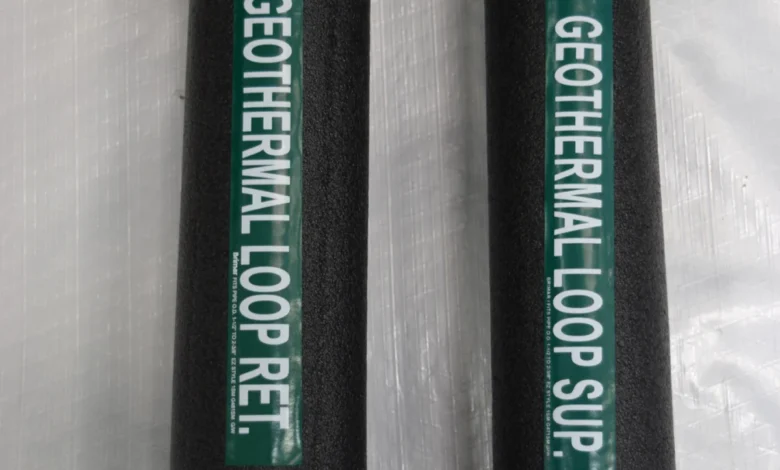
The core technology behind this development—ground-source or "geothermal" heat pumps—leverages the earth’s constant subsurface temperature. While air-source heat pumps struggle to maintain efficiency during the extreme cold snaps common to the Rocky Mountain region, ground-source systems tap into the thermal stability of the earth, where temperatures remain at approximately 50 degrees Fahrenheit regardless of surface weather. By circulating water through buried polyethylene pipes, these systems offer a level of efficiency that conventional HVAC systems cannot match, effectively eliminating the need for fossil-fuel-reliant gas furnaces and potentially ending the demand for new residential natural gas pipeline infrastructure.
A Chronology of Innovation and Scale
The journey to this deployment began in 2025, when Lennar, a titan of the American homebuilding industry, announced an ambitious collaboration with Dandelion Energy. Dandelion, a venture that emerged from "X," the moonshot factory owned by Google’s parent company, Alphabet, was founded with the specific mandate to commoditize a technology that had previously been reserved for custom, high-end, or luxury real estate projects.
Historically, the installation of geothermal systems was a bespoke, labor-intensive process. Each home required a custom-engineered borehole, often drilled hundreds of feet deep, with logistical costs frequently exceeding $10,000 for drilling alone. The industry’s failure to achieve economies of scale had long relegated GSHPs to a niche market.
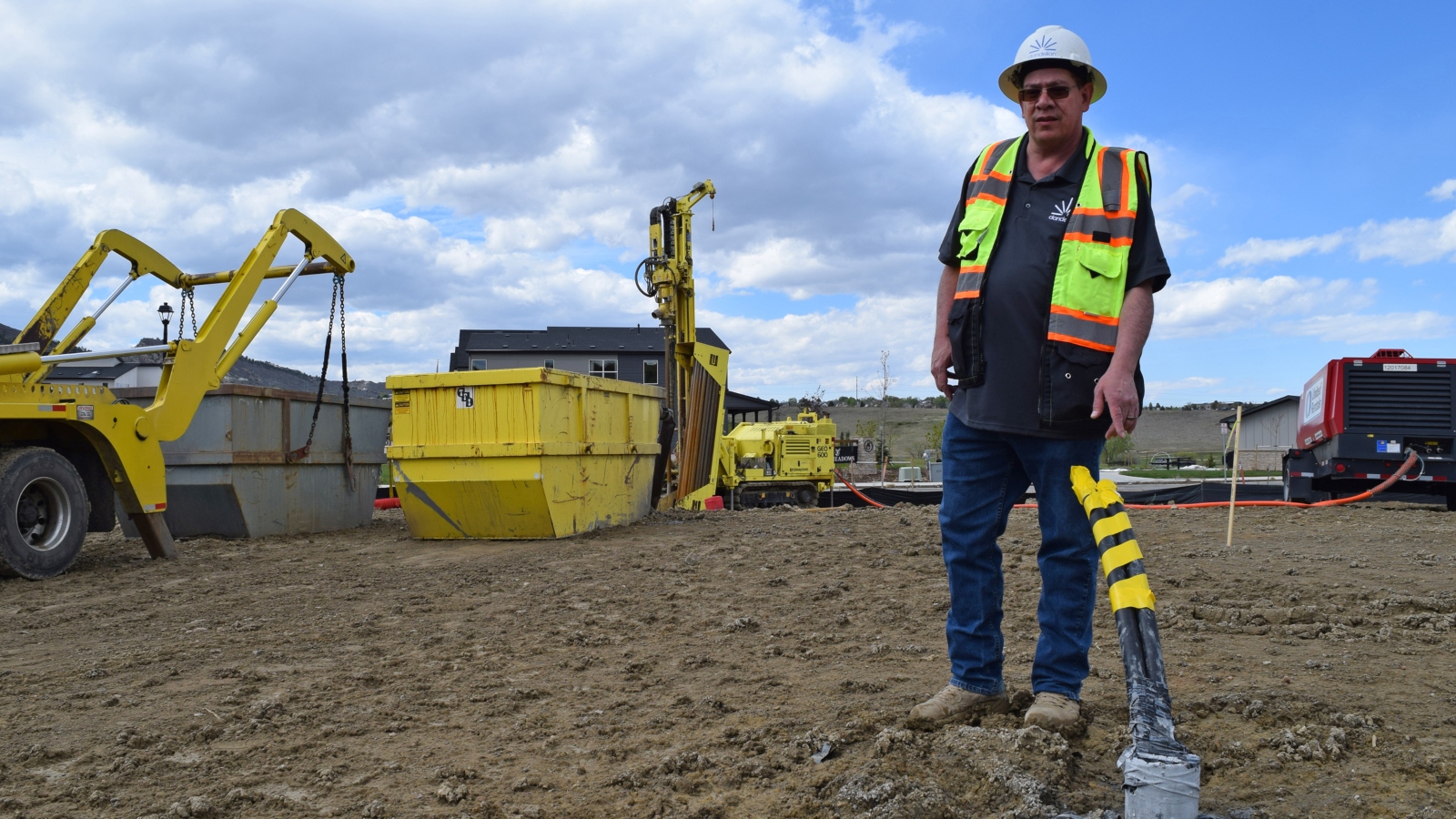
Dandelion’s strategy at Ken Caryl Ranch fundamentally altered this paradigm. By integrating the drilling phase into the initial site development—before building foundations were poured—the company transformed the process into a streamlined, mass-production workflow. Lightweight, agile drilling rigs moved from lot to lot with industrial efficiency, completing multiple boreholes per day. This approach drastically reduced the "dead time" typically lost to transporting heavy equipment for single-home installations. The partnership aims to complete 1,500 homes in Colorado within a two-year window, with a long-term goal of scaling to 10,000 installations per year nationwide.
The Mechanics of Efficiency
The technical advantage of the Ken Caryl deployment lies in the consistency of the heat exchange. During the winter months, when the demand for electricity on the grid spikes, an air-source heat pump must work significantly harder as the ambient air temperature drops, leading to higher power consumption. In contrast, the Dandelion system’s ground-loop draws heat from the stable, warmer subterranean environment. Data from the installation suggests that these systems use roughly one-quarter of the electricity required by air-source counterparts during peak winter demand, positioning them as a critical tool for grid stability.
For the homeowner, the system functions as a seamless, year-round climate control solution. In the summer, the process reverses: the system transfers heat from the home into the cooler earth, providing highly efficient air conditioning. Because the infrastructure is installed during the construction phase, developers avoid the high costs of retrofitting existing homes with complex ductwork or specialized HVAC units, making geothermal a competitive option for new residential subdivisions.
Economic and Regulatory Landscape
The transition toward geothermal is being bolstered by a confluence of private-sector ingenuity and public-sector incentives. The U.S. Department of Energy (DOE) released a report in 2025 suggesting that if geothermal heating and cooling could reach 7 million homes by 2035, the nation would reduce winter peak energy demand by more than 40 gigawatts. This reduction would translate into an estimated $4 billion in annual savings for the U.S. electric grid, effectively lowering the cost of energy for all consumers by mitigating the need for "peaker" power plants.
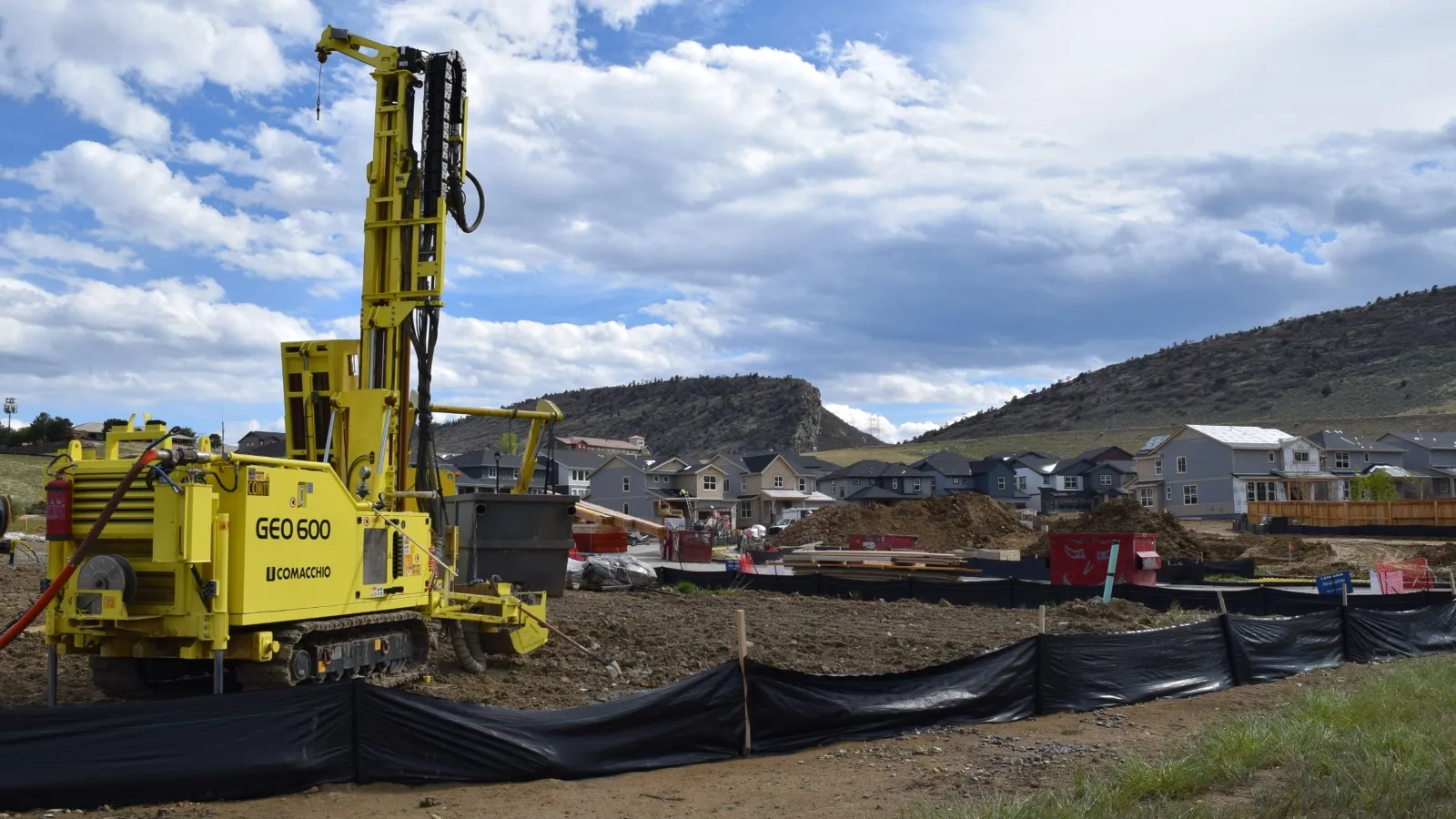
However, the primary barrier remains the high upfront capital cost, which the DOE estimates at approximately $25,000 per home. To bridge this gap, utilities and state governments are stepping in. Xcel Energy, Colorado’s largest utility, has implemented a rebate program that provides roughly $25,000 per home for developments that integrate ground-source heat pumps. For a developer like Lennar, this turns a potential cost burden into a financial neutral—or even a benefit—when combined with state tax credits and the elimination of the costs associated with extending natural gas service lines to new neighborhoods.
The policy environment in Colorado is uniquely supportive. Under the state’s Clean Heat Standard, utilities are mandated to reduce greenhouse gas emissions by 22 percent below 2015 levels by 2030. Furthermore, the state provides a $2,000 tax credit for ground-source installations. These policy signals are reverberating in other states as well; Maryland has recently initiated its own pilot programs, and federal tax credits under the Inflation Reduction Act now allow for 30 percent or more of installation costs to be covered on commercial projects, creating a robust financial tailwind for the technology.
Broader Implications for Urban Development
The success of the Ken Caryl project suggests that geothermal is no longer a fringe technology but a viable, scalable alternative for the modern homebuilder. Experts, including those from the Building Decarbonization Coalition, note that the convergence of market maturity, supportive policy, and technical refinement indicates a "takeoff" phase for the sector.
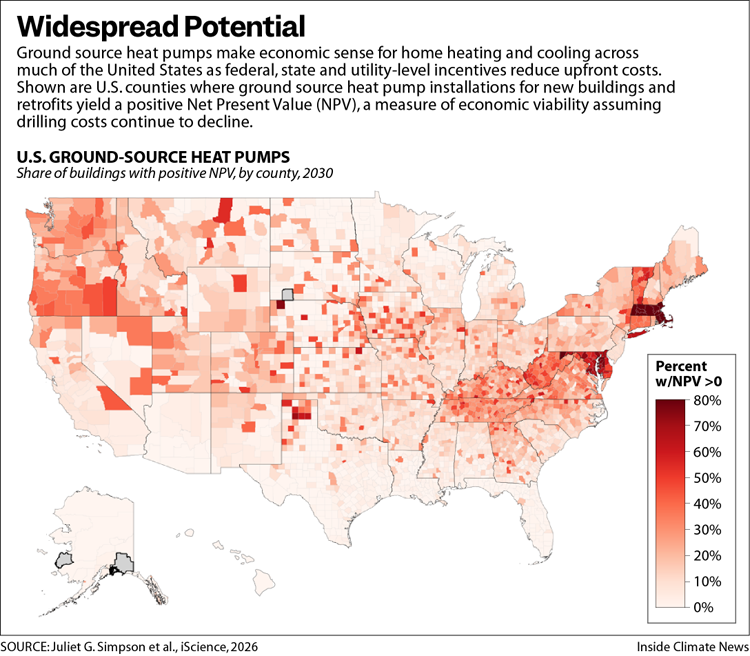
"It is technically possible everywhere, and there is economic potential across all states," noted Dr. Juliet Simpson, a former research engineer at the National Laboratory of the Rockies and lead author of a recent study published in iScience. The study confirms that even when accounting for varied subsurface conditions and local energy pricing, the widespread adoption of GSHPs is economically sound across the continental United States.
However, challenges remain. In densely populated urban environments, space constraints for drilling rigs and varying local permitting requirements pose significant hurdles to the "mass-market" approach that Dandelion is championing. Unlike a sprawling suburban development in Colorado, an infill project in an older city requires far more complex logistical planning.
The Road Ahead
As the industry looks toward the next decade, the focus will shift from proving the technology to perfecting the supply chain. The partnership between Lennar and Dandelion serves as a proof-of-concept for a model where geothermal becomes a standard utility, much like water or sewage, rather than a luxury upgrade.
By removing the reliance on fossil fuels, these communities are effectively insulating their residents from the volatility of global energy prices. As the nation grapples with the dual challenges of grid reliability and climate change, the quiet hum of geothermal pumps in Littleton may well represent the future of the American home—a future that is electrified, efficient, and, most importantly, scalable. The transformation of the housing sector will not happen overnight, but with current trends in policy and technology, the era of geothermal-by-default is increasingly becoming a reality for the next generation of American homeowners.