The Texas Data Center Gold Rush: How Tech Giants are Financing Rural Infrastructure to Win Over Skeptical Communities


A new water tower in Turkey, Texas, carries a $3 million price tag. Upgrades for a historic museum in Stamford require $400,000. In Medina County, a local first responders’ appreciation barbecue cost $10,000. These disparate expenditures, ranging from critical municipal infrastructure to modest community morale-boosters, represent a growing trend in the Lone Star State: the strategic deployment of corporate capital by data center developers into the heart of rural Texas.
An exhaustive analysis by The Texas Tribune reveals that data center companies have injected more than $343 million into various Texas communities over the past year alone. This capital infusion supports a wide array of public necessities, including school STEM programs, emergency services, and vital infrastructure repairs. The strategy is clear: as these tech giants face intense local resistance, they are utilizing their immense balance sheets to build goodwill, secure permits, and establish a long-term presence in towns that are often struggling with shrinking tax bases and aging utilities.
The Scope and Scale of Corporate Investment
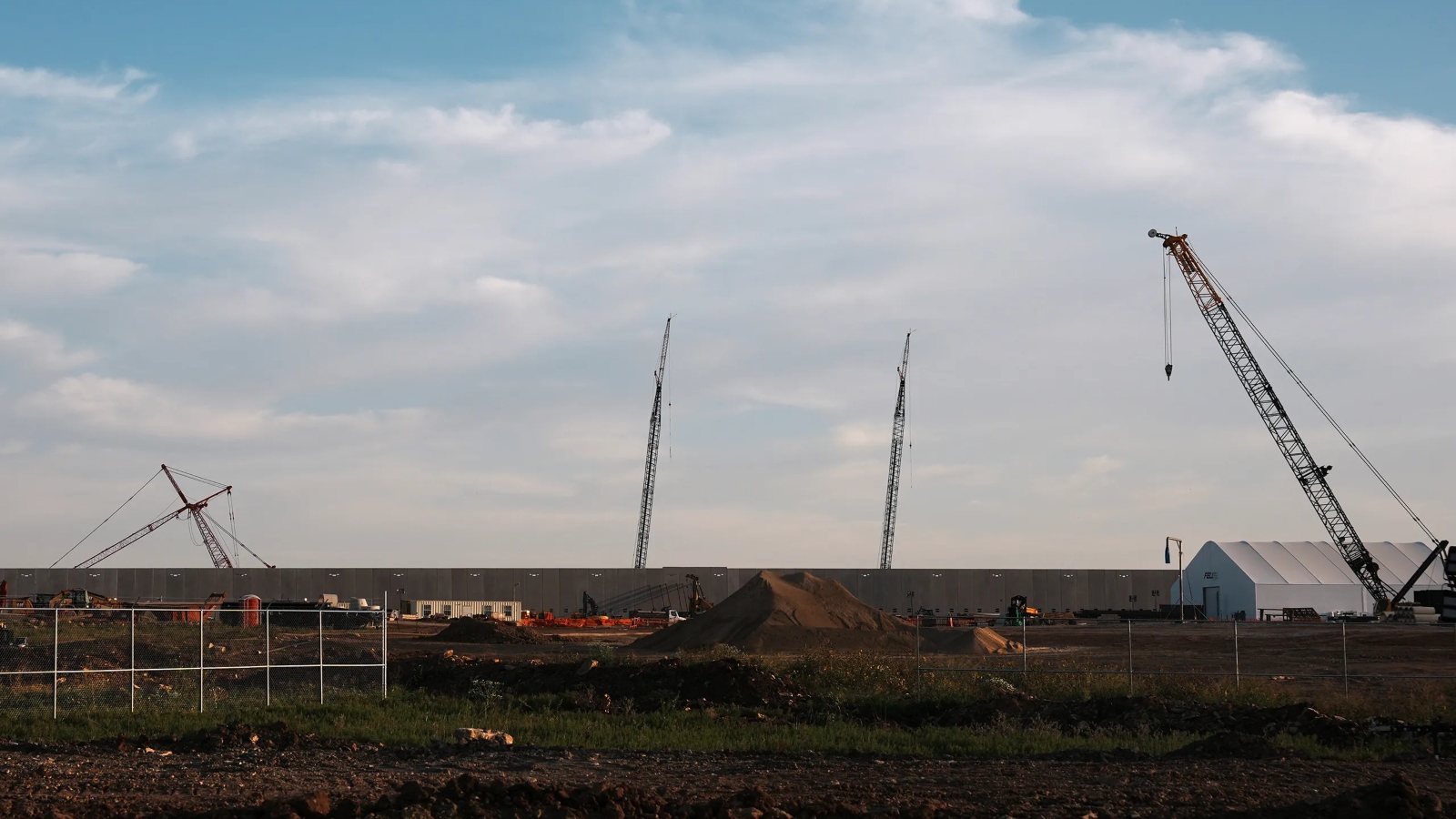
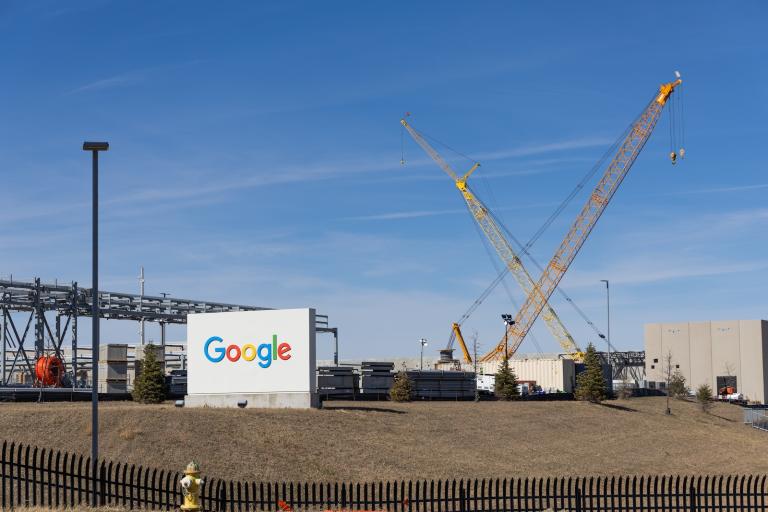
The $343 million figure is likely a conservative estimate. Because many private donations are not legally required to be disclosed to the public, the true extent of these investments may be significantly higher. The financial landscape of this movement is dominated by industry heavyweights. Google, for instance, has directed millions of dollars toward healthcare and educational initiatives in the Haskell area. Meanwhile, Rowan Digital Infrastructure has pledged a transformative $38 million to Temple, specifically targeting the city’s water infrastructure and educational STEM facilities.
These investments are not merely philanthropic; they are often integrated into the very fabric of local operations. Companies have developed “community action grants” and specific funds—such as Google’s Texas Water Impact Fund—to address the specific environmental and resource concerns that frequently trigger public opposition. By funding the replacement of leaking pipelines or the construction of water storage facilities, these companies position themselves as essential partners in local survival rather than mere industrial neighbors.
A History of Industrial Reliance and the Current Fiscal Cliff
The current reliance on corporate largesse is the latest chapter in a long history of Texas rural towns tethering their economic identity to outside industry. For decades, oil and gas corporations in West Texas followed a similar playbook, funding police stations, fire departments, and community events to weave themselves into the local social fabric. However, the current data center boom arrives at a moment of unique fiscal fragility.

Texas rural communities are currently navigating a "fiscal cliff" characterized by inflationary pressures, the rising cost of municipal services, and the unintended consequences of state-level property tax reforms. As the state legislature limits the ability of local governments to raise revenue through traditional taxation, small towns find themselves unable to afford the upkeep of basic infrastructure. This is where the data center developers enter as "white knights."
Suzanne Bellsnyder, an editor and publisher of two Panhandle newspapers, notes that the desperation for funding often outweighs the caution usually reserved for large-scale industrial projects. “There is no question that these data centers are an opportunity for rural communities that are living in the margin,” she observed. “Most infrastructure resources are paid with tax dollars, and there is not a ton there.”
The Regulatory Paradox: Tax Breaks vs. Local Contributions
While these companies are pouring millions into local projects, the state of Texas has simultaneously granted them massive tax incentives. An analysis conducted earlier this year found that the state is on track to forgo at least $3 billion in sales tax revenue over the next two years due to exemptions specifically carved out for the data center industry.
Critics argue that this creates a paradoxical situation: the state government provides billions in tax relief to multi-billion-dollar corporations, while local municipalities, starved of those potential tax dollars, must turn to those same corporations for direct handouts to maintain their water and power systems. This reliance creates a power imbalance where the "provider" of the water tower or the school funding may also be the largest consumer of the community’s limited utility resources.
Public Sentiment and the Battle for Trust
Despite these investments, public perception remains largely skeptical. A poll conducted in August by The Texas Politics Project found that 57 percent of Texans oppose the construction of data centers in their communities. Concerns center on the high electricity usage—which some fear could drive up residential energy costs—and the potential for these facilities to drain local water tables.
This skepticism has already led to tangible political consequences. In East Texas, a significant project was withdrawn following intense community backlash. Similarly, Lubbock city officials recently implemented a 90-day moratorium on large-scale data center projects after a citizen-led petition highlighted concerns over long-term sustainability.
Nathaniel Brown, director of public relations for Rowan Digital Infrastructure, acknowledges that the "integration phase" is the most challenging part of the project. To mitigate resistance, the company has implemented a transparency campaign, including monthly "neighbor dinners," public hearings, and dedicated social media channels for project updates. "This development doesn’t happen in a vacuum," Brown said. "It needs to be able to fit into the community’s vision for their area."
Case Study: The Resurrection of Temple
The city of Temple, located 70 miles north of Austin, offers a poignant example of this dynamic. Two years ago, a devastating tornado destroyed key municipal assets, including the Sammons Community Center—a hub for senior citizens. The cost to rebuild was estimated at $7.7 million, a daunting figure for the city.
Rowan Digital Infrastructure, currently developing a $4.2 billion campus in East Temple, stepped in with a $38 million commitment. This included $25 million for water infrastructure and $10 million for an aquifer storage and recovery program. Furthermore, the company pledged $3 million toward the reconstruction of the community center, contingent on voter approval of a municipal bond.
Mayor Tim Davis expressed appreciation for the investment, noting that the company’s willingness to fund projects before the facility is even operational indicates a desire for a positive long-term impact. "To go ahead and invest dollars into the community for a current need is very generous of them," Davis said. "That tells me they want to work hard to have a positive impact."
The Sustainability of the "White Knight" Model
While municipal leaders like Davis see these investments as a lifeline, others remain cautious. The history of rural development is littered with boom-and-bust cycles. When a singular industry drives the local economy, the community becomes vulnerable to that industry’s future shifts.
“I don’t want our entire identities to be built around what one company can provide to us,” Bellsnyder said. “We still need to figure out ways to take care of our own business. Nobody likes taxes, but taxpayers will have to be invested in the community.”

The case of Turkey, Texas, further illustrates this reliance. When the town’s water tower failed, the community of 275 residents had no budgetary capacity to fix it. QTS Data Centers, a global developer with operations in the county, stepped in to cover the $3 million to $5 million repair cost. Lynette Findley, the city manager, admitted the timing was serendipitous, noting that the company’s investment allowed the town to avoid a potential existential crisis. "I joke about it failing at the exact right time," she said.
Implications for the Future
As the Texas legislature prepares for the next session, the debate over data center regulation is expected to intensify. The tension between the need for economic development and the preservation of local resources will remain a central theme. While data centers offer a source of immediate capital that local governments can no longer easily secure through traditional means, the trade-off is a shift in local governance.
For now, the strategy of "community integration through investment" is working to keep the projects moving. As long as rural Texas faces a "fiscal cliff," these tech giants will likely continue to play the role of the modern-day provider. However, whether this model creates long-term, sustainable prosperity or simply masks the deeper issues of infrastructure underfunding remains a question that will only be answered in the years to come. For municipal leaders, the choice is increasingly stark: accept the corporate investment and the strings attached, or face the prospect of declining services and diminished capacity. In towns like Turkey and Temple, that choice is increasingly becoming the defining challenge of the decade.