The Silent Invasion of the Great Plains: Why the Green Glacier Threatens America’s Grassland Heartland

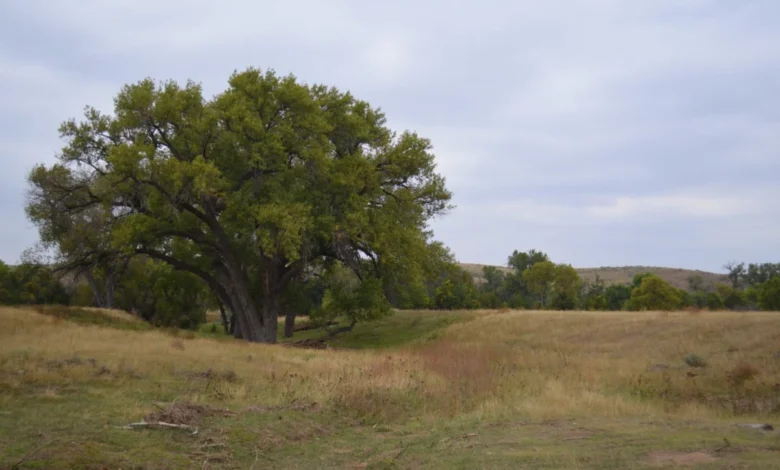
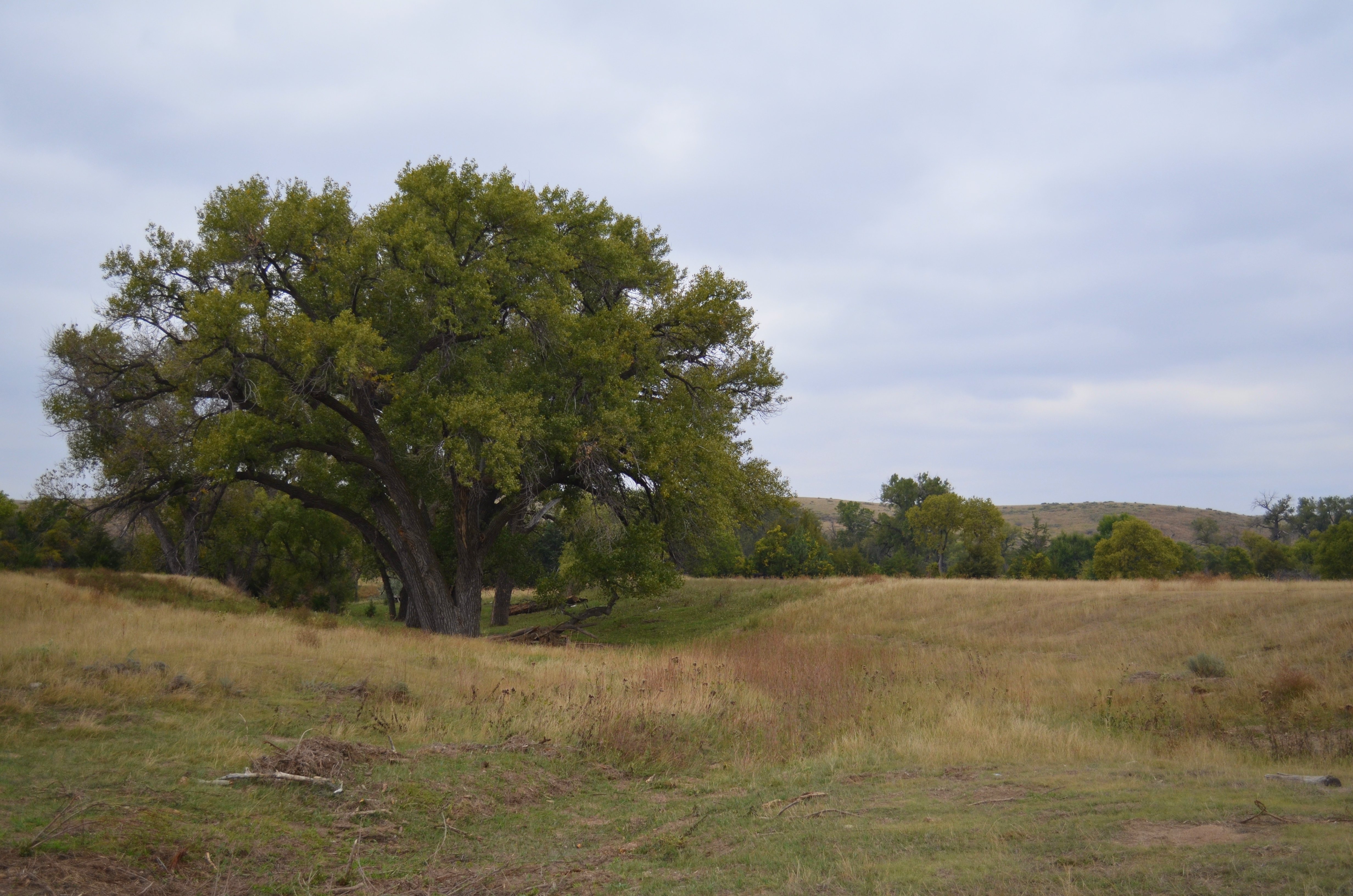
From an altitude of 3,000 feet, the Nebraska Sandhills appear as an endless, undulating ocean of grass, interrupted only by the serpentine paths of rivers and the occasional cluster of grazing cattle. To the untrained eye, this 19,500-square-mile landscape is a pristine vestige of the American frontier. However, to those who steward this land, the view from above reveals a creeping, transformative crisis. Shelly Kelly, a lifelong rancher and executive director of the Sandhills Task Force, watches as the orderly windbreaks of eastern red cedar—planted by generations of settlers to protect livestock—begin to spill over. These trees are no longer confined to the shelterbelts; they are colonizing the open range, marking the advance of what ecologists have grimly dubbed the "green glacier."
This phenomenon, known as woody encroachment, is rapidly altering the topography of the Great Plains. It is a slow-motion ecological shift that threatens not only the biodiversity of one of North America’s most critical biomes but also the economic viability of the ranching industry that has defined the region for over a century.
The Historical Roots of a Modern Crisis
The presence of trees in the Sandhills is, in many ways, a human legacy. Before Nebraska was known as the "Cornhusker State," it was officially dubbed the "Tree Planter State." This identity was cemented by federal policy, specifically the Homestead Act of 1862 and the Kinkaid Act of 1904, which mandated that settlers cultivate their land with trees to secure ownership. For decades, the eastern red cedar (Juniperus virginiana) was the species of choice: it is hardy, fast-growing, and effective at blunting the brutal prairie winds.
However, the unintended consequences of these policies have become increasingly apparent. As fire suppression became the standard for land management in the 20th century, the natural mechanism that kept these trees in check—periodic, intense wildfires—was removed from the landscape. Without fire to cull the encroaching seedlings, the cedars have been allowed to mature, develop thick, fire-resistant bark, and spread their seeds across vast distances. Each mature tree can effectively seed an area with a 200-foot radius, leading to a geometric progression of expansion that, if left unchecked, can convert a productive grassland into a dense, unproductive woodland in just a few decades.
Economic and Ecological Consequences
The economic toll of this transition is staggering. Research from the Texas A&M AgriLife Extension service suggests that woody encroachment across the 10 Great Plains states accounts for approximately $4 billion in lost rangeland production. As trees occupy space previously held by native grasses, the carrying capacity for cattle—the backbone of the rural Plains economy—diminishes significantly.
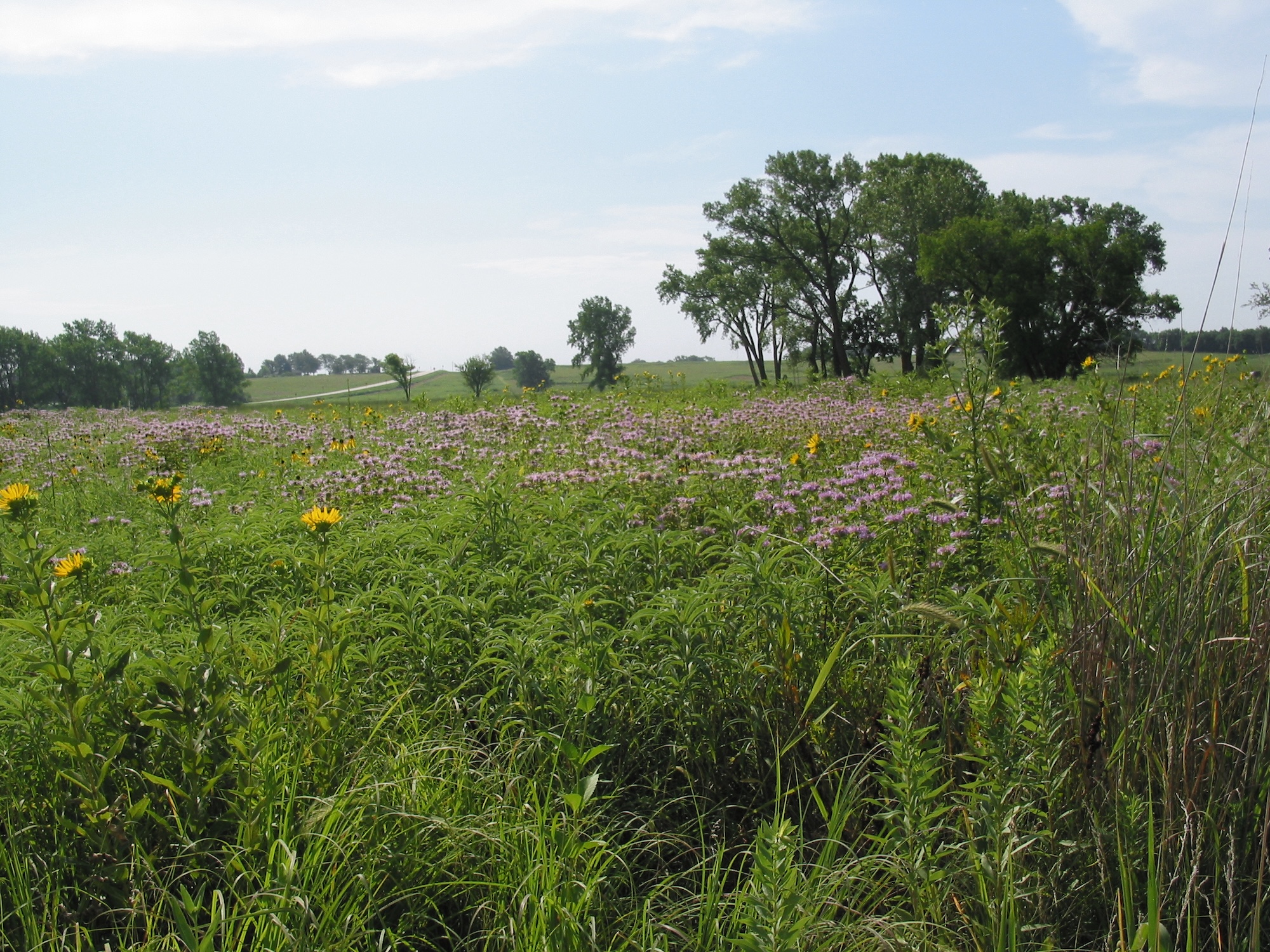
Beyond the balance sheets of ranchers, the ecological implications are profound. Tallgrass prairies, which once stretched from the foothills of the Rockies to the Appalachian plateaus, have been reduced to just 4 percent of their original extent. This makes them one of the most altered and endangered landscapes in North America. The conversion of these grasslands to woodlands disrupts the habitat for specialized insects, migratory birds, and small mammals that rely on the open-canopy structure of the prairie.
Furthermore, there is a growing concern regarding water security. Grasslands are efficient at capturing and retaining moisture in their complex, deep-reaching root systems. Trees, by contrast, are high-volume water consumers. As the "green glacier" creeps from the wetter eastern prairie states toward the arid western regions, the increased evapotranspiration caused by dense cedar groves puts additional strain on aquifers and surface water supplies already stressed by climate change and agricultural demand.
The Science of Carbon Sequestration
A common misconception in the climate conversation is that planting trees is the universal solution for carbon sequestration. While forests are undeniably vital, recent research from the University of California, Davis, and other institutions has highlighted that grasslands are often a more secure and reliable carbon sink.

The distinction lies in where the carbon is stored. Trees store the majority of their carbon in their trunks, branches, and leaves—above-ground biomass that is highly susceptible to release during the increasingly frequent and severe wildfires driven by climate change. When a forest burns, the carbon is released back into the atmosphere, and the recovery of that storage capacity can take decades. Grasslands, conversely, store the vast majority of their carbon underground in deep, complex root systems. Even when the surface vegetation burns, the soil-bound carbon remains stable, and the grasses regenerate rapidly, maintaining the sequestration cycle without the risk of massive, sudden atmospheric release.
A Cultural Shift in Management
Addressing the encroachment of woody plants requires a fundamental pivot in how land is managed, moving away from "hands-off" preservation toward active stewardship. Brian Obermeyer, the Great Plains grasslands strategy director for The Nature Conservancy, emphasizes that the prairie has never been a static wilderness; it has always been shaped by the interplay of fire, grazing, and human activity.
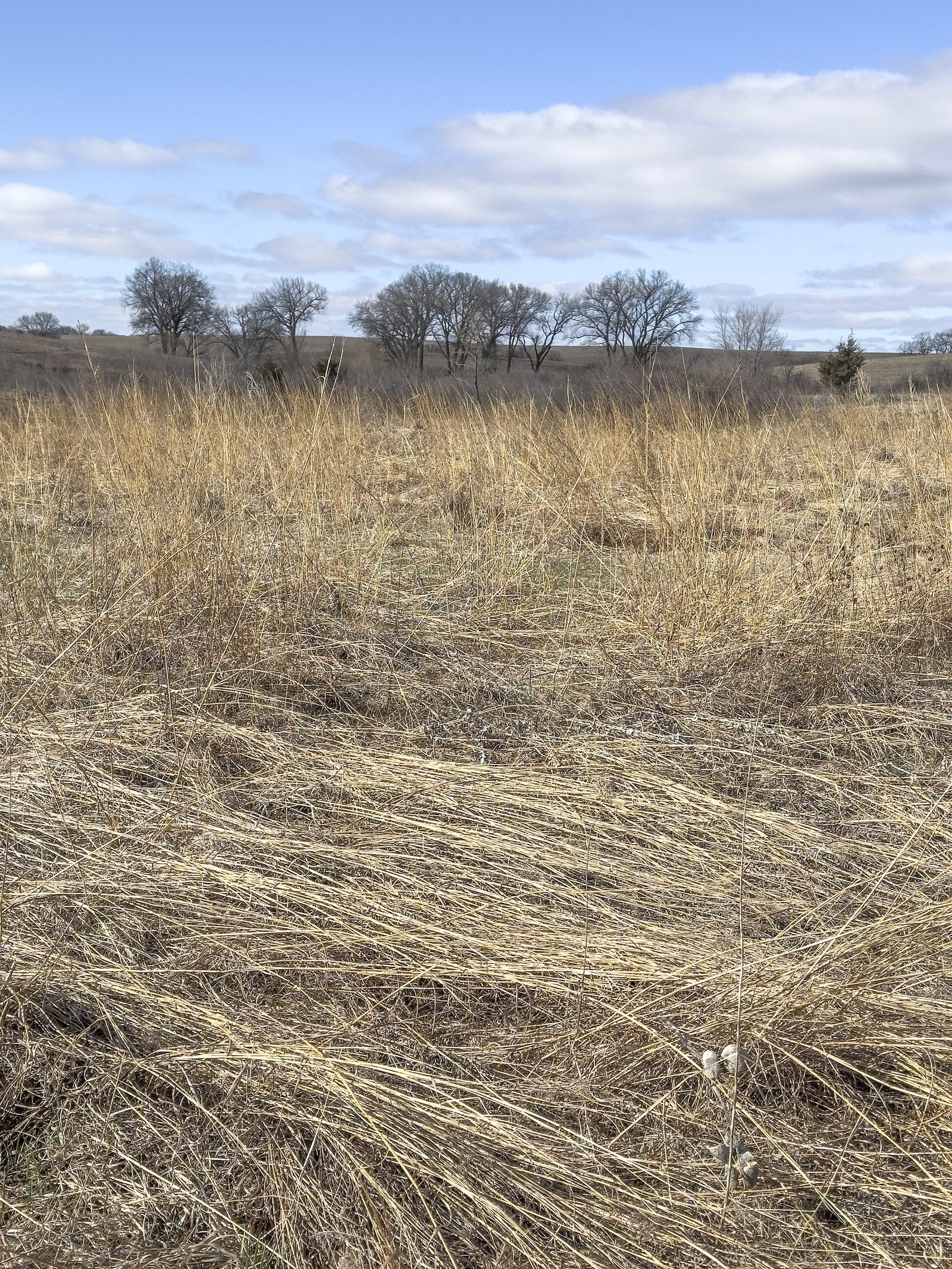
The most effective tool in the restoration arsenal is the prescribed burn. In the Flint Hills of Kansas and the Osage Hills of Oklahoma, the practice of controlled burning has persisted as a cultural tradition, dating back to the era of the Chisholm Trail. Records indicate that even in 1915, lease contracts often required land to be burned to ensure that cattle had access to the high-protein, tender grasses that sprout in the wake of a fire.
"Getting people comfortable with the culture of prescribed fire takes time," says Obermeyer. The challenge in places like Nebraska is overcoming a long-standing "anti-fire" sentiment that has been ingrained in the local culture for generations. Efforts are currently underway to integrate these practices, with organizations like the Sandhills Task Force providing technical assistance and financial incentives—covering up to 75 percent of the costs of cedar removal—to help ranchers reclaim their land.
The Future of the High Plains
Despite the scale of the challenge, there is a growing sense of urgency and optimism among conservationists and landowners. The movement is not merely about clearing trees; it is about restoring the resilience of an entire ecosystem. Chris Helzer, Nebraska’s director of science and stewardship for The Nature Conservancy, notes that the goal is not to eradicate every tree, but to find a balance. "To some extent, you can have a prairie that has trees," he explains. "But there’s a line—when you cross that line, you have a woodland with clearings, not a grassland with trees."
This transition is being supported by a diverse coalition of stakeholders, including the InterTribal Buffalo Council and the Tanka Fund, which are working to reintroduce bison to the Plains. Bison, as a keystone species, provide natural grazing pressure that, when paired with strategic fire management, creates the mosaic of vegetation necessary to maintain a healthy, diverse grassland.
As the region moves forward, the success of these efforts will depend on the ability to reconcile the history of the "Tree Planter State" with the ecological realities of the 21st century. The task is to convince landowners that the most virtuous act of conservation may not be planting a new tree, but rather carefully and strategically removing those that do not belong. With only a fraction of the original tallgrass prairie remaining, the opportunity to protect the integrity of the High Plains is closing, yet the tools to succeed—knowledge, funding, and a renewed appreciation for the landscape—are more available now than ever before. The future of the American prairie, it seems, depends on the willingness of its stewards to pick up the saw and return the fire to the grass.