Global Consensus on Rising Seas Marks Rare Diplomatic Victory Amidst Heightened Climate Tensions

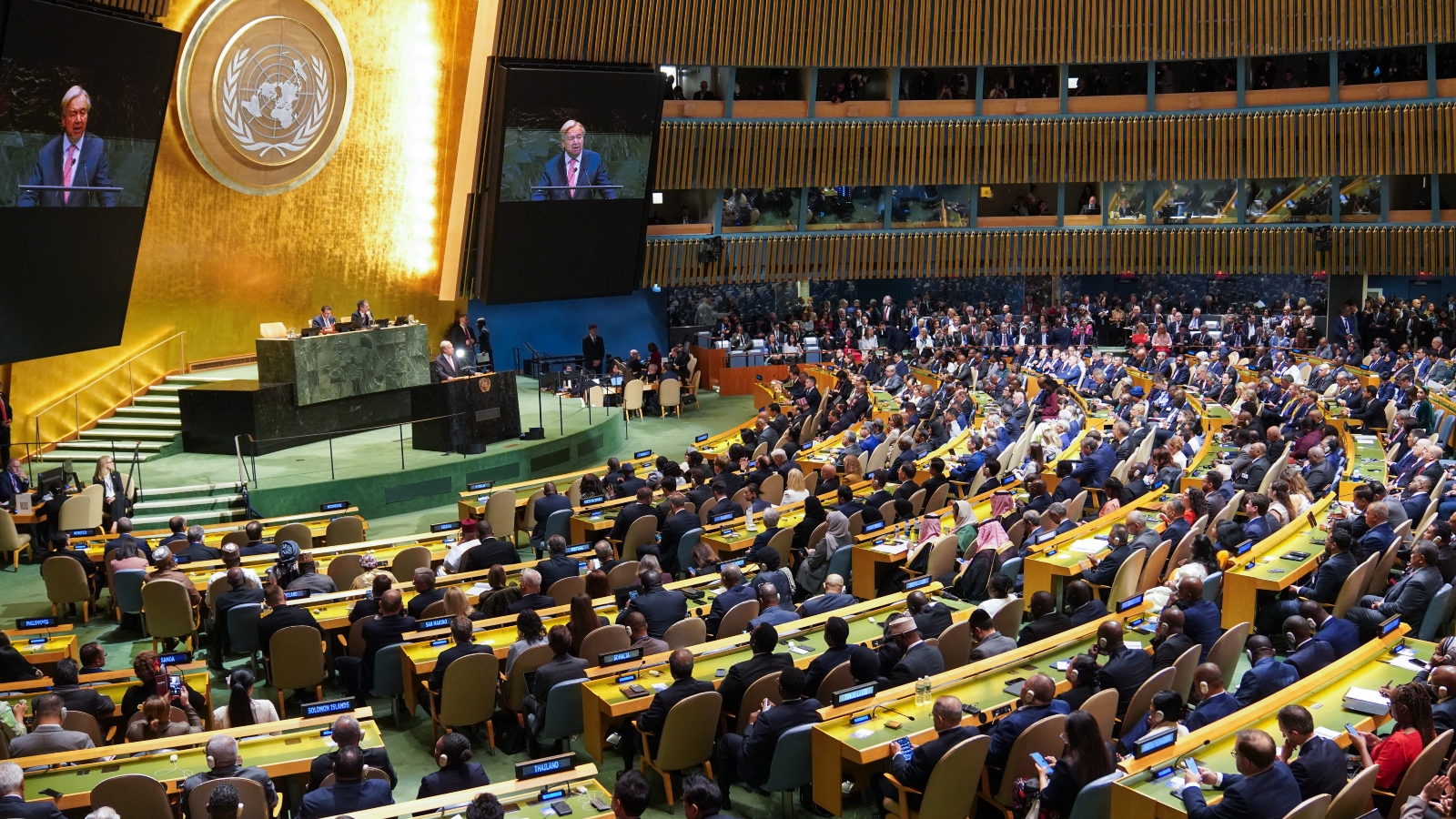
The United Nations General Assembly has achieved a rare moment of international cohesion this week, securing a unanimous resolution regarding the preservation of sovereign statehood and maritime boundaries in the face of accelerating sea level rise. The adoption of this accord serves as a surprising pivot in a year defined by the aggressive isolationist climate policies of the second Trump administration, which has previously withdrawn the United States from the Paris Agreement and actively campaigned against international carbon taxation initiatives.
While the current U.S. administration has frequently leveraged the threat of tariffs to silence climate-related discourse on the global stage, this week’s resolution moved forward without American interference. The document represents more than a symbolic gesture; it provides a foundational legal framework for island nations currently facing the existential threat of total inundation, ensuring they maintain their status as sovereign entities and retain control over their lucrative maritime economic zones even as their physical landmasses disappear.
A Chronology of Climate Diplomacy and Contention
To understand the weight of this week’s declaration, one must view it against the backdrop of the past two years of international climate policy. Following the 2024 United Nations climate summit (COP29), which set a target of $300 billion in annual climate aid by 2035, the global community has struggled to maintain momentum.
In early 2025, the Trump administration signaled a clear departure from established climate norms by dismantling significant portions of the U.S. Agency for International Development (USAID) and rejecting international aid obligations. By mid-2025, reports emerged of the U.S. applying intense diplomatic pressure to deter nations from vocalizing concerns over climate-driven instability. Despite this, the Alliance of Small Island States (AOSIS)—a critical coalition of low-lying nations—has spent the last eighteen months lobbying for a legal remedy to the "disappearing state" phenomenon.
The successful passage of this resolution this week at the UN General Assembly functions as the culmination of a decade of legal advocacy, bridging the gap between the International Court of Justice’s (ICJ) 2025 landmark ruling on statehood and functional diplomatic policy.
The Legal Framework: Preserving Sovereignty in a Sinking World
The core of the new resolution rests on the concept of "presumption in favor of continued statehood." Historically, international law relied on the Westphalian principle that a state must possess a defined territory, a permanent population, and a government to maintain sovereignty. Under the new declaration, the international community has formally agreed that the loss of physical territory due to climate change does not equate to the dissolution of the state itself.
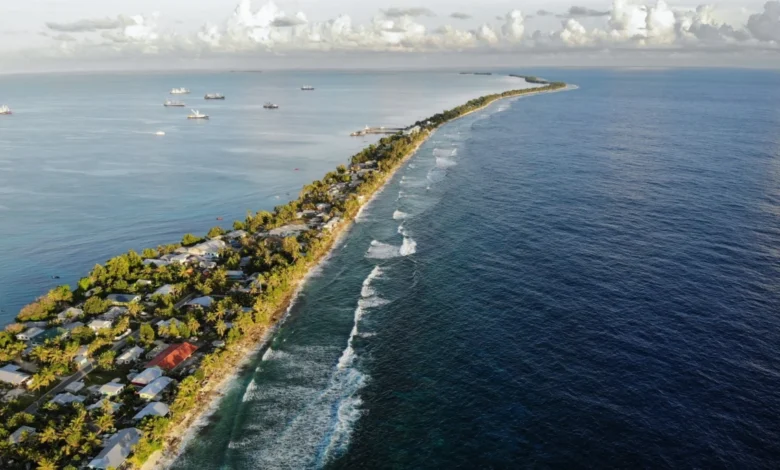
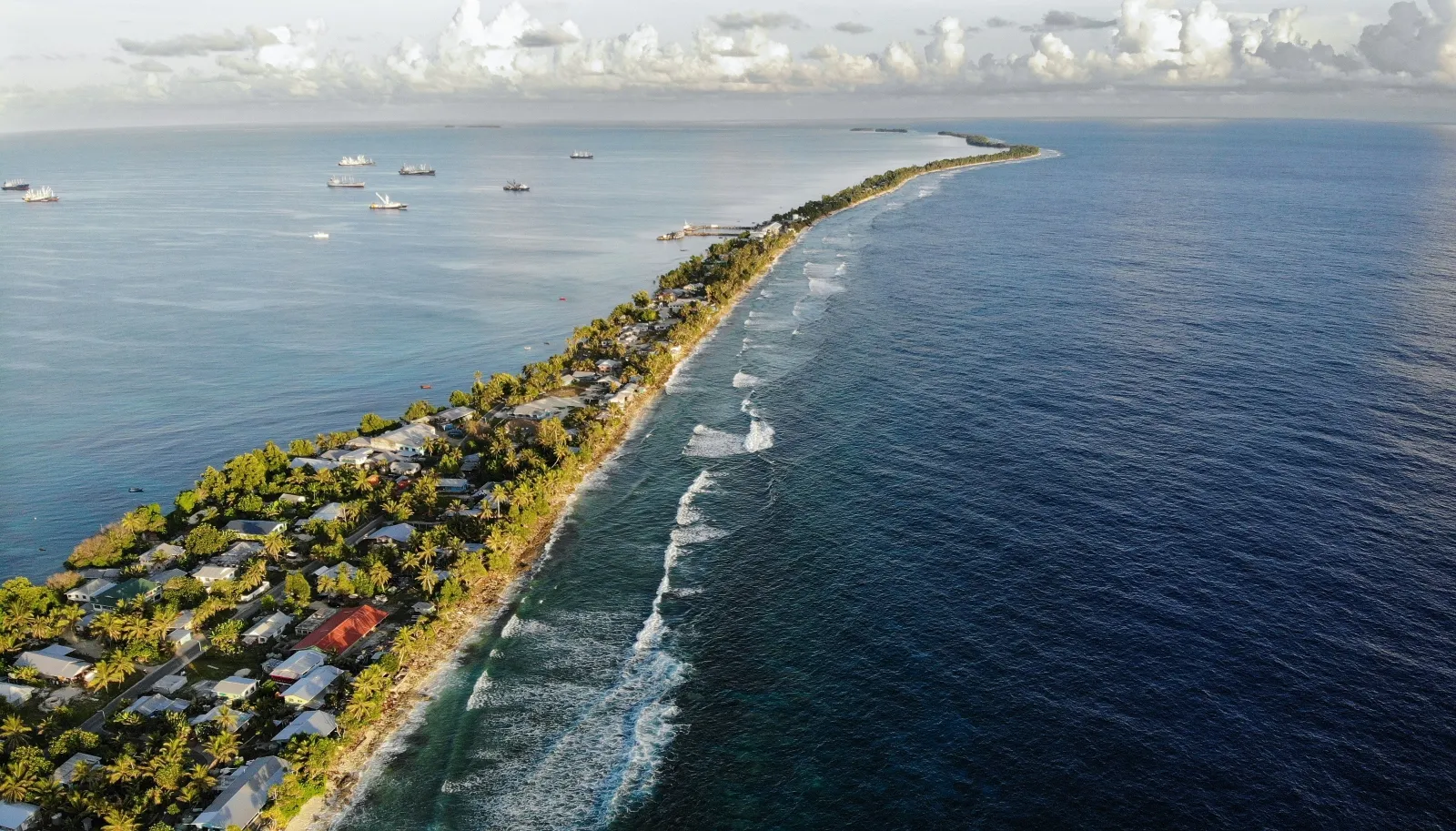
This legal shift provides a safeguard for countries such as Tuvalu, the Marshall Islands, and the Bahamas. By codifying that maritime zones—the stretches of sea extending from coastlines that grant rights to fishing, mineral extraction, and renewable energy development—remain fixed even if the coastline retreats, the resolution prevents a potential "free-for-all" in the Pacific and Atlantic oceans.
Prime Minister Philip Davis of the Bahamas emphasized the existential nature of this victory in an interview. "Our landmass is less than 3 meters above sea level; we are already seeing our land being swallowed by water," Davis stated. "The global effort to stem the carbon footprint has stalled, but this declaration provides a necessary legal shield against the idea that might makes right."
Economic and Strategic Implications
The implications for maritime security are profound. For many island nations, the seabed represents their primary economic asset. Deep-sea mining and offshore energy development are burgeoning industries, and without these protections, there was a legitimate fear that larger powers might move to claim "orphaned" maritime zones as islands became uninhabitable.
Bryce Rudyk, a law professor at New York University and a legal advisor to AOSIS, suggests that the U.S. decision not to block the resolution was likely motivated by self-interest rather than a shift in climate ideology. "Everyone will lose land to some extent, and no one wants to lose ocean territory," Rudyk explained. "It is in every nation’s interest, including the United States, to ensure that maritime boundaries remain stable despite physical geographical changes. If a major power sets a precedent that sinking land loses its maritime rights, they eventually jeopardize their own exclusive economic zones."
The Funding Gap and the Reality of Adaptation
Despite the success of the resolution, significant challenges remain regarding the financial implementation of climate adaptation. The $130 billion currently provided annually by wealthy nations to developing ones for climate mitigation falls far short of the trillions required to build resilient infrastructure.
Data from the Organization for Economic Cooperation and Development (OECD) indicates that while the nominal amount of climate finance has grown, the composition of this aid remains heavily skewed toward loans. For nations already burdened by debt—such as the Bahamas, which continues to struggle with the economic aftermath of Hurricane Dorian in 2019—additional loan-based climate financing is often unsustainable.
The resolution’s inclusion of language urging "expanded access" to adaptation funds represents a major diplomatic achievement, even if the declaration itself does not compel specific spending. The fact that the U.S. State Department allowed this language to pass without formal objection suggests a subtle, if narrow, area of cooperation where the administration perceives a national security or economic benefit.
Analysis of the Multilateral Shift
The unanimous approval of the resolution stands in stark contrast to the broader erosion of the rules-based international order observed over the last two years. While the Trump administration has been characterized by its withdrawal from multilateral agreements, the sea level rise declaration highlights a nuanced reality of modern diplomacy: even isolationist regimes must engage with global norms when those norms protect their own territorial and economic interests.
Kamal Amakrane, managing director of the Global Center for Climate Mobility and a former UN climate envoy, noted that the achievement is particularly striking given the current climate of hostility between major powers. "We have achieved a consensus on the fundamental rights of the most vulnerable in a year where consensus has been historically hard to come by," Amakrane observed.
Looking Forward: The Path to 2035
As the international community looks toward the next cycle of climate talks, the UN resolution will likely serve as a foundational document for future negotiations. While it does not solve the underlying physics of melting ice sheets or the urgent need for a drastic reduction in global carbon emissions, it provides a stable legal footing for those most at risk.
The focus now shifts to whether this "presumption of statehood" can be integrated into the domestic legal codes of major maritime powers and whether the promised $300 billion in annual aid will materialize in a form that is actually usable for small island states. As sea levels continue to rise, the tension between the legal reality of sovereign states and the physical reality of a warming planet will remain the defining challenge of 21st-century international law. For now, however, the international community has at least agreed that the map of the world, and the rights of those who inhabit it, should not be washed away by the tides.
Related posts: