The High-Stakes Exchange: How Texas Data Centers Are Trading Massive Investments for Public Goodwill

A new water tower in Turkey: $3 million. Upgrades for a museum in Stamford: $400,000. A first responders appreciation barbecue in Medina County: $10,000. These disparate line items represent a growing, multi-million-dollar trend that is fundamentally altering the landscape of rural Texas. As the state cements its status as a global hub for high-performance computing, data center developers are deploying vast capital not just into server racks and cooling infrastructure, but into the very civic fabric of the towns they occupy.
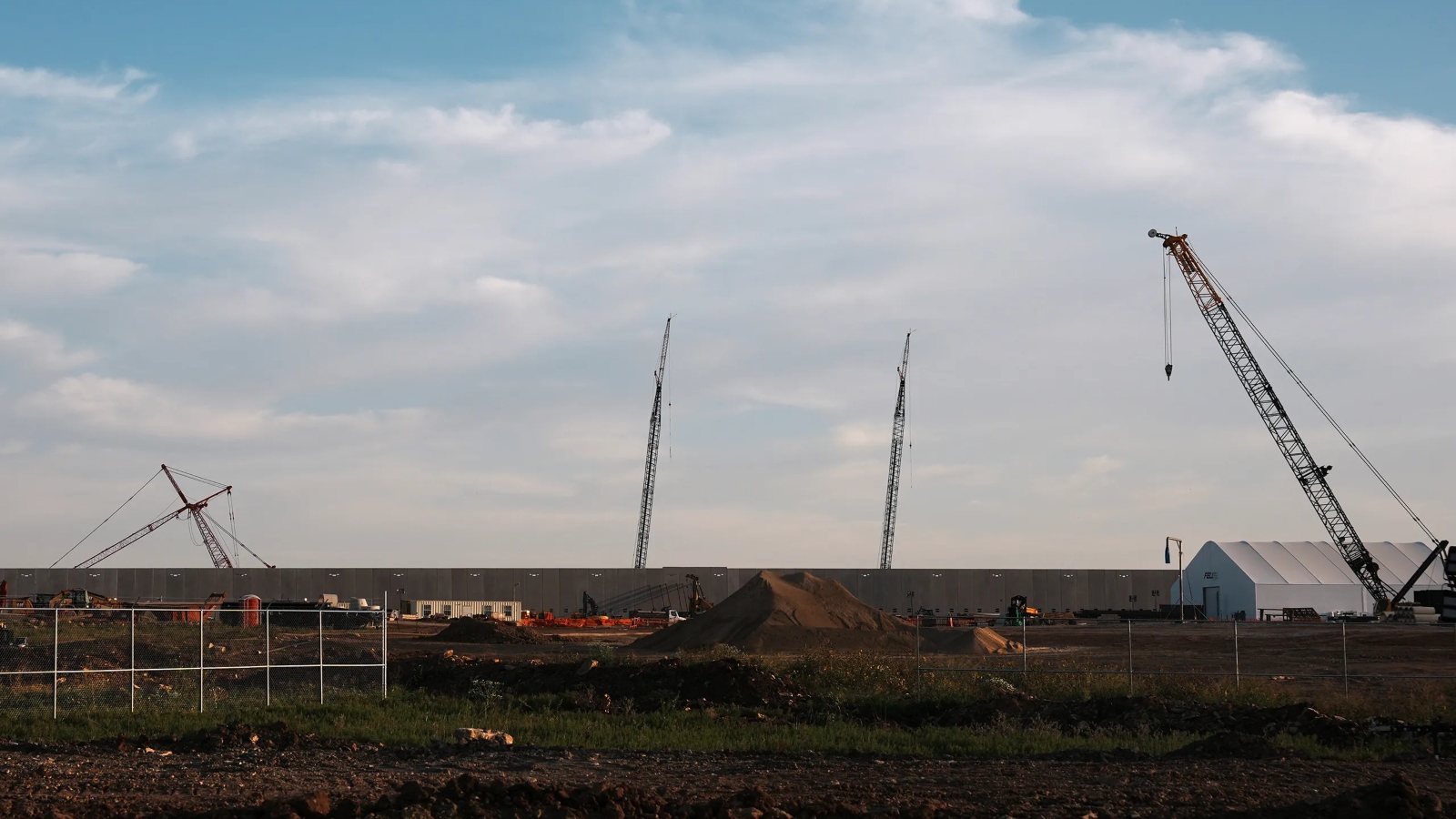
An analysis conducted by The Texas Tribune reveals that data center operators have funneled more than $343 million into various community initiatives across the Lone Star State over the past year. This influx of capital—ranging from school district grants and emergency service funding to massive water infrastructure overhauls—serves as both a lifeline for cash-strapped municipalities and a strategic maneuver to mitigate widespread public opposition. Because many of these corporate social responsibility contributions remain private, experts suggest that this $343 million figure is likely a conservative estimate of the industry’s true footprint in local philanthropy.
The Financial Tug-of-War
Texas is currently navigating a period of intense industrial expansion. Data centers, which power the artificial intelligence boom and the digital economy, require enormous amounts of land, electricity, and water. However, this growth has collided with a reality of fiscal tightening in rural Texas. As the state legislature explores further property tax exemptions and inflationary pressures mount, many small towns face a "fiscal cliff."

In this environment, data center companies have emerged as unexpected financiers. Their investments often arrive at critical junctures. For instance, in Temple, a city still recovering from the economic and structural fallout of a devastating tornado two years ago, Rowan Digital Infrastructure has pledged $38 million to support the city’s water recovery programs. This commitment includes $25 million for a capital program and $10 million for an aquifer storage and recovery initiative. Such investments are not merely philanthropic; they are necessary prerequisites for obtaining the "social license to operate" in communities that have grown increasingly skeptical of industrial encroachment.
A Chronology of Conflict and Cooperation
The relationship between these tech giants and rural residents has been fraught. The tension escalated throughout 2026 as residents voiced concerns over the strain on local power grids and water supplies. In July 2026, an East Texas data center project was abruptly withdrawn following intense community backlash. Shortly thereafter, leaders in Lubbock took the significant step of passing a 90-day moratorium on large-scale data center projects, citing the need for further study on the industry’s impact.
This climate of skepticism is backed by polling data. An August 2026 study from The Texas Politics Project found that 57 percent of Texans oppose the construction of a data center in their own community. The industry’s response has been a systematic, high-touch public relations campaign. Companies like Google and Rowan have moved beyond traditional corporate donations, hosting monthly "neighbor dinners," establishing dedicated community Facebook pages, and holding public hearings to address the technical anxieties of local residents.
Strategic Philanthropy as Infrastructure
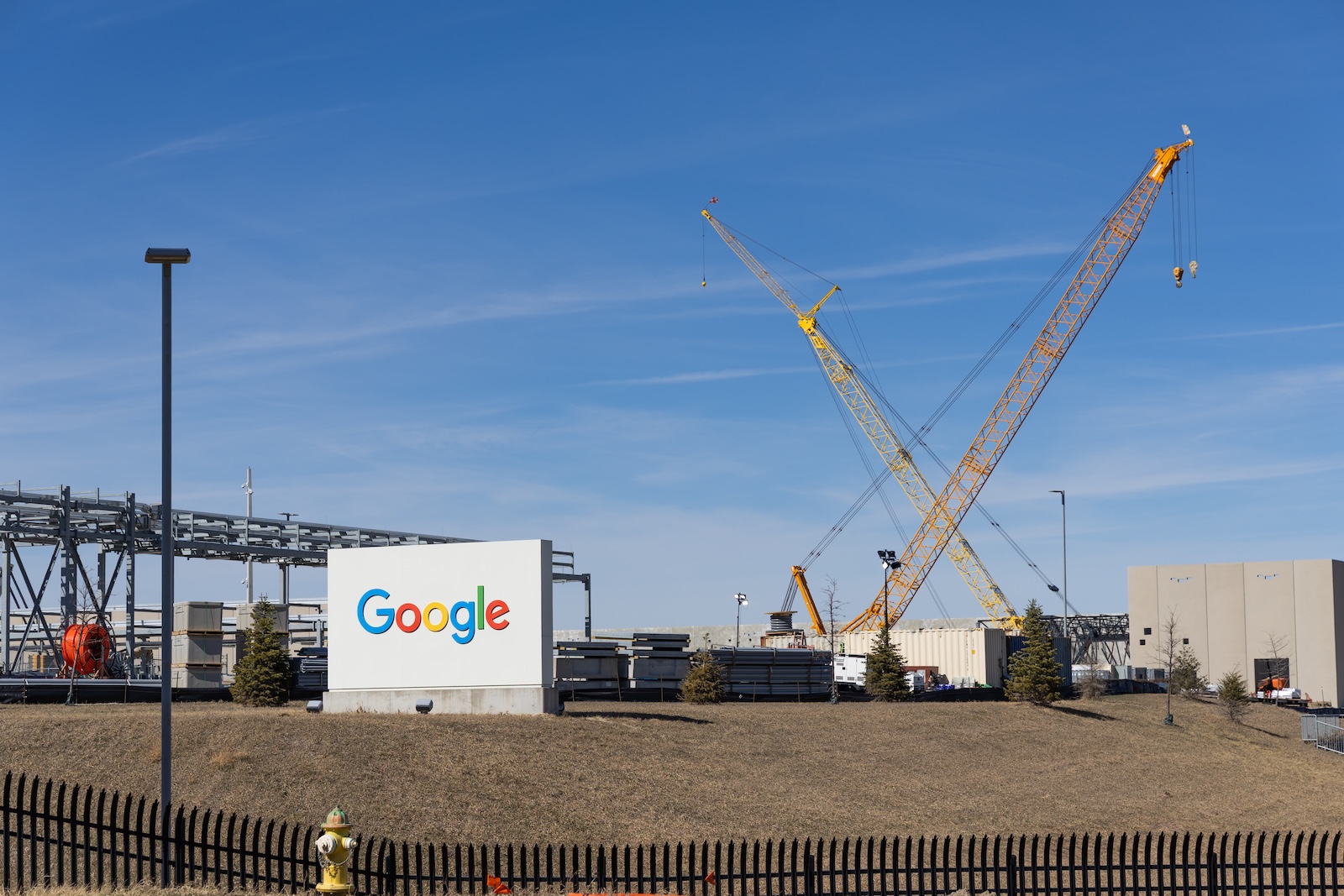
The nature of these investments suggests a shift from broad, abstract charitable giving to hyper-targeted infrastructure support. Google, for instance, has established the Texas Water Impact Fund, a vehicle specifically designed to address local water concerns—a top priority for rural Texans. In the town of Vernon, the company committed $4.5 million to repair a leaking pipeline, a project that provides immediate, tangible value to residents while simultaneously protecting the company’s own operational interests.
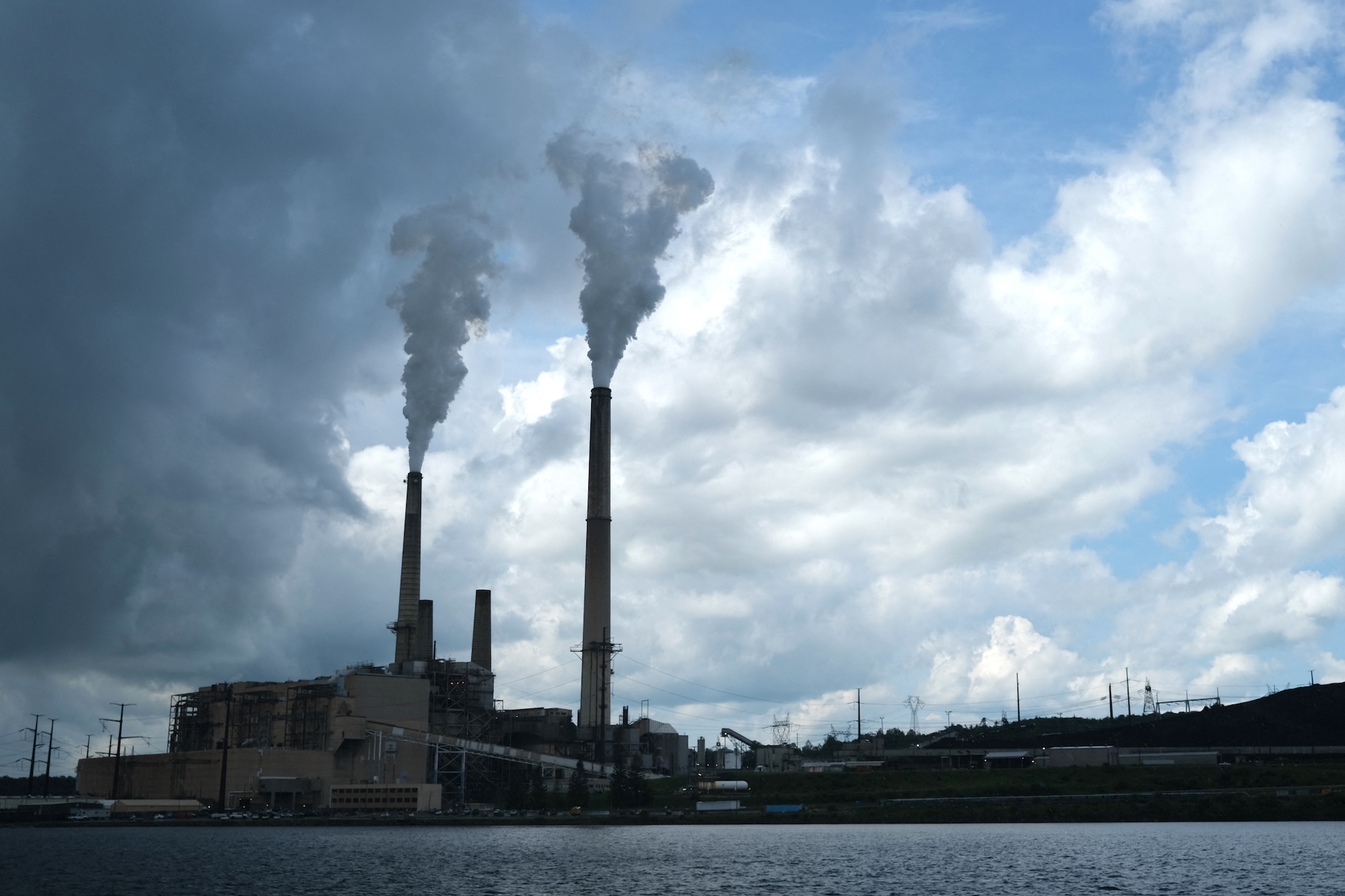
In Childress, the contrast between perception and reality is stark. While some residents blame data centers for water shortages, City Manager Kevin Hodges notes that companies like Lancium have actually become providers of last resort. Lancium is currently funding and constructing a 16-mile pipeline to deliver 1 million gallons of treated water per day to the city from private wells—at no cost to the municipality.
"They’re not taking; they’re providing," Hodges said. This sentiment highlights the paradox of the current boom: data centers are viewed by some as an existential threat to local resources, while others see them as the only viable solution to decades-old infrastructure decay that local tax bases can no longer afford to repair.
The Economic Implications of Corporate Integration
The economic dependency model being established in these towns carries significant risks. Historically, rural Texas has been susceptible to "boom-and-bust" cycles, particularly in the oil and gas sectors. Suzanne Bellsnyder, publisher of two Panhandle newspapers, warns that while these investments are a "white knight" of sorts for marginalized communities, they create a reliance on corporate benevolence that may not be sustainable.
"I don’t want our entire identities to be built around what one company can provide to us," Bellsnyder noted. "We still need to figure out ways to take care of our own business."
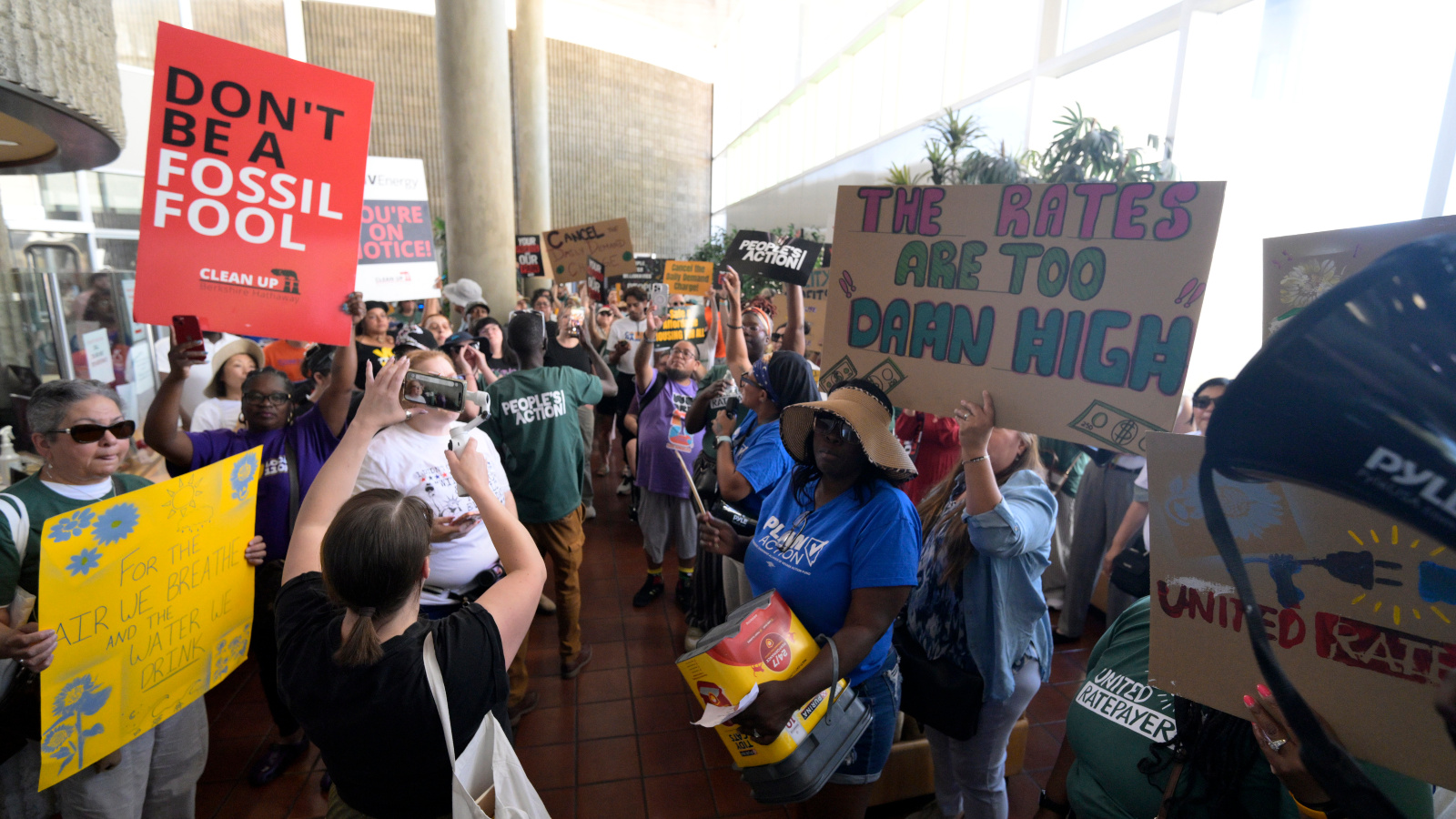
The economic reality, however, is that the state legislature’s recent tax policies have limited the revenue-generating capabilities of local governments. A Texas Tribune analysis from early 2026 estimated that the state will forgo at least $3 billion in sales tax revenue over the next two years due to exemptions specifically tailored to the data center industry. With traditional funding sources constrained, local leaders are finding it increasingly difficult to turn down direct corporate investments.
Balancing Growth and Accountability
The long-term impact of this trend remains to be seen. If these data centers provide the necessary infrastructure to modernize rural Texas—improving water treatment, bolstering STEM education, and upgrading emergency services—they may secure their place as permanent community partners. If, however, they merely provide a temporary veneer of support while siphoning critical resources, the current public opposition is likely to harden into permanent regulatory barriers.

For now, the strategy appears to be working. In Temple, Mayor Tim Davis has lauded the generosity of developers like Rowan, noting that the investment in the Sammons Community Center—a facility lost to the 2024 tornado—is a gesture that signals long-term commitment. Yet, even as they accept these funds, city leaders are tempering their enthusiasm with caution. The mandate for local officials is clear: they must navigate the delicate balance of accepting necessary capital to fix crumbling infrastructure without compromising the long-term autonomy and stability of their residents.
Conclusion: A New Model of Public-Private Partnership
The influx of $343 million is more than just a donation total; it is a signal of how modern industrial development is being forced to adapt to a more politically active and resource-conscious public. As the state continues to act as a magnet for global tech firms, the "Texas model" of data center expansion will likely be defined by these intense, localized negotiations. Whether this results in a genuine, symbiotic revitalization of rural Texas or a fragile dependency remains the central question of the decade. For the residents of towns like Turkey, Childress, and Temple, the answer is currently being written in water pipes, museum upgrades, and town hall meetings, as they weigh the immediate relief of corporate capital against the unknown costs of long-term integration.