The Last Harvest: Climate Change Threatens the Survival of Sicily’s Ancient Arbëreshë Community


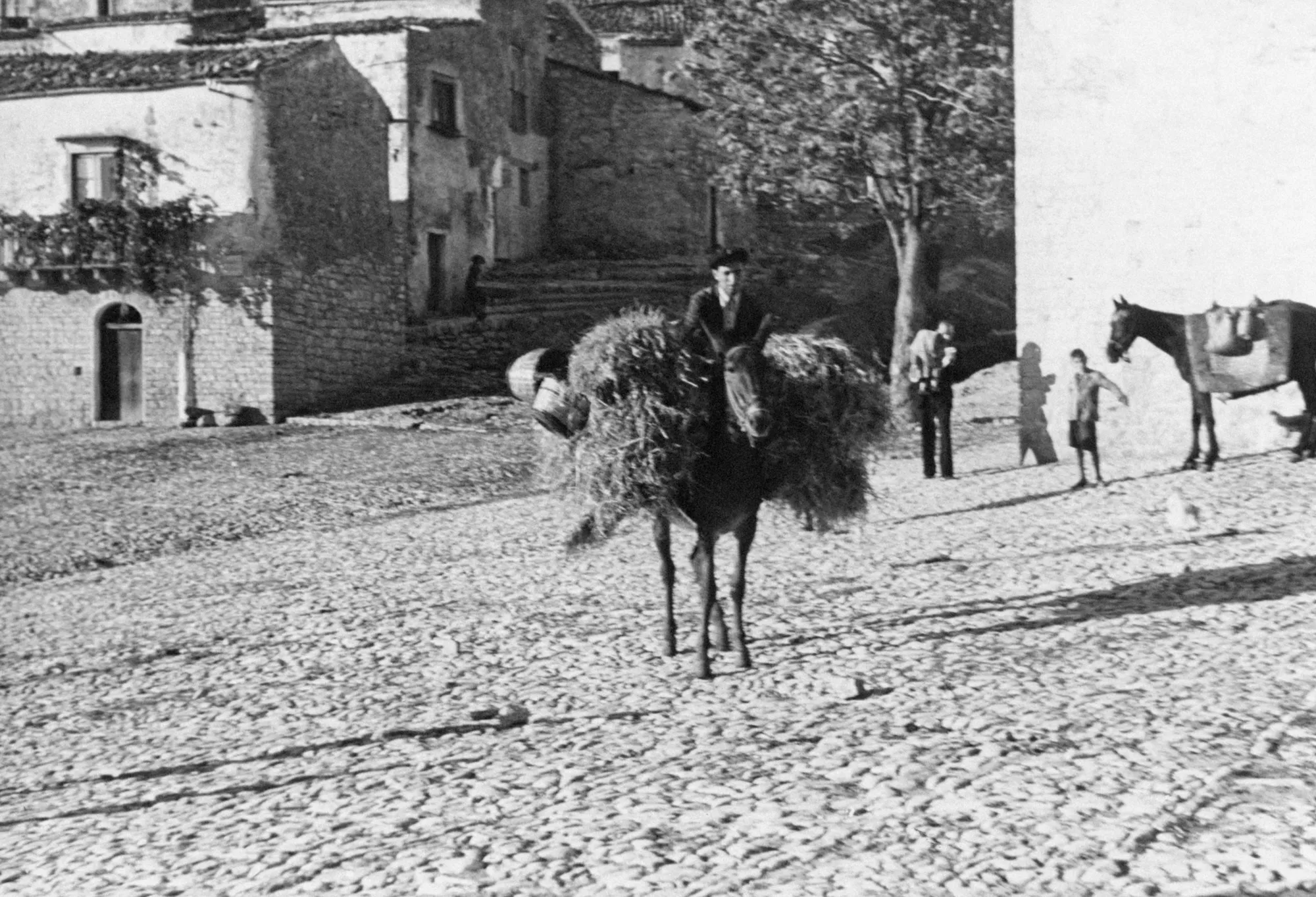
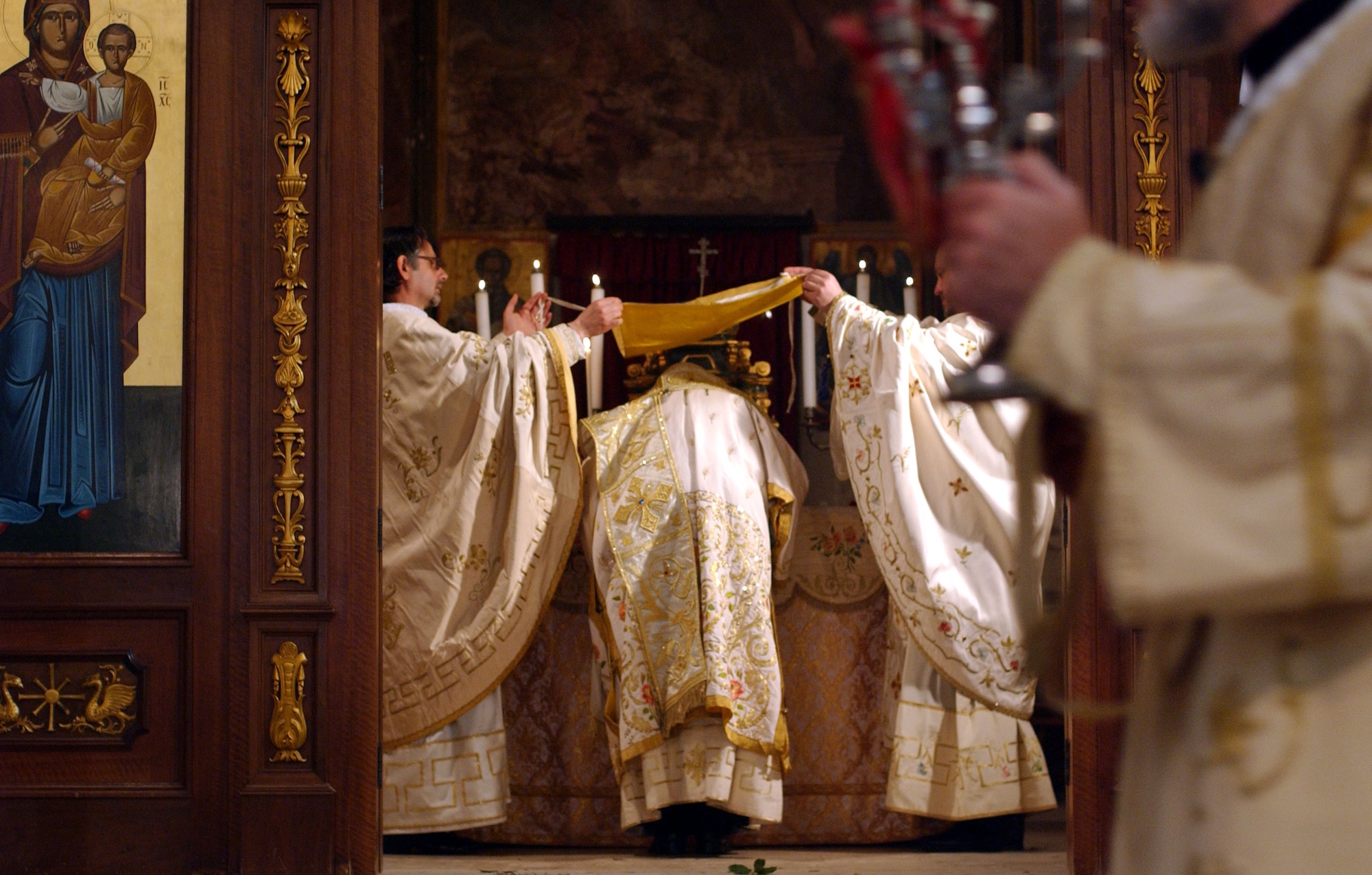
Giorgia Caruso always imagined her children one day inheriting the farm her family has tended for three generations, a legacy rooted in the rugged, fertile plateaus of Piana degli Albanesi. For her, the land is not merely an asset; it is the physical manifestation of a 500-year history. Founded in the 15th century by Albanian refugees fleeing the Ottoman conquest, Piana has served as a resilient bastion of Arbëreshë identity, preserving a unique language, religious tradition, and agricultural heritage. However, as extreme weather patterns redefine the Sicilian landscape, that multi-generational dream is rapidly disintegrating.

Caruso now finds herself in a position she never anticipated: encouraging her daughters to leave their ancestral home for a more secure future. This shift in perspective is shared by many in the community, as the very climate that once sustained their ancestors now threatens to render the region uninhabitable.
A Landscape in Flux: The Climate Crisis
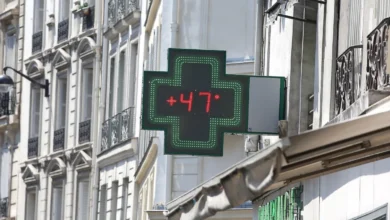
The Mediterranean basin is currently warming 20 percent faster than the global average, a statistic that translates into tangible catastrophe for Sicilian farmers. Piana degli Albanesi is trapped in a microclimate of increasing volatility. Over the past decade, summer temperatures have averaged 85 degrees Fahrenheit, frequently punctuated by heatwaves that push mercury well beyond the 100-degree mark. In 2021, the island recorded a staggering 119.8 degrees Fahrenheit—a new European temperature record that served as a grim indicator of the region’s trajectory toward desertification.
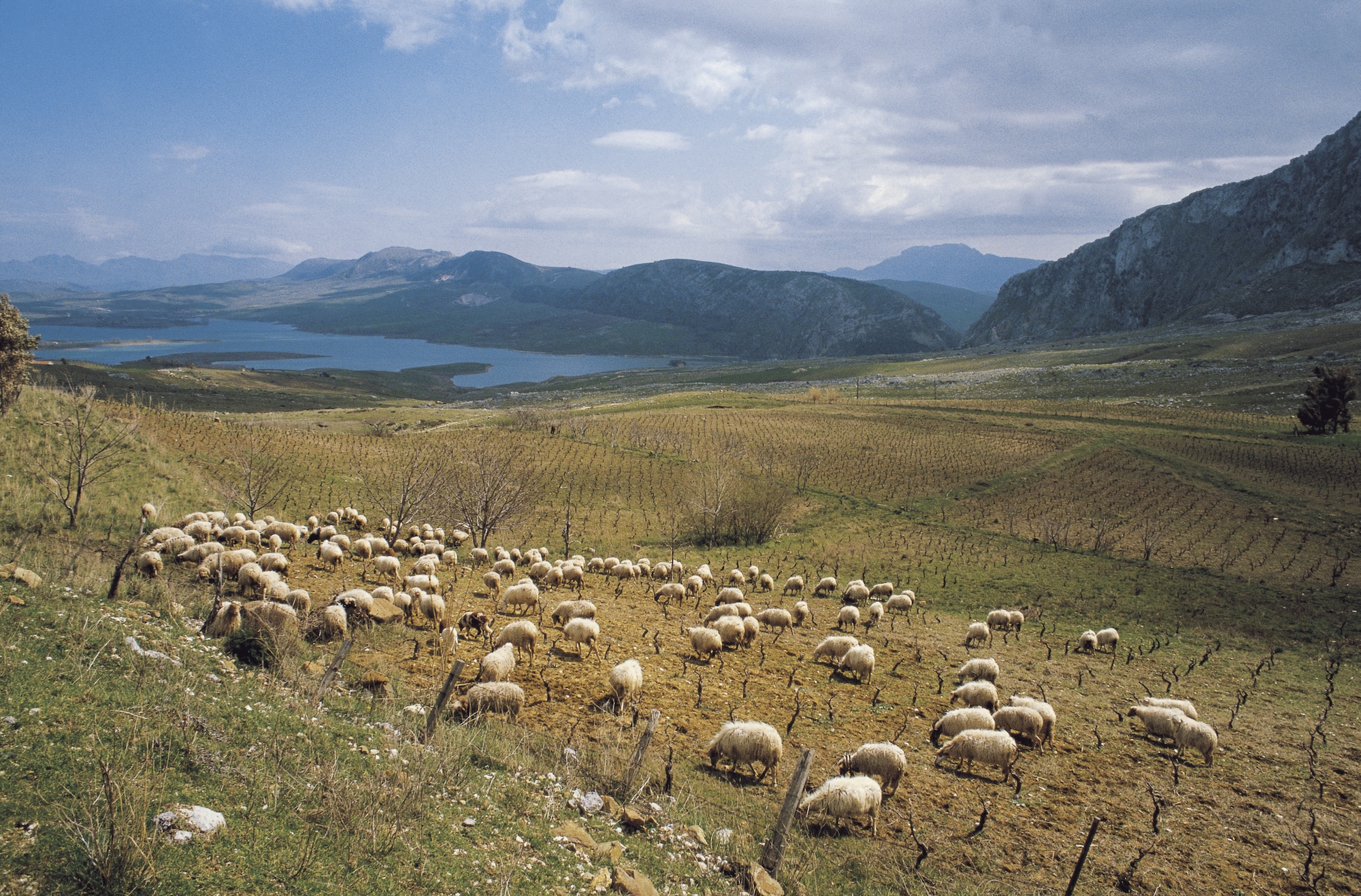
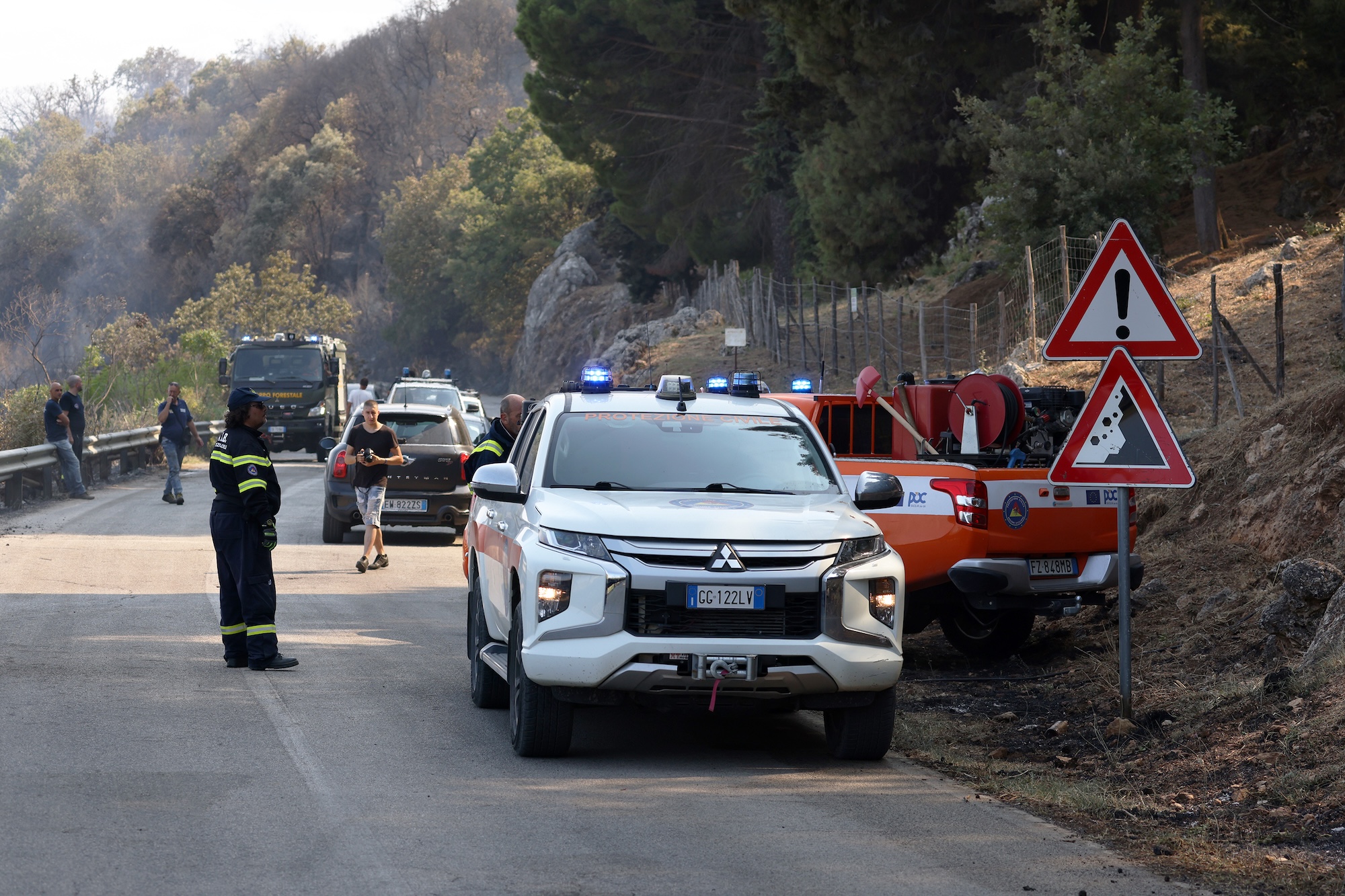
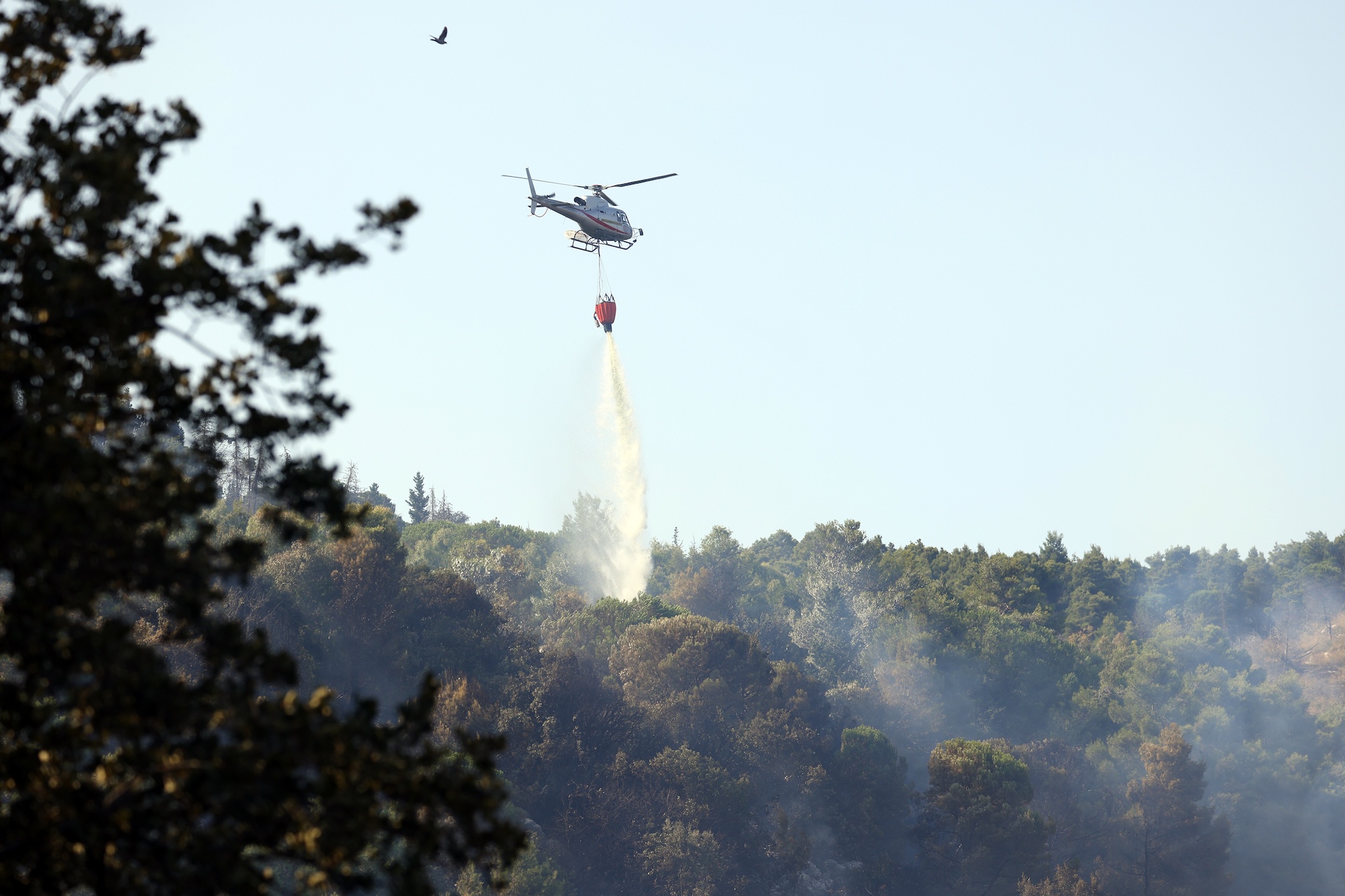
The primary driver of this displacement is the increasing frequency and intensity of wildfires. Sicily now accounts for nearly 50 percent of Italy’s total annual wildfire damage. In late July 2023, a massive blaze roared through the outskirts of Piana, with flames reaching the height of three-story buildings. The fire claimed acres of grazing land and nearly two dozen of the Caruso family’s sheep. For small-scale producers, such losses are not merely financial setbacks; they are existential threats that prevent the next generation from envisioning a viable career in agriculture.
A Chronology of Erosion
The demographic decline of Piana degli Albanesi has tracked closely with the escalation of these environmental pressures. Since 2015, the town has seen its population shrink by approximately 17 percent, a rate of exodus nearly triple that of the Sicilian average.
- 15th Century: Albanian refugees settle in the mountains south of Palermo, establishing a distinct cultural and linguistic enclave.
- 1947: The Portella della Ginestra massacre, in which 11 farmers were killed during a May Day celebration, cements the community’s fierce, spiritual connection to their land.
- 2015–2024: A period of sustained demographic decline sees the population drop from 6,293 to 5,245 residents.
- 2021: Wildfires displace over 100 people, marking a turning point in public safety perceptions.
- 2024: A severe, multi-year drought leads to the near-depletion of the local reservoir, once the largest in Sicily, prompting a national state of emergency.
The Economic and Cultural Toll
Agriculture is the lifeblood of Piana. The Arbëreshë are renowned for their wheat production and their contribution to the quintessential Sicilian cannolo, for which they produce high-quality ricotta. Giovanni Scalora, a fourth-generation farmer, notes the irony of the situation: "If our lands burn, there are no jobs, no homes. If we disappear, a part of Sicily’s, Albania’s, and Europe’s cultural history disappears."
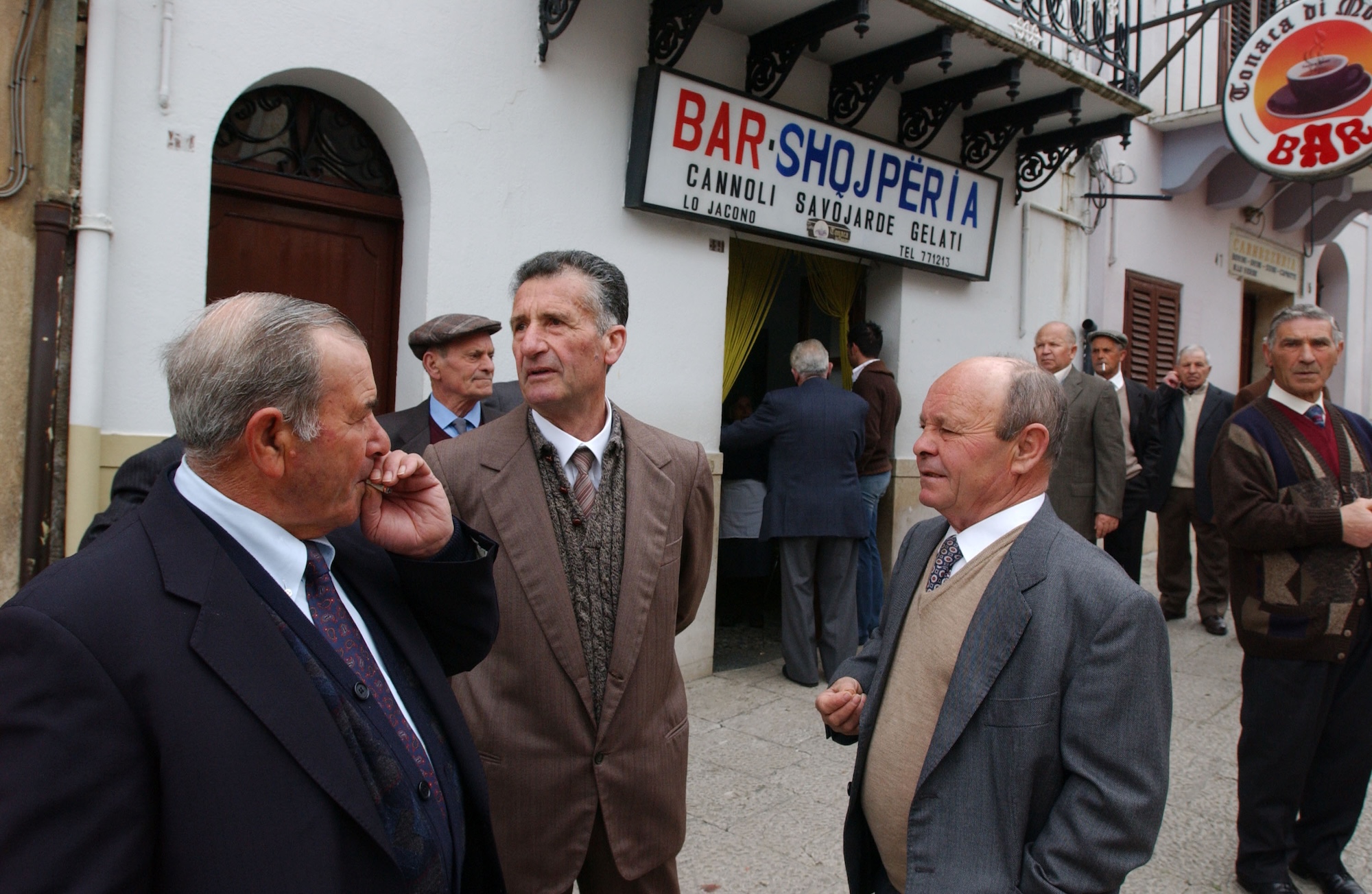
The economic ripple effect is severe. As livestock owners lose their herds to drought-induced lack of forage or fire, the supply chains for local food production collapse. Anna Liscari, a former resident who relocated to Newport Beach, California, recalls her family’s bar closing because their local organic suppliers could no longer sustain their operations. "We survived wars and poverty for 500 years," Liscari remarked. "It is heartbreaking to realize that climate change is the force that might finally wipe us out."
Governance and the Struggle for Adaptation
There is a profound disconnect between the local struggle and national policy. Mayor Rosario Petta has been vocal about the inadequacy of state support, arguing that the national government in Rome often treats the climate crisis as a series of isolated events rather than a systemic threat to cultural preservation. While the regional government committed 100 million euros to agricultural drought relief in 2024, local leaders contend that this is a stopgap measure rather than a long-term adaptation strategy.
Salvatore Cona, head of Sicily’s Civil Protection Unit, acknowledges the resource gap, noting that small municipalities like Piana lack the financial and technical infrastructure to implement large-scale wildfire mitigation or water conservation projects on their own. The European Environment Agency (EEA) has warned that vulnerable ethnic minorities are disproportionately affected by climate change, yet specific policy protections for these communities remain largely absent from national agendas.
Looking Toward the Diaspora
As the younger generation departs—many following in the footsteps of ancestors who migrated to California in the early 20th century—the Piana community is looking to its diaspora for survival. Anthony Plescia, president of the Arbëreshë of Sacramento association, represents a growing effort to formalize ties between the ancestral home and those who have established themselves abroad.
Plescia’s organization is currently working with Mayor Petta to create a confederation of Arbëreshë groups in the United States. The goal is to facilitate cultural exchanges and, potentially, economic support that could help modernize the town’s economy. Petta is also aggressively lobbying for direct flights between Palermo and Tirana, hoping that tourism—specifically heritage tourism from the Balkans and the U.S.—can diversify the town’s income and mitigate the reliance on traditional, climate-vulnerable farming.
The Future of the Arbëreshë
For those who remain, the philosophy is shifting from preservation to adaptation. Some farmers, like Scalora, are experimenting with different breeds of cattle that are more resilient to the heat, even if it means sacrificing the traditional, specific flavor profile of the town’s signature ricotta. It is a pragmatic, albeit painful, concession.
The potential loss of Piana degli Albanesi serves as a microcosm for the broader challenges facing Europe’s rural, ethnolinguistic minorities. Ecologist Christian Mulder, a professor at the University of Catania, emphasizes that what is occurring in these mountains is likely the first wave of climate migration threatening to dissolve entire cultural identities.
As Giorgia Caruso watches her daughters pack for their futures abroad, the silence in the cobblestone streets of Piana becomes more pronounced. The murals of women in traditional Arbëreshë attire remain on the walls of the Sheshi neighborhood—vibrant, colorful, and increasingly orphaned by the generation they were meant to inspire. The survival of this 500-year-old community now hinges on a race between global climate mitigation and the ingenuity of a people who have already survived, in the words of Liscari, "wars, displacement, and poverty." Whether they can survive the changing atmosphere remains the defining question of their era.