The Untold Story of The Pretenders Finally Hits the Screen at the Toronto International Film Festival

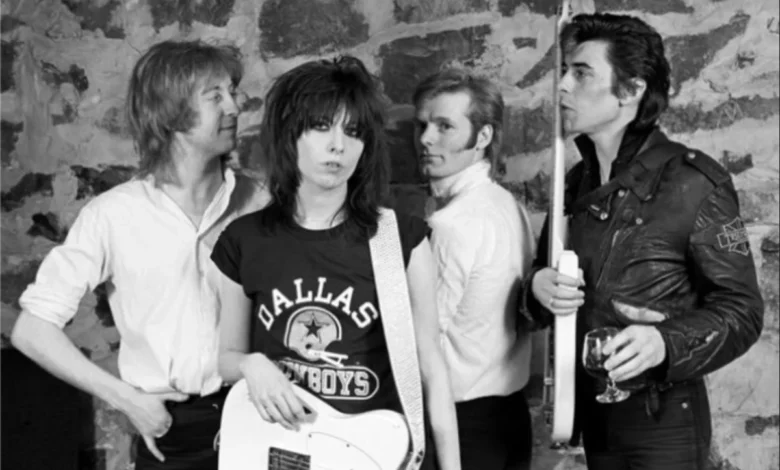
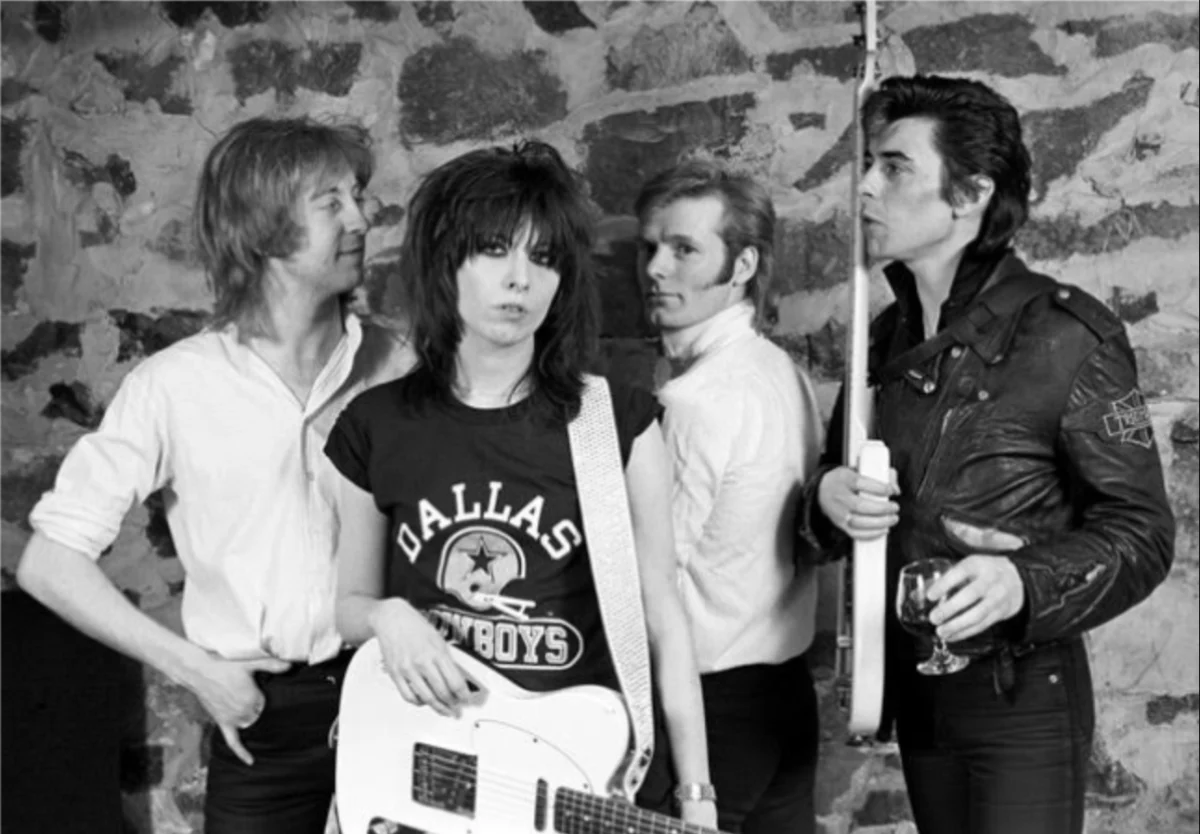
For over four decades, the Pretenders have maintained a singular position in the pantheon of rock music, defined by the sharp-tongued, inimitable presence of Chrissie Hynde. Despite their monumental influence—anchored by one of the most critically acclaimed debut albums in history—the band’s internal history has remained largely shrouded in legend rather than documented in detail. This vacuum is now being filled by the documentary feature "The Pretenders," directed by Joss Crowley, which makes its global premiere this Sunday at the Toronto International Film Festival (TIFF).
The film offers an intimate, long-overdue examination of the band’s formative years, focusing specifically on the period between the late 1970s and the mid-1980s. It traces the trajectory of the original lineup, the tragic loss of key members, and the relentless, non-conformist spirit of Hynde, who remains one of rock’s most enduring figures.
A Legacy of Musical Craft and Tragedy
The story of the Pretenders is as much about the chemistry of its original members as it is about the grit required to survive the music industry. The band’s eponymous debut, released in January 1980, is widely cited by musicologists and critics as a masterclass in songwriting and production. It remains a benchmark for the post-punk era, successfully bridging the gap between raw, aggressive energy and sophisticated pop sensibilities.
However, the band’s ascent was marked by profound volatility. In the early 1980s, the group faced internal fractures that culminated in the dismissal of bassist Pete Farndon in 1982, followed closely by his death. Just two days later, the band suffered another devastating blow when guitarist James Honeyman-Scott, often cited by peers as an unsung architect of the group’s signature sound, passed away.
Crowley’s documentary leans heavily on newly discovered archival material to reconstruct these turbulent years. A pivotal discovery in the filmmaking process involved 20 reels of previously unseen footage captured by cameraman Andy Watt during the band’s 1980 North American tour. These tapes, long thought to be unusable, were restored through meticulous engineering, providing a raw, unfiltered look at the band at their peak—a visual chronicle that has remained hidden for over 40 years.
The Challenge of Documentation
Securing Hynde’s cooperation for a definitive biography was a decade-long endeavor for Crowley. Known for her inherent aversion to the "rock goddess" archetype and her preference for privacy, Hynde has historically resisted efforts to formalize the band’s narrative.
"I’ve been trying to work with Chrissie and tell the Pretenders’ story for over 10 years," says Crowley. The catalyst for finally moving forward, according to Hynde, was the encroachment of unauthorized projects. As unofficial accounts began to circulate and former associates were approached by outside entities, Hynde decided that if the story were to be told, it should be done with factual accuracy rather than hearsay.
The resulting film adheres to strict parameters: it focuses on the collective history of the band rather than serving as a vanity project for its lead singer. Hynde insisted on a narrative that avoided the tropes of "women in rock" documentaries, preferring instead to frame the band as a unit of ordinary musicians who happened to find extraordinary success.
The Role of Archival Evidence
The documentary is elevated by the contributions of former tour manager Stan Tippins. His personal diaries, read aloud for the camera, serve as the film’s narrative backbone. Tippins, who previously performed with Mott the Hoople, acted as a grounding influence for the band during their early, chaotic years. His entries provide a candid, day-to-day perspective on the band’s dynamics, particularly during the period leading up to the loss of Honeyman-Scott and Farndon.

The use of this primary source material provides a level of historical integrity that is often missing from contemporary music documentaries. By combining Tippins’ accounts with restored performance footage, Crowley has created a document that functions less like a promotional piece and more like a historical record.
Industry Implications and Cultural Standing
The release of "The Pretenders" arrives at a time when the music documentary format is undergoing a shift. As audiences demand more transparency, filmmakers are moving away from heavily curated narratives toward projects that utilize raw, unvarnished perspectives.
Hynde’s approach to the project—marked by her refusal to watch the final product and her candid admission of discomfort with being "observed"—reflects a broader critique of the celebrity industrial complex. Her career has been defined by a rejection of consumerism and a stubborn refusal to engage in the commercialization of her image. In an industry that often demands artists become spokespeople for their own mythologies, Hynde’s stance remains a rarity.
"I like being in a band, I just don’t like being observed," Hynde notes. This sentiment is echoed throughout the documentary, which serves to validate the experiences of artists who prioritize their creative output over their public profile. By allowing the audience to hear her unfiltered thoughts—and occasionally leaving in her objections to certain questions—Crowley offers a portrait that is authentic to Hynde’s temperament.
The Legacy of the Original Lineup
A significant portion of the film is dedicated to memorializing James Honeyman-Scott. Hynde has been vocal about her desire to ensure his contributions to rock history are recognized, noting that he is frequently omitted from "greatest guitarist" lists. The documentary serves as a corrective to this historical oversight, highlighting the technical brilliance and melodic intuition that defined the Pretenders’ early output.
The film does not shy away from the darker elements of the 1980s. However, it frames these events within the context of human experience, stripping away the sensationalism that often follows the deaths of high-profile musicians. Hynde’s perspective is grounded: "There’s too much emphasis on the extraordinary life of celebrities. My story isn’t that much more interesting than an ordinary person’s."
Looking Forward: The Toronto Premiere
The premiere at TIFF signifies a milestone for the band, marking the first time their history has been presented with their full, albeit reluctant, participation. While Hynde maintains a degree of detachment from the project, she remains committed to its presentation, planning to attend the premiere alongside original drummer Martin Chambers.
For the music industry, this documentary serves as a case study in how to archive the history of a legacy act without compromising the integrity of the subjects. By focusing on the interplay of archival discovery, primary source testimony, and the candid, if sometimes difficult, participation of the artist, Crowley has crafted a film that stands as a testament to the endurance of the band.
As the music industry continues to grapple with the preservation of its own history, "The Pretenders" sets a high bar. It demonstrates that the most compelling stories are often those that the subjects themselves are the most hesitant to tell. With this release, the band finally claims its place in the historical record, not as symbols of a bygone era, but as musicians who remained remarkably consistent in an industry that demands constant evolution.
The film stands not only as a tribute to those lost, but as a reminder that the most authentic legacy is one that is built on the work itself—the music, the rehearsals, the road, and the unwavering commitment to the craft. Whether the audience finds the documentary to be a definitive history or a personal, messy, and human account, it is, in every sense, a true representation of the Pretenders.
Related posts: