The Great Energy Bottleneck: Inside the Bipartisan Scramble to Rewrite Federal Permitting Rules

As lawmakers prepare to exit Capitol Hill to focus on the high-stakes midterm election cycle, a quiet but intense effort is underway to finalize a legislative framework that could reshape the American energy landscape for decades. A bipartisan group of senators is racing to secure a deal on comprehensive permitting reform, an issue that has moved from a niche administrative concern to the center of national security and economic strategy. The primary objective is to modernize the federal permitting process, which currently acts as a significant barrier to the rapid deployment of new energy infrastructure, from natural gas pipelines to massive offshore wind farms and high-voltage transmission lines.
The urgency driving these negotiations is multifaceted. While Washington has debated permitting for years, the conversation has shifted dramatically in 2026 due to an unprecedented surge in national electricity demand. This spike is being fueled by a confluence of factors: the widespread adoption of heat pumps and electric vehicles, a resurgence in domestic manufacturing, and, perhaps most controversially, the exponential expansion of the data center industry to support artificial intelligence and cloud computing.
A Chronology of Stalled Progress and Renewed Momentum
The current push for reform is the latest in a series of attempts to address a system that industry leaders and lawmakers alike describe as "broken." The chronology of this issue reflects the difficulty of balancing environmental safeguards with the need for speed.
In 2024, the Energy Permitting Reform Act represented the most significant legislative attempt in recent memory to streamline approvals. Although the bill successfully navigated the committee process, it failed to secure a full Senate vote, falling victim to political polarization and disputes over the scope of environmental review requirements.
Following that failure, the dialogue evolved. Throughout 2025, grid operators and utility companies issued a series of warnings regarding the aging state of the U.S. power grid and the prohibitive length of time required to secure federal permits for new projects. By early 2026, the issue reached a tipping point as tech giants, including Google and other major data center operators, began lobbying more aggressively for reform, citing the need for reliable, massive-scale power to maintain their competitive edge in the global AI race.
By mid-August 2026, the movement gained significant momentum when Senator Marsha Blackburn and other key figures announced a surge in cosponsors for the American Energy and Mineral Infrastructure Act. As of late September, negotiations have narrowed to the highest-ranking members of the Senate’s energy-related committees, who are working to craft a compromise that can satisfy both industry demands and the environmental concerns of the Democratic caucus.
The Data Center Dilemma: A PR and Political Hurdle
While the legislative goal is clear, the public perception of the bill faces a significant hurdle. Data centers—the physical manifestations of the digital age—have become a "toxic" subject for voters. Public opinion research from firms like Redbud Consulting suggests that residents across the political spectrum are increasingly wary of the localized impact of these facilities, including noise pollution, water usage for cooling, and the strain they place on local electrical grids.
Legislators currently find themselves in a precarious position. They understand that to meet the country’s energy needs, they must facilitate the construction of infrastructure that will inevitably support the data center boom. However, explicitly linking permitting reform to the expansion of data centers is viewed as political suicide. "If you phrase permitting reform as serving data centers, the polling results get way worse," noted Alex Lundry, president of Redbud Consulting. Consequently, the messaging surrounding the bill has shifted toward themes of "national competitiveness," "energy independence," and "lowering electricity costs for families."
Supporting Data and the Scale of the Challenge
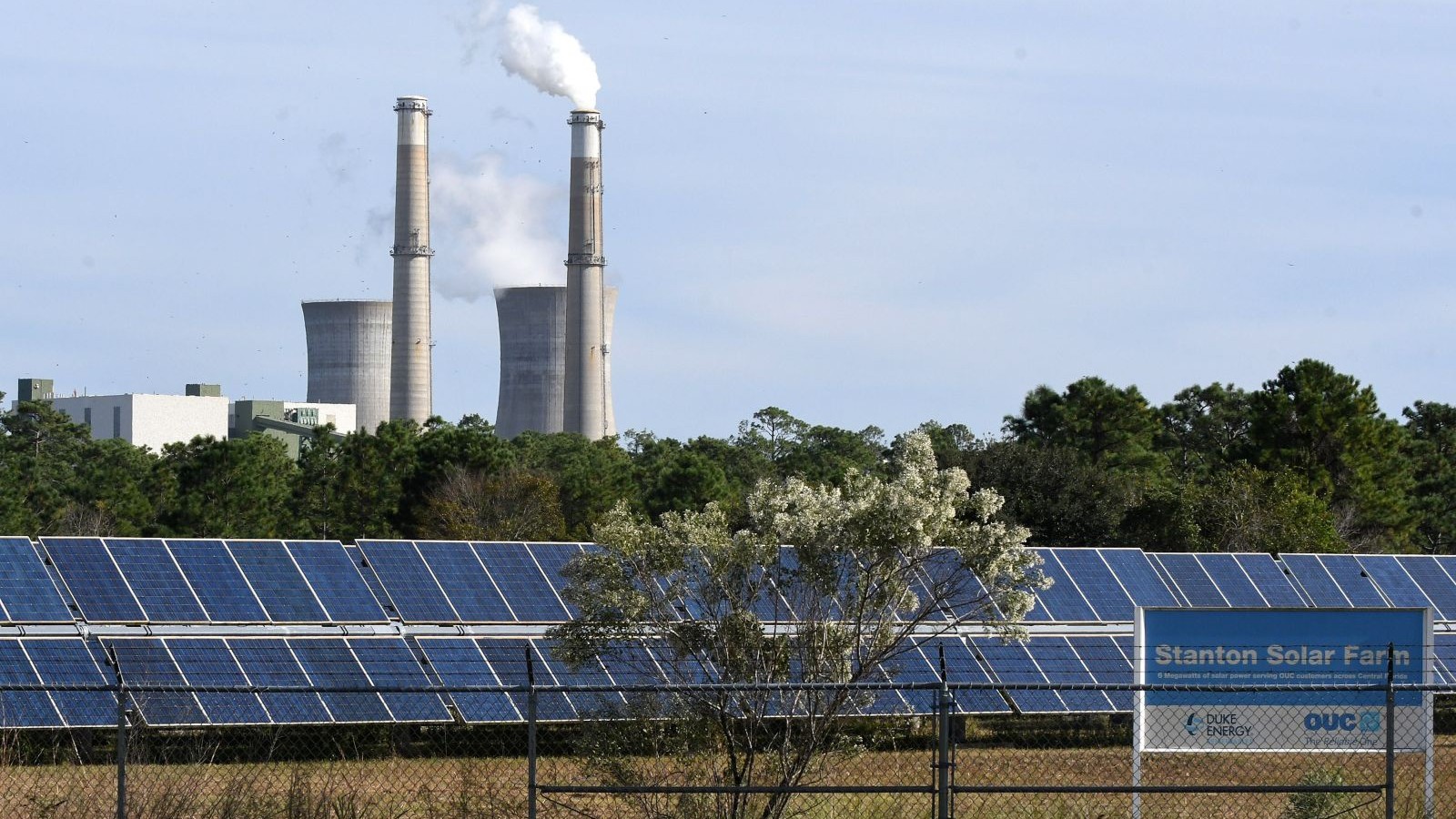
The technical necessity for reform is supported by stark data from the U.S. Energy Information Administration (EIA). Projections indicate that solar power and battery storage will account for approximately 80 percent of all new power generation capacity built in the United States in 2026. Simultaneously, natural gas remains the dominant source of electricity, providing a stable baseload that data centers rely on for the 24/7 reliability required by server farms.
The strain on the system is not merely a product of the tech industry. The "electrification" of the residential sector—driven by the replacement of gas furnaces with high-efficiency heat pumps—has significantly increased peak load requirements. Furthermore, as the U.S. seeks to reduce its reliance on foreign supply chains, the push to bring manufacturing back to American shores is adding a new layer of demand that the current, slow-moving permitting regime is ill-equipped to handle.
Official Responses and the Search for Consensus
The negotiations involve a delicate dance between the White House and Capitol Hill. President Donald Trump has indicated a willingness to decouple renewable energy projects from his administration’s previous obstructionist tactics, provided a deal on broader permitting reform can be reached. This has created a tentative opening for Democrats.
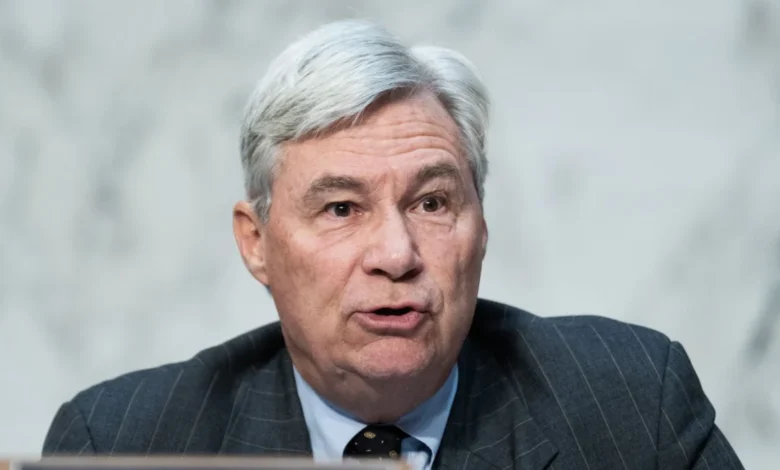
Senator Sheldon Whitehouse, the ranking Democrat on the Senate Environment and Public Works Committee, has expressed cautious optimism. "I appreciate very much what the Trump administration has done to move in this direction, but in order to brief colleagues on what this really means, we need just a bit more clarity on exactly what ‘return to regular order’ for wind and solar projects looks like," Whitehouse told reporters. His comments highlight the lingering mistrust: even if the law is changed, Democrats remain wary that a hostile executive branch could continue to delay projects through administrative "red tape."
The Implications of Reform: What the Draft Bill May Contain
Although the text of the draft bill remains under wraps, industry stakeholders and legislative aides suggest it includes several core components designed to shorten project timelines:
- Limiting Judicial Review: The bill aims to reduce the window of time during which completed permits can be challenged in court, protecting projects from years of litigation after approval.
- Narrowing Scope of Reviews: It seeks to refine the requirements of the Clean Water Act and the Endangered Species Act to prevent redundant or overly expansive environmental studies that have historically stalled transmission line and pipeline projects.
- Unified Agency Oversight: The legislation is expected to create a "lead agency" structure, forcing various federal bureaus to coordinate their reviews rather than conducting them in a siloed, serial fashion.
Broader Impact: The Geopolitical Context
Beyond domestic energy concerns, there is a mounting fear in Washington that the United States is losing its global standing. Proponents of the reform argue that China’s ability to rapidly build energy infrastructure provides them with a long-term economic and military advantage. During the Clean Energy Week conference in D.C. this September, speakers from both sides of the aisle emphasized that the "energy war" is a competition of speed.
Senator Rick Scott characterized the current state of affairs as "fighting the energy war with one hand tied behind our backs," echoing a sentiment shared by many in the energy sector who view the current permitting process as an existential threat to American productivity.
Future Outlook: The Midterm Calculus
As the Senate prepares for the post-election session, the fate of the permitting reform bill remains tied to the results of the midterms. If Republicans secure a definitive majority, they may push for a more aggressive, industry-friendly version of the bill. Conversely, a loss of power could force a "lame duck" session compromise, where a bipartisan group attempts to pass the legislation before the new Congress is sworn in.
Regardless of the political outcome, the fundamental issue of how the United States will power its future remains unresolved. With energy bills rising for 70 percent of Americans over the last year, the public is increasingly sensitive to the cost of inaction. While the current focus is on the legislative halls of Washington, the real-world impact will be felt in the ability of the U.S. grid to withstand the massive influx of new demand without collapsing under the weight of an outdated, 20th-century regulatory system. The next few months will determine whether Congress can act as a catalyst for growth or if the "Great Energy Bottleneck" will continue to constrain the American economy for years to come.