Southwest Inundated by Record-Breaking Rainfall and Deadly Flash Flooding as Climate Patterns Shift

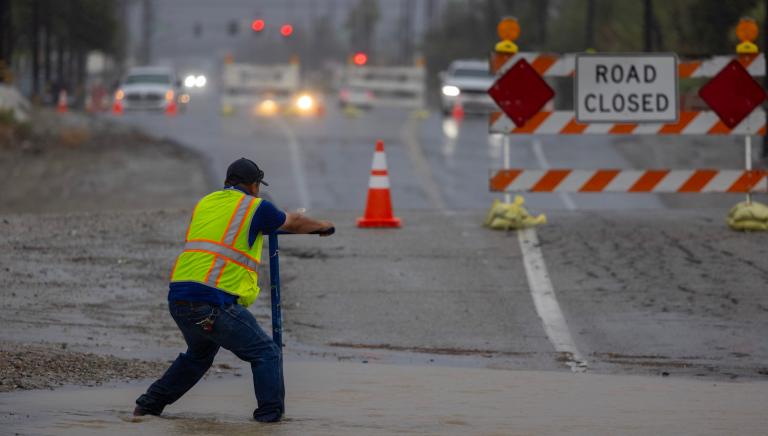
The American Southwest, a region historically defined by its arid landscape and water scarcity, has been gripped by a series of unprecedented, catastrophic weather events that have left at least four people dead and infrastructure in ruins. Over the course of just a few days in late 2026, several communities across Arizona, New Mexico, Utah, and Colorado were subjected to a deluge of rain that represented two to three months’ worth of typical precipitation. This extreme influx of water has overwhelmed local drainage systems, turned parched canyons into lethal flash flood corridors, and brought into sharp focus the growing volatility of the region’s climate.
The scale of the saturation is difficult to overstate. In Clovis, New Mexico, for instance, the period beginning September 20 saw a staggering 28.84 inches of rain fall. To put this figure in perspective, the historical average for the area is a mere 3.3 inches. This astronomical deviation from the norm underscores the severity of the atmospheric conditions currently impacting the interior West.
A Chronology of the Crisis
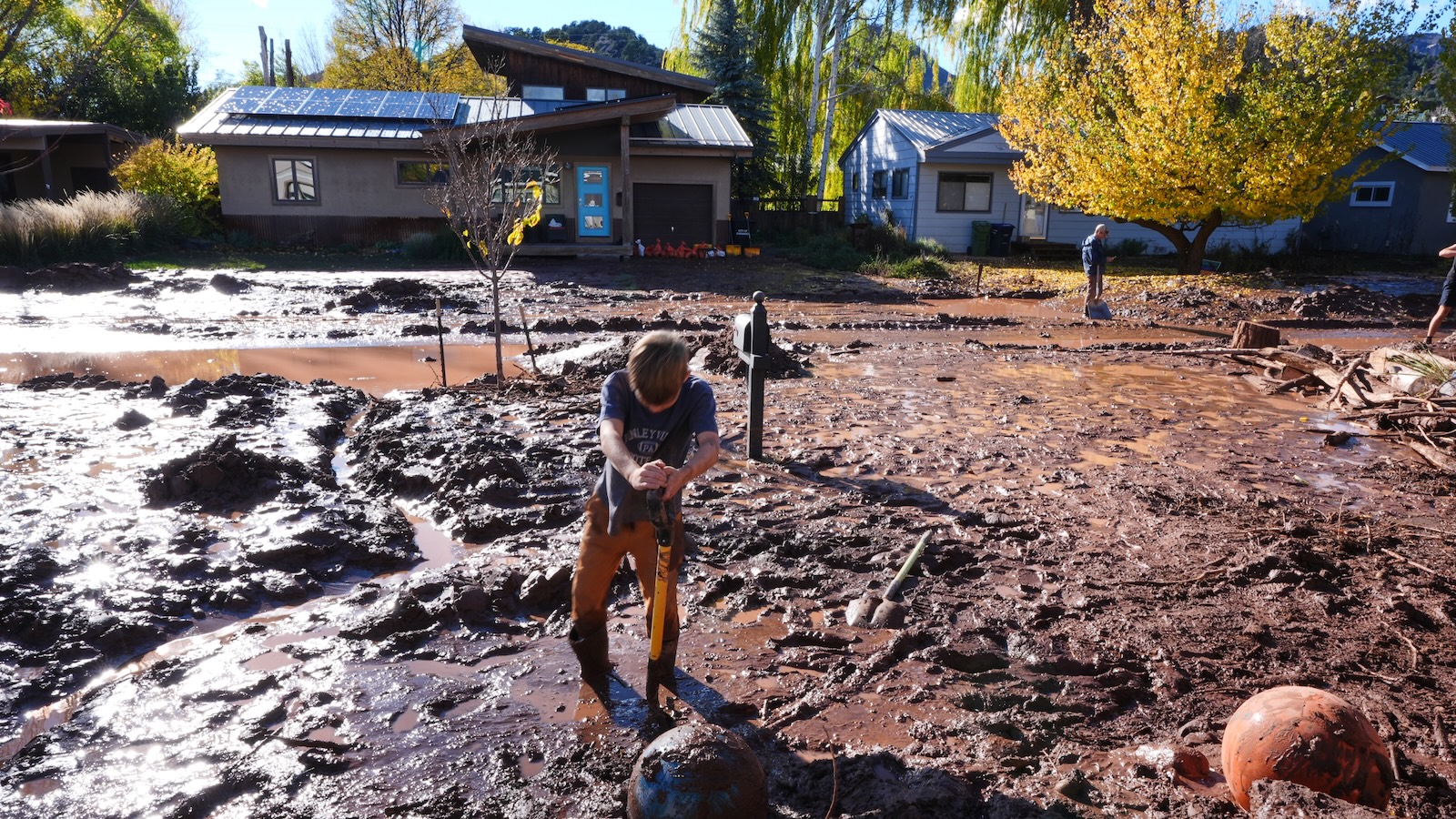
The current crisis did not emerge in a vacuum. It is the culmination of a sequence of weather systems that have battered the Four Corners region since late autumn. In late October, a separate, intense weather system dropped up to 8 inches of rain on high-elevation regions of Colorado within a 96-hour window. This event, which meteorologists now categorize as one of the most extreme storm systems in the state’s recorded history, effectively primed the landscape for the subsequent disaster.
By the time the most recent wave of storms arrived, the ground in many Southwestern communities was already at maximum saturation. Inhydrology, the "antecedent moisture condition" of soil is a critical factor in flood risk. Because the soil was already unable to absorb further precipitation, the most recent rainfall did not percolate into the aquifers or replenish natural water tables; instead, it became surface runoff, channeling rapidly into low-lying areas, drainage basins, and residential neighborhoods.
The El Niño Influence
Climatologists have pointed to a "super" El Niño event as the primary catalyst for this anomalous weather pattern. Russ Schumacher, director of the Colorado Climate Center at Colorado State University and the state climatologist, noted that the connection to El Niño is unmistakable. "This weekend was just adding more on the rough times that those communities in Southwest Colorado, Arizona, Utah, and New Mexico have been having recently," Schumacher stated.
El Niño, characterized by a band of unusually warm water in the central and eastern Pacific Ocean, fundamentally alters global atmospheric circulation. By injecting vast amounts of thermal energy into the atmosphere, the phenomenon increases the transport of moisture toward the southern United States. Michael A. Crimmins, a climatologist at the University of Arizona, emphasized the rarity of such a confluence of factors. While extreme weather is possible in non-El Niño years, the current oceanic conditions have created a "perfect storm" of meteorological ingredients that make such high-impact events significantly more probable.
The Paradox of Heat and Moisture
The current climatic state is paradoxical: the Southwest is being inundated with water while simultaneously being affected by record-breaking oceanic heat. Scientists observe that more than 90 percent of the excess heat trapped in the Earth’s atmosphere by human-induced emissions is being absorbed by the world’s oceans. This excess energy leads to higher sea surface temperatures, which in turn fuels more intense storms.
This trend is evidenced by the disparity between the Pacific and Atlantic hurricane seasons. While the Atlantic has remained strangely quiet—shattering records for the latest start to a hurricane season due to high-altitude wind patterns disrupted by El Niño—the eastern Pacific has been remarkably active, producing 10 hurricanes this season. This atmospheric moisture, when directed toward the Southwest, creates the extreme rainfall totals that current infrastructure was never designed to handle.
Topography and the Risk of Flash Flooding
The physical geography of the Southwest serves to amplify the dangers of these weather events. The region is characterized by steep canyons, rocky terrain, and a lack of vegetative cover, which would otherwise serve to slow water runoff. In the aftermath of these storms, the landscape is often littered with "out-of-place" boulders—massive rocks relocated by the sheer kinetic force of water.
"If you hike around the Southwest, you’re going to see out-of-place boulders all over the place," Crimmins explained. "Water put it there. Maybe it was 5,000 years ago or something like that, but water moves. We can have really epic flash flooding." This geological reality makes the region uniquely vulnerable to the sudden, violent shifts in weather currently being observed.
Implications for Water Management and Drought
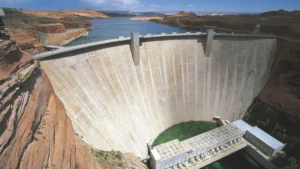
The ongoing precipitation has prompted a complex debate regarding the region’s long-term water security. For years, the Colorado River basin has been in a state of crisis, with its two primary reservoirs, Lake Powell and Lake Mead, hovering near dead pool levels—the point at which water can no longer flow through the dams to provide hydroelectric power or supply downstream users.
While the current rainfall may appear to be a welcome reprieve for a region suffering from a multi-decadal "megadrought," experts caution that it is insufficient to reverse the systemic decline of the Colorado River system. "It’s a long way to go to get even back to where we were a year ago," Schumacher said, "let alone when it was in good condition decades ago."
Furthermore, the region remains desperately short of snowpack. Snow acts as a natural storage system, holding water in the mountains throughout the winter and releasing it gradually during the spring melt, which is essential for sustaining river flows throughout the summer. Because the region recently experienced a record-low snowpack year, a wet autumn does not necessarily guarantee a secure water supply for the coming year.
Toward Resilient Infrastructure
The recurring nature of these extreme storms has forced municipal and state agencies to re-evaluate their water management strategies. In cities like Tucson, Arizona, the focus has shifted toward "green infrastructure." This involves the installation of bioswales, permeable pavements, and rain gardens—features designed to capture and slowly infiltrate stormwater into the ground.
These strategies represent a paradigm shift: treating stormwater as a valuable resource rather than a nuisance to be evacuated as quickly as possible. By slowing the flow of water, cities can reduce the risk of flash flooding and simultaneously help recharge local groundwater supplies.
Looking Ahead
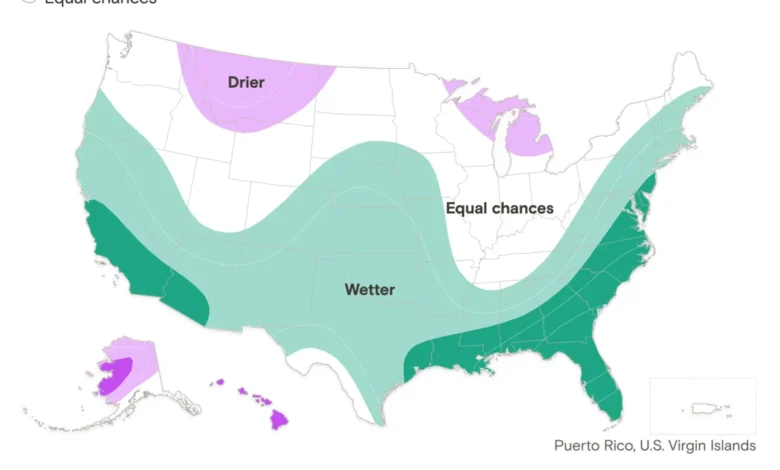
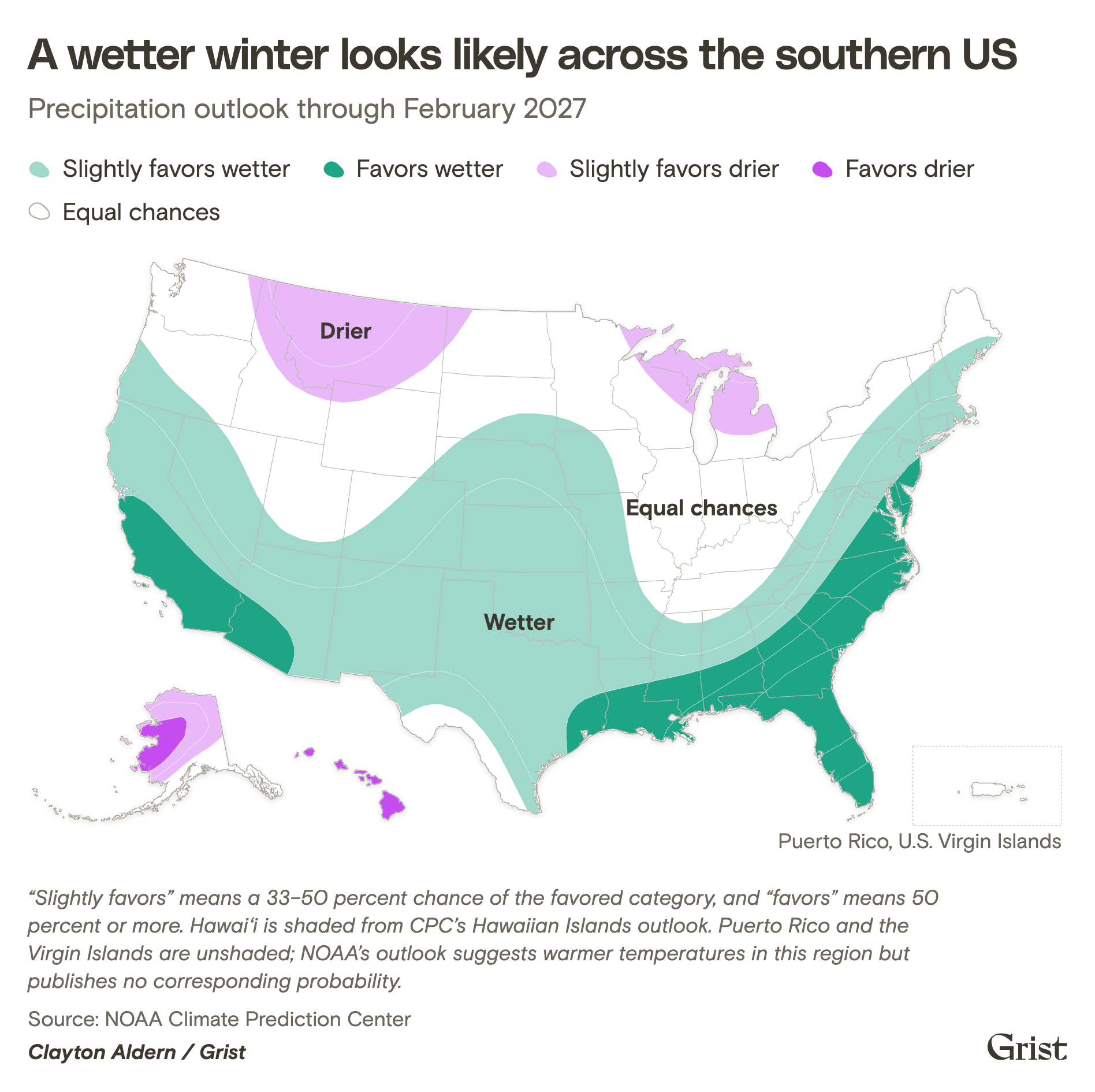
As the winter of 2026-2027 progresses, NOAA’s seasonal outlooks suggest that the southern United States will likely continue to experience increased precipitation. While this may provide meaningful drought relief, it also poses an ongoing threat of flooding. The interaction between human-induced climate change, the current El Niño cycle, and the rapid growth of population in the Southwest creates a precarious environment.
The challenge for policymakers is twofold: managing the immediate danger posed by high-intensity, low-duration storm events, while simultaneously planning for a future where water scarcity remains a structural reality. The events of this past month have served as a sobering reminder that while the Southwest is learning to adapt to life in the desert, the desert is becoming an increasingly unpredictable and volatile place to live. The catastrophic loss of life and property seen in recent weeks is not merely an anomaly, but a signal that the infrastructure of the 20th century may be inadequate for the climate realities of the 21st.